An 85-inch LED TV typically measures approximately 74.1 inches (188.2 cm) in width and 42.3 inches (107.4 cm) in height without a stand. When accounting for depth and mounting, these displays usually weigh between 90 and 125 pounds (41–57 kg), requiring specific structural support and a recommended viewing distance of 8.5 to 10.5 feet for optimal 4K or 8K clarity.
Understanding the True Physical Size of an 85-Inch Television
When consumers discuss an "85-inch TV," they are referring specifically to the diagonal measurement of the screen—from the top-left corner to the bottom-right corner. However, the diagonal measurement is only a fraction of the story regarding how much space the unit will actually occupy in a room. In 2026, while bezel sizes have shrunk to near-negligible widths, the overall chassis still requires significant wall or furniture real estate.
Width and Height Breakdown
For a standard 16:9 aspect ratio, which is the universal format for modern LED, Mini-LED, and QLED televisions, the screen itself has a fixed mathematical ratio. An 85-inch panel translates to a screen width of roughly 74.07 inches and a height of 41.66 inches.
When you add the manufacturer's frame (the bezel) and the bottom lip where sensors and branding often reside, the total dimensions usually increase by 0.5 to 1.5 inches in both directions. Therefore, a safe "clearance" width for an 85-inch TV is 75 inches. If you are planning to recessed the TV into a custom-built alcove or cabinetry, you must account for an additional 2 inches of "breathing room" on all sides to allow for heat dissipation and hand access during installation.
Depth and the "Ultra-Slim" Factor
In the 2026 market, LED technology has branched into several sub-categories that affect the depth of the unit. Standard Direct-Lit LEDs are often the thickest, ranging from 2.5 to 3.5 inches deep. Conversely, Edge-Lit or high-end Mini-LED models can be as thin as 0.6 to 1.2 inches.
Depth is a critical factor if you intend to use a "flush mount" or "no-gap" wall bracket. A deep TV on a thick mount can protrude nearly 6 inches from the wall, which may obstruct walkways or ruin the aesthetic of a sleek living space. Always verify the depth measurement specifically "without stand" if wall mounting is the primary goal.
Weight Considerations and Structural Requirements
The weight of an 85-inch LED TV is substantial and should never be underestimated. Unlike smaller 55-inch models that can often be handled by a single person, an 85-inch unit is a two- or three-person job.
Panel Weight vs. Shipping Weight
The "net weight" (the TV alone) is what your wall or stand must support. For an 85-inch LED, this typically ranges from 95 to 115 pounds. Premium models with glass-heavy panels or extensive full-array local dimming (FALD) backlighting hardware tend to be at the higher end of this scale.
The "shipping weight" includes the box, internal polystyrene protection, the remote, and the heavy-duty feet or stand. This can reach up to 140–150 pounds. If you are ordering a TV for home delivery, ensure your flooring can handle the localized pressure of the crate and that you have a clear path to the installation site.
Wall Mounting and VESA Standards
To safely secure an 85-inch TV, you must use a mount that is VESA (Video Electronics Standards Association) compliant. Most 85-inch models utilize a 600x400 mm or 800x400 mm VESA pattern.
Critical Safety Requirement: An 85-inch TV must be anchored into at least two wooden studs or secured into solid masonry (brick/concrete). Using drywall anchors or "molly bolts" for a screen of this size is a recipe for catastrophic failure. Because the weight is distributed over a large area, the leverage exerted on a wall mount—especially a "full-motion" or "articulating" arm mount—is immense. If using an articulating mount, ensure the mount itself is rated for at least 150% of the TV’s weight to account for the added torque when the TV is extended from the wall.
Comprehensive Size and Weight Reference Table
The following table provides average specifications for the three most common classes of 85-inch LED TVs available in 2026. Note that specific model numbers from brands like Samsung, Sony, and LG may vary by small margins.
| TV Category | Avg. Width | Avg. Height | Avg. Depth | Net Weight (No Stand) | VESA Pattern |
|---|---|---|---|---|---|
| Entry-Level LED | 74.5" | 42.6" | 3.2" | 90–98 lbs | 600 x 400 |
| Mid-Range QLED | 74.3" | 42.4" | 1.1" | 102–110 lbs | 600 x 400 |
| Premium Mini-LED | 74.1" | 42.2" | 0.8" | 115–128 lbs | 800 x 400 |
Viewing Guidelines for an Immersive Experience
Purchasing an 85-inch TV is an investment in a "home cinema" experience. However, sitting too close or too far can lead to eye strain or a loss of perceived resolution. In 2026, with 4K resolution being the baseline and 8K becoming more prevalent, viewing distances have become more flexible than they were in the 1080p era.
Optimal Viewing Distance
The Society of Motion Picture and Television Engineers (SMPTE) and THX provide guidelines based on the "field of view."
- For 4K Resolution: The recommended viewing distance is 1.0 to 1.5 times the screen's diagonal length. For an 85-inch screen, this means sitting between 7.1 feet (2.1 meters) and 10.6 feet (3.2 meters) away.
- For 8K Resolution: Because the pixel density is so high, you can sit as close as 5 to 7 feet without seeing individual pixels. However, for most living rooms, the 9-foot mark remains the "sweet spot" for comfort and immersion.
Mounting Height and Eye Level
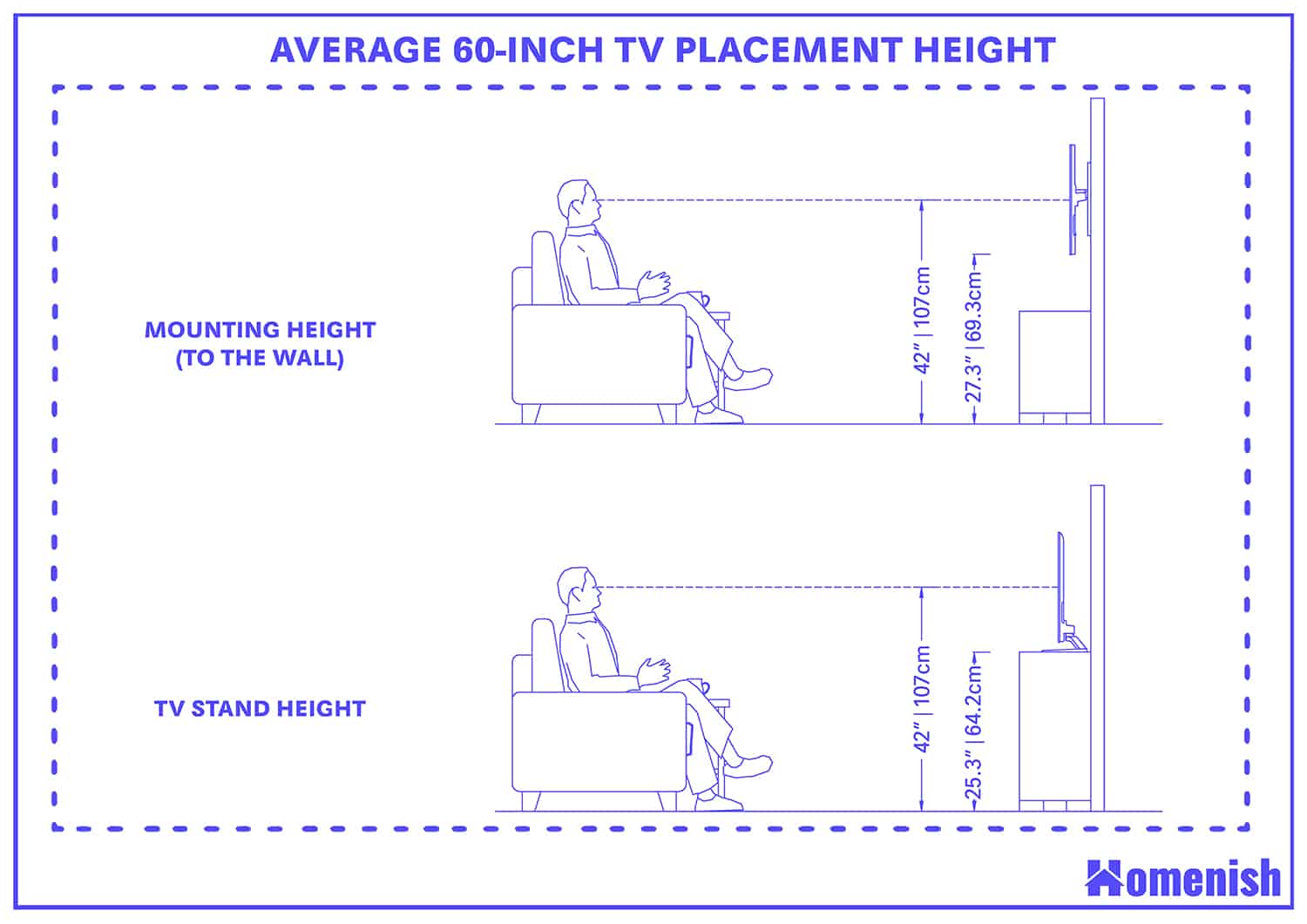
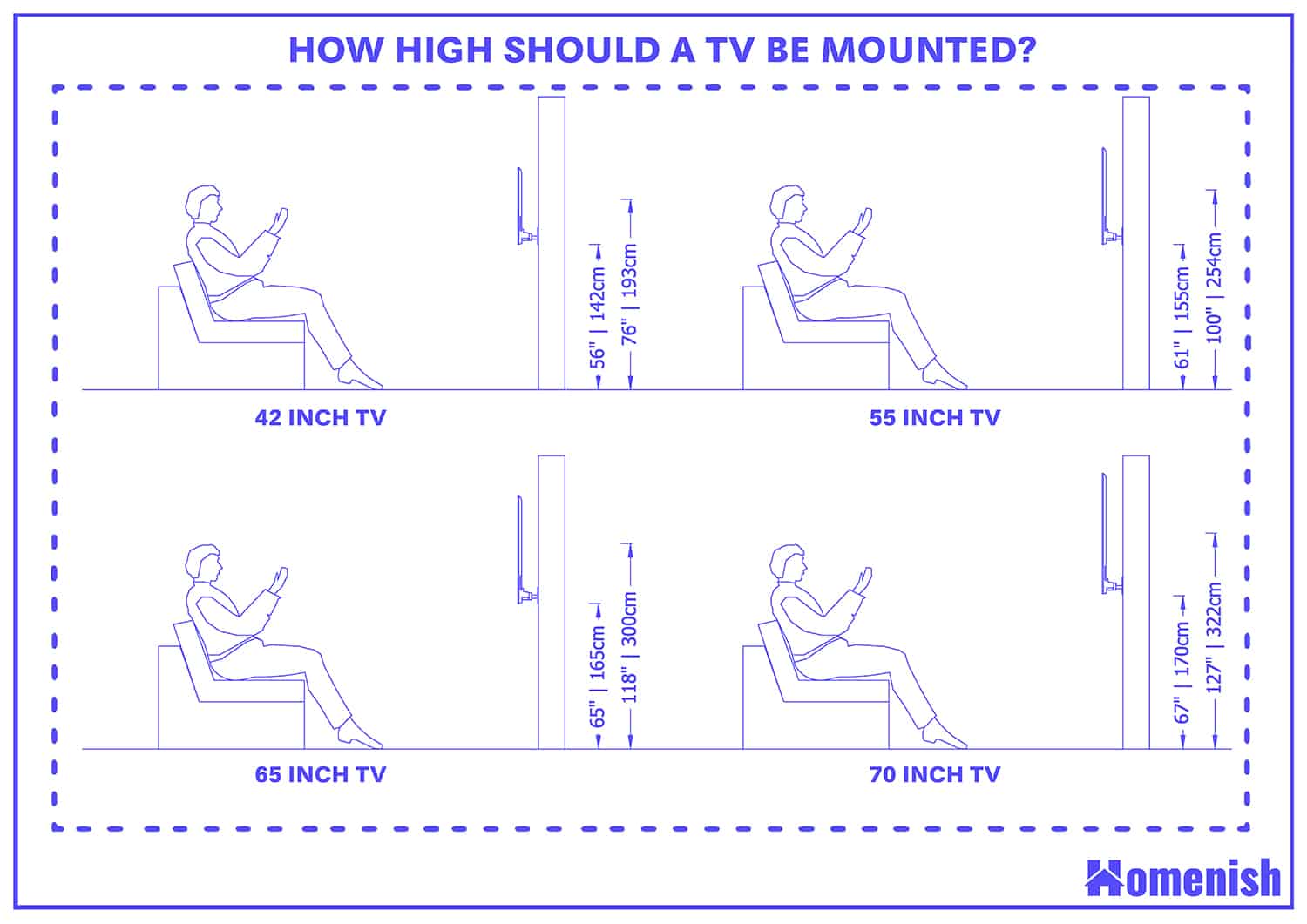
The most common mistake in home theater setup is mounting the TV too high—the "fireplace mantle" syndrome. For the most comfortable viewing experience, your eyes should be level with the bottom third or the middle of the screen when seated.
Given that an 85-inch TV is nearly 43 inches tall, if you mount it so the center is at a standard eye level (roughly 42 inches from the floor), the bottom of the TV will be only about 20 inches from the ground. While this may feel low, it prevents neck strain during long viewing sessions. If you must mount the TV higher (e.g., above a console), ensure you use a tilting mount to angle the screen downward toward the seating area.
Viewing Angles and Panel Types
The type of LED panel affects how the size is perceived from the side.
- VA (Vertical Alignment) Panels: Common in most high-contrast LED TVs. They offer deep blacks but have narrow viewing angles. If you have a wide sectional sofa, people sitting at the ends may see "washed out" colors.
- IPS (In-Plane Switching) / ADS Panels: These offer much wider viewing angles, making the 85-inch screen look great from anywhere in the room, though they often sacrifice some black level depth.
Room Logistics and Installation Planning
Before the delivery truck arrives, you must verify that your environment can accommodate the physical footprint and power requirements of an 85-inch monster.
Furniture Compatibility
If you are not wall-mounting, your TV stand needs to be exceptionally wide. While some 85-inch TVs use a central pedestal, most use "wide-set" feet located near the edges of the frame. This requires a media console that is at least 72 to 76 inches wide. Furthermore, ensure the furniture is rated for a 120-pound load capacity. Many flat-pack furniture options are only rated for 75–90 pounds and may sag or collapse over time under the weight of an 85-inch display.
Glare and Lighting
A screen of this size acts like a giant black mirror when turned off. In a room with many windows, the surface area available to catch reflections is massive. When planning the layout, avoid placing the TV directly opposite south-facing windows. In 2026, many premium Mini-LED models feature anti-reflective coatings (like Samsung’s "Glance-Free" or Sony’s "X-Anti Reflection"), but these are more effective at diffusing light than eliminating it. Controlled lighting with dimmable LEDs or blackout curtains is highly recommended for an 85-inch setup.
Cable Management and Power
Large TVs consume significant power, often between 250 and 450 watts depending on brightness settings and HDR usage. Ensure your power strip is rated for high-wattage electronics. Additionally, because the TV is so wide, your HDMI cables need to be longer than usual. If your media player or gaming console sits at one end of a 75-inch wide stand and the HDMI ports are on the opposite side of the TV, a standard 3-foot cable will not reach. Opt for 6-foot or 10-foot Ultra High Speed (HDMI 2.1) cables to ensure flexibility.
Frequently Asked Questions
Can I mount an 85-inch TV on a drywall-only wall?
No. You should never mount a TV of this size and weight into drywall alone using toggles or anchors. The weight and the leverage of the screen require the mount to be screwed directly into wooden or metal studs. If your studs do not align with your preferred TV placement, you should install a plywood backer board that spans multiple studs and then attach the TV mount to that board.
Is an 85-inch TV too big for a small room?
Not necessarily, provided you have 4K or 8K resolution. In a small room, an 85-inch TV provides a "cinema-like" field of view that fills your peripheral vision. The main constraint is the physical width of the wall and the heat the unit generates. If you can sit at least 7 feet away, the "immersion" factor is generally a positive experience rather than an overwhelming one.
How much wider is an 85-inch TV than a 75-inch TV?
While it sounds like only a 10-inch difference, the surface area increase is significant. An 85-inch TV is roughly 9 inches wider and 5 inches taller than a 75-inch model. This results in approximately 28% more screen area, which is why the jump from 75 to 85 inches feels much more dramatic than the jump from 55 to 65 inches.
Do I need a special HDMI cable for an 85-inch TV?
The size of the TV doesn't dictate the cable, but the resolution and refresh rate do. Since almost all 85-inch TVs in 2026 are 4K/120Hz or 8K/60Hz, you need an HDMI 2.1 "Ultra High Speed" cable (48Gbps) to utilize features like Variable Refresh Rate (VRR) and Auto Low Latency Mode (ALLM), especially for gaming.
What is the average power consumption of an 85-inch LED?
In 2026, energy efficiency has improved, but these large panels still require significant energy. Expect an 85-inch LED to use between 150W (in Power Saving mode) and 450W (in Peak HDR mode). Over a year of typical use, this can add a noticeable amount to your electricity bill compared to a 55-inch model.
Final Recommendations for Buyers
When integrating an 85-inch LED TV into your home, prioritize structural safety above all else. Verify your wall stud locations before purchase and select a mount with a high load-bearing safety margin.
For the best visual results, aim for a seating distance of 9 feet and ensure the TV's vertical center is as close to eye level as your room layout allows. If you are debating between a 75-inch and an 85-inch model, measure your wall width; if you have at least 80 inches of horizontal space, the 85-inch will provide a significantly more cinematic experience that justifies the extra space and weight requirements.