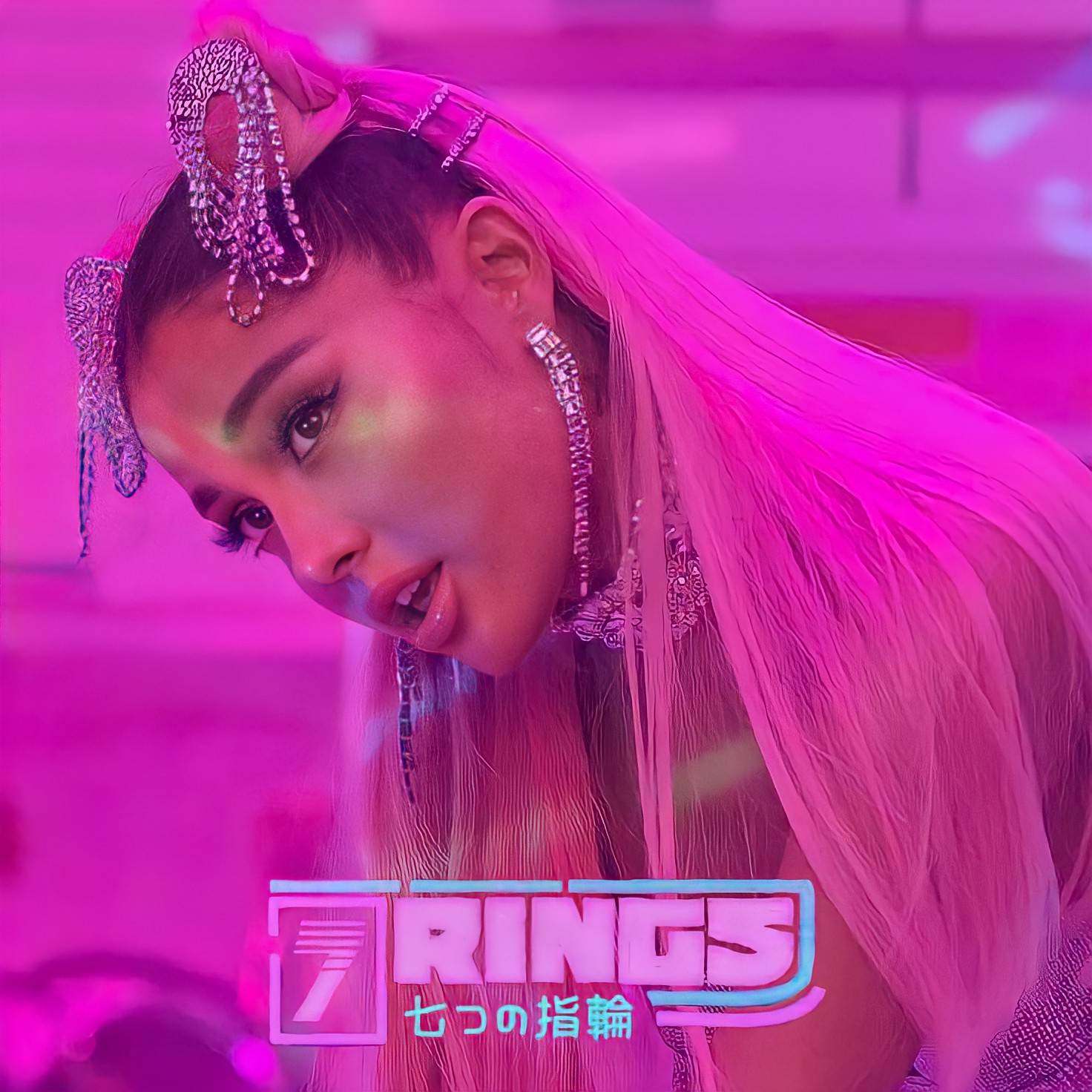
"7 rings," released in January 2019 as the second single from Ariana Grande’s fifth studio album, thank u, next, is a definitive trap-pop anthem that redefined Grande's career trajectory. The song famously interpolates Rodgers and Hammerstein’s "My Favorite Things," blending classic showtune melodies with heavy 808 bass and themes of retail therapy, female empowerment, and financial independence. It debuted at number one on the Billboard Hot 100 and remains one of the most successful digital singles in music history.
The Origin Story: From Tiffany & Co. to a Global Hit
The narrative behind "7 rings" is rooted in a specific personal moment for Ariana Grande following a highly publicized and difficult year in 2018. Following her breakup with Pete Davidson and the passing of Mac Miller, Grande sought solace in her close circle of friends. The "7 rings" concept was born during a trip to Tiffany & Co. in New York City.
As Grande later explained in various interviews and social media posts, the group had "too much champagne," leading her to purchase seven engagement rings for herself and six of her closest friends: Tayla Parx, Victoria Monét, Njomza, Courtney Chipolone, Alexa Luria, and Kaydence. What started as a gesture of friendship and "retail therapy" quickly evolved into a studio session. The friends mentioned are not just companions but are largely credited as co-writers on the track, making the song a literal manifestation of the bond it describes.
In the context of 2026, music historians view this as a pivotal moment where Grande pivoted from the traditional "pop princess" archetype to a more autonomous, hip-hop-influenced mogul. The song serves as a manifesto of self-reliance, shifting the focus from romantic longing to the power of personal wealth and platonic support.
Musical Composition and Technical Production
"7 rings" is a masterclass in modern "trap-pop," a genre that blends the melodic sensibilities of Top 40 pop with the rhythmic and sonic hallmarks of Southern hip-hop. Produced by Tommy Brown, Charles Anderson, and Michael Foster, the track is built on a foundation of heavy, distorted 808 kick drums and a minimalist, atmospheric synth arrangement.
The Rodgers and Hammerstein Interpolation
The most recognizable element of the song is its use of "My Favorite Things" from The Sound of Music. Grande uses the same melodic structure for the verses but replaces the lyrics about "raindrops on roses" with luxury items like "diamonds" and "ATM machines."
From a business and technical standpoint, this interpolation was a massive undertaking. To secure the rights to use the melody, Grande’s team reportedly agreed to a deal where 90% of the song’s performance royalties go to the estate of Rodgers and Hammerstein. While this might seem like a disadvantageous split, the massive commercial success of the track ensured that the remaining 10%—and the associated touring and branding revenue—was still astronomical.
Vocal Delivery and Cadence
Grande’s vocal performance in "7 rings" departs from her signature high-octane "belting." Instead, she adopts a rhythmic, almost "sing-song" rap cadence. This stylistic choice was influenced by the contemporary rap scene, specifically the "Migos flow" or "triplet flow." By keeping the vocals in a lower, more conversational register during the verses, the "I want it, I got it" hook becomes more infectious and authoritative.
Lyrical Themes: Materialism vs. Empowerment
At its surface, "7 rings" is an unapologetic celebration of materialism. Lyrics like "Whoever said money can't solve your problems / Must not have had enough money to solve 'em" sparked significant debate upon release. However, within the broader context of Grande’s discography and the thank u, next era, the song functions as an anthem of "reclaiming one's time" and agency.
Financial Independence
For a female artist in a historically male-dominated industry, "7 rings" represents a subversion of the "trophy wife" or "sugar baby" tropes. Grande isn't asking for gifts; she is buying them for herself and her "squad." This theme of financial autonomy resonated deeply with her Gen Z and Millennial audience, who viewed the song as a soundtrack for self-made success.
Emotional Resilience
The song acts as a shield against the trauma Grande faced in the preceding years. By focusing on tangible luxuries and the loyalty of her friends, the lyrics suggest a form of healing through excess. While some critics argued it promoted shallow consumerism, fans interpreted it as a "flex" of survival—showing the world that despite her hardships, she remained at the top of her game.
Legal and Artistic Controversies
The path to the top of the charts was not without significant legal and ethical hurdles. "7 rings" became a lightning rod for discussions regarding cultural appropriation and intellectual property in the digital age.
Plagiarism Accusations
Several artists claimed that "7 rings" borrowed too heavily from their work without credit.
- Princess Nokia: The rapper pointed out similarities between "7 rings" and her track "Mine," specifically the lyrics about "I bought it" in relation to hair.
- Soulja Boy: He claimed the cadence of the song mimicked his hit "Pretty Boy Swag."
- 2 Chainz: Initial comparisons were made to his "Spend It" video, specifically the "pink house" aesthetic. Grande eventually collaborated with 2 Chainz on a remix, effectively resolving the tension.
- Josh Stone (DOT): In 2020, songwriter Josh Stone filed a lawsuit claiming "7 rings" infringed on his 2017 song "You Need It, I Got It." The lawsuit highlighted the identical hook phrase.
Cultural Appropriation and "Blackfishing"
The song also faced criticism for its heavy use of African American Vernacular English (AAVE) and its adoption of "trap" aesthetics by a white-passing artist. Critics argued that Grande was "trying on" Black culture to boost her "cool factor" and commercial appeal. This debate followed Grande for several years, leading to a more nuanced public discussion about how pop stars navigate genre boundaries and cultural influences.
Comparative Analysis of Influences
To understand the technical and creative DNA of "7 rings," it is helpful to look at how it compares to its primary inspirations and the tracks it was accused of imitating.
| Feature | "7 rings" (Ariana Grande) | "My Favorite Things" (Sound of Music) | "Mine" (Princess Nokia) |
|---|---|---|---|
| Primary Genre | Trap-Pop | Showtune / Jazz Standard | Alt-Hip Hop |
| Melodic Hook | Interpolated from Rodgers & Hammerstein | Original Composition | Original Composition |
| Key Theme | Wealth, Friendship, Agency | Comfort in simple things | Cultural identity and hair |
| Production Style | Heavy 808s, Dark Synths | Orchestral / Acoustic | Minimalist Hip Hop |
| Vocal Style | Rhythmic Rap-Singing | Traditional Soprano | Melodic Rap |
| Royalty Split | 90% to R&H Estate | N/A (Original) | N/A |
Commercial Performance and Industry Legacy
"7 rings" was a record-breaking juggernaut. It debuted at number one on the Billboard Hot 100, making Grande one of the few artists to have multiple songs debut at the top spot. It held the number one position for eight non-consecutive weeks.
Global Streaming Dominance
Upon its release, "7 rings" shattered the 24-hour streaming record on Spotify, garnering nearly 15 million streams in a single day. This demonstrated the immense power of Grande's fan base (the "Arianators") and the effective "hype" campaign orchestrated through social media "Easter eggs."
The "Thank U, Next" Era
The success of "7 rings," alongside the title track "thank u, next" and "break up with your girlfriend, i'm bored," led to Grande becoming the first solo artist to occupy the entire top three spots of the Billboard Hot 100 simultaneously—a feat previously only achieved by The Beatles in 1964. This solidified her status as the definitive pop star of the late 2010s.
The Visual Identity: The Music Video
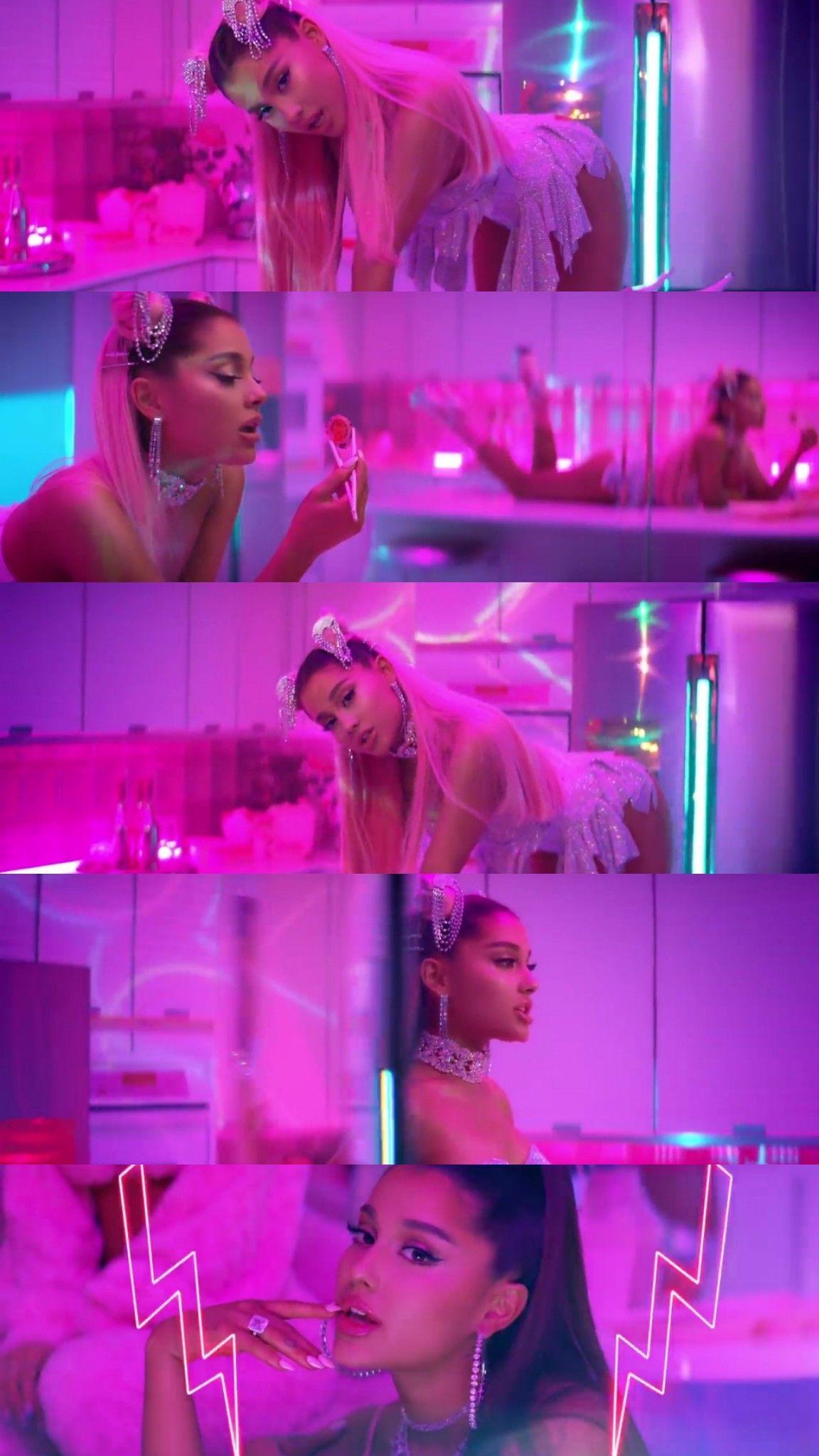
The music video for "7 rings," directed by Hannah Lux Davis, was instrumental in the song's success. It features a lush, neon-pink aesthetic, a "party at a mansion" theme, and appearances by the actual friends for whom the rings were purchased.
The video serves as a visual representation of the "lavender and pink" era of Grande's career. It emphasizes the "squad" dynamic and features high-fashion streetwear, graffiti-covered luxury cars, and a "champagne tower" that became an iconic GIF on social media. Technically, the video used high-saturation color grading to create a dreamlike, almost surreal environment that matched the "trap-lullaby" feel of the music.
Frequently Asked Questions
Why did Ariana Grande buy 7 rings?
After a particularly difficult emotional period in 2018, Grande went to Tiffany & Co. with six of her best friends. While drinking champagne, she impulsively bought diamond engagement rings for all of them as a symbol of friendship and independence, rather than waiting for a romantic partner to buy one for her.
Is "7 rings" a cover of "My Favorite Things"?
No, it is not a cover. It is an "interpolation." This means the songwriters took the melody of the original song and re-recorded it with new lyrics and a different musical arrangement (trap beats). Because the melody is used, the original composers (Rodgers and Hammerstein) must be credited and paid.
Who are the "7 rings" friends?
The rings were purchased for Ariana Grande, Tayla Parx, Victoria Monét, Njomza, Courtney Chipolone, Alexa Luria, and Kaydence. Most of these women are also credited as songwriters or creative collaborators on the thank u, next album.
Did Ariana Grande get sued for "7 rings"?
Yes, she faced multiple legal challenges. The most prominent was a lawsuit by Josh Stone (DOT), who claimed the hook "I want it, I got it" was taken from his song. Additionally, she reached a settlement/agreement with 2 Chainz and gave 90% of the royalties to the Rodgers and Hammerstein estate to avoid copyright issues with the melody.
What is the "Japanese BBQ" tattoo controversy?
To celebrate the song, Grande attempted to get "7 rings" tattooed on her palm in Japanese Kanji (七輪). However, the characters together actually translated to "shichirin," which is a small Japanese charcoal grill or BBQ. She later tried to fix it, but it remains a famous example of a celebrity tattoo mishap.
Practical Recommendation for Listeners and Creators
For those analyzing "7 rings" from a creative or professional standpoint, the song serves as a vital case study in brand evolution and strategic sampling.
If you are a music creator, "7 rings" demonstrates that while sampling or interpolating a famous melody can provide instant familiarity and "hit potential," it comes with significant legal and financial costs. Always ensure that licensing is handled prior to release, especially when dealing with high-profile estates like Rodgers and Hammerstein.
For listeners, "7 rings" is best understood not as a literal guide to spending, but as a symbolic anthem of resilience. In 2026, it remains a staple of pop culture, representing a moment where a global superstar took control of her narrative by turning personal pain into a collective "flex" for herself and her friends.