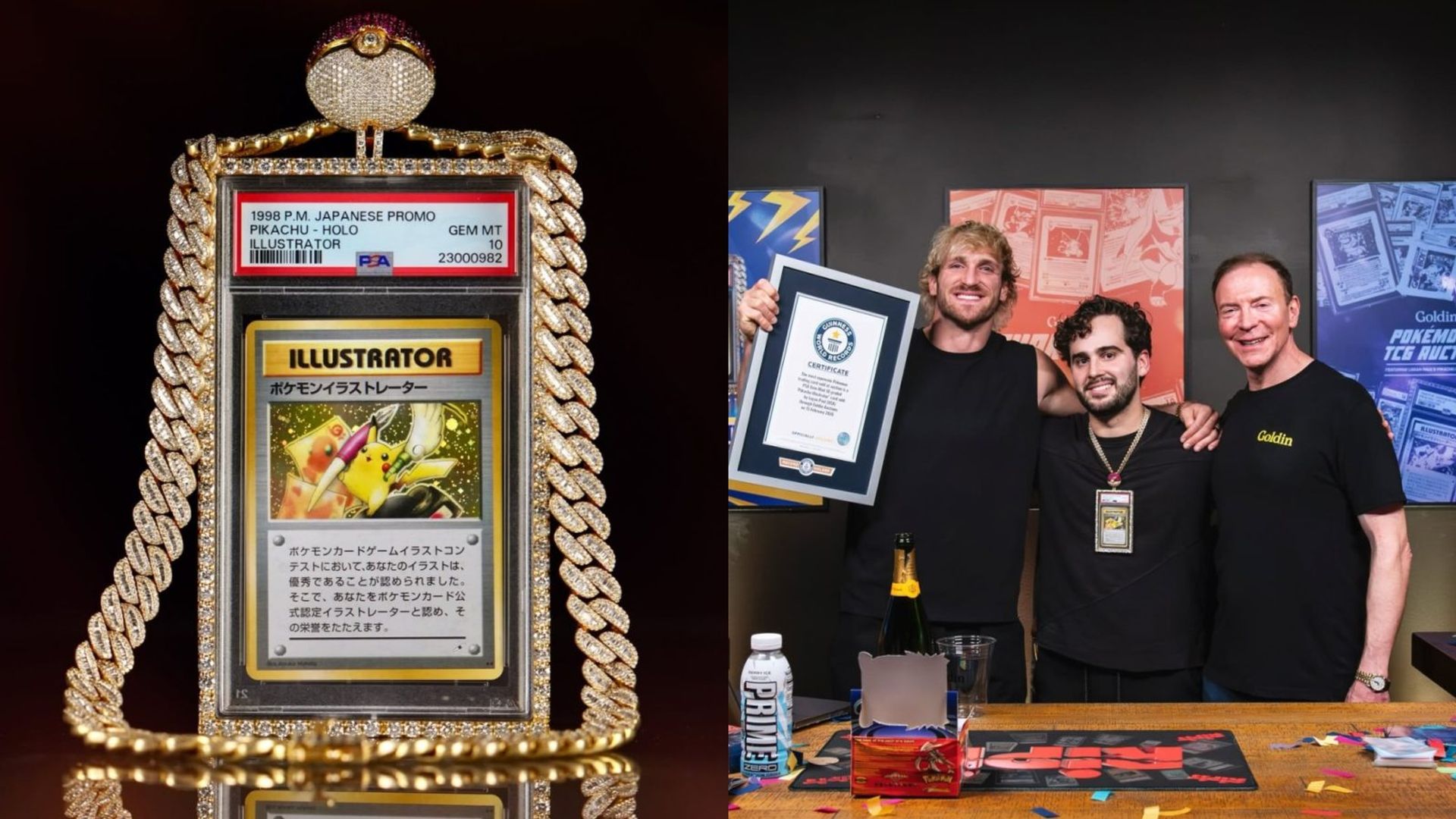
The $5 million purchase of a PSA 10 Pikachu Illustrator card by Logan Paul represents the most significant valuation milestone in the modern history of Pokémon collecting. This high-profile transaction, which took place in July 2021, transformed a niche hobby into a mainstream alternative asset class. The purchase underscored the unprecedented market explosion for vintage trading cards during the early 2020s.
The Context of the $5 Million Acquisition
To understand the magnitude of this transaction, one must consider the status of the Pokémon Trading Card Game (TCG) market leading into 2021. Throughout 2020, as global circumstances shifted, the hobby saw an unprecedented influx of capital. Nostalgic collectors, investors looking for non-traditional assets, and high-profile influencers converged on a market that had previously operated with far lower barriers to entry.
Logan Paul, already a prominent figure in the hobby due to his publicized box breaks and base set auctions, sought to acquire the "Holy Grail" of Pokémon cards. The Pikachu Illustrator, often referred to as the "Illustrator Pikachu," is widely regarded as the rarest and most desirable card in existence. Created in 1998 as a prize for the CoroCoro Comic Illustration Contest, only a small number of these cards were ever distributed.
The specific card acquired by Paul was unique not only for its grade but for its pedigree. It was the only known copy to be professionally graded as a PSA 10 by Professional Sports Authenticator (PSA), the industry standard for card grading. The $5.275 million price tag was reached through a private sale that included the card itself valued at $4 million and an additional cash payment of $1.275 million. This deal eventually earned Paul a Guinness World Record for the most expensive Pokémon trading card sold at a private sale.
The Role of Grading in High-Value Transactions
The valuation of a card at the million-dollar level is inextricably linked to the grading process. Grading is the mechanism by which cards are authenticated and their physical condition assessed on a scale from 1 to 10. For high-end investors, the difference between a PSA 9 and a PSA 10 is not merely aesthetic—it is the difference between a high-value asset and a generational treasure.
In the case of the Illustrator Pikachu, the PSA 10 grade acted as the primary driver of value. By confirming that the card was in "Gem Mint" condition, the grader provided the necessary assurance for a multi-million dollar transaction to occur. The slab—the tamper-evident, sonically sealed plastic holder used by PSA—serves as both a physical protective barrier and a certificate of legitimacy.
For the serious collector, the process involves three critical pillars:
- Authentication: Determining that the card is an original 1998 print, not a later reprint or a high-quality counterfeit.
- Condition Assessment: Evaluating the four corners, edges, surface, and centering of the card under magnification.
- Market Liquidity: The existence of a verified grade allows the card to be tracked within databases and insurance registers, which is a prerequisite for assets of this monetary magnitude.
Market Impact and the "Logan Paul Effect"
The visibility of this purchase sparked a long-term shift in how trading cards are perceived. Before 2021, trading cards were largely viewed through the lens of childhood sentimentality or localized hobbyist communities. The $5 million purchase forced financial analysts and traditional asset managers to take note of the Pokémon TCG.
This event triggered several notable market behaviors:
- The Rise of Alternative Assets: Trading cards began to be discussed alongside fine art, vintage wine, and classic automobiles as "passion assets."
- Increased Scrutiny: With high prices came higher risks. The secondary market saw an influx of sophisticated forgery attempts, leading to a tightening of security measures by major grading companies.
- Mainstream Media Coverage: The purchase served as a catalyst for mainstream media, including television networks and major financial publications, to feature Pokémon card collecting as a legitimate investment strategy.
However, this rapid appreciation also created barriers to entry for long-time collectors. As prices for "blue-chip" cards—those with historical significance and low populations—skyrocketed, the hobby became inaccessible to the average fan, leading to a bifurcation in the market between high-end investors and the wider base of players and casual collectors.
Comparative Market Benchmarks
To understand how a $5 million price tag sits in the landscape of high-end collectibles, it is helpful to compare it against other significant trading card benchmarks. While the Pikachu Illustrator holds the record for Pokémon, other trading cards have reached similar heights, though usually within the sports card category.
| Asset Type | Item | Estimated/Confirmed Value |
|---|---|---|
| Pokémon | Pikachu Illustrator (PSA 10) | $5,275,000 |
| Baseball | 1909 T206 Honus Wagner | $6,600,000+ |
| Basketball | 2009 Steph Curry Rookie (BGS 10) | $5,900,000 |
| Pokémon | 1999 Base Set Charizard (PSA 10) | $400,000+ |
As shown above, while the Pikachu Illustrator remains the king of the Pokémon world, sports cards generally maintain a higher ceiling due to a longer history of investment and a larger global collector base. The $5 million valuation for the Illustrator was a milestone that signaled Pokémon had reached "parity" with other classic collectibles.
Risks and Operational Considerations
Investing at this level involves significant risk factors that differ substantially from traditional equity or bond investments. Collectors looking to emulate or understand these transactions must account for the following:
Storage and Insurance
A card worth millions cannot simply be stored in a home office. It requires a climate-controlled, high-security facility. Furthermore, standard homeowners' insurance policies generally exclude collectibles of this value. Specialized "Fine Arts and Collectibles" insurance is mandatory, and premiums are often calculated based on a percentage of the total insured value, requiring professional appraisals updated annually.
Market Volatility
The trading card market is highly susceptible to "hype cycles." Prices can be driven by influencer behavior, social media trends, and economic liquidity. When liquidity tightens in the broader economy, speculative assets like luxury collectibles are often the first to experience price corrections.
The "Gem Mint" Bottleneck
The value is heavily concentrated in the PSA 10 grade. If a card is graded as a 9, its value can drop by an order of magnitude. Collectors must be aware that the difference between a "Near Mint" card and a "Gem Mint" card is often invisible to the naked eye but catastrophic to the item’s resale value.
Frequently Asked Questions
1. Is the Pikachu Illustrator the most expensive card currently in existence?
While it holds the record for a Pokémon card, it does not hold the all-time record for any trading card. Certain rare baseball cards, such as the T206 Honus Wagner, have sold for higher amounts. The value of cards is fluid and depends on private treaty sales, which are not always publicly disclosed.
2. Does the $5 million price tag apply to all Pikachu Illustrator cards?
No. The $5 million price applies specifically to the PSA 10 copy Logan Paul purchased. Most Illustrator cards exist in lower grades, and many are raw (ungraded). The value of a raw copy or a lower-graded copy is significantly lower than the record-setting PSA 10 specimen.
3. How do I verify if a card is an authentic PSA 10?
All PSA-graded cards have a unique certification number on the label. This number can be entered into the official PSA "Cert Verification" online portal. This database allows you to confirm the exact description of the card, the date it was graded, and whether the serial number matches the holder you are viewing.
4. Is the Pokémon market still growing as of 2026?
The market has entered a period of maturation. While the extreme volatility of 2020 and 2021 has leveled off, "blue-chip" vintage cards—those with historical significance—continue to hold value as stable, long-term assets. The hobby has shifted from speculative "flipping" toward long-term preservation and collection management.
5. What makes the Pikachu Illustrator so special compared to a Charizard?
The Charizard is iconic because of its popularity in the game and the original TV show. However, the Pikachu Illustrator is a "trophy card." It was never sold in packs; it was awarded to contest winners. Because its original distribution was extremely limited and connected to the history of the Pokémon brand's origin, it possesses a historical scarcity that a booster-pack card cannot replicate.
Next Actions for Prospective Collectors
If you are interested in the high-end trading card market, the best first step is to focus on education rather than acquisition. Before committing significant capital:
- Utilize Verification Tools: Familiarize yourself with the PSA, BGS (Beckett Grading Services), and CGC (Certified Guaranty Company) population reports. Understanding how many copies of a card exist is crucial to understanding its value.
- Monitor Auction Data: Instead of relying on social media rumors, track realized prices on reputable auction houses and platforms that report private sales.
- Consult with Professionals: If you are considering a purchase in the tens of thousands of dollars or higher, consult with an independent professional appraiser who specializes in pop-culture collectibles.
- Prioritize Condition: Remember that in the world of high-end collectibles, condition is the primary determinant of value. Do not compromise on the grade for an investment-grade asset.
The $5 million purchase of the Pikachu Illustrator serves as a landmark event that defined the era of institutional-grade trading card collecting. While most collectors will never transact at that level, the principles of scarcity, authentication, and preservation established by that deal remain the gold standard for anyone participating in the hobby today.