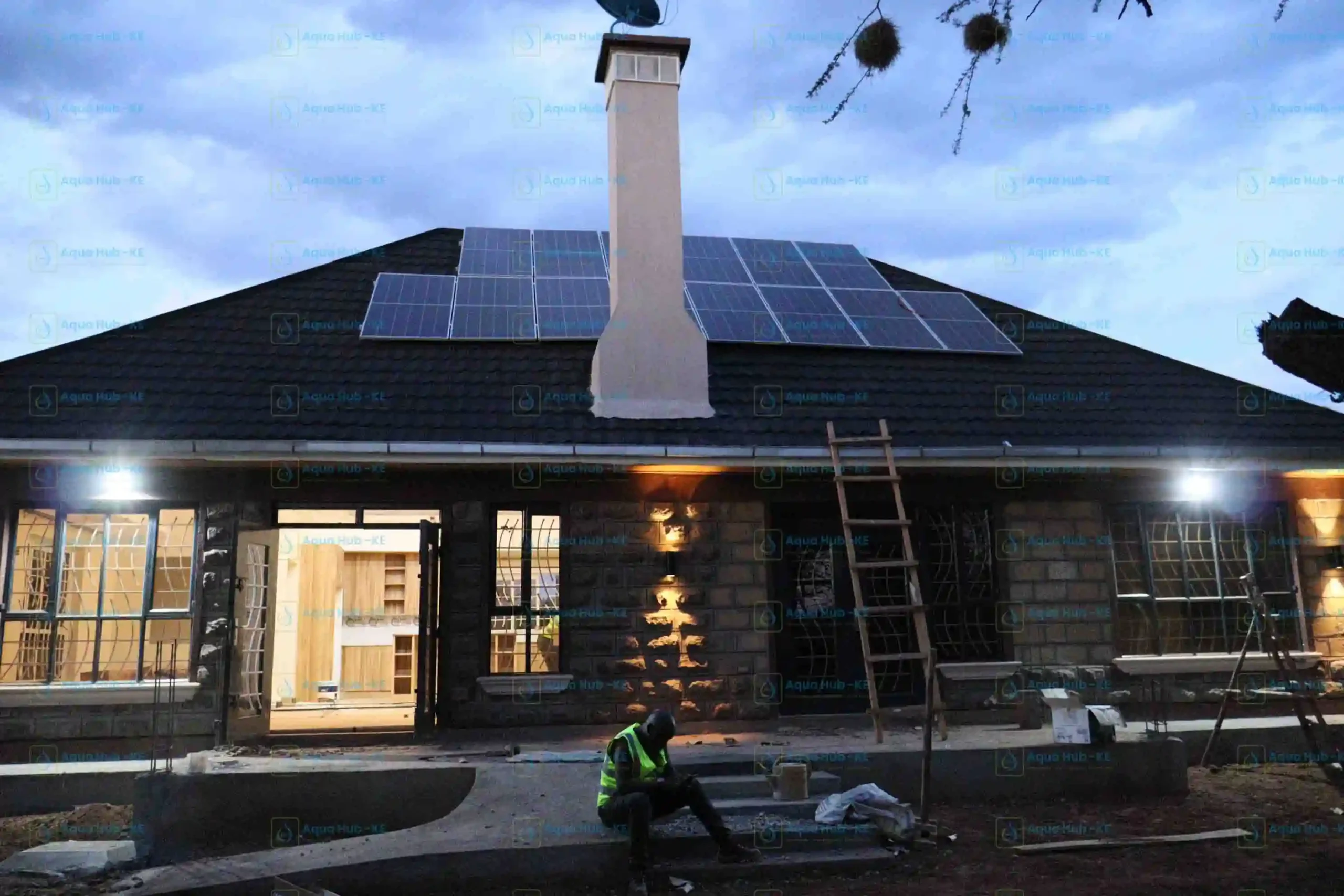
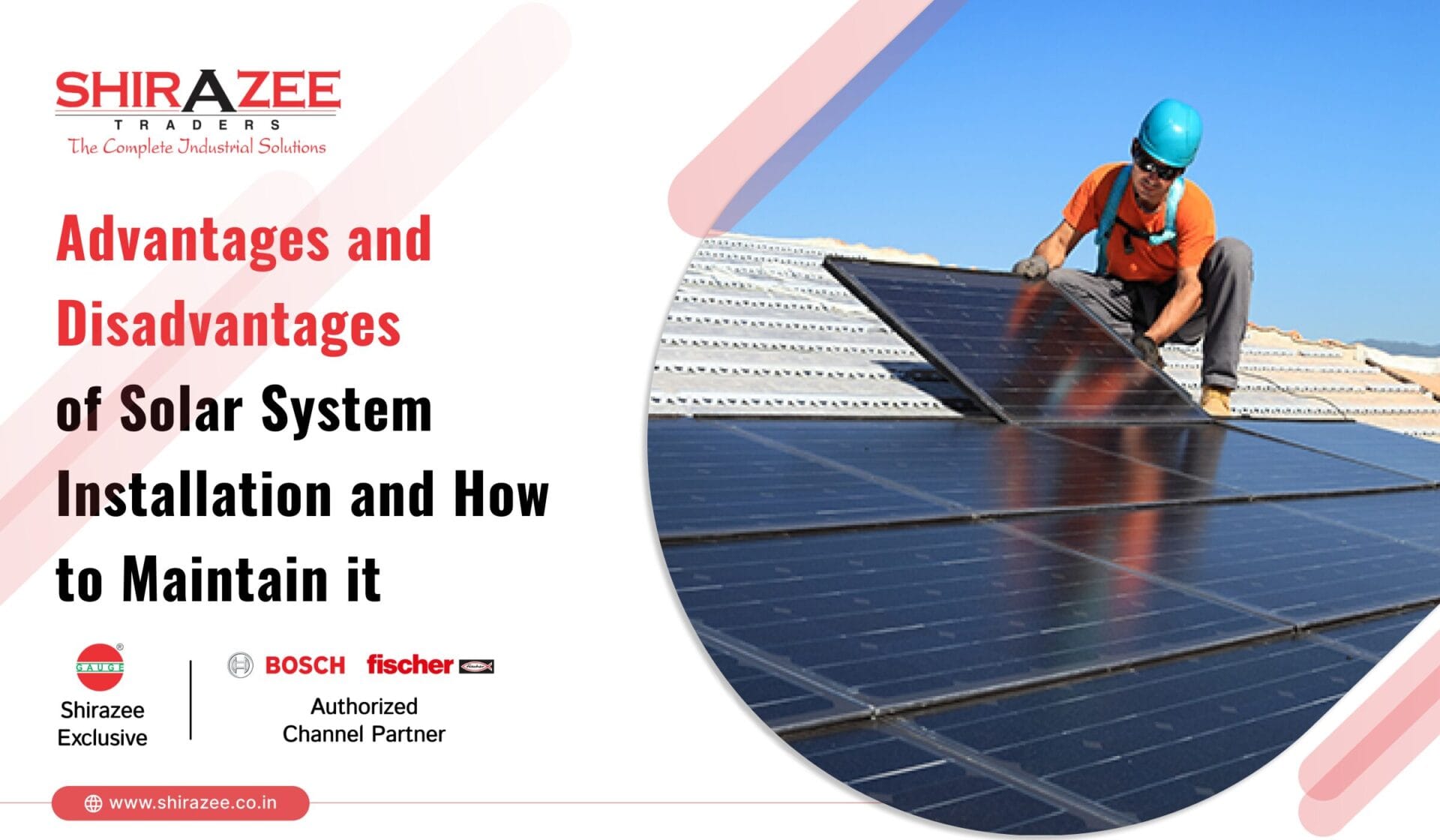
A 5-kilowatt (kW) solar system is a residential renewable energy setup designed to generate an average of 20 kilowatt-hours (kWh) of electricity daily, depending on geographic location, weather, and roof orientation. The installation process involves structural assessments, electrical engineering approvals, physical panel mounting, inverter integration, and utility grid interconnection, requiring careful evaluation of upfront costs, roof space, energy consumption profiles, and local regulations.
Understanding a 5-Kilowatt Solar System
When evaluating a residential photovoltaic (PV) setup, understanding the scale and generation capacity of the hardware is essential. A 5 kW system typically consists of 12 to 16 individual solar panels, depending on the wattage rating of each module (usually ranging from 300W to 400W per panel).
The designation "5 kW" refers to the peak power output capacity of the system under Standard Test Conditions (STC). It does not mean the system produces 5 kWh every hour of the day. Actual generation depends heavily on peak sun hours, panel tilt, shading, and temperature coefficients. In a region receiving an average of four to five peak sun hours daily, a 5 kW array will yield roughly 20 to 25 kWh of electrical energy per day, making it a suitable choice for small to medium-sized households with modest monthly electricity consumption.
Pre-Installation Site Assessment and Engineering Prerequisites
Before any hardware is mounted, a comprehensive site assessment must be performed by a qualified solar installer or structural engineer. Skipping this preliminary phase can lead to costly structural failures, code violations, or inefficient energy production.
Roof Condition and Structural Integrity
Solar panels add significant dead load and wind load to a residential roof. A standard 5 kW system weighs between 400 and 600 pounds, distributed across approximately 250 to 350 square feet of surface area.
- Material Inspection: Shingle, tile, metal, and flat roofs each require specific mounting hardware and waterproofing techniques. Asphalt shingle roofs are generally the easiest and least expensive to penetrate and seal, whereas tile roofs require specialized hooks or removal of tiles around mounts.
- Lifespan Matching: Because solar panels are rated to last 25 to 30 years, any roof nearing the end of its functional lifespan must be replaced before solar installation. Dismantling a solar array to re-roof later incurs substantial labor costs.
- Load Calculations: An engineer must verify that the roof trusses and rafters can support the added weight, especially in regions prone to heavy winter snow loads or high wind zones.
Shading and Orientation Analysis
Maximizing energy yield requires optimal solar geometry:
- Azimuth and Tilt: In the Northern Hemisphere, panels ideally face true south at a tilt angle roughly equal to the installation site's latitude. In the Southern Hemisphere, a true north orientation is preferred. East- and west-facing arrays produce roughly 15% to 20% less annual energy but can help shift peak generation times to match household usage patterns.
- Solar Pathfinder / Shade Mapping: Installers use tools like solar pathfinders or digital fisheye cameras to map horizon obstructions such as trees, chimneys, and neighboring buildings. Even partial shading on a single panel can disproportionately reduce the output of an entire string inverter system if bypass diodes are not properly utilized.
Component Selection: Panels, Inverters, and Racking
Selecting high-quality components ensures system longevity, safety, and optimal financial return on investment.
| Component Type | Primary Function | Key Selection Criteria |
|---|---|---|
| Photovoltaic Panels | Convert sunlight into direct current (DC) electricity. | Efficiency rating, temperature coefficient, physical dimensions, and manufacturer warranty (typically 25-year performance). |
| Inverters | Convert DC electricity into alternating current (AC) for home use. | Efficiency, type (string, microinverters, or string with optimizers), monitoring capabilities, and warranty (10–25 years). |
| Racking and Mounting | Securely anchor panels to the roof or ground structure. | Corrosion resistance (aluminum/stainless steel), wind/snow load certifications, and roof penetration flashing methods. |
| Balance of System (BOS) | Wiring, conduit, disconnect switches, and rapid shutdown devices. | Compliance with the National Electrical Code (NEC) or local equivalent standards. |
Inverter Technologies Compared
- String Inverters: All panels are wired in series. While cost-effective, the entire string’s output drops to the level of the lowest-performing panel if shading or debris affects just one module.
- Microinverters: Installed underneath each individual panel, converting DC to AC at the source. This maximizes output independently per panel and provides granular monitoring, though at a higher initial equipment cost.
- Power Optimizers: A hybrid approach where DC optimizers are attached to each panel to condition the power before sending it to a central string inverter.
The Installation Process Step-by-Step
A professional solar installation typically unfolds over several weeks, encompassing administrative approvals and a physical construction phase that often takes just one to three days.
- Permitting and Interconnection Application: The installer submits engineering drawings, electrical schematics, and structural load calculations to local municipal building departments and the local electric utility. Construction cannot legally begin until permits are approved.
- Racking Installation: Technicians locate roof rafters, drill pilot holes, install waterproof flashing mounts, and bolt down aluminum rails to form the structural grid.
- Electrical Wiring and Conduit Runs: DC wiring is routed from the roof array down to the inverter location, integrating rapid shutdown switches and DC disconnects as mandated by electrical safety codes.
- Panel Mounting: Solar modules are hoisted onto the roof and clamped securely onto the aluminum rails using specialized mid-clamps and end-clamps.
- Inverter and Meter Integration: The inverter is mounted near the main electrical service panel, connected to a dedicated AC breaker, and integrated with production meters or monitoring hardware.
- Inspection and Commissioning: A municipal building inspector and a utility representative inspect the installation to verify compliance with local codes and safety regulations. Once approved, the utility swaps the standard electric meter for a net meter, and the system is powered on.
Financial Considerations, Costs, and Incentives
Investing in a 5 kW solar system requires analyzing upfront capital expenditures against long-term energy savings and available government incentives.
Cost Breakdown
The total cost of a 5 kW solar installation varies by region, labor rates, and equipment tier. On average, residential solar installations cost between $2.80 and $3.50 per watt before incentives, placing a 5 kW system in the range of $14,000 to $17,500 gross cost.
Incentives and Rebates
- Tax Credits: In the United States, federal incentives such as the Residential Clean Energy Credit (Section 25D) allow homeowners to deduct a percentage of the total installation cost from their federal taxes.
- State and Local Rebates: Many state governments, municipalities, and electric utilities offer direct cash rebates, Solar Renewable Energy Certificates (SRECs), or performance-based incentives.
- Net Metering: Net metering policies allow system owners to export excess electricity generated during peak daylight hours back to the utility grid in exchange for credits on their monthly utility bills, significantly shortening the payback period.
Operational Considerations, Maintenance, and Safety
Once operational, a 5 kW solar system requires minimal intervention, but routine oversight ensures maximum energy harvest and safety.
Maintenance Requirements
- Cleaning: Rain is usually sufficient to wash away dust and pollen. However, in agricultural areas, regions prone to heavy dust, or low-pitch roofs, manual washing once or twice a year may be necessary to prevent soiling losses.
- Monitoring: Homeowners should regularly check mobile apps or web portals provided by inverter manufacturers to track daily generation and spot sudden drops in production, which can indicate equipment faults or shading issues.
Safety and Disconnection Protocols
Solar arrays produce electricity whenever light strikes the panels. For emergency responders and maintenance technicians, rapid shutdown functionality is a critical safety feature that de-energizes the rooftop array down to safe voltage levels in compliance with modern electrical codes. Homeowners should never attempt DIY electrical repairs or panel removal without professional training.
Common Mistakes to Avoid
- Undersizing the System: Failing to account for future electricity consumption increases, such as purchasing an electric vehicle or installing a heat pump, can render a 5 kW system inadequate.
- Ignoring Utility Interconnection Rules: Beginning installation before receiving official Permission to Operate (PTO) from the utility company can result in fines or forced disconnection.
- Choosing Solely on Price: Selecting the lowest bidder without verifying contractor licensing, equipment quality, and workmanship warranties frequently leads to unaddressed roof leaks and poor customer support.
Frequently Asked Questions
Will a 5 kilowatt solar system completely eliminate my electric bill?
Not necessarily. While a 5 kW system can offset a significant portion or even 100% of an average home's annual energy consumption, monthly utility bills may still include mandatory grid connection fees, taxes, and service charges. Furthermore, if your home consumes more than 20 kWh per day, you will still draw grid power at night or during high-demand periods.
Can a 5 kW solar system power my home during a grid blackout?
Standard grid-tied solar systems automatically shut down during a power outage for safety reasons (anti-islanding protection) to prevent backfeeding electricity into downed utility lines. To maintain backup power during a blackout, you must integrate a dedicated battery energy storage system (such as a home battery) with an automatic transfer switch into your setup.
How much roof space is required for a 5 kW system?
You will typically need between 250 and 350 square feet of unshaded, south- or north-facing roof space. The exact footprint depends on the physical efficiency rating of the chosen solar panels; higher-efficiency panels require slightly less area to achieve the same 5 kW capacity.
What happens to solar panel production on cloudy or rainy days?
Solar panels continue to generate electricity on overcast days, but output drops significantly—often to 10% to 25% of their rated peak capacity. Because photovoltaic cells rely on photons rather than ambient heat, bright, clear winter days can actually yield high efficiency due to cooler operating temperatures.
How long does the installation process take from start to finish?
While the physical installation on your roof usually takes only one to two days, the entire process from initial consultation to final utility grid interconnection generally spans four to eight weeks. This timeline is primarily driven by local municipal permit review times and utility engineering approvals.
Conclusion and Next Actions
Installing a 5-kilowatt solar system is a proven method to reduce utility expenditures, lower carbon emissions, and increase home resilience. To begin your solar project, start by reviewing your past 12 months of utility bills to confirm your average daily kilowatt-hour usage. Next, obtain at least three detailed bids from licensed, certified local solar contractors who can perform an on-site structural audit and design a system tailored to your specific roof orientation and local regulatory environment.