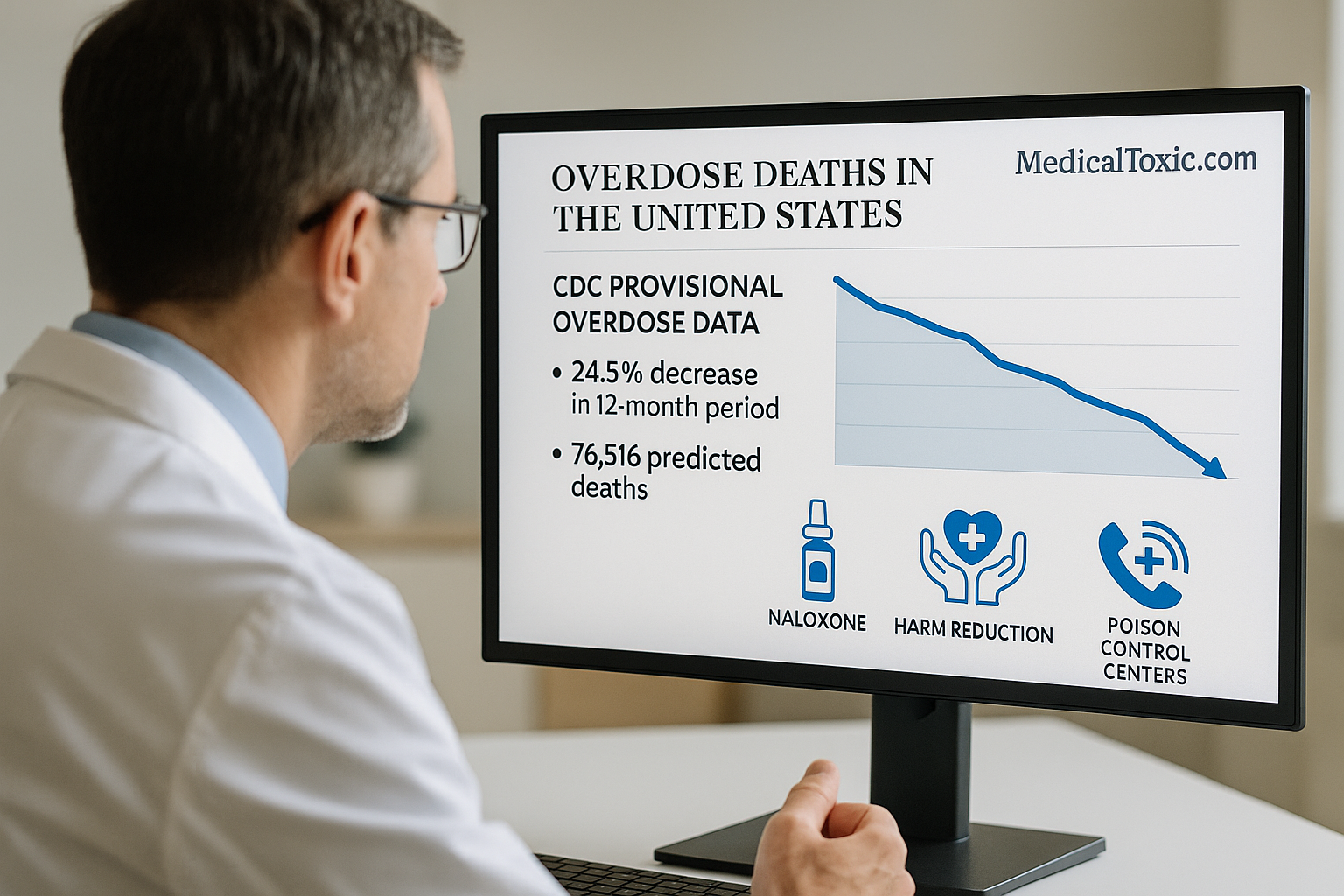
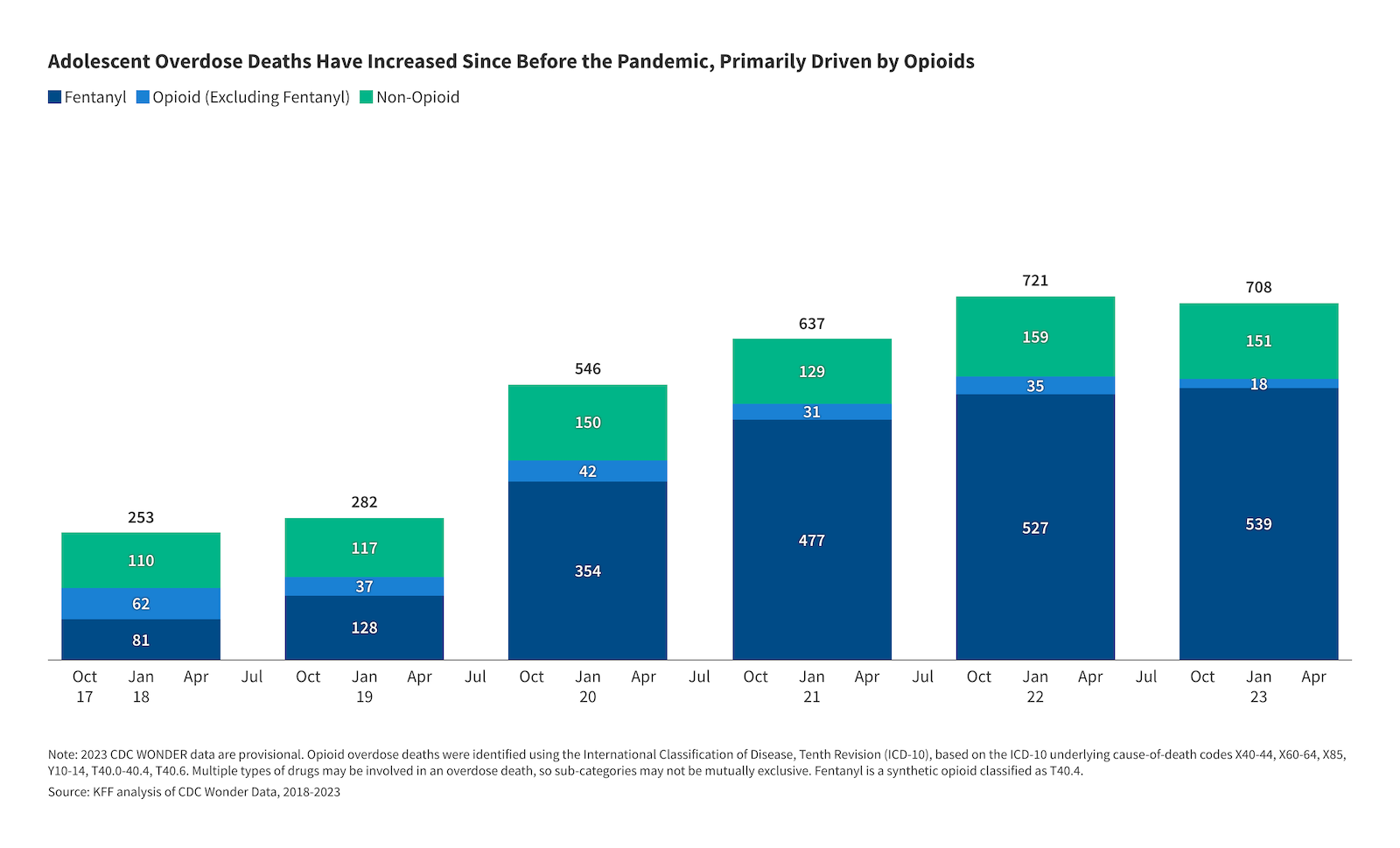
Baltimore continues to navigate the complexities of the public health crisis surrounding substance use, with official health data tracking shifting patterns in drug-related fatalities, demographic impacts, and the distribution of life-saving interventions. Public health analysts, municipal agencies, and community organizations closely monitor these metrics to direct harm reduction resources, shape policy responses, and evaluate the effectiveness of local prevention frameworks.
Understanding the Baltimore Overdose Landscape
Public health surveillance in Baltimore relies on data compiled by the Maryland Department of Health (MDH) and the Baltimore City Health Department (BCHD), alongside federal reporting from agencies like the Centers for Disease Control and Prevention (CDC). These bodies track toxicology reports, emergency medical services (EMS) responses, and hospital admissions to identify emerging shifts in substance use patterns.
The primary driver of fatal and non-fatal overdoses in Baltimore remains the proliferation of synthetic opioids, predominantly illicitly manufactured fentanyl. While historical trends showed surges in heroin use, the modern landscape is dominated by potent synthetic compounds that are frequently mixed into the broader drug supply, often without the user's knowledge. Furthermore, poly-substance use—particularly the dangerous combination of opioids with stimulants like cocaine or psychoactive substances such as xylazine—has added significant complexity to clinical treatments and emergency response protocols.
Evaluating these dynamics requires looking beyond raw numbers to understand how and why specific trends manifest across different communities. The following sections explore five key trends shaping the public health response in Baltimore.
Trend 1: The Pervasiveness of Synthetic Opioids and Adulterants
The defining characteristic of Baltimore's overdose crisis remains the absolute dominance of synthetic opioids. Fentanyl and its analogs have virtually replaced traditional heroin in local street-level markets due to their low production cost, extreme potency, and ease of smuggling.
The Xylazine Factor
In recent years, public health officials have raised alarms over the integration of xylazine—a non-opioid veterinary sedative commonly known as "tranq"—into the local drug supply. Xylazine is frequently co-formulated with fentanyl. Because xylazine is not an opioid, standard reversal medications like naloxone do not reverse its sedative effects, though public health agencies stress that naloxone should still be administered immediately to counteract the accompanying fentanyl overdose. Xylazine use is also clinically associated with severe, necrotic skin ulcerations and soft-tissue wounds that often require specialized medical intervention and complicate standard wound care.
Supply-Side Variability
Street-level drug samples in Baltimore frequently reveal unpredictable combinations of substances. Users rarely know the exact concentration or chemical composition of what they are consuming. This volatility increases the baseline risk of accidental overdose, as tolerance levels can be instantly overwhelmed by a batch with a higher-than-average fentanyl concentration or the presence of unexpected adulterants.
Trend 2: Demographic Shifts and Vulnerable Populations
While the overdose crisis has impacted virtually every corner of Baltimore, epidemiological data reveals distinct demographic shifts over time. Historically, older demographic cohorts—particularly Black males aged 55 and older—have experienced disproportionately high rates of fatal overdoses.
| Demographic Group | Primary Observed Risk Factors | Public Health Focus |
|---|---|---|
| Older Adults (Aged 55+) | Long-term substance use histories, underlying chronic medical conditions, using alone. | Targeted outreach, peer support, housing stability, and cardiac/respiratory health monitoring. |
| Younger Adults (Aged 18–34) | Exposure to unpredictable synthetic mixtures, experimentation with poly-substance use, lower engagement with traditional treatment centers. | Harm reduction education, digital outreach, decentralized distribution of test strips and naloxone. |
| Marginalized Communities | Socioeconomic disparities, housing instability, limited access to primary healthcare infrastructure. | Mobile health clinics, low-barrier access points, community-led intervention programs. |
Public health strategies have had to adapt to these demographic realities. For older adults, interventions increasingly emphasize peer-led support models, addressing social isolation, and integrating overdose prevention with primary healthcare and geriatric support services. For younger populations, strategies focus on meeting individuals within community spaces, utilizing digital health education, and distributing fentanyl and xylazine test strips to promote risk awareness.
Trend 3: Expansion of Harm Reduction and Low-Barrier Access
Harm reduction has transitioned from a marginalized philosophy to a cornerstone of Baltimore’s municipal and community health strategy. Recognizing that absolute abstinence is not an immediate reality for every individual actively using substances, local authorities and non-profit organizations have prioritized keeping people alive through active intervention and risk mitigation tools.
Naloxone Distribution and Training
BCHD, alongside organizations like Baltimore Harm Reduction Coalition, has scaled up community-based distribution of naloxone (Narcan), the opioid antagonist capable of reversing respiratory depression caused by an overdose. Access points now include:
- Public libraries and community centers via automated distribution boxes.
- Mobile health units patrolling high-risk neighborhoods.
- Direct distribution through emergency departments upon discharge.
- Mail-order programs providing free naloxone directly to residents' homes.
Public Health Vending Machines and Test Strips
Baltimore has also integrated innovative distribution models, including public health vending machines that dispense free harm reduction supplies, including sterile syringes, safe smoking kits, naloxone, and fentanyl test strips. Fentanyl test strips allow individuals to check their supply for the presence of synthetic opioids before consumption, serving as a critical behavioral prompt for safer use practices or the presence of a bystander equipped with naloxone.
Trend 4: The Evolution of Treatment Infrastructure and Medication for Addiction Treatment (MAT)
Getting individuals into treatment requires lowering structural and administrative barriers that have historically discouraged engagement. Medication for Addiction Treatment (MAT)—utilizing medications such as buprenorphine, methadone, and naltrexone—remains the clinical gold standard for treating opioid use disorder (OUD).
Low-Barrier Buprenorphine Initiatives
Historically, obtaining buprenorphine required rigorous clinical intake procedures, frequent in-person visits, and strict behavioral compliance. Baltimore healthcare providers have increasingly adopted low-barrier models. These initiatives allow emergency departments, urgent care centers, and mobile clinics to initiate buprenorphine treatment immediately upon patient request, without requiring weeks of waiting periods or complex prior authorizations.
Integration with Emergency Services
Baltimore City Fire Department EMS personnel and mobile crisis response teams play a frontline role in bridging the gap between an emergency medical response and long-term care. Through specialized programs, EMS workers can offer direct referrals, bridge prescriptions for MAT, and connect survivors of non-fatal overdoses with peer recovery specialists who arrive at the scene or follow up within hours of hospital discharge.
Trend 5: Community-Led Advocacy and Local Municipal Policy
Governmental action alone cannot address the multi-layered socio-economic drivers of the crisis. Community-led organizations, grassroots advocacy groups, and faith-based initiatives have fundamentally shaped how Baltimore approaches substance use recovery and prevention.
Peer Recovery Specialists
The integration of Certified Peer Recovery Specialists (CPRS)—individuals with lived experience in recovery who are trained to support others navigating substance use—has transformed clinical and community settings. Peers operate within emergency rooms, shelter systems, and neighborhood outreach teams. Their presence helps build trust, dismantle institutional skepticism, and guide individuals through the complex logistics of entering residential treatment, securing housing, or accessing social services.
Policy and Funding Allocation
Local policymakers direct municipal resources, settlement funds from national opioid litigation, and state grants toward evidence-based prevention and harm reduction. This funding supports permanent supportive housing initiatives, job training programs, and neighborhood-level behavioral health clinics designed to address the root causes of substance use disorder, such as generational poverty, trauma, and housing instability.
(Note: If you or someone you know is struggling with substance use, confidential help is available. You can contact the Substance Abuse and Mental Health Services Administration's SAMHSA National Helpline at 1-800-662-4357, or reach out to local resources in Baltimore such as the Behavioral Health System Baltimore for regional treatment locators and immediate crisis support.)
Frequently Asked Questions
What makes synthetic opioids like fentanyl so dangerous in Baltimore?
Synthetic opioids are significantly more potent than traditional heroin, meaning a microscopic variance in dosing can lead to fatal respiratory depression. Additionally, illicit manufacturers frequently lace other drugs (such as cocaine or counterfeit prescription pills) with fentanyl without the user's knowledge, resulting in accidental exposure and sudden overdose.
Does naloxone work on xylazine-contaminated overdoses?
Naloxone does not reverse the specific effects of xylazine because xylazine is a sedative rather than an opioid. However, because xylazine is almost always co-formulated with fentanyl, naloxone must still be administered immediately to reverse the life-threatening opioid-induced respiratory depression. Emergency medical help should be called immediately.
What is Medication for Addiction Treatment (MAT)?
MAT is an evidence-based approach that combines FDA-approved medications (such as buprenorphine, methadone, or naltrexone) with counseling and behavioral therapies. It helps normalize brain chemistry, block the euphoric effects of opioids, relieve physiological cravings, and reduce the risk of fatal overdose.
How can Baltimore residents access free naloxone or fentanyl test strips?
Residents can obtain free naloxone, fentanyl test strips, and other harm reduction supplies through local health department distribution sites, public health vending machines, community-based organizations like the Baltimore Harm Reduction Coalition, or by utilizing state-sponsored mail-order distribution programs.
What role do peer recovery specialists play in Baltimore's response?
Certified Peer Recovery Specialists are individuals with lived experience in substance use recovery who work directly within hospitals, emergency response teams, and community centers. They provide empathetic guidance, help individuals navigate treatment options, and offer vital encouragement during the transition from crisis intervention to long-term recovery.
Next Steps for Community Involvement and Support
Addressing the public health challenges surrounding substance use in Baltimore requires sustained, collective engagement. Residents, family members, and community leaders can take concrete steps to support local efforts:
- Carry Naloxone: Complete a community training session and keep naloxone accessible in your home, workplace, or vehicle. Knowing how to recognize an opioid overdose and administer a reversal agent saves lives.
- Support Harm Reduction Initiatives: Advocate for or volunteer with local non-profits and public health agencies that provide low-barrier resources, clean supplies, and educational workshops.
- Combat Stigma: Approach conversations surrounding substance use disorder with evidence-based understanding, recognizing it as a treatable medical condition rather than a moral failing.
- Connect with Local Resources: Familiarize yourself with Baltimore-specific organizations, such as Behavioral Health System Baltimore, to learn about local treatment availability, support groups, and family counseling resources.