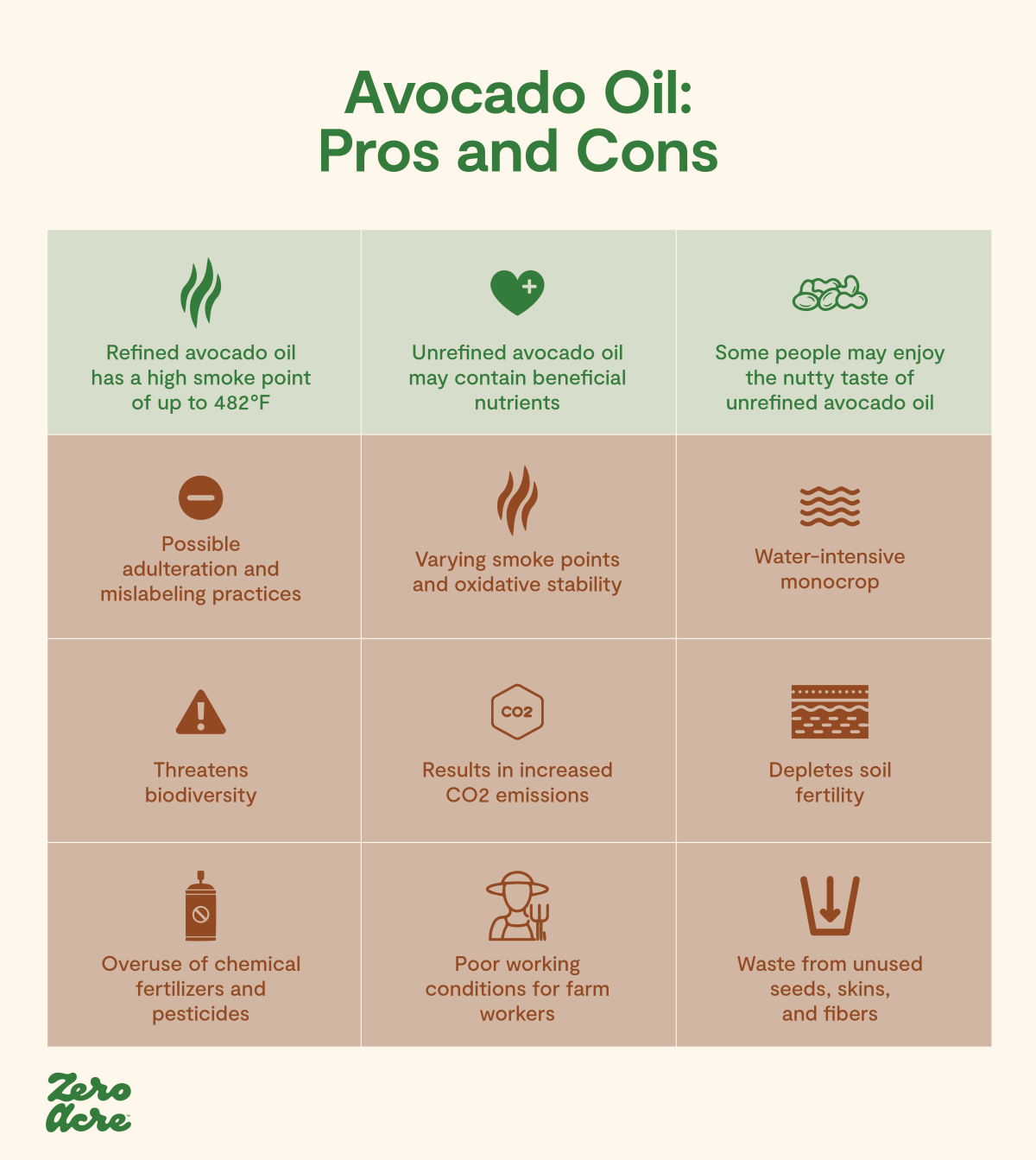
Avocado oil has a very low omega-3 fatty acid content, as its lipid profile is heavily dominated by monounsaturated fats like oleic acid, alongside notable amounts of omega-6 polyunsaturated fats. Understanding the exact nutritional composition of this popular cooking oil helps consumers align their dietary choices with specific health goals, distinguishing between beneficial monounsaturated fats and essential polyunsaturated fats.
Introduction to Avocado Oil and Its Nutritional Reputation
In recent years, avocado oil has surged in popularity across domestic kitchens and commercial food manufacturing alike. Celebrated for its high smoke point, mild flavor profile, and versatility in both raw dressings and high-heat searing, it is frequently marketed as a heart-healthy alternative to traditional seed and vegetable oils. Amid this surge in consumer interest, health-conscious shoppers often scrutinize the exact macronutrient breakdown of the oils they consume, particularly regarding essential fatty acids.
A persistent point of confusion among consumers involves the distribution of essential polyunsaturated fats, specifically omega-3 and omega-6 fatty acids. Because modern diets often feature an overabundance of omega-6 fats relative to omega-3s, understanding the precise lipid profile of cooking oils is critical for maintaining a balanced diet. While avocados themselves are nutrient-dense whole foods containing a wide variety of vitamins, minerals, and phytonutrients, extracting their oil alters the concentration of certain components.
Examining the omega-3 content of avocado oil requires a close look at lipid biochemistry, processing methods, and how this oil compares to other dietary lipid sources. By breaking down the specific facts surrounding avocado oil's fatty acid matrix, consumers can make informed decisions about how to incorporate it into a balanced nutritional plan without relying on marketing myths or misconstrued nutritional labels.
Fact 1: Avocado Oil is Overwhelmingly Composed of Monounsaturated Fats
The single most defining characteristic of avocado oil’s lipid profile is its exceptionally high concentration of monounsaturated fatty acids (MUFAs). Specifically, oleic acid—an omega-9 monounsaturated fatty acid—typically makes up roughly 60% to 70% or more of the total fat content in cold-pressed and refined avocado oils, depending on the cultivar, ripeness of the fruit, and geographical origin of the avocados used.
Oleic acid is the same primary fatty acid found in extra virgin olive oil, which has long been studied for its association with cardiovascular wellness within the context of a Mediterranean diet. Because MUFAs are structurally stable compared to polyunsaturated fats, they are less prone to rapid oxidation when exposed to heat, light, and oxygen. This chemical stability underpins avocado oil's high smoke point, which often ranges between 480°F and 520°F (250°C to 270°C) for refined varieties.
However, the dominance of monounsaturated fats also means that other lipid categories, including polyunsaturated fatty acids like omega-3 and omega-6, occupy a much smaller percentage of the total volume. Recognizing that avocado oil is primarily an oleic-acid-rich oil helps contextualize its nutritional benefits, shifting the focus away from omega-3 delivery toward heart-healthy MUFA consumption and stable high-heat culinary performance.
Fact 2: The Actual Omega-3 Content in Avocado Oil is Negligible
When evaluating the specific question of omega-3 content, laboratory and nutritional databases indicate that avocado oil contains virtually trace amounts of alpha-linolenic acid (ALA), the primary plant-based omega-3 fatty acid. In standard nutritional profiling, the polyunsaturated fat category in avocado oil is overwhelmingly skewed toward linoleic acid, which is an omega-6 fatty acid.
While trace levels of ALA may occasionally be detected depending on the extraction batch and fruit maturity, these amounts are scientifically and nutritionally insignificant. For an oil to be considered a meaningful source of omega-3 fatty acids, it typically needs to provide a substantial percentage of its total fat volume in the form of ALA, similar to flaxseed oil, chia seed oil, or walnut oil. Avocado oil fails to meet this threshold.
For individuals seeking to increase their daily intake of omega-3 fatty acids through dietary oils, avocado oil is simply the wrong vehicle. Relying on avocado oil to fulfill daily omega-3 requirements will result in a deficiency, as the oil's biological design centers almost entirely on monounsaturated fats rather than polyunsaturated chains.
Fact 3: The Omega-6 to Omega-3 Ratio is Heavily Skewed
In nutritional science, the ratio of omega-6 to omega-3 fatty acids in the diet is a subject of ongoing discussion regarding systemic inflammation and cellular health. While both omega-6 and omega-3 polyunsaturated fats are essential—meaning the human body cannot synthesize them and must obtain them from food—the balance between them matters for optimal physiological function.
In avocado oil, the limited polyunsaturated fat fraction is heavily skewed toward omega-6 linoleic acid, with very little to no omega-3 ALA to balance it out. Consequently, avocado oil has a high omega-6 to omega-3 ratio. From a practical standpoint, because the total amount of polyunsaturated fat in avocado oil is relatively low compared to its massive monounsaturated fat content, this skewed ratio contributes only a minor fraction of the total daily omega-6 load for most people.
| Fatty Acid Type | Primary Representative | Approximate Percentage in Avocado Oil | Nutritional Role |
|---|---|---|---|
| Monounsaturated Fat | Oleic Acid (Omega-9) | 60% – 70%+ | Supports cardiovascular health; provides high-heat stability. |
| Saturated Fat | Palmitic & Stearic Acid | 10% – 15% | Provides structural stability and shelf-life to the oil. |
| Polyunsaturated Fat | Linoleic Acid (Omega-6) | 10% – 20% | Essential fatty acid required for cell membrane integrity. |
| Polyunsaturated Fat | Alpha-Linolenic Acid (Omega-3) | Trace (< 1%) | Essential fatty acid; present in negligible amounts in avocado oil. |
However, individuals who consume large quantities of processed foods already rich in omega-6 vegetable oils should view avocado oil within the broader context of their total dietary intake. While it does not actively worsen an unbalanced ratio to the extent that high-linoleic seed oils might when consumed in excess, it certainly does not help correct an omega-3 deficit.
Fact 4: Processing Methods Do Not Significantly Alter Omega-3 Levels
A common misconception among consumers is that industrial refining, chemical extraction, or mechanical cold-pressing might strip avocado oil of its omega-3 content, implying that unrefined variants might be rich in omega-3s. In reality, the base fruit of the avocado naturally lacks significant omega-3 fatty acids regardless of how it is processed.
Extraction methods primarily dictate the smoke point, flavor profile, shelf life, and micronutrient retention of the oil:
- Cold-Pressed / Unrefined Avocado Oil: Extracted mechanically without high heat or chemical solvents. It retains a vibrant green color, a distinct buttery-avocado flavor, and higher levels of heat-sensitive compounds like carotenoids and vitamin E, but it still lacks meaningful omega-3 content.
- Refined Avocado Oil: Undergoes processes involving neutralisation, bleaching, and deodorisation using gentle heat and filtration. This removes impurities and free fatty acids, resulting in a neutral flavor and a very high smoke point, but leaves the underlying fatty acid backbone largely unchanged in terms of its lack of omega-3s.
Because the absence of omega-3 is a fundamental characteristic of the avocado fruit's lipid synthesis rather than a byproduct of factory processing, neither unrefined artisan oils nor highly refined culinary oils will serve as an adequate source of these essential fatty acids.
Fact 5: Better Dietary Sources Exist for Omega-3 Fatty Acids
Because avocado oil cannot fulfill human requirements for omega-3 fatty acids, nutritionists and dietitians recommend turning to dedicated, concentrated sources to meet daily nutritional targets. Omega-3 fatty acids are broadly categorized into plant-based sources (ALA) and marine-based sources (EPA and DHA), both of which play distinct roles in human health.
To successfully incorporate adequate omega-3s into a diet that also utilizes avocado oil, consumers should integrate the following foods:
- Marine Sources (EPA and DHA): Fatty fish such as salmon, mackerel, sardines, herring, and anchovies provide preformed eicosapentaenoic acid (EPA) and docosahexaenoic acid (DHA), which are readily utilized by the human body for neurological and cardiovascular function.
- Plant Sources (ALA): Ground flaxseeds, chia seeds, hemp hearts, walnuts, and specialized oils such as flaxseed or algal oil offer rich concentrations of alpha-linolenic acid for those following plant-based or vegetarian diets.
By pairing avocado oil—valued for its high-heat cooking performance and monounsaturated fat content—with foods rich in omega-3s, individuals can enjoy the culinary versatility of avocados without compromising their essential fatty acid balance.
Frequently Asked Questions
Does avocado oil contain any omega-3 fatty acids at all?
Avocado oil contains only trace, negligible amounts of alpha-linolenic acid (ALA), the plant-based omega-3 fatty acid. It is not considered a dietary source of omega-3s, as its fat profile is dominated by monounsaturated oleic acid and omega-6 linoleic acid.
Why is avocado oil considered healthy if it lacks omega-3s?
Avocado oil is celebrated for its high concentration of monounsaturated fats (oleic acid), which are associated with supporting heart health, maintaining healthy cholesterol levels, and reducing systemic markers of inflammation when substituted for saturated fats in the diet.
Can I use avocado oil as a substitute for fish oil or flaxseed oil?
No. Avocado oil cannot replace fish oil or flaxseed oil because it lacks the necessary concentrations of EPA, DHA, or ALA. Supplementing or consuming dedicated omega-3 sources remains essential for meeting daily nutritional requirements.
Does cooking with avocado oil destroy its omega-3 content?
Because the omega-3 content in avocado oil is already practically nonexistent, cooking does not significantly impact omega-3 levels. However, avocado oil's high smoke point and stability mean that its primary beneficial component—oleic acid—resists thermal degradation better than fragile high-omega-3 seed oils.
How does the omega-6 content of avocado oil compare to its omega-3 content?
The omega-6 content (primarily linoleic acid) is significantly higher than its trace omega-3 content. While this creates a high omega-6 to omega-3 ratio, the total polyunsaturated fat content in avocado oil is relatively low compared to its dominant monounsaturated fat volume.
Conclusion and Next Actions
Avocado oil remains a valuable, high-performance cooking oil prized for its neutral flavor, remarkable heat tolerance, and abundant monounsaturated fat content. However, understanding its nutritional boundaries clarifies that it is not a source of omega-3 fatty acids. To optimize nutritional intake, utilize avocado oil for high-heat cooking, roasting, and salad dressings while intentionally sourcing omega-3 requirements from fatty fish, flaxseeds, chia seeds, or targeted supplements.