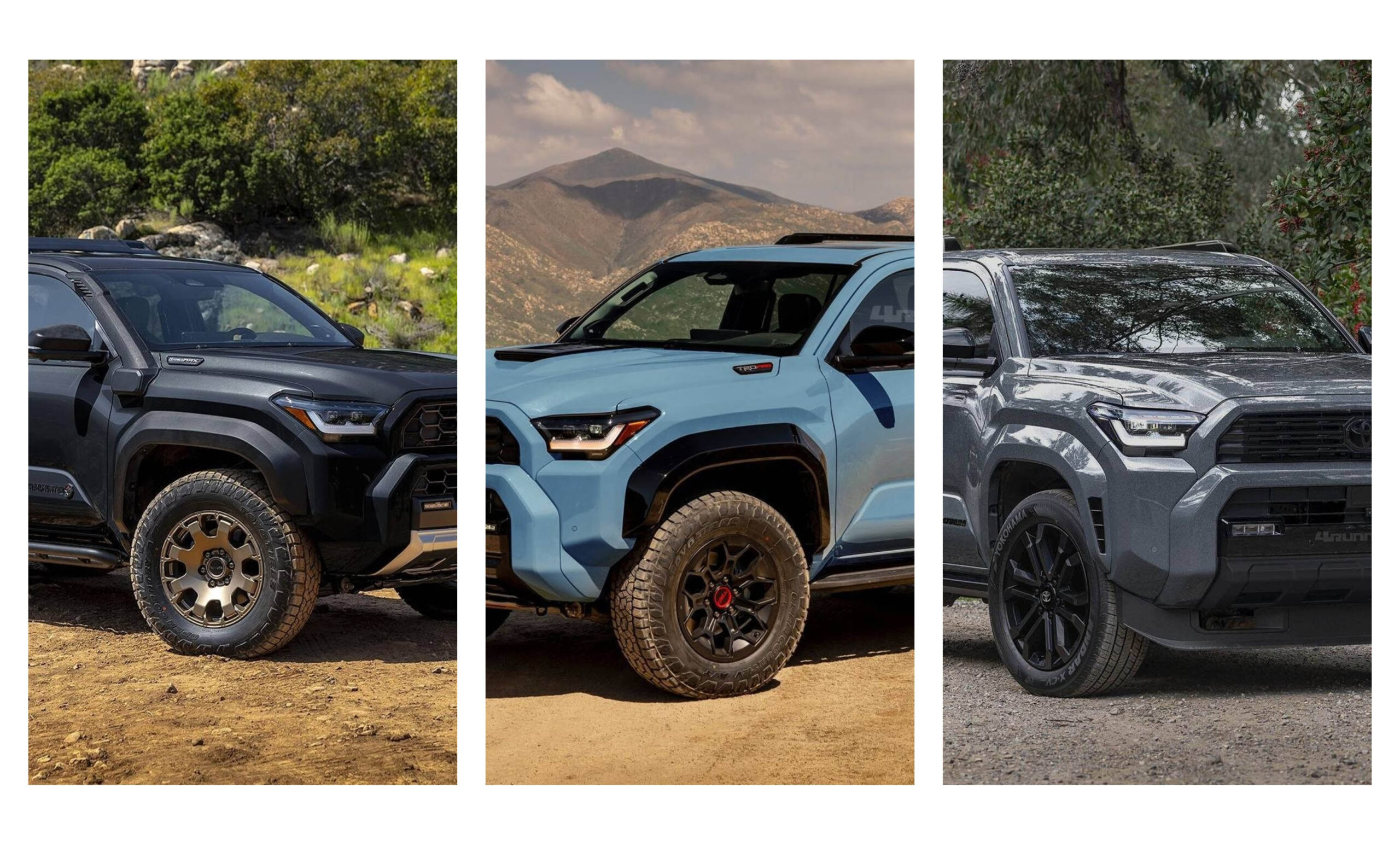
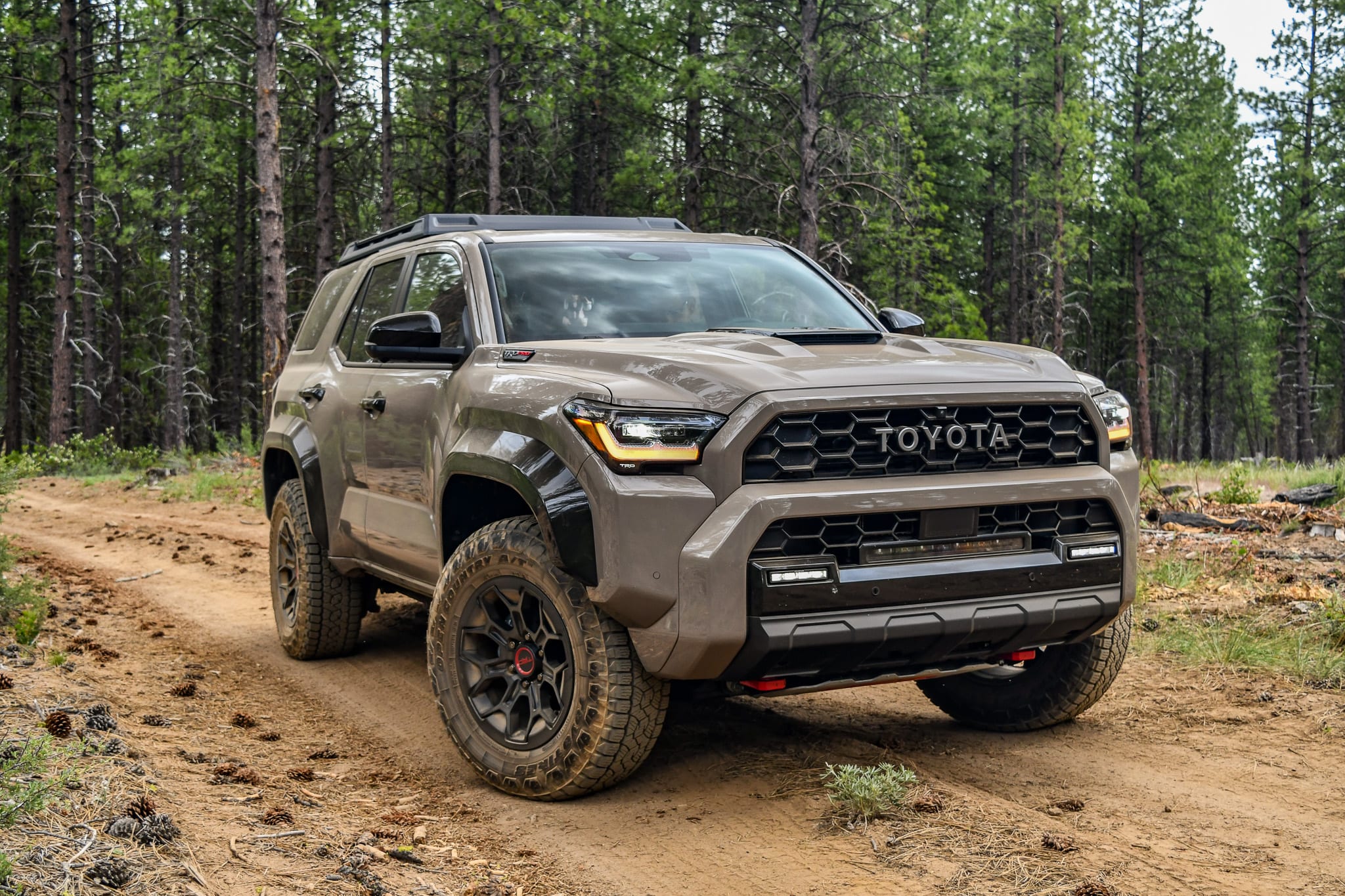
Choosing between the Toyota 4Runner TRD Pro and the TRD Off-Road Premium involves weighing factory-tuned specialized performance against value-driven versatility. The TRD Pro is a flagship "turn-key" desert racer with exclusive suspension and styling, while the TRD Off-Road Premium provides the essential mechanical hardware for serious trails at a more accessible price point, serving as an ideal platform for custom modifications.
The Toyota 4Runner has long stood as a titan in the body-on-frame SUV segment. As we navigate the 2026 model year, the landscape for this legendary vehicle has evolved with the introduction of the sixth-generation platform. However, the core dilemma remains the same for enthusiasts: do you go for the top-tier, "everything-included" TRD Pro, or do you opt for the TRD Off-Road Premium (ORP)? Both vehicles are built on the robust TNGA-F global truck platform, sharing a foundation with the Tacoma and Land Cruiser, yet they target different types of adventurers.
Understanding the nuance between these two trims requires a deep dive into suspension dynamics, powertrain configurations, and the financial reality of ownership in today’s market. Whether you are planning a cross-country overlanding trip or looking for a rugged daily driver that can handle weekend rock crawling, the distinction between "Pro" and "Off-Road Premium" is more than just a badge on the C-pillar.
Understanding the Core Identity of Each Trim
To properly compare these two vehicles, we must first look at their intended purpose within the Toyota lineup.
The TRD Pro is designed for the buyer who wants the ultimate factory-warrantied 4Runner experience. It is engineered for high-speed off-road performance, specifically desert running. It comes from the factory with a specialized suspension, unique wheel and tire packages, and aggressive styling that sets it apart from any other trim. It is the "halo" vehicle, often produced in limited numbers and featuring an exclusive "heritage" color each year.
The TRD Off-Road Premium (ORP), on the other hand, is the "thinking person's" off-roader. It occupies the middle-to-high ground of the lineup. It includes all the essential mechanical "goodies"—like the locking rear differential and Toyota's sophisticated off-road software—but skips the expensive boutique suspension components. The "Premium" suffix indicates that while it is rugged on the outside, the interior is equipped with creature comforts like SofTex-trimmed seats and advanced infotainment, making it a more balanced choice for those who don't need a trophy-truck-lite setup.
Mechanical Differences and Suspension Systems
The most significant technical divergence between the TRD Pro and the TRD Off-Road Premium lies in the suspension. This isn't just a matter of "stiff vs. soft"; it is a fundamental difference in how the vehicle manages terrain at speed.
The TRD Pro Fox Racing Setup
For the 2026 model year, the TRD Pro continues its partnership with Fox Racing. It features 2.5-inch internal bypass shocks with remote reservoirs in the rear. These shocks are specifically tuned by Toyota Racing Development to handle high-frequency bumps and large compressions without bottoming out. The internal bypass technology allows the shock to be plush during normal driving but significantly firmer at the ends of the stroke to prevent jarring impacts.
Furthermore, the TRD Pro usually features a slight factory lift—typically about 1 inch in the front—which levels the vehicle's stance and provides better approach angles. This setup is designed for someone who wants to drive off the dealership lot and immediately hit a high-speed trail in Moab or the Baja peninsula.
The TRD Off-Road Premium and the SDM Advantage
The TRD Off-Road Premium utilizes a more traditional suspension setup, often consisting of Toyota’s standard twin-tube shocks. While these are perfectly capable for most trails, they lack the cooling and bypass capabilities of the Fox units.
However, the ORP often shines in technical low-speed maneuvers. In the current generation, Toyota has introduced the Stabilizer Disconnect Mechanism (SDM). This allows the driver to push a button and disconnect the front anti-roll bar, significantly increasing wheel articulation. This is a game-changer for rock crawling where keeping tires on the ground is the priority. While the TRD Pro focuses on speed, the ORP (when equipped with SDM) can sometimes outperform the Pro in slow-speed, highly technical "flex" situations.
Powertrain and Performance: The i-FORCE MAX Factor
In 2026, the engine bay of the 4Runner has undergone its most significant transformation in decades. Both the TRD Pro and TRD Off-Road Premium have moved away from the aging 4.0L V6 to the more efficient and powerful i-FORCE 2.4-liter turbocharged four-cylinder engine.
Standard vs. Hybrid
The major distinction here is the availability of the i-FORCE MAX hybrid powertrain.
- TRD Pro: The hybrid system is standard. It pairs the 2.4L turbo with a 48-hp electric motor integrated into the 8-speed transmission, producing a combined 326 horsepower and a staggering 465 lb-ft of torque.
- TRD Off-Road Premium: The 2.4L turbo (278 hp / 317 lb-ft) is standard, but the i-FORCE MAX hybrid is an optional upgrade.
The torque difference is the most palpable change. The hybrid system provides instant low-end torque, which is invaluable for climbing steep obstacles. If you choose an ORP without the hybrid option, you save weight and complexity, but you miss out on the effortless crawling power found in the Pro.
Off-Road Technology and Shared Features
Despite their differences, both trims share the "DNA" that makes a 4Runner a 4Runner. If your primary goal is trail capability, both vehicles provide the following essential tools:
- Electronic Locking Rear Differential: This is the "holy grail" of off-roading. By mechanically locking the rear wheels to spin at the same speed, you can maintain traction even if one wheel is completely off the ground.
- Multi-Terrain Select (MTS): This system regulates wheel spin by adjusting engine throttle and braking pressure based on the terrain (Mud, Sand, Rock, etc.).
- Crawl Control: Effectively a low-speed cruise control for off-roading, allowing the driver to focus entirely on steering while the vehicle manages the throttle and brakes.
- Part-Time 4WD: Both utilize a robust two-speed transfer case with dedicated high and low ranges.
The TRD Pro typically includes the Multi-Terrain Monitor (MTM) as standard equipment. This system uses cameras mounted around the vehicle to show the driver exactly where the tires are positioned relative to rocks or obstacles—a feature that is often an optional add-on for the Off-Road Premium.
Interior Comfort and Utility
The "Premium" in TRD Off-Road Premium isn't just a marketing term. It signifies a significant jump in interior quality over the base TRD Off-Road. In the 2026 models, the ORP and TRD Pro interiors are surprisingly similar, yet they differ in aesthetic and specific tech features.
- Seating: Both trims feature SofTex-trimmed seats, which are synthetic, highly durable, and easy to clean after a dusty day on the trail. The TRD Pro usually features unique red stitching and "TRD Pro" embroidery on the headrests.
- Infotainment: Both come standard with a large 14-inch Toyota Audio Multimedia touchscreen in 2026. However, the TRD Pro often includes the JBL® Premium Audio system (with the removable portable speaker) as standard, whereas it remains an option on the ORP.
- Sunroof/Moonroof: A power tilt/slide moonroof is a common feature on the ORP. Interestingly, some hardcore off-roaders prefer the ORP without a moonroof to save weight and increase headroom for helmets, whereas the Pro almost always comes fully loaded.
Aesthetic Differences and Curb Appeal
For many, the decision comes down to the "look." Toyota has mastered the art of making the TRD Pro look like a specialized piece of equipment.
- The Grille: The TRD Pro features the "TOYOTA" heritage-inspired grille, which many enthusiasts find more attractive than the standard Toyota "cowboy hat" logo found on the ORP.
- Wheels and Tires: The Pro comes with 18-inch TRD alloy wheels (often in matte black) wrapped in aggressive all-terrain tires (usually Toyo Open Country or similar in 2026). The ORP comes with 17-inch or 18-inch wheels that are slightly more conservative, often requiring an immediate tire upgrade if the buyer plans on serious off-roading.
- The Roof Rack: The TRD Pro usually includes a heavy-duty, high-profile roof rack (often an ARB or similar collaboration), while the ORP features standard roof rails.
- Exhaust: The TRD Pro features a TRD cat-back exhaust that provides a deeper, throatier growl, though some long-distance overlanders find the "drone" of the Pro exhaust a bit tiring on long highway stretches.
Cost Analysis and Value Proposition
This is where the rubber meets the road. In 2026, the price gap between a TRD Off-Road Premium and a TRD Pro can range from $10,000 to $15,000, depending on options and regional markups.
| Feature | TRD Off-Road Premium | TRD Pro |
|---|---|---|
| Base Powertrain | 2.4L Turbo (278 hp) | 2.4L Turbo Hybrid (326 hp) |
| Hybrid Option | Available (Extra Cost) | Standard |
| Suspension | Standard w/ optional SDM | Fox 2.5" Internal Bypass |
| Rear Locker | Standard | Standard |
| Wheels | 18" TRD Alloy | 18" TRD Pro Flow-Form |
| Grille | Standard Logo | Heritage "TOYOTA" |
| Audio | 14" Screen (JBL Optional) | 14" Screen (JBL Standard) |
| Estimated MSRP | ~$52,000 - $56,000 | ~$65,000 - $69,000 |
The Case for the TRD Pro
The Pro is for the buyer who values their time and a factory warranty. If you were to buy an ORP and try to replicate the Pro's features—Fox shocks, hybrid engine, MTM cameras, JBL audio, and forged wheels—you would likely spend more than the $15,000 difference, and you wouldn't have the higher resale value that "Pro" vehicles command.
The Case for the TRD Off-Road Premium
The ORP is the choice for the "builder." If you plan on replacing the suspension with a specialized King or Icon long-travel kit, or if you want to install your own custom roof rack and bumpers, paying the premium for the TRD Pro's parts is a waste of money. You get the lockers and the crawl control you need, and you save the $15,000 to spend on aftermarket parts that might even exceed the performance of the Fox shocks.
Resale Value and Long-Term Ownership
Historically, the TRD Pro has some of the best resale value in the entire automotive industry. It is not uncommon to see three-year-old TRD Pros selling for nearly their original MSRP. This "Pro" premium often makes the higher initial cost more palatable when it comes time to trade in.
However, the TRD Off-Road Premium is no slouch. The 4Runner, in general, dominates resale value charts. The ORP is often easier to find on dealer lots without the "market adjustments" or markups that frequently plague the limited-production TRD Pro. In a 2026 market where interest rates and vehicle costs remain high, the ORP represents a much more logical financial decision for the average consumer.
Frequently Asked Questions
Does the TRD Pro have a higher towing capacity than the TRD Off-Road Premium?
No, for the 2026 model year, both the TRD Pro and the TRD Off-Road Premium are generally rated for a maximum towing capacity of 6,000 lbs when properly equipped. The i-FORCE MAX hybrid powertrain in the Pro makes towing easier due to the higher torque (465 lb-ft), but the official chassis rating remains consistent across these two high-clearance trims.
Can I get the TRD Pro's "Heritage" colors on the Off-Road Premium?
Typically, no. Toyota reserves one specific color every year (such as Terra, Solar Octane, or Mudbath) exclusively for the TRD Pro trim. While some colors eventually trickle down to other trims in subsequent years, the current-year exclusive color is one of the primary ways the TRD Pro maintains its status and high resale value.
Is the TRD Pro too stiff for daily driving?
Actually, the opposite is often true. Because the Fox internal bypass shocks in the TRD Pro are designed to be speed-sensitive, they are often more plush and comfortable on paved roads than the standard shocks found in the TRD Off-Road Premium. The Pro handles potholes and speed bumps with more refinement, though it may exhibit slightly more "nose dive" during hard braking due to the softer initial suspension tuning.
Does the TRD Off-Road Premium have the same ground clearance as the Pro?
The TRD Pro usually sits about 0.5 to 1 inch higher in the front due to the TRD-tuned springs. While the rear ground clearance (governed by the rear differential) is the same on both, the TRD Pro has a slightly better approach angle, meaning it is less likely to scrape its front bumper when starting a steep climb.
Which trim is better for overlanding?
The TRD Off-Road Premium is often considered the better starting point for overlanding. Overlanding usually involves adding a lot of weight (tents, fridges, water, armor). The factory Fox shocks on the TRD Pro are tuned for a specific vehicle weight; adding 800 lbs of gear can actually compromise their performance. Many overlanders prefer the ORP so they can install heavy-duty springs and shocks designed specifically for a loaded vehicle.
Final Recommendation: Which One Should You Choose?
The decision between the 4Runner TRD Pro and the TRD Off-Road Premium comes down to your relationship with your vehicle.
Choose the TRD Pro if:
- You want the most capable 4Runner possible right out of the box.
- You value high-speed trail riding and desert exploration.
- You want the prestige, exclusive colors, and highest possible resale value.
- You prefer a vehicle that is "done" and has a full factory warranty on all its performance parts.
Choose the TRD Off-Road Premium if:
- You are a "value" shopper who wants the best off-road bang for your buck.
- You plan on customizing your vehicle with aftermarket suspension, bumpers, and tires.
- You prefer the technical "crawl" capability provided by the Stabilizer Disconnect Mechanism (SDM).
- You want a rugged, high-tech interior but don't need the "flashiness" of the Pro branding.
In the 2026 landscape, you cannot go wrong with either. Both vehicles represent the pinnacle of Toyota's off-road engineering, ensuring that whether you are on a suburban commute or a remote mountain pass, you are driving one of the most reliable and capable machines on the planet.