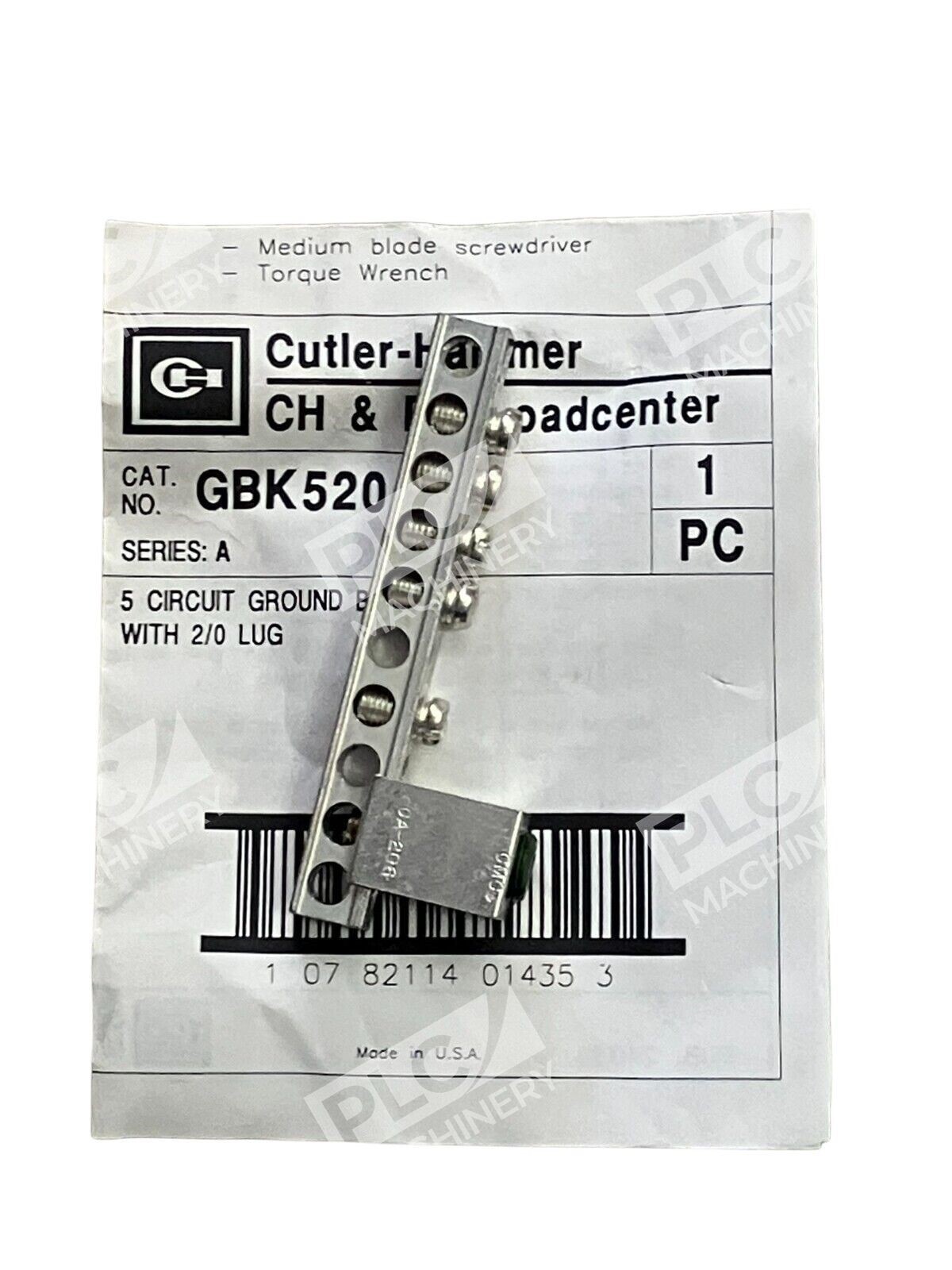
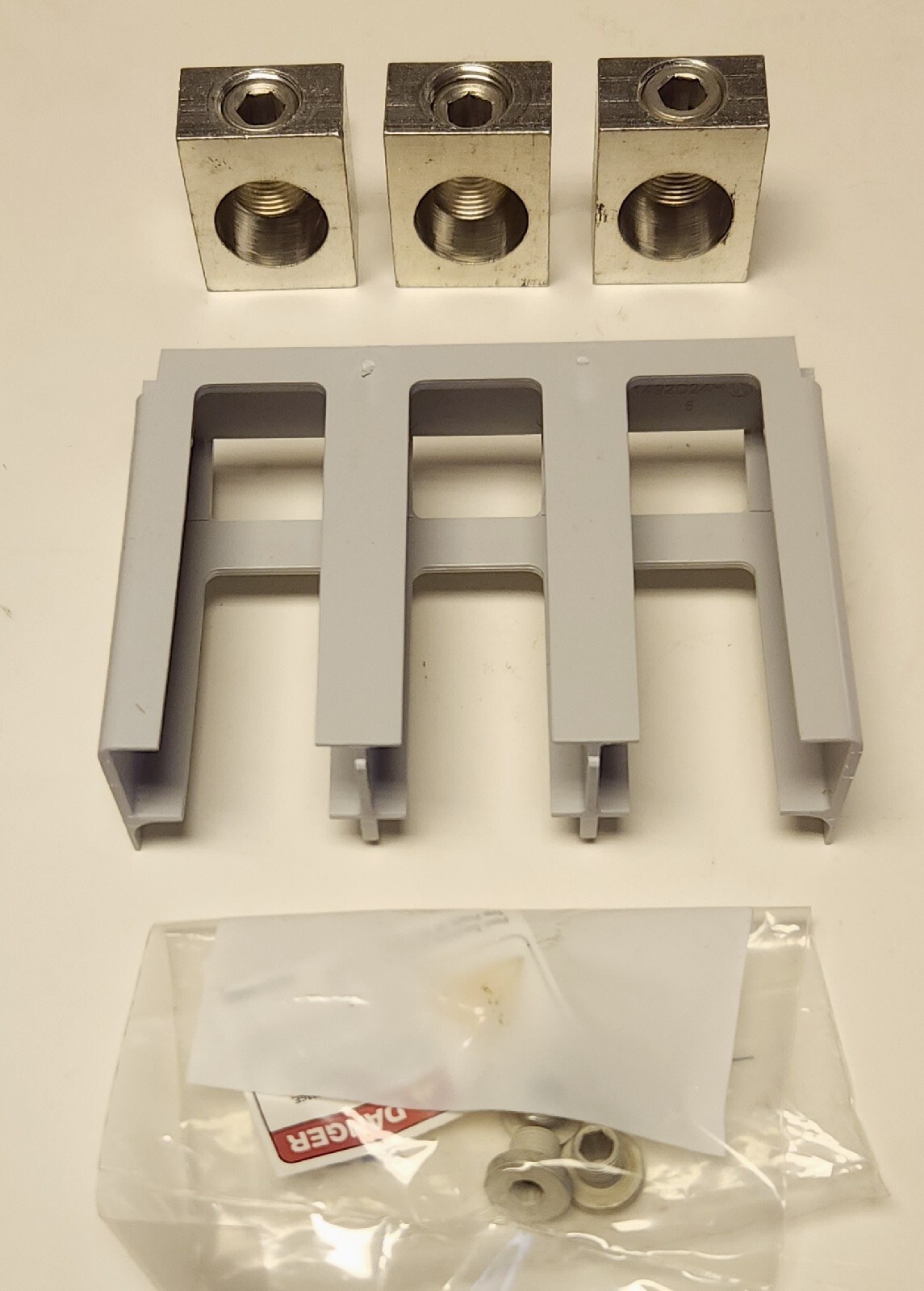
The 3TA225FDK Cutler-Hammer terminal kit is a specialized electrical component designed to provide secure, rated wire connections for specific molded case circuit breakers, primarily within Westinghouse, Cutler-Hammer, and Eaton product families. It ensures proper conductor termination, torque maintenance, and code-compliant installation in industrial and commercial electrical distribution systems.
Understanding the 3TA225FDK Cutler-Hammer Terminal Kit
When maintaining, upgrading, or installing commercial and industrial electrical distribution equipment, ensuring the integrity of every connection is vital. The 3TA225FDK Cutler-Hammer terminal kit represents a critical hardware component engineered to bridge the gap between heavy-gauge electrical conductors and molded case circuit breakers. Manufactured under the Eaton umbrella—which encompasses legacy Cutler-Hammer and Westinghouse product lines—this kit provides field-installable or factory-replacement mechanical lugs designed to fit specific breaker frame sizes.
Electrical contractors, plant maintenance engineers, and panel builders frequently encounter situations where circuit breakers require lug replacements due to thermal damage, mechanical wear, or upgrading conductor sizes. Utilizing standard or unapproved lugs can lead to high-resistance connections, localized overheating, insulation degradation, and potentially catastrophic electrical failures or arc flash incidents. The 3TA225FDK kit is specifically engineered to match the terminal pad dimensions, bolt spacing, and current-carrying requirements of its designated breaker frames, ensuring mechanical compatibility and electrical reliability.
Core Purpose and Application Scope
The primary function of the 3TA225FDK terminal kit is to accommodate incoming or outgoing power cables onto a circuit breaker's terminal pads safely. In industrial environments, breakers must handle substantial fault currents and continuous operational loads. The terminal lugs included in this kit serve as the mechanical interface where raw copper or aluminum conductors are clamped securely under high pressure.
This specific kit is generally associated with molded case circuit breakers—such as those found in the Westinghouse/Cutler-Hammer Series C or similar legacy and current product lines—where line or load terminals need to be changed from standard line lugs to alternative configurations, or replaced entirely due to environmental corrosion or overtightening damage. Applications span across commercial switchboards, motor control centers (MCCs), industrial machinery control panels, and heavy-duty distribution transformers.
Because electrical distribution systems operate under strict adherence to safety standards, replacing terminal hardware cannot be done with generic off-the-shelf hardware. The 3TA225FDK kit ensures that the material composition, plating (typically tin-plated aluminum or copper), and bolt pattern match the OEM specifications required by regulatory bodies and equipment testing laboratories.
Technical Specifications and Component Breakdown
A thorough evaluation of the 3TA225FDK Cutler-Hammer terminal kit reveals a precise assembly of mechanical components designed to withstand rigorous operational stresses. While exact specifications can vary slightly depending on manufacturing revisions and Eaton's current documentation, standard kits of this classification share consistent physical and electrical properties.
Material Composition and Construction
The lugs within the kit are typically manufactured from high-strength aluminum alloy or copper, coated with an electro-tinned finish. The tin plating is an essential feature; it prevents galvanic corrosion when connecting to either copper or aluminum building wire, minimizing oxidation over extended operational lifespans.
Conductor Range and Compatibility
Terminal kits are strictly rated for specific wire gauges (AWG) or metric equivalents (kcmil). The 3TA225FDK is engineered to accept targeted wire sizes, ensuring that the clamping pressure is evenly distributed across the strands without crushing individual wires or leaving room for loose strands that could create hot spots.
Hardware and Fasteners
The kit includes all necessary mounting hardware, such as high-tensile steel bolts, conical spring washers (Belleville washers), and sometimes insulating barriers or terminal covers. Belleville washers are particularly critical in electrical connections; they maintain constant spring pressure on the joint despite the natural thermal expansion and contraction cycles of the metal conductors under load.
| Component Feature | Specification Characteristic | Operational Purpose |
|---|---|---|
| Material Finish | Tin-plated aluminum/copper | Prevents oxidation and galvanic corrosion with Cu/Al wires |
| Fastener Type | High-tensile steel with Belleville washers | Maintains constant clamping pressure during thermal cycling |
| Compatibility | Specific Cutler-Hammer/Eaton breaker frames | Ensures correct bolt spacing and structural alignment |
| Wire Range | Varies by sub-model (typically heavy AWG/kcmil) | Accommodates heavy industrial feeder cables safely |
Pre-Installation Requirements and Safety Prerequisites
Before opening an electrical panel or attempting to install the 3TA225FDK terminal kit, strict safety protocols and technical prerequisites must be observed. Working with industrial distribution equipment carries severe risks of electrical shock, electrocution, and arc flash.
Mandatory Safety Procedures
- Complete De-Energization: The upstream source feeding the circuit breaker must be completely opened, locked out, and tagged out (LOTO) in accordance with OSHA standards (such as 29 CFR 1910.333) or local international equivalents.
- Verification of Zero Energy: Using a properly rated, calibrated digital multimeter or voltage detector, verify that all phases and the neutral (if applicable) are entirely dead at both the line and load terminals.
- Personal Protective Equipment (PPE): Technicians must wear appropriate NFPA 70E-compliant arc flash PPE, including voltage-rated gloves with leather protectors, safety glasses, and arc-rated clothing matching the incident energy analysis of the switchgear.
Tools and Equipment Needed
Proper execution requires calibrated instrumentation and specialized hand tools:
- Calibrated torque wrench capable of measuring inch-pounds or foot-pounds accurately.
- Hex key sockets or standard socket sets matching the terminal lug bolts.
- Wire brush and approved electrical joint compound (anti-ox grease) if utilizing aluminum conductors.
- Lint-free cloths for cleaning terminal pads.
Step-by-Step Installation Guide
Installing a replacement terminal kit demands meticulous attention to detail to ensure low electrical resistance and mechanical stability. Rushing the process or ignoring manufacturer torque specifications can lead to catastrophic joint failure.
Step 1: Inspection and Preparation
Unpack the 3TA225FDK kit and verify all components against the packing list. Inspect the circuit breaker's terminal pads for any signs of pitting, burning, or previous thermal damage. If the breaker's terminal pad is severely damaged, replacing the entire breaker may be necessary rather than just the terminal kit. Clean the contact surfaces with a clean cloth to remove dust, manufacturing oils, or old oxidation.
Step 2: Mounting the Lugs to the Breaker
Position the terminal lugs onto the breaker's terminal pads, aligning the mounting holes precisely. Insert the provided bolts equipped with their flat and Belleville spring washers. Hand-thread the bolts to ensure they do not cross-thread into the breaker's internal bus bar or terminal insert.
Step 3: Applying Manufacturer Torque Specifications
This is the most critical mechanical step in the installation process. Under-tightening causes high resistance and arcing; over-tightening can strip the threads or crack the breaker housing. Use a calibrated torque wrench and tighten the mounting bolts strictly to Eaton's published specification for the 3TA225FDK assembly. Never guess or rely on "feel" when torquing electrical connections.
Step 4: Conductor Preparation and Insertion
If utilizing aluminum wire, wire-brush the bare conductor strands and apply a thin layer of approved antioxidant compound immediately. Strip the cable insulation to the exact length specified by the lug manufacturer, ensuring no nicks or cuts exist on the wire strands. Insert the fully stripped conductor into the barrel of the lug until it bottoms out, ensuring no bare wire is exposed outside the barrel.
Step 5: Securing the Conductor Set Screw
Tighten the compression set screw or clamping bolt on the lug barrel using the appropriate torque tool. If the screw features a shear-head design, tighten until the head shears off at the factory-calibrated torque limit. Re-verify all torques after initial tightening on adjacent connections.
Common Mistakes and Troubleshooting
Even experienced technicians can encounter challenges during terminal kit replacement. Recognizing potential pitfalls prevents costly rework and equipment damage.
Common Installation Errors
- Omitting Belleville Washers: Leaving out spring washers or installing them upside down allows thermal expansion to loosen the bolt over time, resulting in a loose connection.
- Incorrect Wire Strip Length: Stripping too much insulation leaves bare conductor exposed outside the enclosure or lug, creating short-circuit hazards. Stripping too little means the insulation is trapped under the clamping screw, preventing a solid electrical connection.
- Ignoring Torque Values: Relying on standard hand tools without a torque wrench frequently leads to loose joints or damaged threads.
Troubleshooting Overheating Joints
If an existing terminal kit is running hot during thermal scanning (infrared thermography):
- Check for Overloading: Verify that the continuous current draw does not exceed the ampacity rating of the wire and breaker.
- Inspect for Oxidation: Look for white powdery buildup (on aluminum) or green/black discoloration (on copper), indicating moisture intrusion or chemical reaction.
- Re-Torque or Replace: If a joint has overheated to the point of discoloration, the spring tension of the fasteners and the metallurgical integrity of the lug are often compromised. The terminal kit must be completely replaced rather than simply re-tightened.
Cost Considerations and Sourcing
When budgeting for maintenance or panel modifications, understanding the financial and logistical aspects of procuring genuine OEM parts is essential.
Pricing Factors
The cost of the 3TA225FDK Cutler-Hammer terminal kit fluctuates based on supply chain availability, supplier markup, and whether the parts are purchased directly through authorized Eaton distributors or secondary surplus markets. Generally, purchasing certified OEM kits guarantees metallurgical compliance and warranty protection, whereas aftermarket or unverified third-party alternatives may introduce liability risks.
Availability and Lead Times
Standard industrial electrical distributors typically stock common Cutler-Hammer Series C and Eaton breaker accessories, but niche or legacy terminal kits may require factory ordering. Facilities operating legacy equipment often maintain critical spare parts inventories, including terminal kits, to minimize costly downtime during unplanned outages.
Frequently Asked Questions
Can I use third-party or generic terminal lugs instead of the 3TA225FDK kit?
No. Molded case circuit breakers are tested and certified by agencies like Underwriters Laboratories (UL) with specific, approved terminal kits. Using unapproved generic lugs voids the breaker's UL listing, violates the National Electrical Code (NEC), and introduces severe liability and safety risks.
What causes a terminal kit to burn out or fail prematurely?
Premature failure is almost always caused by loose connections resulting in high electrical resistance, excessive vibration, improper conductor sizing, or operating the equipment above its rated ampacity without adequate ventilation.
Do I need to apply anti-oxide compound on copper wires?
Anti-oxide compound is specifically required for aluminum-to-aluminum or aluminum-to-copper connections to prevent oxidation. For pure copper-to-copper connections, standard manufacturer guidelines generally dictate whether compound is necessary, though many technicians apply it in harsh or corrosive industrial environments.
How often should terminal connections be inspected?
In heavy industrial settings, annual infrared thermography scans and periodic visual/torque checks are recommended. Facilities operating under high vibration or cyclic loads may require more frequent maintenance intervals.
Is it possible to install the 3TA225FDK kit while the panel is energized?
Never. Installing terminal kits requires direct mechanical contact with breaker bus bars and terminal pads, posing extreme risks of arc flash and electrocution. Complete lockout/tagout (LOTO) and zero-energy verification are mandatory.
Conclusion
The 3TA225FDK Cutler-Hammer terminal kit is a fundamental hardware solution for maintaining secure, code-compliant electrical terminations on compatible circuit breakers. By adhering strictly to manufacturer installation guidelines, utilizing calibrated torque tools, and respecting rigorous safety protocols, electrical professionals can ensure long-term system reliability and prevent catastrophic equipment failures. Proper maintenance and correct part selection remain the cornerstones of safe industrial power distribution.