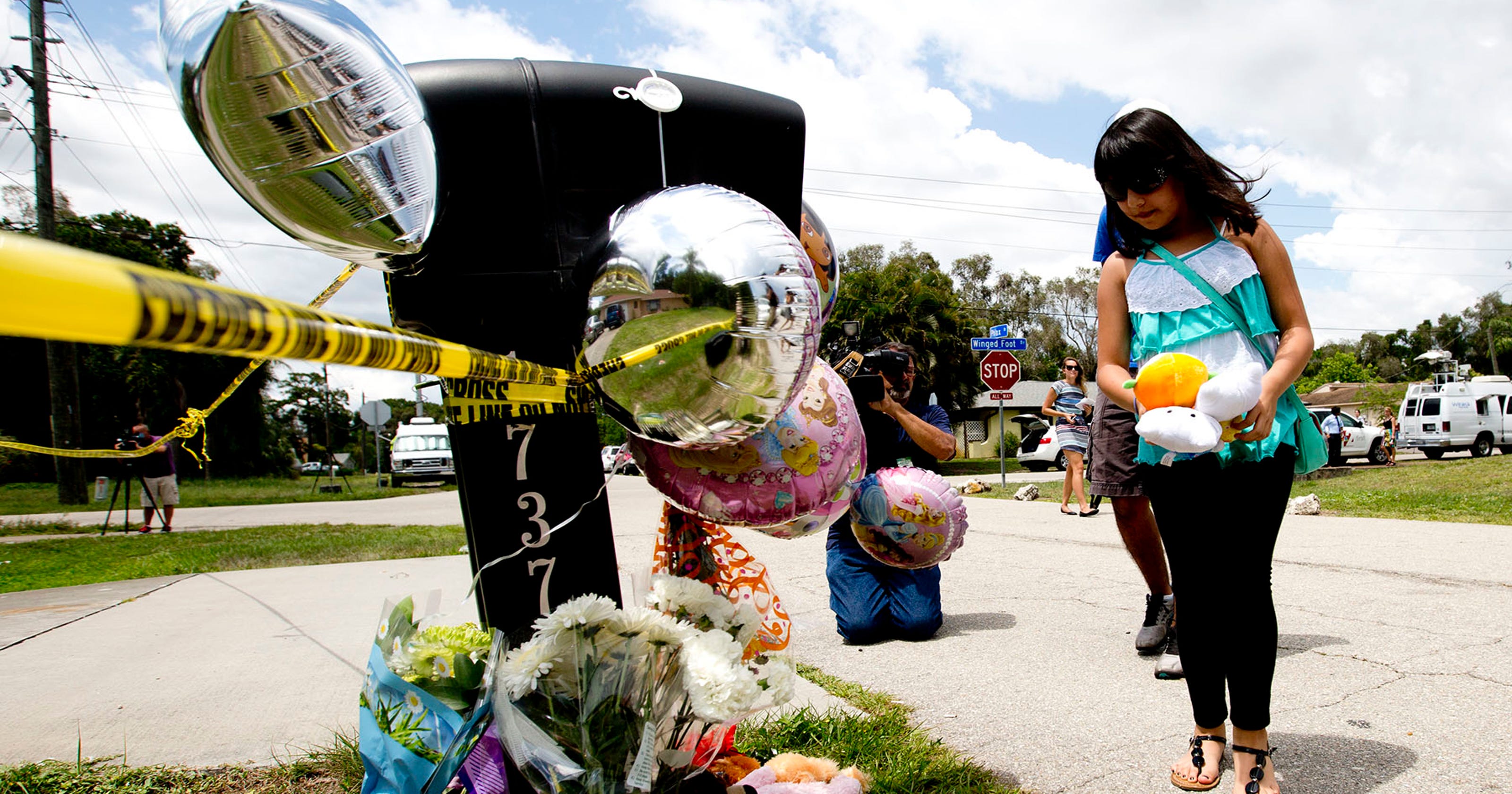
The phenomenon of a murder-suicide involving a family of four represents one of the most devastating and complex crises in public safety and mental health. These rare yet catastrophic events typically involve a parent taking the lives of their partner and children before dying by suicide. Understanding the underlying behavioral patterns, risk factors, systemic warning signs, and prevention resources is critical for public awareness, intervention, and community support.
Understanding the Dynamics of Family Annihilation and Murder-Suicide
The term "murder-suicide" describes an incident where an individual commits homicide followed immediately or shortly thereafter by suicide. When a family of four—typically two adults and two children, or a single parent and three dependents, though most commonly studied as a nuclear family unit—is targeted, criminologists and psychologists often refer to the act within the broader category of family annihilations or domestic familicides.
These tragedies shock local communities and draw intense media scrutiny. However, public perception often relies on misconceptions that these events happen entirely without warning. Research in forensic psychology and public health indicates that such acts are usually the culmination of severe, prolonged crises involving domestic conflict, financial ruin, acute psychological decompensation, or severe depression. Examining these patterns requires looking beyond the immediate horror to identify systemic vulnerabilities and points where intervention might have occurred.
Prevalence and Statistical Context
Statistically, murder-suicides are rare events within overall homicide and suicide rates, yet they disproportionately affect family members. According to data tracked by organizations such as the Violence Policy Center and academic criminologists studying domestic homicide, the vast majority of perpetrators are male, and firearms are overwhelmingly the most common weapon used.
When a family of four is involved, the psychological profile of the perpetrator often includes a perceived loss of control, an obsessive desire to prevent perceived humiliation, or a deeply distorted altruistic delusion where the perpetrator believes they are "saving" their family from financial ruin or social disgrace. Recognizing these distinct behavioral motivations helps mental health professionals and law enforcement agencies refine risk assessment models.
Core Risk Factors and Behavioral Indicators
Decades of research into domestic homicides and suicides have identified several recurring risk factors. While no single indicator guarantees a violent outcome, the convergence of multiple stressors significantly elevates risk.
- Domestic Turmoil and Separation: Estrangement, impending divorce, or custody disputes frequently precede domestic violence escalations. The perpetrator often views the separation of the family unit as an intolerable loss of status or control.
- Financial Despair: Severe debt, bankruptcy, foreclosure, or the sudden loss of employment can trigger acute distress, particularly in individuals whose identity is tied to being the primary provider.
- Severe Untreated Mental Illness: Major depressive episodes, psychosis, or severe personality disorders—often compounded by substance abuse—frequently impair judgment and impulse control.
- Access to Firearms: The presence of a firearm in the home drastically increases the lethality of domestic disputes, shifting the outcome from physical altercations or threats to instantaneous, fatal outcomes.
The Anatomy of Escalation
Most family murder-suicides do not happen spontaneously. They are often preceded by an escalation phase where the perpetrator exhibits significant behavioral changes. Friends, extended family members, and coworkers may notice heightened agitation, expressions of hopelessness, withdrawal from social circles, or subtle threats regarding the future.
Tragically, these warning signs are frequently misinterpreted or minimized until after the tragedy occurs. Understanding this trajectory underscores the importance of taking verbal threats and drastic behavioral shifts seriously, treating them as urgent medical and safety emergencies.
| Risk Factor Category | Primary Indicators | Associated Behavioral Shifts | Potential Intervention Point |
|---|---|---|---|
| Relational Crisis | Separation, divorce threats, custody disputes | Stalking, intense surveillance, emotional volatility | Legal protection orders, counseling, domestic violence advocacy |
| Financial Distress | Bankruptcy, foreclosure, job loss | Extreme secretive behavior, profound shame, isolation | Financial counseling, social services, debt restructuring |
| Mental Health Decline | Major depression, psychosis, substance abuse | Insomnia, erratic mood swings, explicit expressions of despair | Psychiatric evaluation, crisis intervention, therapy |
| Lethal Means Access | Gun ownership, purchase of firearms during crisis | Increased preoccupation with weapons, statements about finality | Red flag laws, secure firearm storage, voluntary surrender |
Systemic Challenges and Prevention Strategies
Preventing tragedies involving families requires a multifaceted approach involving healthcare providers, law enforcement, legal systems, and community networks. One of the primary systemic challenges is the private nature of domestic life. Abuse and severe psychological crises often occur behind closed doors, hidden from public view or minimized by the individuals experiencing them.
Furthermore, perpetrators of family-directed violence rarely have a prior history of violent criminal behavior outside the home. This makes predictive policing and standard criminal justice interventions largely ineffective for identifying risks before a crisis peaks. Instead, public health frameworks emphasize universal screening, bystander education, and lowering barriers to mental health care.
The Role of Lethal Means Reduction
Public health experts consistently point out that restricting access to lethal means—particularly firearms—is one of the most effective ways to prevent suicide and domestic homicide. Extreme Risk Protection Orders (ERPOs), commonly known as "red flag laws," allow courts to temporarily remove firearms from individuals who pose an imminent danger to themselves or others. Educating families, law enforcement officers, and judges on how to utilize these legal mechanisms can provide a vital cooling-off period during acute crises.
Community and Interpersonal Intervention
Neighbors, coworkers, and extended family members often occupy the front lines of observation. When individuals notice drastic changes—such as a relative suddenly giving away prized possessions, expressing extreme hopelessness about the future, or making vague statements about "ending the suffering"—immediate action is warranted.
Connecting individuals in distress with professional support can alter the trajectory of a crisis. Organizations such as the Suicide & Crisis Lifeline (available by dialing 988 in the United States and Canada) provide free, confidential support 24/7. Domestic violence hotlines offer specialized guidance for individuals navigating severe relationship conflict and coercion.
Frequently Asked Questions
What motivates a parent to commit murder-suicide against their family?
Psychological evaluations of perpetrators often reveal complex combinations of severe depression, narcissistic injury, financial desperation, and a distorted sense of ownership over family members. Perpetrators frequently exhibit a catastrophizing mindset, viewing minor or major setbacks as insurmountable and convincing themselves that destroying the family is the only solution to perceived suffering or disgrace.
Are there distinct warning signs before a family murder-suicide occurs?
Yes, though they are often recognized only in hindsight. Common indicators include acute life stressors (job loss, bankruptcy, impending divorce), explicit or implicit threats of harm, sudden social withdrawal, purchasing firearms during a period of crisis, and expressions of profound hopelessness or finality.
How common are murder-suicide events involving families?
While comprehensive tracking varies by region, epidemiological studies indicate that murder-suicides are statistically rare compared to standalone homicides or suicides. However, their impact on surviving relatives, first responders, and local communities is profound and long-lasting.
What legal tools exist to prevent firearm-related domestic tragedies?
Extreme Risk Protection Orders (ERPOs), domestic violence restraining orders, and mandatory surrender laws in cases of domestic abuse conviction are primary legal mechanisms designed to temporarily separate individuals in crisis from lethal means.
Where can someone seek help if they or someone they know is in acute crisis?
Individuals experiencing overwhelming stress, thoughts of self-harm, or thoughts of harming others should immediately contact emergency services (such as 988 in the U.S. and Canada) or local mental health crisis centers. Immediate professional intervention can provide safe, confidential de-escalation.
Next Actions and Support Resources
Addressing the broader societal impact of domestic violence and family-directed crises requires continuous vigilance, education, and access to robust mental health infrastructure. If you or someone you know is struggling with severe relational conflict, overwhelming financial stress, or mental health challenges, do not hesitate to seek professional assistance.
- In the US and Canada: Call or text 988 to reach the Suicide & Crisis Lifeline, available 24 hours a day, 7 days a week. Services are free and confidential.
- Domestic Violence Support: Contact the National Domestic Violence Hotline at 1-800-799-SAFE (7233) or text "START" to 88788 for specialized advocacy and safety planning.
- Emergency Services: Always dial 911 or your local emergency number immediately if there is an active threat of violence or immediate danger.