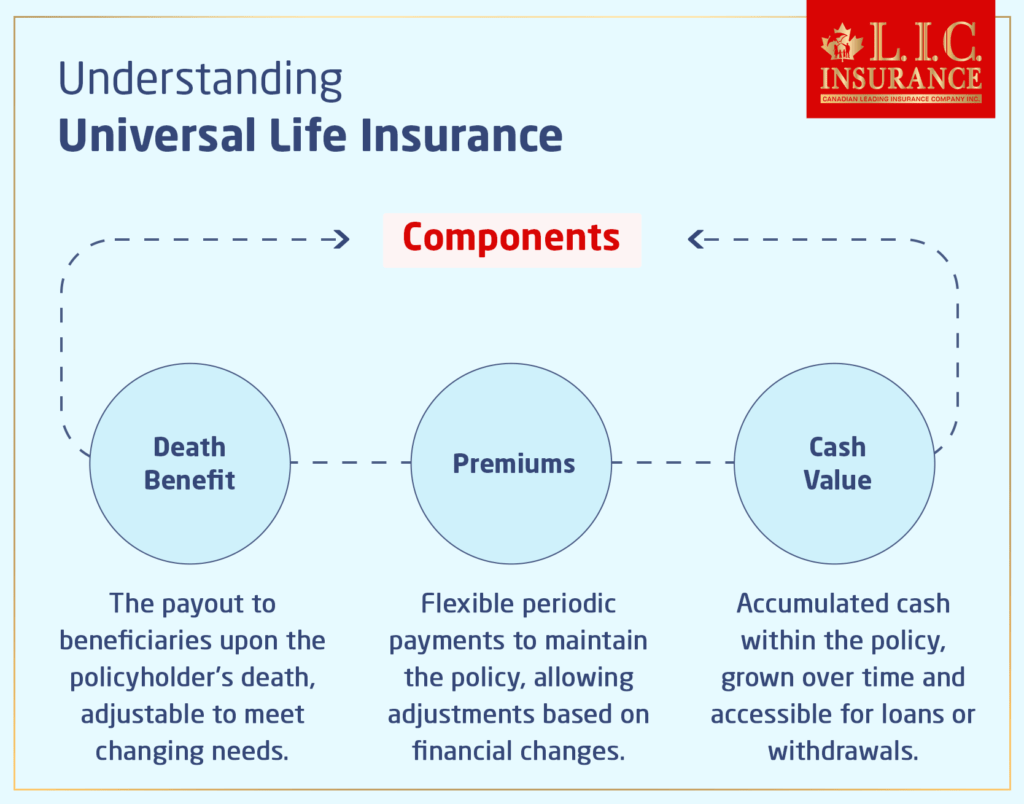
Securing a $1.1 million life insurance policy in Australia for a $220 monthly premium requires balancing coverage amount, age, health profile, and policy structure. Premiums depend heavily on underwriting factors such as smoking status, occupation, and medical history. While $220 a month can secure substantial coverage for younger, healthier applicants, older individuals or those with pre-existing conditions may find their coverage amount restricted or their costs significantly higher.
Understanding Life Insurance Fundamentals in Australia
Life insurance in Australia operates through several distinct product structures designed to protect individuals and their families against financial hardship caused by death, terminal illness, or permanent disablement. When exploring a specific financial commitment such as a $220 monthly premium, it is vital to understand what policies cover, how they are priced, and the regulatory environment governing the Australian insurance market.
The Australian Prudential Regulation Authority (APRA) regulates life insurance companies to ensure they maintain adequate capital reserves to meet policyholder claims. Additionally, policies can be held inside or outside of superannuation (self-managed, industry, or retail super funds), which significantly impacts how premiums are funded and taxed.
Life insurance is generally categorized into four main pillars:
- Term Life Insurance (Death Cover): Pays a lump sum to beneficiaries upon the death of the insured or diagnosis of a terminal illness. This is the primary mechanism for securing a high sum insured like $1.1 million.
- Total and Permanent Disability (TPD) Cover: Provides a lump sum if the insured becomes totally and permanently disabled and is unable to work. TPD is frequently bundled with term life insurance.
- Trauma Insurance: Pays a lump sum upon the diagnosis of specified critical illnesses, such as cancer, heart attack, or stroke.
- Income Protection Insurance: Replaces a portion of regular monthly income (typically up to 75%) if the insured is temporarily unable to work due to illness or injury.
Feasibility and Underwriting Realities for a $1.1 Million Sum Insured
A $1.1 million death benefit is a substantial financial safety net designed to clear large mortgages, fund children's education, and replace lost future income. However, securing this level of cover for a predictable monthly budget of $220 requires a careful look at underwriting variables.
Underwriting is the process by which life insurers assess risk and determine whether to accept an application and what premium to charge. Insurers rely on statistical mortality and morbidity tables to price policies. Key factors influencing whether a $220 monthly budget can achieve $1.1 million in cover include:
- Age at Entry: Premium rates rise exponentially with age. A 30-year-old non-smoker in ideal health may secure $1.1 million of basic term life cover for well under $220 a month. Conversely, a 50-year-old applicant will find that $220 per month buys a significantly lower sum insured, often requiring structural compromises.
- Smoking Status: Smokers pay significantly higher premiums—often double or triple the rates of non-smokers—due to elevated health risks. A smoker seeking $1.1 million will quickly exceed a $220 monthly budget at a much younger age than a non-smoker.
- Gender: Statistically, women live longer than men in Australia. Consequently, standard term life insurance premiums for females are generally lower than those for males of the same age and health status.
- Occupation and Hazardous Hobbies: Sedentary office workers represent lower risk profiles than manual laborers, heavy machinery operators, or individuals engaging in extreme sports (such as skydiving or scuba diving). High-risk occupations can attract premium loadings or exclusions.
- Medical History and Family Health Background: Pre-existing conditions (such as diabetes, high blood pressure, or a family history of hereditary illnesses) can result in premium loadings or exclusions, shifting the cost-to-coverage ratio.
Premium Structures: Stepped vs. Level Premiums
When budgeting a fixed amount like $220 per month, the choice of premium structure is critical to the long-term sustainability of the policy. Australian life insurers typically offer two primary pricing structures:
- Stepped Premiums: Premiums start lower in the early years of the policy and increase annually as the insured person ages. While this structure is initially affordable and may easily accommodate a $1.1 million policy for $220 a month when young, costs escalate sharply later in life, often becoming unaffordable in retirement when protection is needed most.
- Level Premiums: Premiums are averaged out over the life of the policy, remaining constant (barring insurer-wide adjustments or CPI indexation) from inception. While a level premium policy for $1.1 million will be more expensive initially—potentially exceeding a $220 budget for older applicants—it provides long-term price stability and avoids severe cost spikes in later decades.
| Feature | Stepped Premiums | Level Premiums |
|---|---|---|
| Initial Cost | Lower in the early years | Higher in the early years |
| Cost Trajectory | Increases every year with age | Remains constant up to age 65 or 70 |
| Long-Term Affordability | Often becomes prohibitive in older age | More predictable and manageable over decades |
| Suitability | Short-term debt protection or younger budgets | Long-term family protection and estate planning |
Holding Insurance Inside vs. Outside Superannuation
The method used to pay for a life insurance policy impacts cash flow, tax implications, and ownership rights. Australian policyholders can choose to own their policy directly (outside super) or through an eligible superannuation fund.
Outside Superannuation (Retail/Direct Policies)
Holding a policy outside superannuation means premiums are paid using after-tax personal income. However, this structure allows for greater flexibility. Policyholders can bundle term life, TPD, and trauma insurance together seamlessly. If a claim is made, the payout is generally tax-free and delivered directly to the nominated beneficiaries without trustees intervening.
Inside Superannuation
Purchasing life insurance through a superannuation fund allows members to pay premiums using pre-tax contributions (concessional contributions or employer Superannuation Guarantee funds). This can ease the immediate cash flow pressure of maintaining a $220 monthly budget.
However, there are trade-offs:
- Benefit Restrictions: Superannuation law dictates the conditions of release. If a TPD claim is paid to a super fund, the fund trustee must legally be satisfied that the member meets the definition of permanent incapacity before releasing funds to the individual.
- Taxation: Payouts from superannuation death benefits to non-dependents (for tax purposes) can attract lump-sum tax.
- Product Limitations: Trauma insurance cannot generally be purchased inside a standard superannuation fund due to Australian Taxation Office (ATO) regulations introduced in recent years.
Evaluating Policy Features and Riders
A $1.1 million policy is a major financial instrument, and consumers should look beyond the base price to examine the fine print. Key policy features and optional riders add significant value:
- CPI Indexation: Automatically increases the sum insured each year to keep pace with inflation. Note that premiums will also rise to reflect the increased coverage amount.
- Terminal Illness Benefit: Most Australian policies advance the full sum insured if the life insured is diagnosed with a terminal illness with a certified life expectancy of 24 months or less.
- Financial Planning Benefit: Some insurers reimburse a specified amount for financial advice to help beneficiaries manage a large lump sum payout.
- Guaranteed Renewal: Ensures the insurer cannot cancel the policy or single out an individual for premium increases due to declining health, provided premiums are paid on time.
Steps to Secure and Optimize Coverage
Navigating the application process requires preparation to ensure accurate underwriting and avoid potential claim disputes later.
- Assess Financial Needs: Calculate exact financial obligations, including outstanding mortgage balances, living expenses for dependents, education costs, and existing savings or assets, ensuring $1.1 million is the correct target figure.
- Compare Providers: Use independent comparison services or consult a licensed financial adviser to compare products across multiple Australian life insurers.
- Complete Pre-Assessment: Disclose medical and occupational history honestly during pre-assessment to gauge whether an insurer will accept standard rates or apply loadings.
- Undergo Medical Examination: Most high-value policies ($1.1 million typically triggers mandatory underwriting requirements) require blood tests, measurements, and sometimes a medical exam paid for by the insurer.
- Review the Product Disclosure Statement (PDS): Carefully read the PDS and policy schedule before final acceptance to understand definitions, exclusions, and waiting periods.
Common Pitfalls to Avoid
Securing life insurance involves technical nuances that can trip up applicants. Avoid these common mistakes:
- Non-Disclosure: Failing to disclose pre-existing medical conditions or smoking habits can lead to policy avoidance or denied claims under the Insurance Contracts Act 1984 (Cth). Total honesty during underwriting is mandatory.
- Focusing Solely on Price: Selecting a policy strictly because it fits a $220 monthly budget without checking definitions or exclusions can result in inadequate protection when it matters most.
- Ignoring Premium Inflation: Neglecting to factor in how stepped premiums increase over time can force policyholders to cancel coverage later in life when they need it most.
Frequently Asked Questions
Can I get $1.1 million in life insurance for $220 a month in Australia?
Yes, it is possible, but it depends heavily on your age, health status, and smoking habits. A healthy, non-smoking applicant in their 20s or early 30s can easily secure $1.1 million in term life insurance for under $220 per month. For older applicants, that budget will likely buy a lower sum insured or require stepped premiums that will increase significantly over time.
Does a $220 monthly premium include TPD or trauma cover?
Generally, a $220 monthly budget dedicated entirely to basic term life (death cover) can buy a high sum insured for a younger person. However, bundling Total and Permanent Disability (TPD) or Trauma cover into that same $220 budget will reduce the maximum achievable death benefit, as TPD and trauma insurance carry significantly higher risk pricing.
Are life insurance payouts taxable in Australia?
In most cases, death benefit payouts received by tax dependents (such as a spouse, de facto partner, or minor children) are completely tax-free. If the policy is held inside superannuation and paid to non-dependents, tax implications may apply depending on the taxable and tax-free components of the super fund balance.
What happens if I miss a monthly premium payment?
Australian insurers typically provide a grace period (usually 28 to 30 days) to catch up on missed payments. If the premium remains unpaid after the grace period expires, the insurer will lapse the policy, meaning coverage ceases and a new application—subject to current age and health underwriting—would be required to reinstate protection.
Should I use a broker or buy direct?
Using a licensed financial adviser or insurance broker provides access to wholesale and retail market comparisons across multiple insurers, along with professional guidance on structuring the policy inside or outside super. Buying direct can sometimes bypass adviser fees, but policyholders miss out on personalized product matching and advocacy during the claims process.
Disclaimer: This article is for informational purposes only and does not constitute financial or legal advice. Life insurance needs vary based on individual circumstances. Consult a licensed financial adviser or review relevant Product Disclosure Statements (PDS) before making financial decisions.