The 2026 Global Learning and Skills Trends report highlights a definitive shift toward AI-integrated vocational training, the rise of micro-credentialing as a primary currency for employability, and the critical need for "human-centric" soft skills in an increasingly automated workplace. Organizations are moving away from traditional multi-year degree reliance toward modular, skills-based hiring frameworks to bridge the widening global talent gap.
The Evolution of Workplace Learning in 2026
The landscape of corporate education has undergone a fundamental transformation by early 2026. As businesses navigate the complexities of global economic fluctuations and rapid technological integration, the traditional "once-a-year" training model has become obsolete. Instead, enterprises are adopting "learning in the flow of work," a methodology where educational modules are embedded directly into professional tools and communication platforms.
This shift is not merely stylistic; it is an operational necessity. As specialized roles evolve every 18 to 24 months, the shelf life of technical knowledge has diminished. Companies that fail to provide real-time, bite-sized learning opportunities find their workforce unable to utilize new software, proprietary AI models, or updated compliance protocols. By 2026, the focus has moved from "retraining for a new career" to "continuous upskilling for daily operations."
Primary Trends Shaping the 2026 Labor Market
1. AI-Augmented Personalized Learning Paths
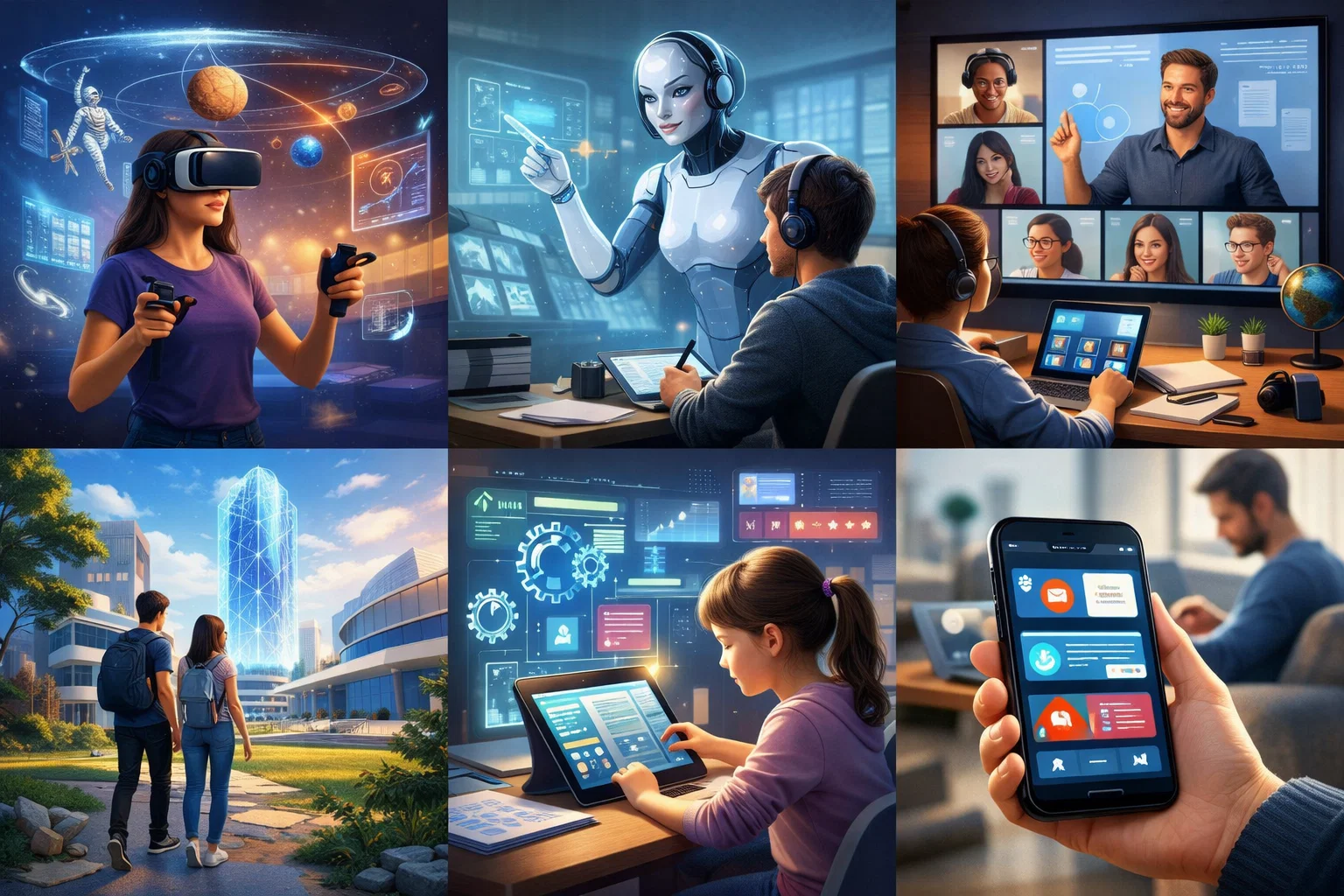
Artificial Intelligence is no longer just a subject of study; it is the primary delivery mechanism for corporate training. In 2026, adaptive learning platforms use diagnostic assessments to identify a learner's exact knowledge gaps in real-time. If an employee struggles with a specific data analysis workflow, the system suggests a five-minute interactive tutorial rather than an hour-long seminar. This minimizes downtime while maximizing retention.
2. The Dominance of Micro-Credentialing
Degree inflation has led to a counter-movement. Industries, particularly in tech, finance, and green energy, are now prioritizing verified micro-credentials—digitally signed certificates representing mastery of a narrow, specific skill—over generalist credentials. These credentials serve as a portable, transparent record of competency that employees can carry across organizations, facilitating faster talent mobility.
3. Resilience and Soft Skills as Differentiators
As technical tasks are increasingly automated, the premium on human-centric skills has skyrocketed. Employers are specifically targeting "High-Touch" skills: complex negotiation, cross-cultural empathy, ethical decision-making in AI governance, and strategic crisis management. Unlike coding languages, these abilities do not become obsolete, making them the most valuable assets in an employee’s long-term portfolio.
Comparative Overview: Traditional Education vs. Skills-Based Models
The following table contrasts the traditional educational frameworks still common in legacy institutions with the skills-first models currently driving the 2026 employment market.
| Feature | Traditional Degree Model | 2026 Skills-Based Model |
|---|---|---|
| Duration | 2–4 years | Ongoing / Just-in-time |
| Verification | Diploma / Transcripts | Verified Micro-credentials |
| Flexibility | Rigid, static curriculum | Modular, AI-adaptive |
| Primary Value | Theoretical foundation | Practical application |
| Cost Basis | High upfront tuition | Subscription / Enterprise-funded |
| Adaptability | Low; updates every 5+ years | High; updates in real-time |
Prerequisites for Implementing a Skills-First Strategy
For organizations looking to align with the trends highlighted in the 2026 reports, transitioning to a skills-first approach requires more than just purchasing new software. It demands a structural change in how human resources and operational management interact.
Audit Current Competencies
Before deploying new training, companies must establish a "Skills Inventory." This involves mapping the existing capabilities of the workforce against the projected needs for 2027 and beyond. Use internal data from performance reviews, project outcomes, and peer-to-peer feedback to create a baseline.
Shift Hiring Requirements
If the objective is to promote a culture of continuous learning, the hiring process must mirror these values. Remove legacy degree requirements for roles where specific skills—such as Python development, data visualization, or project management—can be demonstrated through portfolio work or objective assessment tests.
Allocate Dedicated Learning Time
One of the most common pitfalls in 2026 corporate environments is the expectation that employees will upskill on their own time. To achieve high adoption rates, organizations must formalize "Learning Hours" within the standard work week. This legitimizes training as a core job duty rather than an extracurricular activity.
Addressing Common Implementation Challenges
Transitioning to the trends identified in the 2026 reports often meets resistance from middle management, who may feel that training time conflicts with immediate productivity goals.
- Measuring ROI: It is difficult to quantify the impact of "soft skills." Use behavioral observation frameworks and internal promotion velocity metrics to demonstrate that employees who engage with training programs advance faster and contribute to higher-quality project outcomes.
- Technology Integration: Employees often face "platform fatigue." Ensure that your learning management system (LMS) integrates seamlessly with existing collaboration tools like Slack, Microsoft Teams, or specialized internal enterprise platforms.
- Cultural Resistance: If the organization has historically valued seniority over skill, the transition will be difficult. Transparency is key; explain that the skills-first approach is designed to increase individual job security and career longevity, not to replace tenured staff.
Frequently Asked Questions
What is the most significant change in professional development since 2025? The most significant change is the integration of generative AI as a personalized tutor for every employee. This has moved the focus from centralized classroom learning to decentralized, on-demand, and highly personalized training pathways.
Are university degrees becoming irrelevant in 2026? Not entirely. Degrees remain critical for roles requiring deep theoretical knowledge, such as medical, legal, and advanced engineering professions. However, for most corporate and technical roles, degrees are being supplemented or replaced by specific, high-demand micro-credentials.
How can I verify if a micro-credential is high quality? Look for credentials issued by industry-recognized bodies, accredited professional associations, or globally recognized technology vendors. Verify that the issuing organization has a transparent process for assessment and that the credential is cryptographically verifiable via digital ledger or centralized registry.
What is the "Human-Centric" skill gap? This refers to the deficit of skills that machines cannot replicate, such as nuanced communication, emotional intelligence, and complex ethical judgment. As technical tasks are offloaded to AI, the ability to manage the human elements of a business has become the primary indicator of leadership potential.
How can small businesses adopt these 2026 trends without massive budgets? Small businesses can leverage open-source learning platforms and collaborative industry associations to access high-quality content. By focusing on identifying the 3–5 most critical skills needed for their specific niche, they can avoid the cost of generic training and focus on high-impact, targeted upskilling.
Next Steps for Professional Growth
To capitalize on the 2026 global learning and skills trends, professionals should perform a personal "Skills Gap Analysis." Identify the technology currently disrupting your specific industry and isolate the human-centric skills that will remain in demand even as that technology matures. Dedicate at least four hours per month to acquiring a new, verified micro-credential. By treating your skill set as a dynamic, evolving asset rather than a finished product, you ensure sustained employability and relevance in a rapidly changing economy.