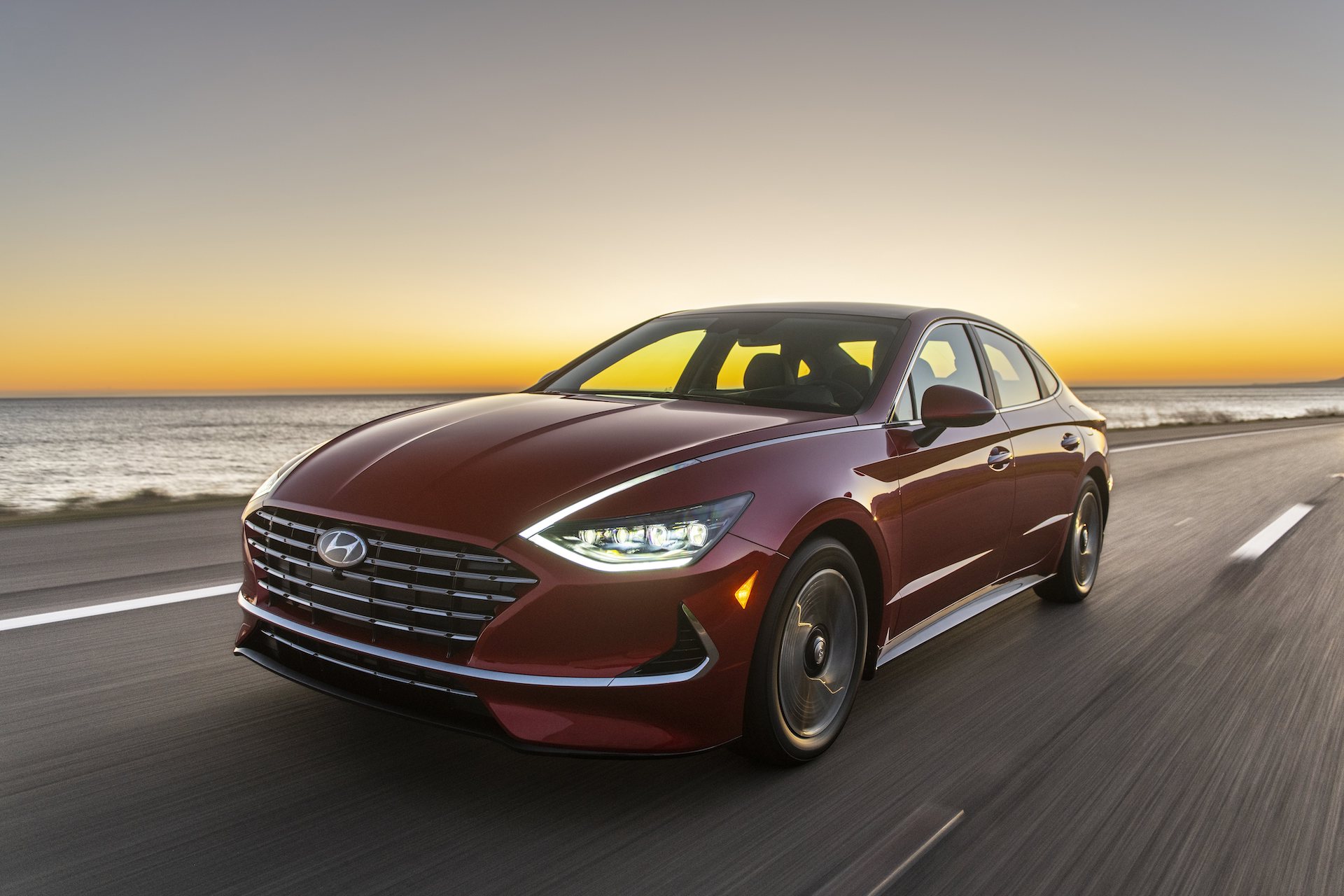
The 2016 Hyundai Sonata Hybrid is primarily known for engine-related issues, specifically connecting rod bearing wear, and hybrid system faults like Hybrid Starter Generator (HSG) failure. While generally more efficient than the gas-only model, owners often report transmission hesitation and electrical glitches involving the ABS module and infotainment system.
The 2016 Hyundai Sonata Hybrid (LF generation) represented a significant leap forward in design and efficiency for the South Korean automaker. However, as these vehicles approach a decade of service in 2026, several chronic issues have surfaced that prospective buyers and current owners must address. Understanding these problems requires a look at both the traditional internal combustion components and the complex high-voltage systems unique to the hybrid variant.
The Nu 2.0L GDI Engine and Bearing Failure
The most significant concern for the 2016 Hyundai Sonata Hybrid involves its 2.0L Nu Gasoline Direct Injection (GDI) engine. Unlike the standard Sonata’s Theta II engine, which was the subject of massive recalls, the Nu engine in the hybrid was initially thought to be more robust. However, real-world data has shown that it is susceptible to similar catastrophic failures.
Connecting Rod Bearing Wear
The primary mechanical failure point is the connecting rod bearings. These bearings allow the crankshaft to rotate freely within the connecting rods. In many 2016 units, manufacturing debris or oil flow restrictions can cause these bearings to wear prematurely. When the bearing fails, it creates a distinct metallic "knocking" sound that increases with engine RPM.
If left unaddressed, the connecting rod can snap or seize, leading to a "thrown rod" that punctures the engine block. In 2026, many of these vehicles are covered under extended warranties resulting from class-action settlements, provided the owner has kept up with the Knock Sensor Detection System (KSDS) software updates.
Excessive Oil Consumption
Owners frequently report that the Nu 2.0L engine begins to consume oil at an accelerated rate once the odometer passes the 80,000-mile mark. This is often due to carbon buildup on the piston rings, a common side effect of GDI technology. When the rings "stick," oil bypasses them and enters the combustion chamber. If the oil level drops too low without the driver noticing—since many of these cars do not have a low-oil-level sensor, only a low-oil-pressure light—the engine can seize rapidly.
Hybrid System Vulnerabilities: The HSG and Inverter
The hybrid powertrain in the 2016 Sonata differs from Toyota’s planetary gear system. Hyundai uses a Transmission Mounted Electric Device (TMED), which relies heavily on a component called the Hybrid Starter Generator (HSG).
Hybrid Starter Generator (HSG) Failure
The HSG is responsible for starting the gasoline engine, charging the high-voltage battery, and assisting with regenerative braking. It is connected to the engine via a high-tension belt. A common failure in the 2016 model involves the HSG bearings or internal electronics.
When the HSG fails, the vehicle will typically display a "Check Hybrid System" warning and a "Stop Safely and Turn Off Engine" message. In many cases, the car will refuse to restart once turned off. The repair for an HSG is costly, often exceeding $1,500 for the part alone, as it requires specialized cooling system bleeding procedures once replaced.
Inverter and Coolant Issues
The hybrid system utilizes a dedicated electric water pump and a specific type of coolant for the inverter. Over time, the inverter coolant can degrade or the pump can fail. If the inverter overheats, the car will enter a "limp mode," severely limiting power to protect the high-voltage electronics. Owners in 2026 should ensure the inverter coolant has been flushed according to the 30,000 to 40,000-mile interval to prevent crystalline buildup within the heat exchanger.
Transmission Hesitation and the "Handshake" Problem
The 2016 Sonata Hybrid uses a conventional 6-speed automatic transmission rather than a CVT. While this provides a more natural driving feel, the transition between electric power and gasoline power—often called the "handshake"—can become jerky or hesitant over time.
Shifting Inconsistency
Owners often describe a "lag" when accelerating from a stop. This occurs when the computer struggles to synchronize the RPM of the electric motor with the 2.0L engine as the clutch engages. This can be exacerbated by outdated Transmission Control Module (TCM) software.
Clutch Actuator Failures
The hydraulic power unit that manages the engine clutch (which decouples the engine during EV mode) can develop leaks or internal pressure losses. If this occurs, the transition between gas and electric modes will feel like a violent "thud" or a slip, similar to a failing manual clutch.
Electrical Systems and the HECU Recall
Beyond the drivetrain, the 2016 Sonata Hybrid has faced scrutiny regarding its electrical safety and auxiliary systems.
Hydraulic Electronic Control Unit (HECU) Fire Risk
One of the most serious recalls affecting the 2016 model year involves the ABS module, known as the HECU. An internal brake fluid leak can cause an electrical short within the module. Because the HECU remains powered even when the car is off, this short can lead to an engine bay fire. Owners should verify via the NHTSA (National Highway Traffic Safety Administration) database that the fuse replacement or module inspection has been completed.
The 12V Auxiliary Battery Drain
A recurring "ghost" problem for many owners is a dead 12V battery. In the 2016 Hybrid, the 12V battery is located in the trunk. If the vehicle is left sitting for more than a few days, the telematics (BlueLink) and other parasitic draws can drain the battery. Because the 12V battery is required to "wake up" the high-voltage system, a dead 12V battery makes the car appear completely dead, even if the hybrid battery is full.
Estimated Repair Costs for Common Issues
As of 2026, the following table reflects the estimated out-of-warranty costs for major components in the 2016 Hyundai Sonata Hybrid.
| Component | Nature of Problem | Estimated Cost (Parts & Labor) |
|---|---|---|
| Engine Assembly | Bearing failure/Seizure | $6,000 - $8,500 |
| Hybrid Starter Generator | Bearing/Electronic failure | $1,800 - $2,400 |
| HECU (ABS Module) | Internal short/Fire risk | $1,100 - $1,500 (Often Recalled) |
| 12V Auxiliary Battery | Parasitic drain/Capacity loss | $250 - $400 |
| High-Voltage Battery | Capacity degradation | $3,500 - $5,000 |
| Inverter Coolant Pump | Overheating/Limp mode | $600 - $900 |
Diagnostic Steps and Troubleshooting
If you encounter a "Check Hybrid System" warning, the first step is to check the 12V battery voltage. A weak 12V battery is responsible for roughly 40% of all non-start hybrid errors.
- Obtain an OBD-II Scan: Hybrid-specific codes (P-codes) like P0A0D or P1B77 provide direct insight into high-voltage isolation or inverter issues. Generic scanners may not read these; a scanner capable of accessing the Hybrid Control Unit (HCU) is necessary.
- Inspect the HSG Belt: Check the belt connecting the HSG to the crankshaft. If it is frayed or loose, the system cannot charge the high-voltage battery efficiently, leading to system shutdowns.
- Check Inverter Coolant Levels: Ensure the separate reservoir for the hybrid system is at the proper level. Never use standard green or orange coolant; Hyundai requires a specific low-conductivity blue or pink fluid depending on the production date.
Preventative Maintenance for Longevity
To mitigate the risks associated with the 2016 Sonata Hybrid, owners should adhere to a stricter-than-factory maintenance schedule:
- Oil Changes: Every 3,000 to 5,000 miles using high-quality full synthetic 5W-20 or 5W-30. This helps prevent the carbon buildup that leads to oil consumption and bearing wear.
- GDI Cleaning: Every 20,000 miles, use a dedicated intake valve cleaner to remove carbon deposits from the valves, as fuel does not wash over them in a GDI engine.
- Hybrid Fan Filter: The high-voltage battery under the rear seat or trunk area has a cooling fan. Ensure the intake vent (usually near the rear seats) is not blocked by debris or pet hair, which can cause the battery to overheat and degrade.
FAQ: 2016 Hyundai Sonata Hybrid Problems
Is the 2016 Hyundai Sonata Hybrid engine covered under a lifetime warranty?
Yes, for many owners. Following the In re: Hyundai Device Engine Litigation, Hyundai extended the warranty on the connecting rod bearings to a "Lifetime Warranty" for the original and subsequent owners. However, this is contingent on the vehicle having the Knock Sensor Detection System (KSDS) software update installed by a dealership. Without this update, the warranty extension may be denied.
Why does my 2016 Sonata Hybrid shudder when it switches from EV to Gas mode?
This is typically due to a synchronization issue in the TMED (Transmission Mounted Electric Device) system. It can be caused by worn engine mounts, old transmission fluid, or the need for a TCM (Transmission Control Module) software "re-learn" procedure. In some cases, it indicates the beginning of a hybrid clutch actuator failure.
Can I jump-start a 2016 Sonata Hybrid?
Yes, you can jump-start the 12V battery. The 12V battery is located in the trunk on the passenger side. There are also jump-start terminals located under the hood in the fuse box area. It is important to remember that jump-starting the 12V battery only "wakes up" the computers; it will not charge the large high-voltage hybrid battery.
How long does the hybrid battery usually last?
Most 2016 Sonata Hybrid batteries are designed to last 150,000 to 200,000 miles. In 2026, many of these vehicles are reaching the end of their battery's useful life. Signs of failure include a rapid drop in the battery charge level on the dashboard or the engine running constantly even at low speeds or stops.
What should I do if the "Stop Safely" warning appears?
You should pull over immediately. This warning often indicates a failure in the high-voltage system or the HSG. Continuing to drive can cause the 12V system to deplete (since the HSG isn't charging it), which will eventually lead to a complete loss of power steering and braking assistance, creating a dangerous situation.
Final Recommendation
If you are considering purchasing a used 2016 Hyundai Sonata Hybrid in 2026, it is imperative to verify two things: that the KSDS software update has been performed and that the HECU (ABS) recall has been addressed. While the car offers excellent fuel economy and a comfortable ride, the potential for engine and HSG failure remains high. For current owners, maintaining a rigorous oil change regimen and monitoring inverter coolant levels are the best defenses against the most expensive repairs. If the vehicle begins to exhibit a metallic ticking or "Check Hybrid" lights, seek a diagnostic from a technician certified in high-voltage systems immediately.