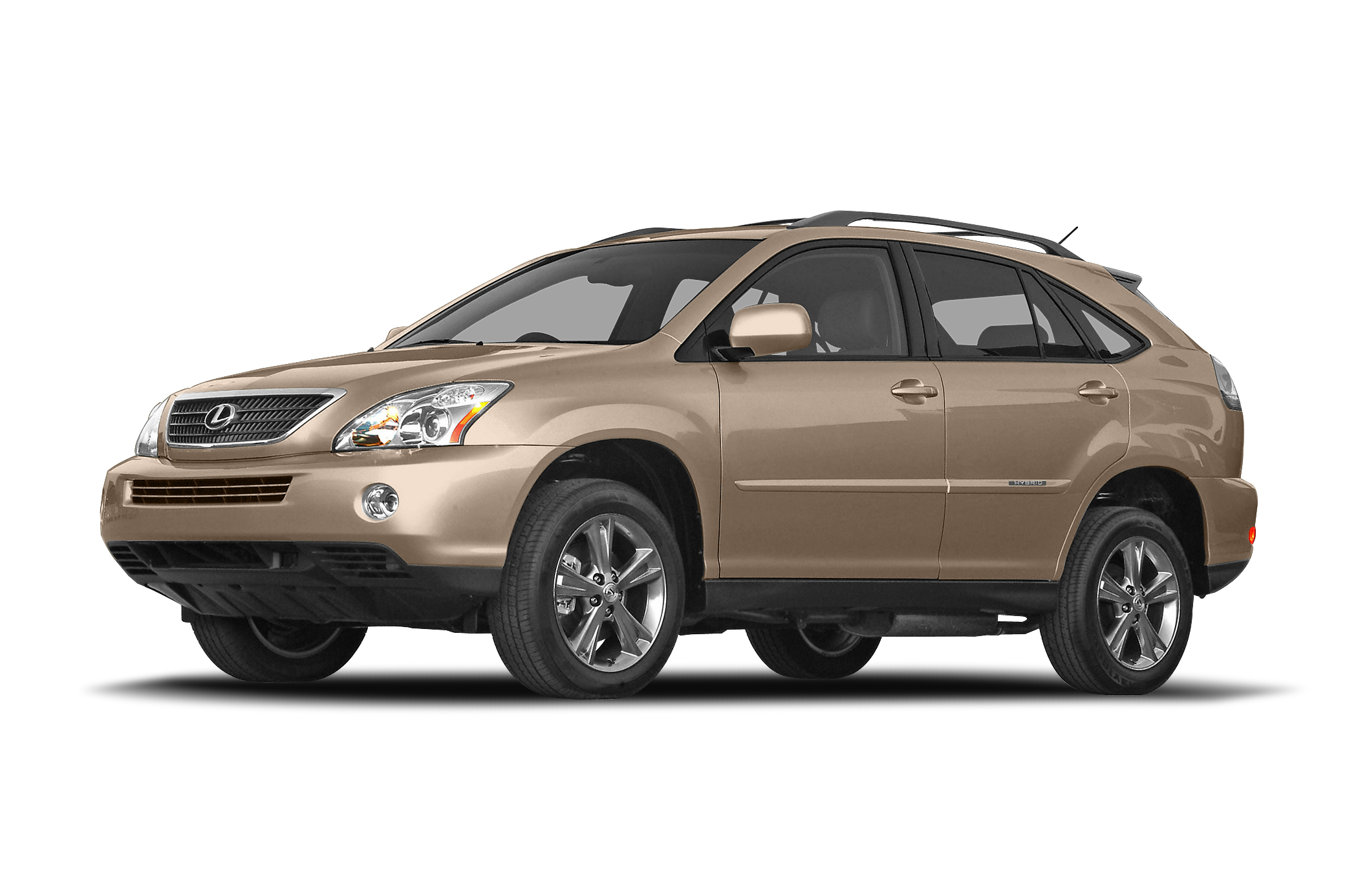
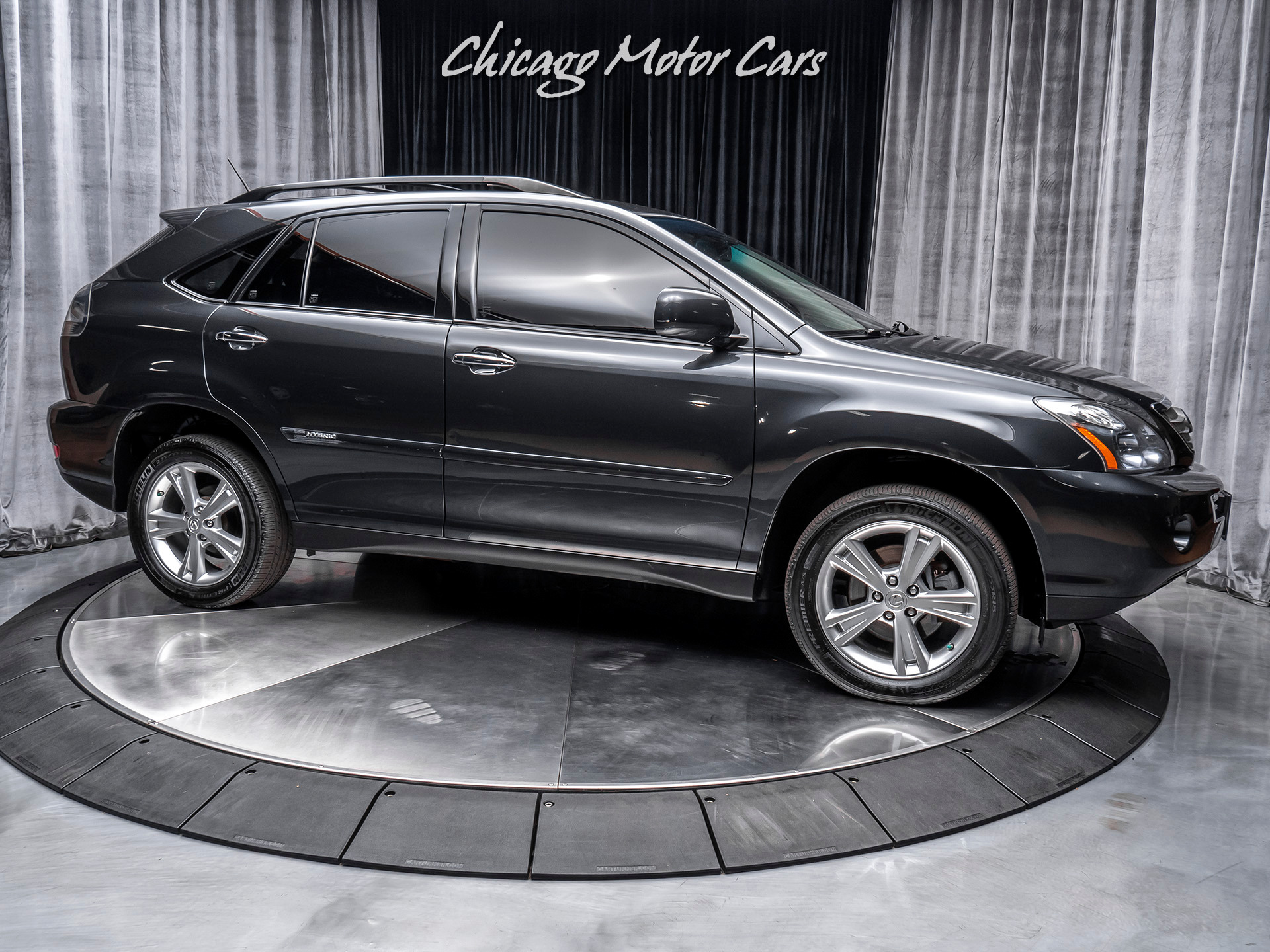
The 2006 Lexus RX 400h is widely regarded as a reliable luxury hybrid SUV, though owners often encounter specific issues related to its aging hybrid battery, inverter cooling systems, and suspension components. Addressing these concerns through proactive diagnostics and specialized maintenance is essential for maintaining vehicle performance and longevity two decades after its initial production.
Understanding the 2006 Lexus RX 400h Platform
The 2006 Lexus RX 400h represented a significant milestone in automotive history as one of the first luxury hybrid SUVs to reach the mass market. By pairing a 3.3-liter V6 gasoline engine with an electric motor system, Lexus provided a blend of power and fuel efficiency that was ahead of its time. However, by 2026, these vehicles have typically surpassed the 150,000 to 200,000-mile mark. Understanding the "problems" associated with this vehicle requires distinguishing between routine wear-and-tear items common to all aging luxury vehicles and hybrid-specific electrical components that demand specialized expertise.
While the RX 400h is celebrated for its robust build quality, the intersection of complex hybrid electronics and mechanical chassis components creates a unique ownership experience. For a prospective or current owner in 2026, the primary goal should be to separate "total failure" scenarios from "preventative maintenance" milestones.
The Hybrid Battery Life Cycle
The most prominent concern for any 2006 RX 400h owner is the high-voltage nickel-metal hydride (NiMH) battery pack. Originally designed to last the life of the vehicle, these batteries are now significantly past their expected service life.
Symptoms of a failing hybrid battery include a noticeable decrease in fuel economy, frequent activation of the gasoline engine, and the illumination of the "Check Hybrid System" warning light on the dashboard. In many cases, the vehicle may enter "limp mode," significantly reducing power output to protect the electrical system.
By 2026, replacing the battery is a known, albeit significant, maintenance cost. Owners have several options:
- New OEM Battery: Provides the longest warranty and reliability but is the most expensive path.
- Refurbished/Reconditioned Packs: A cost-effective alternative where individual cells are tested and replaced; however, the remaining life of the pack depends on the quality of the refurbishment process.
- Third-Party Upgrades: Some specialized shops offer newer chemistry packs, though these are less common and often require custom installation.
Inverter Cooling System Vulnerabilities
The inverter is the "brain" of the hybrid system, converting battery direct current (DC) into alternating current (AC) for the electric motors. This component generates significant heat and requires a dedicated liquid cooling loop, which is separate from the gasoline engine’s cooling system.
A common failure point is the inverter coolant pump. When this pump fails, the inverter may overheat, leading to a sudden loss of motive power. In the early production models of the RX 400h, there were also documented cases of internal inverter component failures. Owners should ensure that the inverter cooling system is flushed at manufacturer-recommended intervals. If the inverter coolant reservoir shows signs of contamination or low levels, it must be addressed immediately to prevent a catastrophic, high-cost electrical failure.
Suspension and Steering Wear
Beyond the hybrid-specific systems, the 2006 Lexus RX 400h is a heavy vehicle. The added weight of the battery pack and electric motors exerts significant stress on the suspension components compared to the standard RX 330 or RX 350.
- Control Arm Bushings: These rubber components often crack or tear after 100,000 miles, leading to a "clunking" noise when traveling over bumps and a loose, wandering steering feel.
- Struts and Shocks: Given the vehicle’s age, the original suspension dampeners have likely lost their effectiveness, resulting in excessive body roll or a bouncy ride quality.
- Steering Rack Leaks: Some units exhibit power steering rack seals that degrade over time, leading to fluid loss. Monitoring the power steering reservoir levels is a simple but vital task.
Common Mechanical Considerations
| Component | Typical Symptom | Recommended Action |
|---|---|---|
| Hybrid Battery | Decreased MPG, Warning Lights | Load test or replace modules |
| Inverter Pump | Overheating, Loss of Power | Inspect for flow and leaks annually |
| Control Arm Bushings | Clunking sounds, Uneven tire wear | Replace with polyurethane or OEM |
| Brake Actuator | "ABS/VSC" lights, Long pedal feel | Diagnostic scan for error codes |
| Timing Belt | High mileage service requirement | Replace at recommended 90k mile intervals |
The Brake Actuator and VSC System
The RX 400h utilizes an electronically controlled brake system (regenerative braking). Over time, the brake actuator—the unit responsible for building hydraulic pressure—can develop internal leaks or sensor faults. If you notice the "VSC" (Vehicle Stability Control) light illuminated alongside the "ABS" warning light, the brake actuator is frequently the culprit.
This is a technical, complex repair that requires a specific diagnostic scan tool capable of communicating with the Lexus hybrid system. Attempting to bleed these brakes without a specialized tool can lead to air remaining trapped in the system, which will cause a "spongy" pedal feel and unsafe braking performance.
Essential Maintenance for 2026 Owners
To keep a 2006 RX 400h operational in 2026, owners must move beyond generic oil changes. The following maintenance schedule provides a blueprint for longevity:
- Fluid Integrity: Aside from standard engine oil, ensure the transmission fluid (transaxle) is periodically inspected. While often labeled "sealed for life," frequent changes extend the life of the internal electric motors.
- Ground Point Inspection: Many electrical gremlins in aging Lexus vehicles are caused by corroded ground straps. Ensure all primary chassis ground points are clean and secure.
- Tire Management: Due to the vehicle's weight and the torque produced by the electric motors, the RX 400h is prone to accelerated tire wear. Maintaining proper alignment is the best way to prevent premature suspension strain.
Frequently Asked Questions
How do I know if my 2006 RX 400h hybrid battery is failing? The most reliable indicator is a warning light on the dashboard, usually labeled "Check Hybrid System." You may also notice the vehicle's state-of-charge gauge fluctuating wildly or the gasoline engine staying on constantly because the battery is unable to provide sufficient power to propel the vehicle in electric-only mode.
Is it worth fixing an inverter coolant pump failure? Yes, the inverter coolant pump failure is a known, manageable issue. It is a critical repair, as failure to replace a broken pump will lead to the inverter overheating, which is a much more expensive repair. The pump itself is a relatively straightforward replacement for a competent mechanic.
What is the significance of the timing belt on this model? The 3.3-liter V6 engine uses a timing belt, not a chain. This is an interference engine, meaning that if the belt breaks, significant internal damage will occur. It must be replaced every 90,000 miles or according to your service records. Do not defer this maintenance, even in a 2006 model.
Are there issues with the regenerative braking system? The primary issue is the brake actuator. Because the system uses an electric pump to build pressure, internal seals can fail after two decades. If you experience a soft pedal or constant ABS lights, seek a shop that has the Lexus "Techstream" or equivalent diagnostic software to pinpoint if the actuator or a wheel speed sensor is at fault.
Can I drive the vehicle if the hybrid battery is degraded? You should not drive the vehicle if the hybrid system indicates a failure. While the vehicle may have "limp mode" capabilities, continuing to operate it with a compromised battery can cause cascading electrical failures throughout the inverter and motor controller.
Next Steps for Owners
If you currently own or are considering the purchase of a 2006 Lexus RX 400h, your first step should be to obtain a comprehensive service history. If the vehicle lacks documentation of a timing belt change or a hybrid battery service, budget for these repairs immediately. Find a local independent hybrid specialist—not just a general mechanic—who has specific experience with Toyota/Lexus "Hybrid Synergy Drive" systems. By addressing the inverter cooling and high-voltage battery health first, you can ensure that this reliable platform continues to serve you well into the future.