A 2 to 1 slope angle—where the grade drops or rises 1 unit of vertical height for every 2 units of horizontal distance—translates to a 50% grade or an angle of approximately 26.57 degrees, representing a critical threshold in civil engineering, landscaping, and geotechnical stability.
Introduction to the 2 to 1 Slope Angle
In civil engineering, construction, and landscaping, slope geometry dictates everything from water drainage patterns to structural safety. Among the various gradients utilized in site planning, the 2 to 1 slope angle stands out as an industry standard. It represents the boundary between relatively stable earthworks and surfaces that demand intensive engineering intervention, retaining structures, or specialized erosion control measures.
Understanding this specific gradient requires examining its mathematical definition, physical characteristics, and the practical challenges it presents. Whether you are grading a residential backyard, designing a highway embankment, or calculating earthwork volumes for a commercial construction site, mastering the 2 to 1 slope angle ensures compliance with building codes, mitigates risks associated with soil erosion, and optimizes land use.
Defining the Geometry: What Does 2 to 1 Mean?
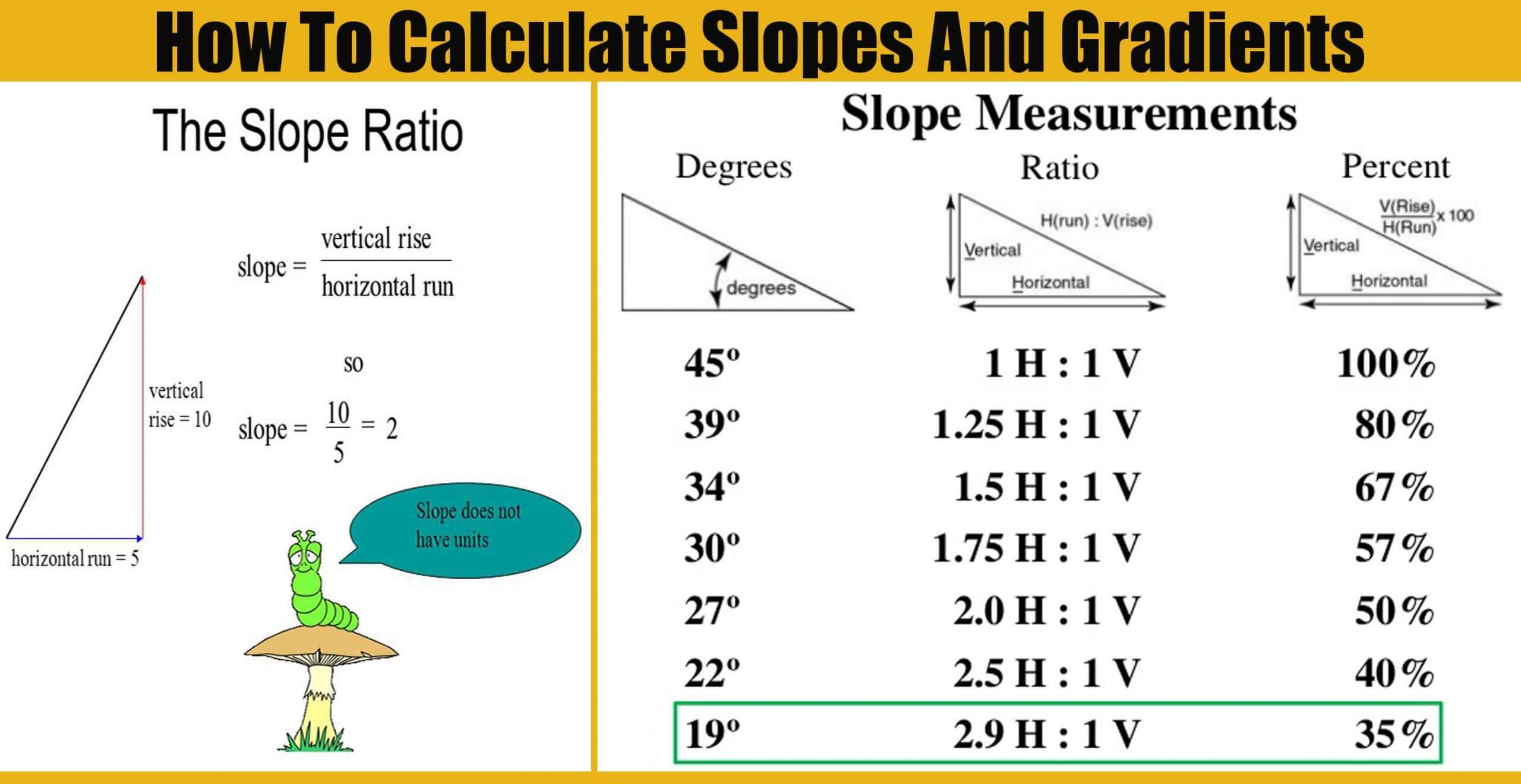
The terminology of slopes can often confuse those unfamiliar with construction jargon. A 2 to 1 slope ratio—frequently written as 2:1—means that for every 2 units of horizontal run, there is 1 unit of vertical rise or fall.
To visualize this, imagine standing at the bottom of a hill. For every two feet you walk horizontally away from the base, the ground climbs one foot vertically. If you travel twenty feet horizontally across the slope, you will gain ten feet in elevation.
This ratio can be converted into other standard measurements:
- Percentage Grade: A 2 to 1 slope is equal to a 50% grade. Percentage grade is calculated by dividing the vertical rise by the horizontal run and multiplying by 100 ($1 \div 2 \times 100 = 50%$).
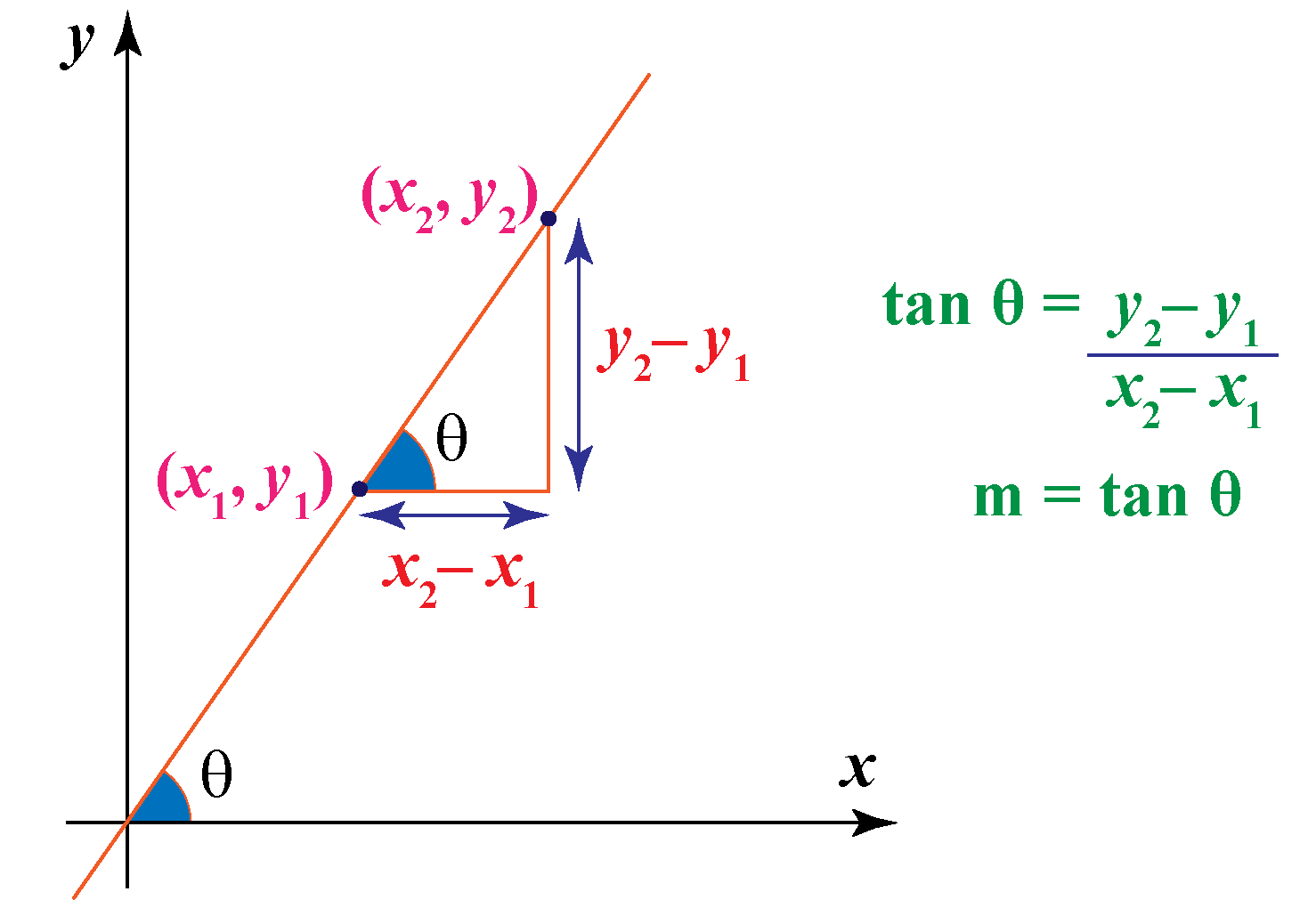
- Degrees of Angle: Trigonometrically, the angle of inclination is calculated using the arctangent of the rise divided by the run ($\arctan(1/2)$). This yields an angle of approximately 26.57 degrees from the horizontal plane.
Comparison of Common Engineering Slopes
| Slope Ratio | Percentage Grade | Angle (Degrees) | Typical Application |
|---|---|---|---|
| 4:1 | 25% | 14.04° | Safe for standard riding mowers, gentle residential grading, shallow roadside ditches. |
| 3:1 | 33.3% | 18.43° | Maximum recommended slope for walk-behind mowers and routine landscape maintenance. |
| 2:1 | 50% | 26.57° | Maximum standard stable slope for many unreinforced cohesive soils; standard cut-and-fill threshold. |
| 1.5:1 | 66.7° | 33.69° | Requires heavy stabilization, riprap, geotextiles, or structural retaining walls. |
| 1:1 | 100% | 45.00° | Extreme slope; typically restricted to rock cuts, reinforced earth structures, or engineered walls. |
Geotechnical Significance and Soil Mechanics
From a geotechnical perspective, a 2 to 1 slope angle is historically significant because it represents the classic "rule of thumb" maximum stable gradient for many unreinforced, compacted soil types. However, soil mechanics are complex, and treating a 2:1 ratio as a universal guarantee of stability can lead to catastrophic failures.
The Angle of Repose
Every loose granular material possesses an angle of repose—the steepest angle at which the material remains stable without sliding or sloughing. Dry sand, for example, typically has an angle of repose between 30 and 34 degrees. Because a 2 to 1 slope sits at approximately 26.57 degrees, it is generally less than the angle of repose for dry, coarse aggregates.
However, cohesive soils (such as clays and silts) behave differently. They derive their strength not just from particle friction, but also from electrochemical bonding and capillary suction. When dry, cohesive soils can stand at much steeper angles. Yet, when saturated with water, cohesive soils lose their shear strength dramatically.
Hydrogeology and Saturation Risks
Water is the primary enemy of any slope. When heavy rainfall infiltrates a 2 to 1 soil embankment, two destructive forces come into play:
- Increased Weight: Water adds significant dead weight to the soil mass, increasing the gravitational pull downward.
- Reduced Shear Strength: Pore water pressure builds up within the soil matrix, pushing soil particles apart and drastically lowering internal friction.
As a result, a slope that remains stable during dry summer months may experience slip failures, slumping, or mudslides during prolonged autumn storms or spring thaws if proper drainage is not integrated into the design.
Engineering and Construction Applications
The 2 to 1 slope angle appears across multiple civil disciplines due to its balance between maximizing usable flat land and minimizing the footprint of earthmoving operations.
Roadway Embankments and Cuts
In highway and railway engineering, right-of-way space is often expensive and tightly constrained. Engineers design cut slopes (where earth is excavated to create a roadbed) and fill slopes (where earth is compacted to elevate a roadbed) at 2 to 1 whenever geotechnical conditions permit. This gradient minimizes the amount of land that must be acquired while ensuring that vehicles accidentally running off the road can traverse the shoulder without experiencing an immediate rollover hazard, though steeper drop-offs still present severe risks.
Stormwater Management Basins
Dry detention basins, retention ponds, and bioswales frequently utilize 2 to 1 interior slopes. These angles allow engineers to maximize water storage capacity within a designated footprint while maintaining constructability with standard excavation machinery like excavators and bulldozers. Nevertheless, safety regulations often require flatter inner benches (such as 3:1 or 4:1) near the water's edge to prevent maintenance workers or the public from slipping into deep water on a steep, slick surface.
Retaining Wall Transitions
When a property level change exceeds what can safely or aesthetically be handled by a 2 to 1 slope, retaining walls are introduced. Often, grading codes permit a 2 to 1 slope above or below a retaining wall, provided the combined structure is analyzed by a licensed structural engineer or geotechnical firm to ensure global stability.
Erosion Control and Stabilization Techniques
Because a 50% grade is vulnerable to surface water runoff, leaving a 2 to 1 slope bare is rarely acceptable in modern construction practice. Raindrops dislodge unprotected soil particles, and sheet flow quickly concentrates into rills and gullies that can carve up an entire embankment within a single season.
Vegetation and Bioengineering
Establishing deep-rooted vegetation is one of the most cost-effective ways to stabilize a 2 to 1 slope. Grasses, shrubs, and small trees create a living network of tensile roots that bind the upper soil layers together.
- Hydroseeding: A slurry of seed, fertilizer, mulch, and tackifier is sprayed directly onto the slope. On a 2 to 1 grade, tackifiers are essential to prevent the seed mix from washing away before germination occurs.
- Live Staking: Inserting dormant cuttings of root-sprouting shrubs (such as willow or dogwood) directly into the soil creates a grid of structural roots as the plants mature.
Geosynthetics and Turf Reinforcement Mats (TRMs)
When vegetation alone cannot resist high-velocity water runoff, mechanical aids are deployed:
- Erosion Control Blankets (ECBs): Woven or non-woven blankets made of straw, coir (coconut fiber), or synthetic materials are staked onto the slope. They protect the soil surface from raindrop impact while trapping moisture to help seeds germinate.
- Turf Reinforcement Mats: Permanent synthetic mats that get integrated into the root system, providing permanent armor against high-shear water flows.
- Geocells: Three-dimensional honeycomb panels expanded over the slope and filled with soil, gravel, or concrete. Geocells effectively lock infill materials in place, eliminating rotational sliding on steep 2 to 1 grades.
Riprap Armor
For slopes subjected to active wave action, stream currents, or concentrated pipe outlets, layers of graded broken stone—known as riprap—are placed over a non-woven geotextile filter fabric. The stone dissipates hydraulic energy and prevents underlying soils from scouring away.
Maintenance Challenges and Safety Considerations
Maintaining a 2 to 1 slope introduces significant operational hurdles, particularly regarding landscaping equipment and worker safety.
Mowing and Equipment Operation
Standard lawn mowers and zero-turn riding mowers cannot safely operate on a 50% grade. Operating a conventional riding mower across a 2 to 1 slope creates an extreme risk of lateral rollover, which can result in severe operator injury or fatality.
- Alternative Equipment: Specialized remote-controlled slope mowers, spider mowers, or heavy-duty tractors equipped with dual wheels and low centers of gravity are required.
- Manual Labor: In many cases, maintenance defaults to string trimmers operated by workers tethered to anchor points at the top of the slope using harnesses and safety lines.
Slip, Trip, and Fall Hazards
Personnel walking up or down an unpaved 2 to 1 slope face constant ergonomic strain and slip hazards, especially when the ground is wet, frosty, or covered in loose gravel. Safe access pathways, such as stepped timber terraces or designated walking switchbacks, must be incorporated into landscape designs where frequent pedestrian access is necessary.
Regulatory Standards and Permitting Requirements
Local municipal codes, zoning laws, and state departments of transportation enforce strict guidelines concerning slope construction.
- Setback Requirements: Many building departments require structures (such as houses, pools, or detached garages) to maintain a specific horizontal setback distance from the top or bottom of a 2 to 1 slope to protect foundations from sliding or settlement.
- Grading Permits: Altering existing topography or creating new cut-and-fill slopes often requires a formal grading permit, accompanied by a site plan prepared by a registered civil engineer.
- Environmental Compliance: Disturbing soil on steep grades dramatically increases the potential for sediment runoff into municipal storm sewers, rivers, and lakes. Consequently, Stormwater Pollution Prevention Plans (SWPPP) typically mandate rigorous Best Management Practices (BMPs)—such as silt fences, sediment basins, and construction entrance stabilization—whenever work involves 2 to 1 slopes.
Step-by-Step Guide to Calculating and Laying Out a 2 to 1 Slope
If you are planning a landscaping or construction project that requires establishing a 2 to 1 slope, accurate layout in the field is vital. Follow these steps to ensure precision:
- Establish the Grade Limits: Use wooden stakes and mason's string to mark the top of the slope (where the cut or fill begins) and the toe of the slope (where it terminates).
- Measure the Elevation Change (Rise): Using a laser level, transit, or builder’s level, determine the total vertical drop or rise required between the top and toe lines.
- Calculate the Run Distance: Multiply the total vertical rise by 2. For example, if your vertical drop is 4 feet, your horizontal run must be 8 feet ($4 \times 2 = 8$).
- Set Batter Boards and Guide Strings: Install batter boards at the ends of the slope and run string lines set to the exact 26.57-degree angle (or matching the 2-to-1 ratio) to serve as a physical guide for equipment operators or manual laborers.
- Excavate or Fill in Lifts: If building a fill slope, place soil in thin layers (typically 6 to 8 inches loose thickness) and compact each layer thoroughly using mechanical compactors (such as a vibratory plate or sheep's-foot roller) to achieve maximum soil density and prevent future settlement.
Frequently Asked Questions
Can you walk safely up and down a 2 to 1 slope?
Walking up or down a 2 to 1 slope is possible, but it is physically demanding and poses a slipping hazard, especially when the ground is wet, icy, or loose. It is not recommended as a routine pedestrian pathway without engineered steps, terracing, or handrails.
What is the difference between a 2 to 1 slope and a 45-degree angle?
A 2 to 1 slope has an angle of approximately 26.57 degrees, representing a 50% grade. A 45-degree angle represents a 1 to 1 slope (100% grade), where the vertical rise equals the horizontal run. Therefore, a 2 to 1 slope is significantly flatter and less steep than a 45-degree slope.
What equipment is required to mow a 2 to 1 slope?
Standard residential lawn mowers cannot be used on a 2 to 1 slope due to severe rollover risks. Maintaining this gradient requires specialized remote-controlled slope mowers, tethered walk-behind equipment, or manual labor using string trimmers and safety harnesses.
Do I need a permit to grade a 2 to 1 slope on my property?
Permit requirements vary by municipality and jurisdiction, but most local building departments require grading permits and engineered plans for any substantial earthwork, retaining walls, or significant modifications to steep slopes to prevent erosion and property damage.
How do I stop erosion on an existing 2 to 1 slope?
Erosion on a 2 to 1 slope can be controlled by establishing deep-rooting vegetation through hydroseeding or live staking, installing erosion control blankets or turf reinforcement mats, constructing terraced retaining walls, or applying a protective layer of riprap stone over a geotextile fabric.
Conclusion
The 2 to 1 slope angle remains a foundational concept across civil engineering, construction, and property landscaping. Achieving a successful balance on a 50% grade requires meticulous planning, an understanding of soil mechanics, proper drainage integration, and rigorous erosion control measures. By respecting the structural limitations of earth and adhering to engineering standards, professionals and property owners alike can safely harness the geometric efficiency of the 2 to 1 slope while safeguarding their investments against environmental degradation.