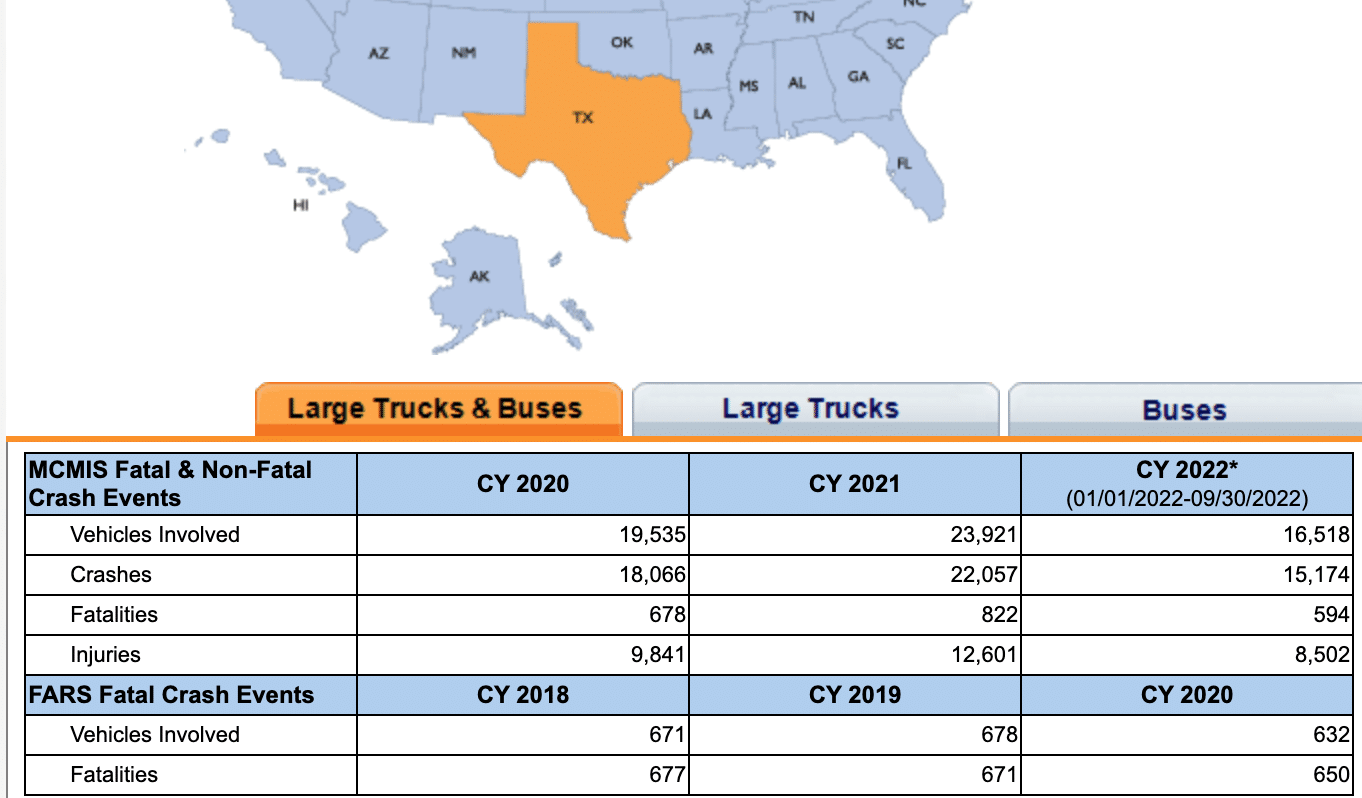
Navigating the financial aftermath of a commercial motor vehicle crash can feel overwhelming, particularly when dealing with severe injuries, mounting medical bills, and lost wages. Most commercial truck accident attorneys operate on a contingency fee arrangement, meaning clients pay no upfront out-of-pocket hourly fees. Instead, the lawyer's compensation is a pre-agreed percentage of the final financial recovery obtained through a settlement or a court verdict, shifting the financial risk away from the injured party and aligning the attorney's success directly with the outcome of the case.
When an individual suffers injuries from a collision involving a semi-truck, tractor-trailer, or commercial delivery vehicle, the legal and financial landscape differs substantially from standard passenger car accidents. Commercial trucking operations involve complex federal regulations established by the Federal Motor Carrier Safety Administration (FMCSA), multiple corporate layers, commercial insurance policies with high limits, and aggressive defense teams. Understanding how legal representation is financed allows injured parties to secure skilled counsel without incurring immediate financial distress.
The Contingency Fee Model in Commercial Trucking Litigation
The vast majority of personal injury and commercial vehicle collision attorneys work on a contingency fee basis. Under this financial structure, the lawyer receives payment only if they successfully recover compensation for the client. If the claim results in no recovery—whether through a dismissal, a lost trial, or an inability to find liable parties—the client typically owes no attorney fees for the time and labor invested in the case.
Standard Percentage Ranges
Contingency percentages are not legally fixed by federal or state statutes, but they generally fall within established industry standards. For most commercial vehicle collision claims settled before filing a formal lawsuit, the standard fee ranges from 33.3% (one-third) to 40% of the total recovery. If the case proceeds to litigation, goes through formal court discovery, and requires a trial before a judge and jury, the percentage may increase to 40% or 45%, depending on the complexity of the litigation and the initial fee agreement signed by the client.
Evaluating Risk and Effort
The tiered percentage structure reflects the escalating financial risk and workload required to litigate against major trucking corporations and insurers. Investigating a commercial trucking collision requires substantial resources. Attorneys often need to hire accident reconstructionists, download data from the truck's Electronic Control Module (ECM or "black box"), analyze driver logs for violations of Hours of Service (HOS) rules, and depose corporate safety directors. Because a trial demands significantly more labor, expert witness funding, and court preparation, the higher percentage for litigation accounts for this expanded investment.
Upfront Costs and Case Expenses Explained
While contingency fees cover the attorney's time and legal services, personal injury litigation also incurs various out-of-pocket operational costs. These expenses are distinct from attorney fees and are necessary to build a compelling liability and damages case against a trucking company.
| Expense Category | Typical Activities and Costs Covered |
|---|---|
| Court and Filing Fees | Complaint filing, motion filings, local court fees |
| Expert Witness Retainers | Accident reconstructionists, medical specialists, trucking industry compliance experts |
| Discovery and Deposition Costs | Court reporters, video depositions, transcript production fees |
| Medical Record Procurement | Obtaining certified medical records, billing statements, and diagnostic imaging |
| Investigation Expenses | Police report retrieval, photography, black box data extraction (ECM downloads) |
Who Pays for Case Expenses?
Law firms handle case expenses differently based on their individual retainer agreements. Most reputable commercial vehicle accident law firms advance all case expenses on behalf of the client. This means the client does not pay these costs as they occur. Instead, the advanced expenses are reimbursed to the firm out of the final settlement or court award after the attorney fees are deducted.
Case Expenses vs. Attorney Fees
It is vital to distinguish between fees and costs. Fees compensate the attorney for their legal representation and advocacy. Costs represent the actual hard expenses paid to third-party vendors, court clerks, and expert witnesses to prove fault and damages. Clients must review their written retainer agreement to determine whether case expenses are deducted before or after the contingency fee is calculated, as this math significantly affects the final payout.
Flat Fees and Hourly Rates: Why They Are Rare in Trucking Cases
Some individuals assume attorneys always bill by the hour or charge a flat fee for services. However, hourly billing and flat fees are rarely used in 18-wheeler accident litigation for several practical reasons.
The Prohibitive Cost of Hourly Billing
If a commercial trucking lawyer billed at a standard hourly rate—ranging anywhere from $250 to $600 per hour or more depending on market and experience—a complex trucking case requiring hundreds of hours of investigation, depositions, and trial preparation could easily accumulate tens or hundreds of thousands of dollars in legal bills before a resolution is reached. Most crash victims, already facing medical debt and lost income, cannot afford to pay hourly retainers out of pocket.
Alignment of Interests
The contingency fee structure aligns the financial incentives of both the attorney and the client. Because the lawyer only gets paid if money is recovered, they are economically motivated to maximize the recovery amount and evaluate the case's merits honestly. If an attorney believes a claim lacks viability, they will typically decline representation, sparing the client from pursuing a fruitless legal battle.
Factors Influencing Total Legal Costs and Recovery
The ultimate cost of legal representation—measured by the dollar amount deducted from a settlement—depends heavily on multiple case-specific variables. No two commercial vehicle accidents are identical, and the financial trajectory of a claim shifts based on operational and legal complexities.
1. Severity of Injuries and Medical Expenses
The more severe the injury, the higher the medical expenses, long-term care costs, and economic losses. Higher damages require more extensive documentation, testimony from medical economists, and life-care planners. While the percentage fee remains the same, the absolute dollar amount paid to the firm increases in higher-value cases due to the immense scale of damages.
2. Number of Liable Parties
Commercial vehicle collisions often involve multiple potentially liable entities beyond just the truck driver. Liability can extend to:
- The motor carrier or trucking company (for negligent hiring, training, or supervision).
- The cargo loader or shipper (for improper weight distribution or unsecured freight).
- The maintenance provider (for mechanical failures like brake degradation).
- The truck or parts manufacturer (for defective steering systems, tires, or underride guards).
Involving multiple corporate defendants multiplies the complexity of discovery, increases the number of depositions required, and raises total case expenses.
3. Willingness of Insurers to Settle
If a commercial insurer acknowledges liability promptly and offers a fair settlement early in the claims process, the case may resolve without formal litigation, keeping expert witness and court costs lower. Conversely, if the defense insurer disputes liability, employs aggressive tactics, or forces the matter into a protracted trial, expenses and the eventual fee structure reflect the expanded litigation effort.
What to Look for in a Retainer Agreement
Before signing any contract with a legal representative, clients should read every clause of the retainer agreement or fee contract. Transparency is essential to maintaining a healthy attorney-client relationship.
- Clear Percentage Definitions: Verify whether the contingency percentage changes if the case goes to trial or appeal.
- Expense Deduction Method: Confirm whether expenses are subtracted before the contingency percentage is calculated ("gross recovery deduction") or after ("net recovery deduction").
- Termination Clauses: Understand the protocol if you decide to change attorneys midway through the legal process, including your potential responsibility for reimbursing quantum meruit (reasonable value of services rendered) or incurred expenses.
- Communication and Billing Statements: Ensure the firm provides periodic updates regarding expenses incurred on your behalf.
Frequently Asked Questions
Can I negotiate the contingency fee percentage with an 18-wheeler accident lawyer?
Yes, contingency percentages are technically negotiable, though standard rates (33.3% to 40%) are common across the personal injury sector. Highly experienced trial lawyers handling catastrophic injury or wrongful death cases involving multiple corporate defendants may hold firm on their rates due to the substantial financial investment required to build the case.
What happens to my legal costs if we lose the truck accident lawsuit?
Under a standard contingency fee agreement, if the lawsuit is lost and no financial recovery is secured, you do not owe attorney fees. Regarding case expenses, reputable firms usually absorb the risk of advanced costs if the case is unsuccessful, but this must be explicitly verified in writing within your specific retainer agreement before signing.
Are there any hidden fees associated with commercial truck accident lawsuits?
Reputable law firms do not have hidden fees, but all potential deductions—such as costs for postage, medical record retrieval fees, expert witness retainers, and travel expenses—should be itemized in the written fee agreement. Always ask for a clear explanation of how third-party costs are handled during your initial consultation.
Why do 18-wheeler accident cases cost more to litigate than car accident cases?
Commercial trucking litigation requires specialized technical evidence, such as black box data extraction, compliance audits of FMCSA safety records, cell phone and electronic logging device (ELD) data analysis, and multiple expert witnesses (e.g., reconstructionists, toxicologists, and medical specialists). These technical requirements demand a higher financial and operational investment from the law firm.
How do attorneys get paid when a settlement is reached?
When a settlement check or trial verdict is paid by the insurance company, the funds are typically deposited into a secure attorney trust account (IOLTA). The lawyer then disburses the funds according to the settlement breakdown: paying outstanding medical liens, reimbursing advanced case expenses, deducting the agreed attorney fee percentage, and distributing the remaining net recovery directly to the client.
Next Steps for Injured Parties
If you or a loved one has been involved in a collision with an 18-wheeler, the most prudent initial step is to schedule a free, no-obligation consultation with a qualified commercial vehicle accident attorney. Use this consultation to ask specific questions about their fee structure, who covers upfront litigation costs, their experience handling complex trucking litigation, and how they handle corporate defense tactics. Prompt consultation is vital to preserve time-sensitive evidence, such as physical truck components, driver logbooks, and electronic data before it can be legally altered or destroyed.