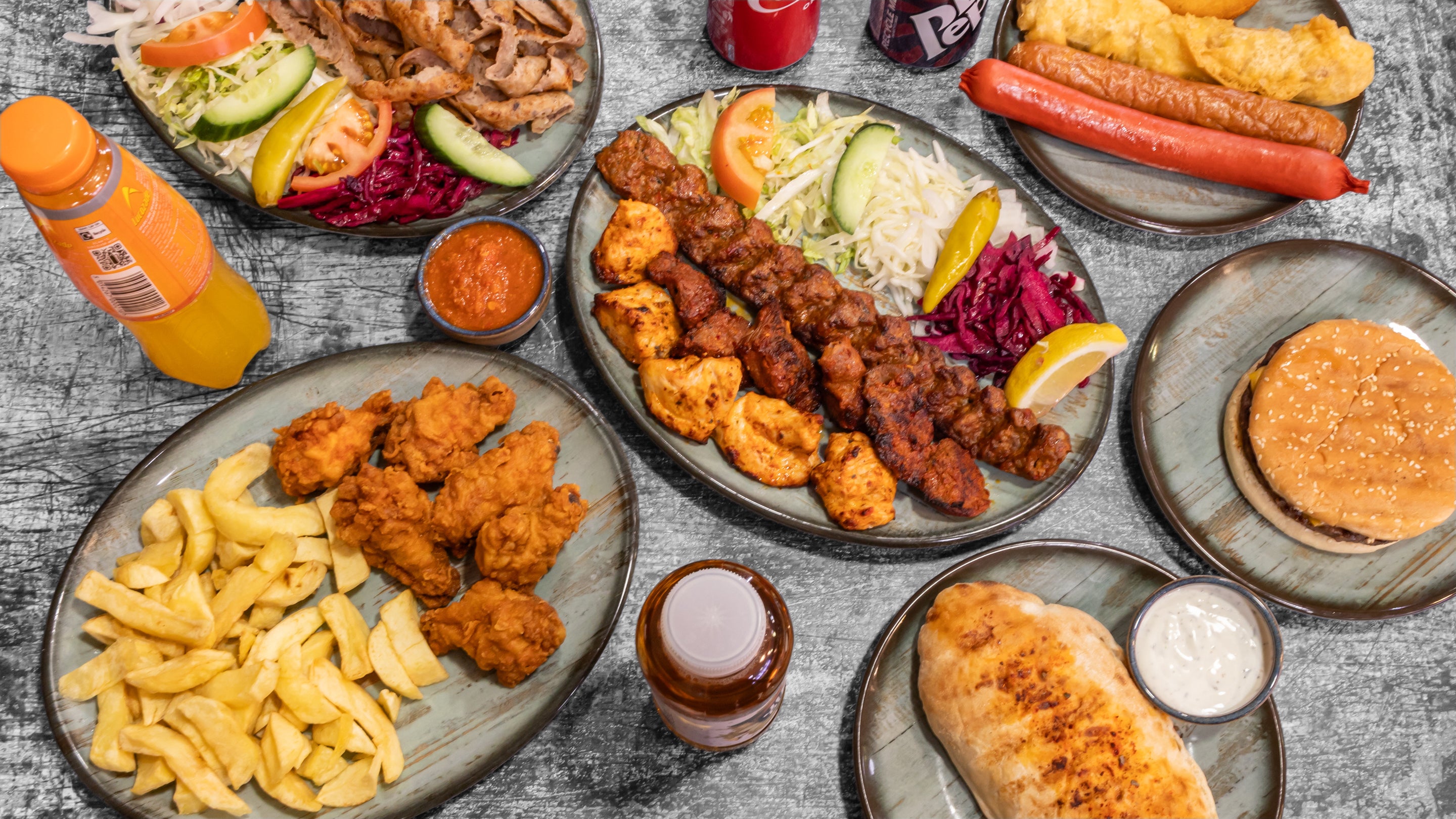
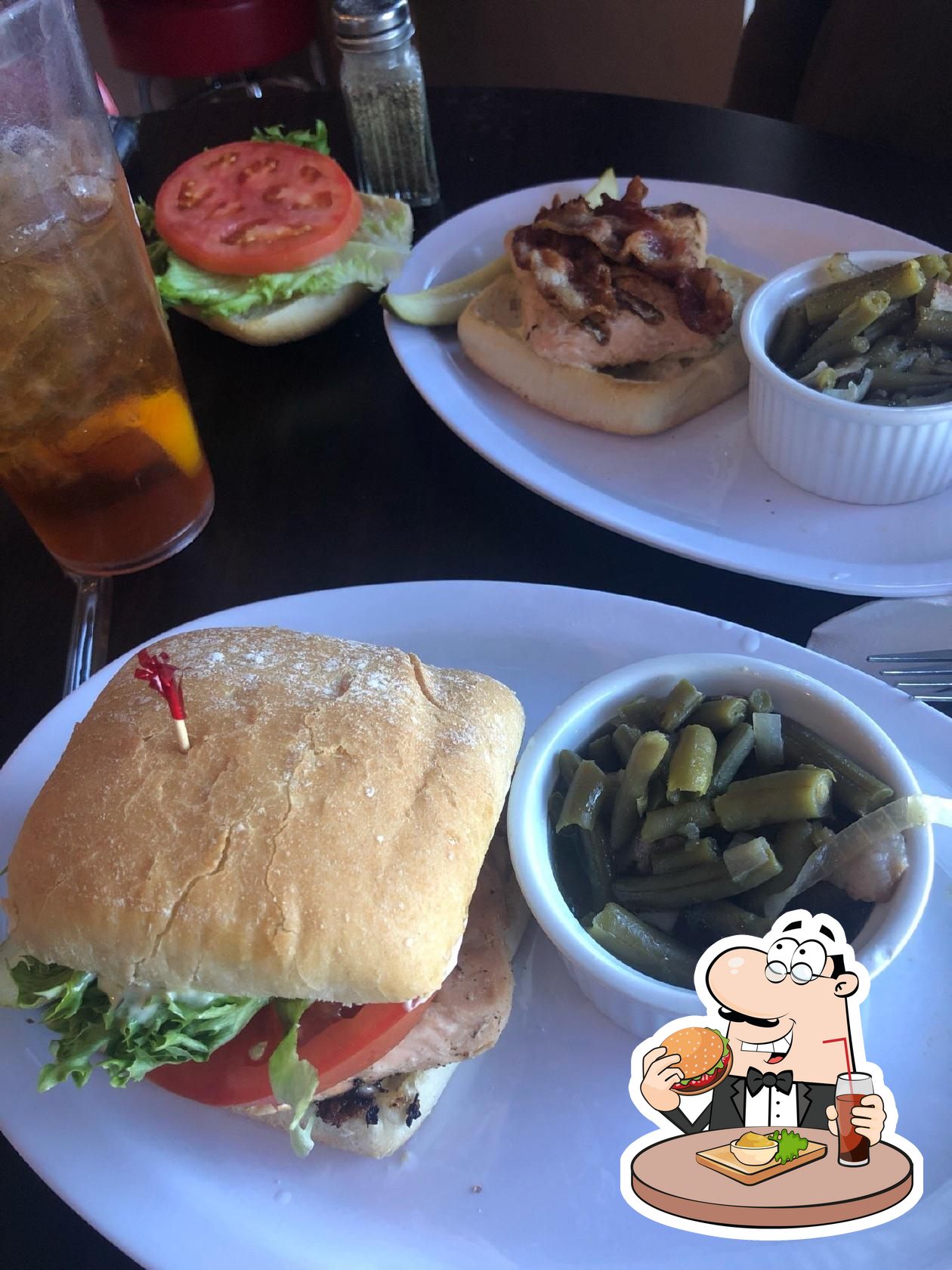
The recent menu overhaul at 104 Bar and Grill sparked a swift and polarized reaction among longtime patrons and local food critics alike, highlighting the delicate balance independent restaurants must strike between modernization and customer retention. When a community staple alters its culinary identity, the ensuing debate often exposes deep tensions regarding authenticity, pricing, and operational survival in a shifting economic landscape.
Understanding the Roots of the 104 Bar and Grill Menu Overhaul
Every independent restaurant reaching a certain operational maturity eventually confronts the necessity of an evolutionary step. For 104 Bar and Grill, the decision to restructure its menu was driven by a combination of rising supply chain costs, shifting consumer dietary preferences, and an overarching desire to modernize the dining experience. In the contemporary hospitality sector, menu engineering is not merely an artistic choice; it is a vital financial strategy designed to maximize kitchen efficiency and protect profit margins against inflation.
Historically, the establishment relied on a comfort-food blueprint featuring classic pub grub, deeply ingrained in the local dining culture. However, management identified inefficiencies in the kitchen workflow and an over-reliance on items with volatile wholesale pricing. The overhaul aimed to streamline inventory, reduce food waste, and introduce contemporary culinary elements that appeal to a broader demographic without completely alienating the core customer base. Unfortunately, bridging the gap between nostalgic expectation and modern culinary ambition proved far more contentious than anticipated.
The Catalyst for Controversy: What Changed on the Plate?
The controversy surrounding 104 Bar and Grill crystallized the moment regular patrons discovered that several signature staples had been modified, repositioned, or outright removed from the menu. In the restaurant industry, emotional attachment to specific dishes often outweighs appreciation for culinary innovation. When a beloved menu item disappears, patrons frequently interpret the change as a rejection of the community that built the business.
Beyond the deletion of classic items, the introduction of new culinary offerings altered the price-to-value proposition that customers had grown accustomed to over the years. The shift toward higher-end ingredients, artisanal presentations, and house-made components inevitably led to increased menu pricing. This price adjustment, paired with portion-size re-evaluations typical of modern menu engineering, triggered vocal dissatisfaction across local review platforms and social media channels.
Key Drivers of Customer Pushback
- Removal of Legacy Items: The elimination or significant alteration of long-standing comfort food favorites.
- Price Realization: Higher price points introduced to offset rising ingredient acquisition costs and labor overhead.
- Perceived Identity Shift: A transition from a casual, unpretentious neighborhood pub toward a more upscale gastropub aesthetic.
- Portion and Presentation Changes: Adjustments to plate composition that some patrons perceived as reductions in overall value.
Operational Realities and Economic Pressures
To understand the controversy objectively, one must examine the macroeconomic factors forcing restaurants to adapt. Independent establishments face unprecedented pressures, including escalating minimum wage requirements, unpredictable supply chain logistics, and steep increases in commercial rent and utilities. Sticking to a static menu model often spells financial ruin when the cost of staple ingredients fluctuates wildly.
Management at 104 Bar and Grill faced a difficult fork in the road: absorb unsustainable costs and risk sudden closure, or restructure the menu to achieve financial viability. The overhaul was intended to optimize cross-utilization of ingredients—using the same high-quality components across multiple dishes to minimize spoilage and inventory overhead. While these practices are standard operating procedure in modern commercial kitchens, communicating the necessity of these changes to patrons who view the restaurant as a public living room remains a formidable communications challenge.
Community Reaction and Digital Discourse
The modern restaurant landscape amplifies localized disputes through digital channels, transforming neighborhood disagreements into public relations flashpoints. Following the rollout of the new menu at 104 Bar and Grill, online forums and review aggregators saw a surge in polarizing commentary. While some patrons praised the elevated flavor profiles, improved presentation, and incorporation of dietary-conscious options such as gluten-free and plant-based alternatives, a vocal contingent expressed profound nostalgia for the old format.
This digital friction illustrates a broader lesson in hospitality management: the speed of negative feedback online can outpace a restaurant's ability to contextualize its business decisions. Establishments caught in this dynamic must navigate the delicate task of listening to constructive criticism while holding firm to their strategic operational vision.
| Dimension | Old Menu Model | Overhauled Menu Model | Strategic Impact |
|---|---|---|---|
| Primary Focus | Classic comfort food and traditional pub fare | Elevated gastropub items and modern presentations | Appeals to a broader demographic while risking alienating traditionalists |
| Pricing Strategy | Lower, predictable price points anchored in volume | Adjusted upward to reflect ingredient and labor costs | Protects profit margins against inflation but triggers value concerns |
| Kitchen Efficiency | High inventory variance and distinct ingredient silos | Cross-utilized ingredients and streamlined station workflows | Reduces food waste and accelerates ticket times during peak hours |
| Dietary Accommodation | Limited options for specialized nutritional needs | Expanded inclusions for modern dietary preferences | Broadens market reach among health-conscious diners |
Navigating Change: Lessons for Independent Dining Establishments
The situation at 104 Bar and Grill offers valuable insights for other hospitality operators contemplating a major menu pivot. Successfully managing such transitions requires a calculated approach to communication, gradual rollout phases, and active community engagement. When patrons understand why a change is happening—whether through transparent social media updates, chef-led tasting events, or thoughtful menu descriptions—resistance often softens into curiosity.
Furthermore, retaining a few untouchable legacy items can serve as an emotional bridge, assuring regular customers that their loyalty is valued even as the establishment evolves. Balancing respect for the past with the operational necessities of the future remains the ultimate test for any neighborhood institution navigating modernization.
Frequently Asked Questions
Why did 104 Bar and Grill decide to overhaul its menu?
The restaurant undertook the menu overhaul to combat rising supply chain and labor costs, improve kitchen efficiency, reduce food waste, and introduce contemporary culinary options that appeal to a wider audience.
Were all the classic dishes completely removed?
While several legacy items were retired or modified to streamline inventory, management retained select crowd favorites to maintain a connection with the establishment's long-standing customer base.
Why are patrons upset about the changes?
Patrons often develop strong emotional attachments to specific menu items and familiar price points. The combination of item removals, aesthetic shifts toward a gastropub style, and higher prices created a perceived loss of value for some regular customers.
How do independent restaurants handle rising costs without losing customers?
Operators typically rely on ingredient cross-utilization, strategic portion adjustments, and gradual price increases, combined with proactive communication explaining the economic realities driving the changes.
Next Actions for Diners and Industry Observers
For diners interested in evaluating the changes firsthand, visiting during off-peak hours allows for a more relaxed exploration of the new culinary offerings and a direct dialogue with the service staff. For hospitality professionals and local observers, monitoring how 104 Bar and Grill adapts its strategy in response to community feedback will provide a compelling case study in modern restaurant management and customer relations.