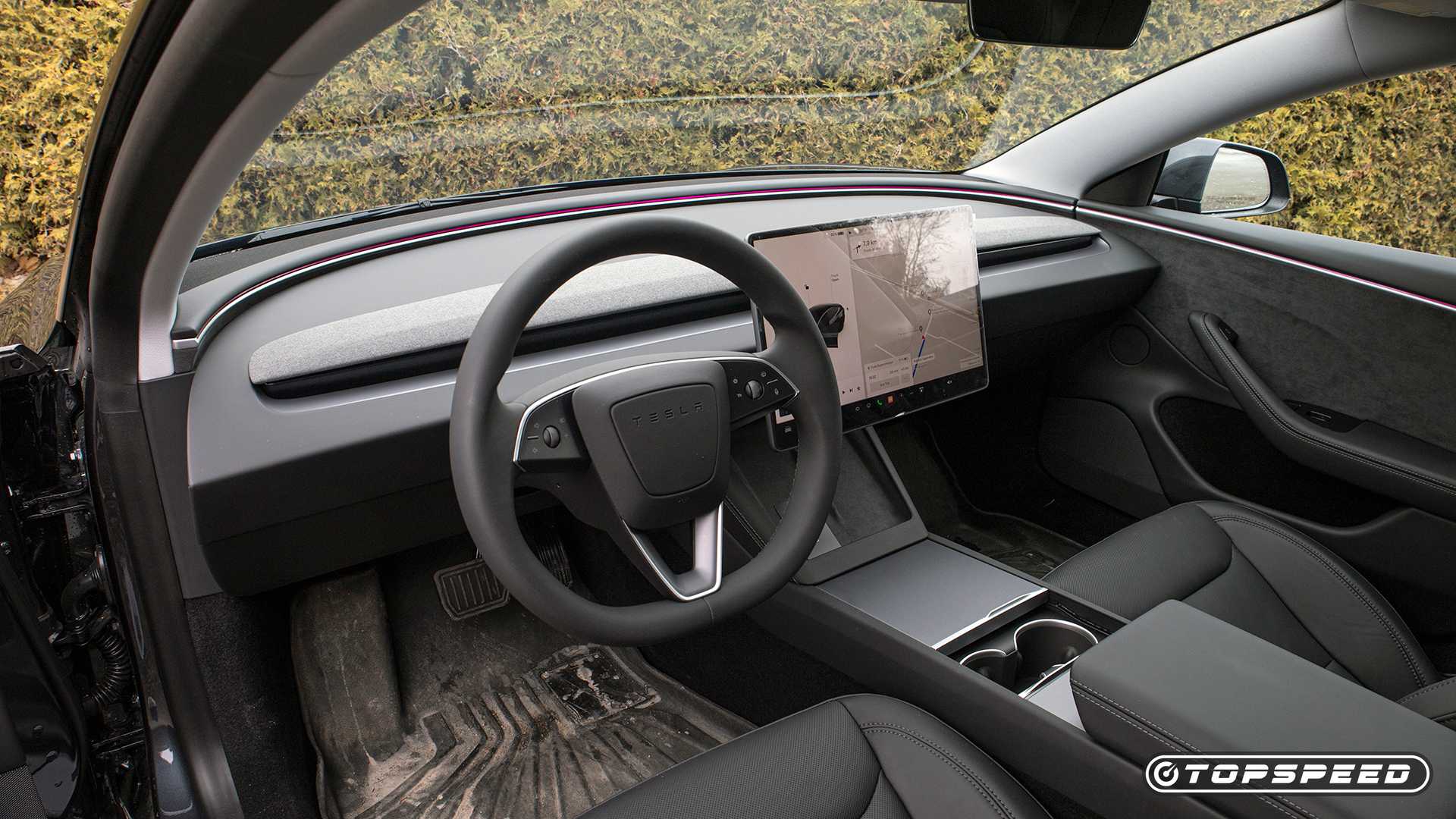
Choosing the interior color scheme for a modern electric vehicle involves balancing daily aesthetic preferences with long-term practical considerations. The Tesla Model 3 white interior, officially known as the "White and Black" premium interior, represents one of the most popular styling upgrades for the brand. It transforms the cabin from a minimalist, dark sanctuary into an open, futuristic environment that mimics luxury vehicles costing significantly more. However, choosing this stark color scheme introduces specific maintenance responsibilities, temperature management differences, and durability factors that every prospective buyer should understand before configuring their vehicle.
Historical Context and Evolution of the Model 3 Cabin
When Tesla first introduced the Model 3, the interior options were starkly limited to all-black fabric or synthetic leather. The minimalist dashboard—devoid of traditional instrument clusters, air vents, and buttons—relied heavily on materials and textures to create a premium feel. The introduction of the white interior option brought a dramatic shift in how the cabin space was perceived.
By pairing bright white vegan leather seats and door panel inserts with dark dashboard accents and wood or textile trim (depending on the production year), Tesla created a high-contrast aesthetic. Over successive manufacturing iterations, including major interior refreshes, the core formula of the white interior remained consistent: a commitment to polyurethane-based synthetic leather designed to resist stains while offering a softer, more supple touch than traditional leather alternatives.
Aesthetic Appeal and Visual Impact
The primary driver for selecting the white interior is its visual impact. When the doors of a Model 3 open, the cabin immediately draws the eye, projecting a clean, spacecraft-like atmosphere.
- Spatial Perception: Light colors naturally reflect more ambient light, making small spaces feel larger. In the Model 3, which features a standard all-glass roof, the white seats amplify the natural light entering the cabin, creating an airy, expansive feel that is particularly noticeable for rear-seat passengers.
- Contrast and Detailing: The stark white surfaces contrast sharply with the black steering wheel, center console, floor mats, and window switches. This dual-tone layout prevents the cabin from looking sterile while highlighting the geometric lines of the interior architecture.
- Perceived Luxury: Historically, white leather was reserved for high-end exotic cars or bespoke luxury builds due to its maintenance intensity. Bringing this option to a mass-market electric vehicle democratizes high-end cabin styling, though it shifts the maintenance burden onto the owner.
Material Composition and Vegan Leather Durability
Tesla moved away from traditional animal leather years ago, adopting custom-engineered polyurethane (PU) synthetic materials for its seating surfaces. This material choice carries specific properties relevant to the white interior configuration.
| Feature | Tesla Model 3 White Synthetic Interior |
|---|---|
| Primary Material | Custom polyurethane (PU) vegan leather |
| Cleaning Resistance | High resistance to liquid spills and oils |
| UV Stability | Treated with anti-yellowing and UV-blocking agents |
| Temperature Retention | Reflects direct solar load better than black PU |
| Perforation Type | Micro-perforated for seat ventilation compatibility |
The polyurethane material used in modern Model 3 vehicles is non-porous compared to genuine leather, meaning that spilled liquids do not immediately soak into the cushion padding. Instead, liquids pool on the surface, giving the owner a window to wipe them away. Furthermore, Tesla applies proprietary treatments to prevent dye transfer—such as indigo bleeding from raw denim jeans—though prevention still requires routine cleaning.
Real-World Maintenance and Cleaning Requirements
The most common hesitation regarding the white interior is the fear of staining. While the material is engineered to withstand daily wear, it does require a proactive maintenance routine to keep it looking pristine.
Daily and Weekly Care
For routine dust, light dirt, and crumbs, a simple microfiber cloth lightly dampened with warm water is usually sufficient. Owners should avoid harsh abrasive scrubbers, magic erasers (melamine foam), or bleach-based household cleaners, as these can strip the protective top coat of the polyurethane material, leading to permanent surface damage or premature cracking.
Dealing with Dye Transfer
Indigo transfer from blue jeans is the single most frequent issue reported by white interior owners. Over time, friction deposits denim dye onto the driver's seat bolster and base.
- Prevention: Applying a ceramic coating specifically formulated for automotive leather and vinyl can create a sacrificial barrier, making it easier to wipe away dye transfer.
- Removal: Mild dish soap diluted in warm water or specialized automotive interior cleaners designed for synthetic leather will lift dye transfer without harming the material. Gently agitating the surface with a soft-bristled horsehair brush helps release trapped particles from the grain of the vegan leather.
Thermal Performance and Climate Control
A common misconception is that white seats absorb less heat than black seats when parked under direct sunlight. While light colors reflect more visible light, the physical greenhouse effect inside a sealed car cabin still causes interior temperatures to rise significantly.
However, the white interior does offer distinct thermal advantages:
- Touch Temperature: Black synthetic leather absorbs infrared radiation and can become uncomfortably hot to the touch after sitting in the sun. White surfaces stay noticeably cooler, allowing occupants to sit down without discomfort sooner than they would in an all-black cabin.
- Cabin Overheat Protection: Utilizing Tesla's software features, such as Cabin Overheat Protection and remote pre-conditioning via the mobile app, mitigates extreme temperatures regardless of interior color choice.
Cost Considerations and Configuration Impact
Selecting the white interior option involves financial trade-offs at the time of vehicle purchase. Tesla treats the white interior as an aesthetic upgrade package rather than a standard inclusion, requiring an additional monetary layout.
- Upfront Pricing: The upgrade fee varies depending on regional pricing and current vehicle tier specifications. Buyers must weigh this cost against the potential impact on trade-in or resale value.
- Resale Dynamics: While some used-car buyers specifically search for the white interior due to its upscale look, others shy away from it out of fear of pre-existing stains or excessive wear. Consequently, the white interior rarely commands a major resale premium, though it can help the vehicle sell faster to enthusiast buyers who prefer the look.
Comparison: White Interior vs. Black Interior
| Feature/Factor | White and Black Interior | All-Black Interior |
|---|---|---|
| Visual Styling | High contrast, futuristic, airy | Stealthy, minimalist, uniform |
| Heat Retention on Touch | Lower; remains comfortable sooner | Higher; can retain intense surface heat |
| Maintenance Effort | Moderate to high; requires regular wiping | Low; hides minor dust and grime well |
| Stain Visibility | High visibility for dirt, ink, and dye | Low visibility for most everyday stains |
| Upfront Cost | Requires an upgrade fee | Included as standard equipment |
Common Mistakes and Best Practices for Owners
Maximizing the lifespan and appearance of a white Tesla interior requires avoiding several frequent errors made by new owners:
- Using Harsh Solvents: Never use acetone, nail polish remover, heavy-duty degreasers, or alcohol-based wipes directly on the seats. These chemicals permanently dissolve the polyurethane coating.
- Neglecting Preventive Care: Waiting until stains become deeply embedded makes removal significantly harder. Wiping down driver-side bolsters monthly prevents permanent blue jeans staining.
- Ignoring Floor Protection: While the seats are white, the factory floor carpets underneath are typically black. However, adding all-weather floor liners protects the lower cabin architecture from mud, salt, and water tracked in from outside.
Frequently Asked Questions
Does the Tesla Model 3 white interior stain easily from blue jeans?
Yes, indigo dye transfer from denim jeans is a known occurrence on light-colored synthetic leather. However, because the material is non-porous polyurethane, the dye sits on the surface and can be routinely cleaned off using mild soap and water or a specialized interior cleaner.
Are Tesla white seats made of real leather?
No, Tesla uses custom polyurethane synthetic vegan leather. This material is entirely animal-free, highly durable, and designed to mimic the softness of traditional leather while offering better resistance to liquid spills.
Is the white interior harder to keep clean than a black interior?
It requires more frequent attention because dust, lint, and dark stains show up immediately against the bright background. A black interior hides minor dirt and grime much better, making it lower-maintenance for everyday use.
Do white seats get hotter in the sun than black seats?
While the physical cabin air temperature will still rise due to the vehicle's glass canopy, white seat surfaces reflect more light and remain significantly cooler to the touch than black seats parked under identical conditions.
Can I use ceramic coating on Tesla vegan leather seats?
Yes, many owners apply a professional-grade interior ceramic coating shortly after taking delivery. This creates an invisible protective layer that repels liquids, blocks UV degradation, and makes wiping away dye transfer much easier.
Final Recommendation
Opting for the Tesla Model 3 white interior elevates the cabin experience, offering a luminous, premium aesthetic that fundamentally changes the feel of the vehicle. If you are willing to commit to a simple monthly cleaning routine—wiping down the driver's seat with a mild cleaner and microfiber towel—the material holds up exceptionally well over years of daily driving. Buyers who prioritize low-maintenance ownership and have high exposure to muddy work environments, pets, or messy children may find the standard black interior a more practical choice. Evaluate your daily routine, parking conditions, and willingness to perform light maintenance before selecting this striking cabin configuration.