In clinical coding, there is no single ICD-10-CM code that captures the phrase "acute on chronic normocytic anemia" in its entirety. To accurately code this condition, you must typically use a combination of codes: one to identify the chronic underlying anemia (such as D63.8, Anemia in other chronic diseases) and another to capture the acute manifestation or cause (such as D62, Acute posthemorrhagic anemia), provided the documentation supports both.
The complexity of coding anemia lies in its classification. ICD-10-CM organizes anemia primarily by etiology (cause) rather than morphology (size of red blood cells). While "normocytic" describes the Mean Corpuscular Volume (MCV) of the red blood cells as being within the normal range, the code selection depends heavily on why the anemia exists and the clinical nature of its progression from a chronic state to an acute exacerbation.
Understanding the Clinical Components
To code "acute on chronic normocytic anemia" effectively in 2026, a coder must break the diagnosis down into its three constituent parts: the morphology, the chronicity, and the acute event.
Normocytic Morphology
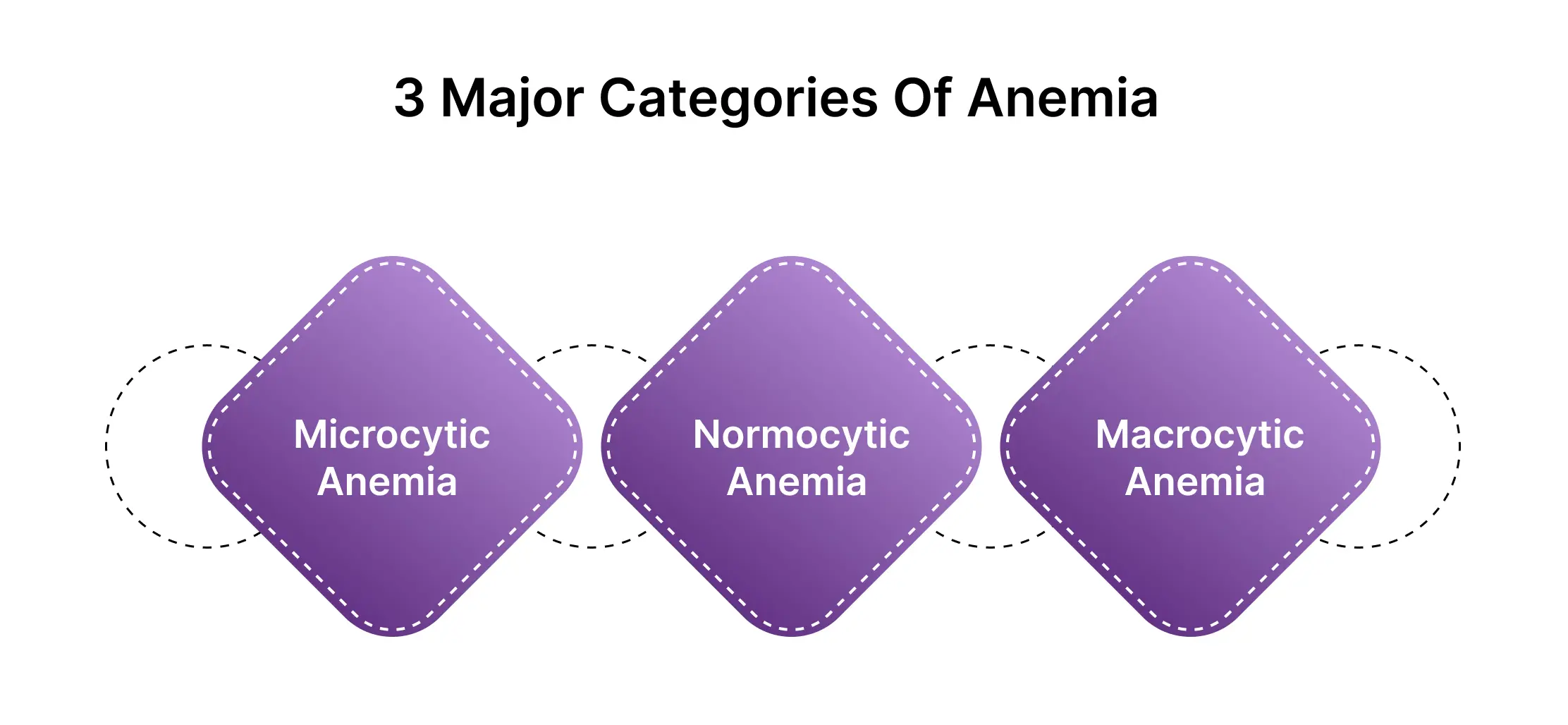
Normocytic anemia occurs when red blood cells are of a normal size (typically an MCV of 80–100 fL) but are insufficient in number. In clinical practice, this is frequently associated with "Anemia of Chronic Disease" (ACD) or "Anemia of Inflammation." It differs from microcytic anemia (small cells, often iron deficiency) or macrocytic anemia (large cells, often B12/folate deficiency). In the ICD-10-CM index, "normocytic" does not lead to a specific code of its own; it usually points the coder back to D64.9 (Anemia, unspecified) unless a more specific cause is documented.
The Chronic Component
The chronic portion of the diagnosis refers to a long-standing anemic state. Common chronic anemias that present as normocytic include:
- Anemia of Chronic Kidney Disease (CKD): Coded as D63.1.
- Anemia in Neoplastic Disease: Coded as D63.0.
- Anemia of Other Chronic Diseases: Coded as D63.8.
The Acute Component
An "acute" drop in hemoglobin on top of a chronic baseline often signifies an intervention-worthy event. The most common "acute" addition is D62 (Acute posthemorrhagic anemia), which is used when a patient with a known chronic anemia suffers a sudden bleed (e.g., a GI bleed or surgical blood loss) that causes a precipitous drop in red blood cell counts.
The Logic of Dual Coding
The ICD-10-CM Official Guidelines for Coding and Reporting emphasize that if a patient has both an acute and chronic version of the same condition, and the index provides separate subentries for both, both should be coded. However, for anemia, there is rarely a single line item for "acute on chronic."
Sequencing Requirements
When a patient is admitted for an acute exacerbation of a chronic normocytic anemia, the sequencing depends on the "circumstances of admission." If the patient is admitted specifically to treat the acute component (such as a blood transfusion for acute blood loss), the acute code is sequenced as the principal diagnosis.
If the "normocytic" nature of the anemia is due to an underlying disease that is being managed, the underlying disease may be sequenced first, followed by the anemia codes.
Normocytic Anemia as a Symptom
It is vital to remember that anemia is often a symptom of an underlying condition. Under the "Code First" notes in the ICD-10-CM manual, if the anemia is caused by a specific disease (like CKD or malignancy), the code for that disease must be sequenced before the anemia code (D63.x series).
Relevant ICD-10-CM Codes for 2026
The following table provides the most relevant codes used when building a diagnosis for acute on chronic normocytic anemia based on common clinical scenarios.
| Code | Description | Clinical Context |
|---|---|---|
| D64.9 | Anemia, unspecified | Used when the physician documents "normocytic anemia" without further etiologic detail. |
| D62 | Acute posthemorrhagic anemia | Used for the "acute" portion if the drop is due to sudden blood loss. |
| D63.1 | Anemia in chronic kidney disease | Used for the "chronic" portion when the patient has established CKD. |
| D63.8 | Anemia in other chronic diseases | Used for the "chronic" portion when the anemia is linked to other long-term illnesses. |
| D64.89 | Other specified anemias | Used when the morphology (normocytic) is specified but doesn't fit other categories. |
| N18.x | Chronic Kidney Disease | Required as a primary code if using D63.1. |
| C00-D49 | Neoplasms | Required as a primary code if using D63.0. |
Documentation and Specificity
In the 2026 healthcare environment, specificity is the primary driver of reimbursement and quality reporting. Simply documenting "acute on chronic normocytic anemia" is often insufficient for high-level clinical documentation improvement (CDI) standards.
The Problem with "Normocytic"
While normocytic is a helpful lab finding, it is a morphological description. If a physician uses this term, a coder should look for the cause of the normocytic cells. Is it due to:
- Decreased production? (e.g., Bone marrow suppression, CKD, or inflammation).
- Increased destruction/loss? (e.g., Hemolysis or acute bleeding).
If the documentation reflects that the acute drop was due to hemolysis, the coder would look toward the D55-D59 range (Hemolytic anemias) rather than a general anemia code.
Linking the Acute to the Chronic
To satisfy medical necessity for treatments like Erythropoiesis-Stimulating Agents (ESAs) or blood transfusions, the documentation must clearly link the acute drop to a specific cause. For example, "Patient with baseline anemia of CKD (D63.1, N18.31) presenting with acute blood loss anemia (D62) secondary to diverticular bleed." This level of detail provides a complete picture that "Acute on chronic normocytic anemia" lacks.
Common Coding Pitfalls
Overusing D64.9
The code D64.9 is a "garbage" code in many respects. While it is technically correct for unspecified anemia, it often triggers audits if used in a tertiary care setting where more information is available. If the lab work shows a normal MCV (normocytic), the coder should query the physician to see if this is "Anemia of Chronic Disease" to allow for the use of D63.8.
Confusing Acute Blood Loss with Chronic Blood Loss
Acute blood loss anemia (D62) should only be coded when there is a sudden, significant drop in hemoglobin levels. If a patient has a slow, oozing ulcer over months, this is "Chronic blood loss anemia," which is coded as D50.0 (Iron deficiency anemia secondary to blood loss (chronic)). Chronic blood loss usually results in microcytic cells, not normocytic cells. Therefore, a diagnosis of "normocytic anemia" usually rules out chronic blood loss as the primary cause.
The Role of the "Normocytic" Descriptor
In some cases, normocytic anemia is simply the early stage of another type of anemia. For instance, early iron deficiency anemia can appear normocytic before the cells become microcytic. Coders must ensure they are not coding a temporary morphological state if a more definitive underlying diagnosis is available.
Practical Steps for Accurate Coding
- Review the MCV: Confirm that the MCV is between 80 and 100 fL to validate the "normocytic" descriptor.
- Search for Etiology: Look for underlying chronic conditions (CKD, Cancer, Rheumatoid Arthritis, Heart Failure) that explain the chronic component.
- Identify the Acute Event: Determine if the "acute" label refers to a sudden bleed (D62), a sudden failure of the marrow, or a sudden hemolytic event.
- Verify Sequencing: If the acute event is the reason for the encounter, sequence it first. If the chronic disease is being treated and the anemia is incidental, sequence the chronic disease first.
- Check Excludes1 Notes: Ensure that the codes selected do not have an Excludes1 relationship. For example, you cannot code D62 with certain other types of anemia if one is considered inherent to the other.
Professional Advice Limitation
The information provided here is for educational and coding reference purposes only. ICD-10-CM coding requires a detailed review of the complete medical record and adherence to the Official Guidelines for Coding and Reporting for the current fiscal year. Final code selection is the responsibility of the certified coder and the attending physician. Consult with a compliance officer or professional medical auditor for specific billing queries.
Frequently Asked Questions
Can I code D64.9 and D62 together?
Yes, you can code D64.9 (Unspecified anemia) and D62 (Acute posthemorrhagic anemia) together if the documentation supports that the patient has a baseline anemia of unknown cause and has suffered an acute bleeding event. However, it is always preferable to replace D64.9 with a more specific code like D63.8 if a chronic disease is present.
Is normocytic anemia always "Anemia of Chronic Disease"?
While normocytic anemia is the hallmark of Anemia of Chronic Disease (ACD), it is not synonymous with it. Other causes include acute blood loss, hemolytic anemia, and some stages of aplastic anemia. You should only use the code for ACD (D63.8) if the physician explicitly links the anemia to a chronic condition.
How do I code acute on chronic anemia if no cause is found?
If the physician documents "acute on chronic anemia" and despite a full workup, no specific cause (like bleeding or CKD) is identified, the most appropriate coding is to use D64.9 to represent the anemia. Since there is no "acute on chronic" code for unspecified anemia, only the single code D64.9 is typically used, as the "acute" and "chronic" descriptors are considered manifestations of the same unspecified condition in this context.
Does the patient need a transfusion to qualify for the "acute" code?
No, a blood transfusion is not a prerequisite for coding D62 (Acute posthemorrhagic anemia). However, there must be clinical evidence of an acute drop in hemoglobin and hematocrit, and the physician must document the diagnosis. In 2026, auditors look for clinical indicators such as tachycardia, hypotension, or a significant change in baseline values to support the D62 diagnosis.
What is the difference between D63.8 and D64.89?
D63.8 (Anemia in other chronic diseases) is used when the anemia is caused by another chronic condition (e.g., dementia, heart failure, etc.). D64.89 (Other specified anemias) is used when the physician provides a specific description of the anemia (such as "normocytic") but does not link it to a specific underlying chronic disease or other category.
Next Actions for Healthcare Providers
To ensure the most accurate representation of "acute on chronic normocytic anemia" in the medical record, clinicians should move away from morphological descriptions alone. The documentation should clearly state the underlying cause of the chronic anemia and the specific trigger for the acute exacerbation. For coding professionals, if the documentation is ambiguous, a physician query is the most effective tool to bridge the gap between clinical observation and ICD-10-CM specificity.