Navigating foundation issues in North Texas requires choosing a reliable specialist. Selecting the 1 best Richardson foundation repair company involves evaluating structural engineering methods, soil mechanics, warranty terms, and local licensing. This guide details how to identify top-tier contractors, assess repair techniques, and protect your home investment.
The geological makeup of North Texas presents unique structural engineering challenges for residential properties. Richardson, located just north of Dallas, features soil conditions dominated by expansive black clay. When this soil absorbs moisture during heavy spring rains, it swells significantly. During the scorching summer months, the clay dries out, shrinks, and creates deep fissures. This relentless cycle of expansion and contraction exerts immense pressure on concrete slab and pier and beam foundations.
For homeowners experiencing doors that stick, cracks in drywall, or sloping floors, finding a dependable contractor is paramount. Because the foundation repair industry includes a wide range of operators—from national franchises to local independent structural specialists—identifying the single best company requires a systematic approach. Homeowners must look past marketing claims and evaluate technical proficiency, engineering oversight, and verified customer satisfaction.
Understanding Richardson's Soil and Foundation Challenges
To appreciate why structural repairs are common in Richardson, one must understand the interaction between local clay and residential construction. The geological profile of the region is characterized by Trinity clay and Austin chalk formations, with the expansive clay posing the primary threat to structural integrity.
When moisture levels fluctuate unevenly beneath a home, differential movement occurs. For example, if a large tree on the southern side of a house extracts moisture from the soil while the northern side remains damp, the southern corner of the foundation will drop as the soil shrinks. This uneven settling twists the framing of the home, leading to the following common symptoms:
- Diagonal and Vertical Wall Cracks: Cracks originating from the corners of doors and windows typically indicate shifting framing caused by foundation movement.
- Sticking Doors and Windows: When door frames become out of square due to a sinking or heaving foundation, doors will fail to latch or open smoothly.
- Gaps Around Door Frames and Baseboards: Separation between interior trim and walls points to shifting structural loads.
- Masonry Fractures: Stair-step cracking in exterior brick veneer or mortar joints indicates that the foundation is no longer providing uniform support.
Recognizing these warning signs early prevents minor settling from escalating into catastrophic structural failure. However, diagnosing the root cause requires professional evaluation rather than cosmetic patching.
Criteria for Evaluating Top Foundation Repair Companies
When researching structural repair contractors in Richardson, homeowners should apply rigorous evaluation metrics. The standard of the industry is set by companies that employ transparent business practices, certified engineering credentials, and dependable warranty offerings.
1. Engineering Oversight and Structural Analysis
The best foundation repair companies do not rely solely on the intuition of a salesperson. They utilize independent structural engineers or employ licensed engineers on staff to evaluate damage and draft repair plans. An engineering report provides an objective assessment of whether the foundation requires steel piers, pressed concrete pilings, or drainage corrections.
2. Licensing, Insurance, and Bonding
Texas does not have a statewide license specifically for foundation repair contractors, which makes local verification essential. Top-tier companies maintain comprehensive general liability insurance and workers' compensation coverage. This protects the homeowner from liability in the event of an accident or property damage during the excavation process.
3. Warranty Terms and Transferability
A foundation repair is only as good as the company standing behind it. The industry standard for premier companies is a lifetime service agreement that is fully transferable to subsequent homeowners. Homeowners must read the fine print to determine whether the warranty covers adjustments, labor, and materials, or if it includes hidden exclusion clauses.
Comparison of Common Foundation Repair Methods
Different structural problems demand different technical solutions. A reputable Richardson foundation repair company will offer multiple repair methodologies rather than forcing a one-size-fits-all approach.
| Repair Method | Best Suited For | Material Used | Estimated Longevity | Transferable Warranty |
|---|---|---|---|---|
| Pressed Concrete Pilings | Standard residential slab foundations on moderate clay soils. | Pre-cast concrete cylinders driven into load-bearing strata. | Moderate to High (15–30+ years) | Typically Available |
| Steel Piers | Heavy structures, commercial properties, or extreme settling. | Galvanized or structural steel pipe driven to bedrock. | Permanent / Lifetime | Typically Available |
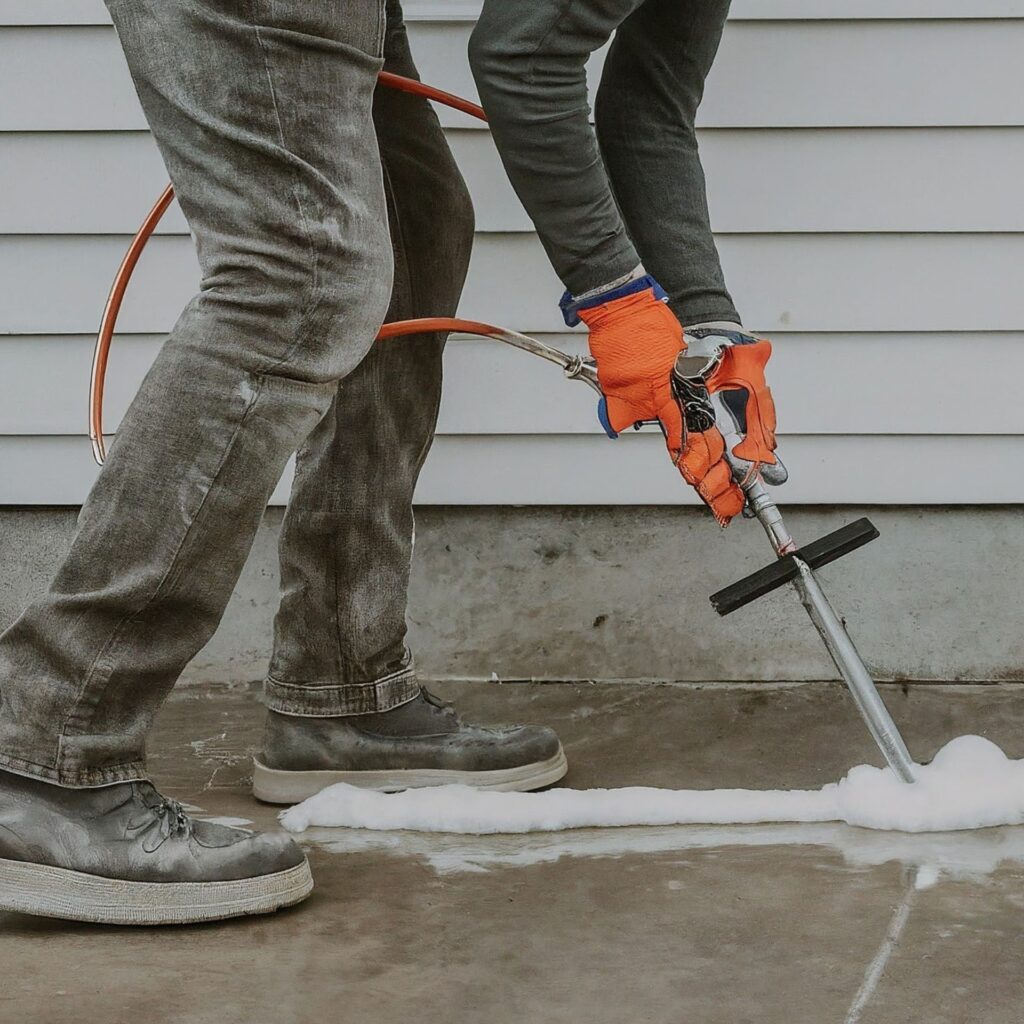
| Mudjacking / Polyurethane Foam | Void filling and minor slab leveling before severe cracking occurs. | Expanding high-density polyurethane foam or cement grout. | Moderate (5–15 years) | Varies by Contractor |
| Root Barriers | Mitigation against moisture extraction by large trees near the foundation. | Heavy-duty PVC or metal sheeting installed vertically in trenches. | Long-term soil stabilization | Rare (preventative measure) |
Pressed Concrete Pilings vs. Steel Piers
Pressed concrete pilings are economical and perform well in many residential settings across North Texas. They are hydraulically driven into the ground using the weight of the home until they reach refusal depth. However, in areas with exceptionally deep clay or unstable upper soil layers, steel piers are superior. Steel piers are driven deep into stable bedrock or load-bearing strata, making them the preferred choice for maximum depth and load capacity.
The Inspection and Repair Process
Engaging a professional service provider follows a structured sequence designed to protect the structural integrity of the home. Understanding this process helps homeowners prepare for the work.
- Initial Consultation and Elevation Survey: A technician or structural analyst takes precise elevation readings across the slab using a digital water level or transit to map out high and low points.
- Engineering Evaluation: If significant structural distress is present, an independent structural engineer inspects the property, reviews the elevation data, and issues a formal recommendation.
- Proposal and Contract Review: The contractor provides a detailed diagram indicating the exact placement of proposed piers, the type of piers to be used, and total cost estimates.
- Excavation and Installation: Crews dig access holes around the perimeter of the foundation (and sometimes interior slab penetrations if necessary) to reach the footing. Piers are installed and hydraulically pressed until the structure is stabilized or lifted toward its original elevation.
- Post-Repair Cleanup and Quality Control: Holes are backfilled, concrete patches are poured where interior or exterior paving was disturbed, and final elevation measurements are recorded.
Drainage Solutions as a Preventative Measure
Often, foundation movement is exacerbated by improper surface drainage. Water pooling against the foundation perimeter softens the clay soil, causing it to lose bearing capacity. A comprehensive evaluation by a top Richardson repair company should include an assessment of yard grading, gutter performance, and downspout extensions. Installing French drains, surface collection basins, or root barriers can drastically reduce the likelihood of future foundation movement.
Frequently Asked Questions
How do I know if my foundation issues require immediate repair?
Immediate attention is necessary if you notice doors completely jamming, large diagonal cracks appearing above interior doors, windows breaking due to frame distortion, or visible separation between brick walls and the roofline. Minor hairline cracks in drywall often result from normal thermal expansion and settling, but a professional elevation survey provides definitive answers.
Are foundation repairs covered by standard homeowners insurance?
Generally, standard homeowners insurance policies in Texas do not cover foundation repairs because settling is classified as earth movement or wear and tear. However, coverage may apply if the foundation damage was caused by a sudden and accidental plumbing leak beneath the slab. Homeowners should review their specific policy endorsements or consult their insurance agent.
How long does a typical foundation repair project take?
Most residential foundation repair projects in Richardson are completed within one to three days. The exact duration depends on the size of the home, the number of piers required, and whether interior or exterior work is necessary. Complex commercial properties or homes requiring extensive root barrier installations may take longer.
Will foundation lifting crack my drywall or bricks?
When a foundation is lifted back toward its original elevation, minor cosmetic cracking in drywall or brick mortar can sometimes occur as the framing settles into its restored position. Reputable contractors take precautions to lift the structure slowly and evenly to minimize this risk, but homeowners should anticipate minor cosmetic touch-ups following the structural stabilization process.
What should I look for in a foundation repair warranty?
Look for a lifetime warranty that is completely transferable to future owners without transfer fees or complicated paperwork. Ensure the warranty covers both materials and labor, and verify that the issuing company has a stable operational history in the Dallas-Fort Worth metroplex to ensure they will be around to honor the agreement.
Next Actions for Richardson Homeowners
If you suspect structural distress, your immediate next step is to schedule an inspection with a licensed structural engineer or an established foundation repair specialist with verified local credentials. Obtain multiple written estimates, verify engineering certifications, and review warranty documents thoroughly before signing a contract. Proactive maintenance and timely intervention will safeguard your home's structural stability and preserve its property value for decades to come.