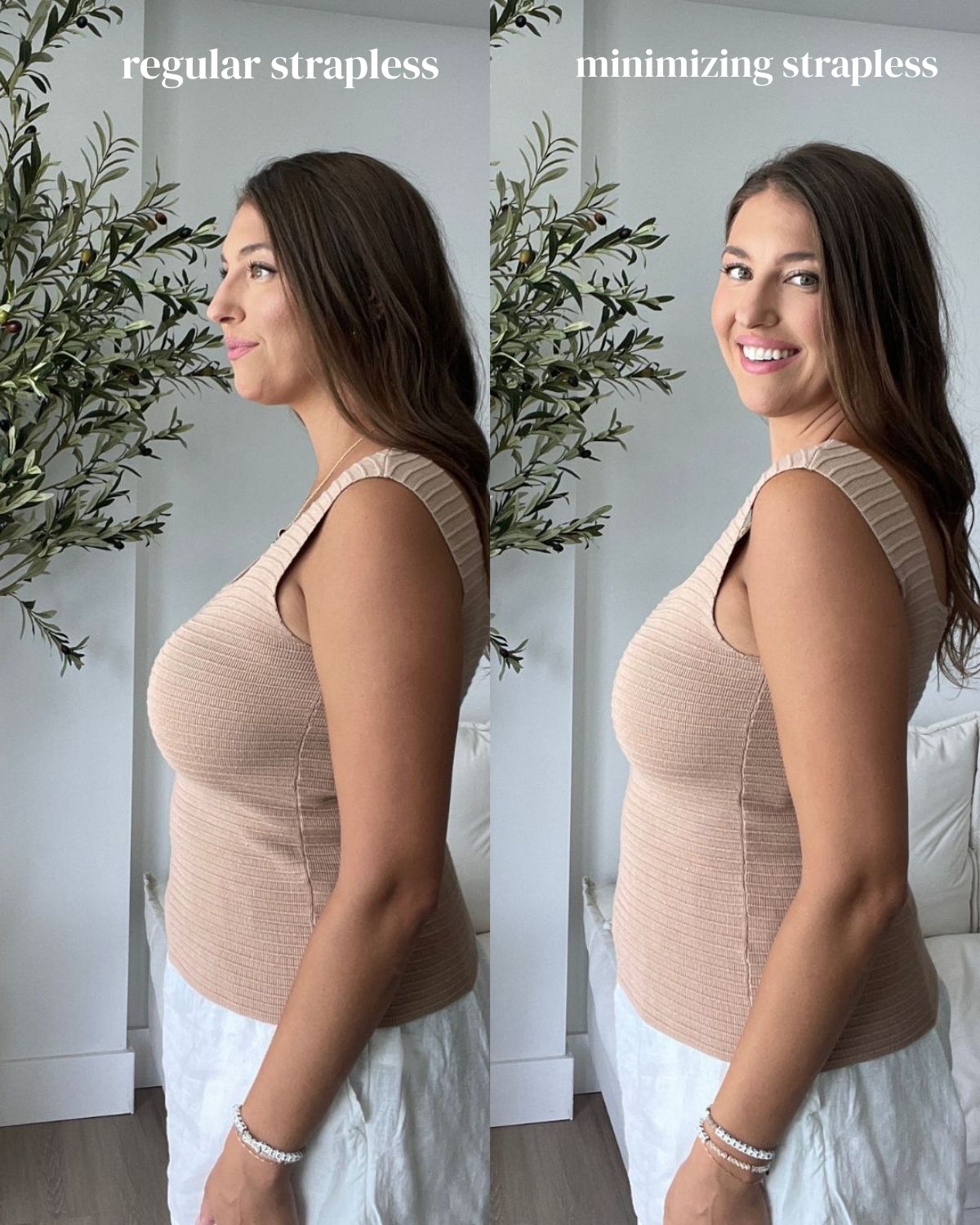
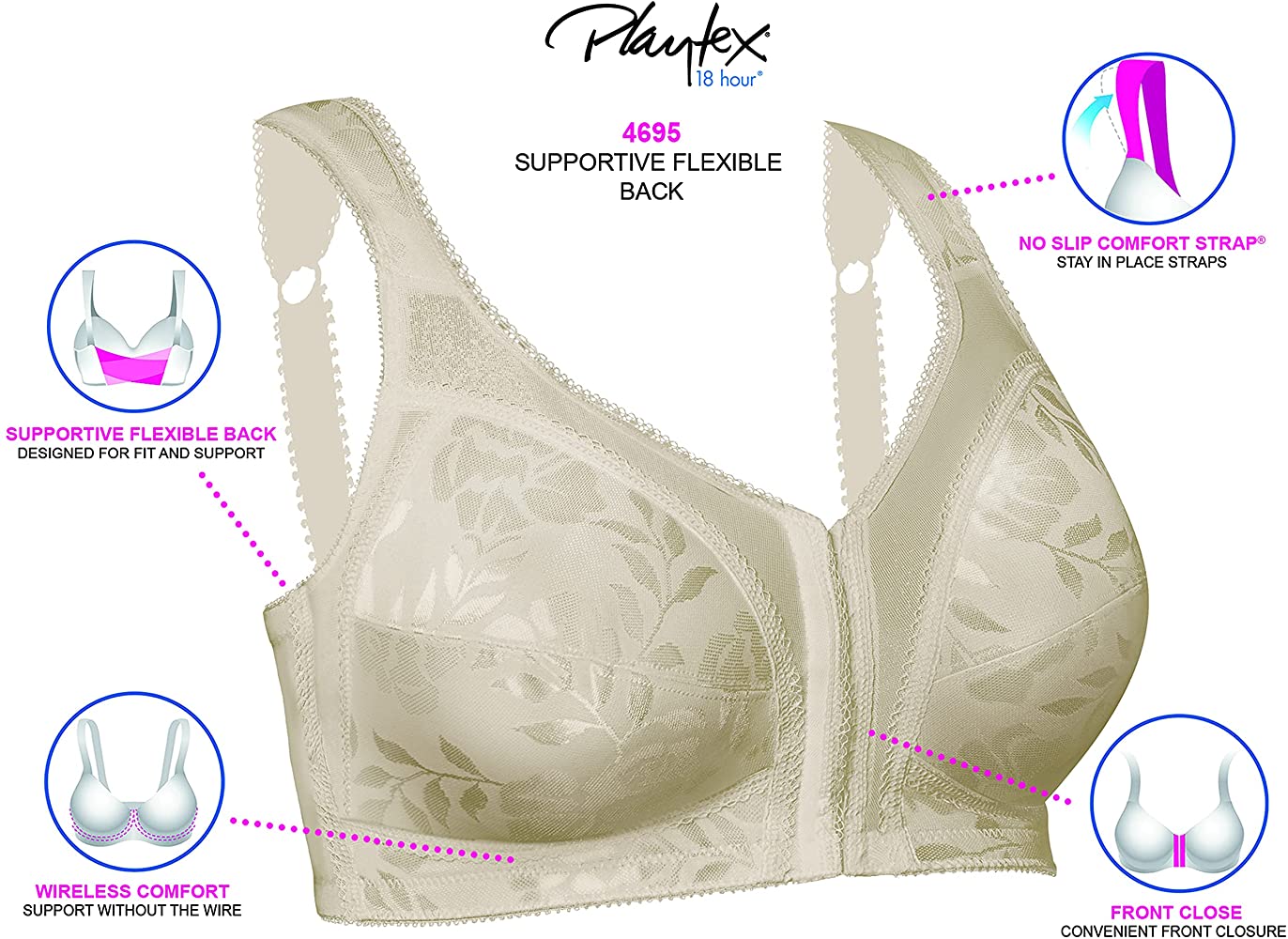
Finding the best lifting and minimizing bra requires a precise balance of structural engineering, fabric elasticity, and ergonomic design. A high-quality minimizer redistributes breast tissue to reduce projection by up to an inch while simultaneously providing an upward lift, preventing the flattened or unshaped look common in poorly constructed alternatives.
Selecting the right foundation garment involves navigating cup constructions, band measurements, underwire placements, and fabric technologies. Whether you are looking to improve button-down shirt closures, eliminate back strain from heavy busts, or achieve a streamlined silhouette under daily wear, understanding the mechanics of lifting and minimizing undergarments is essential.
Understanding the Dual Mechanics: Lift Versus Minimization
At first glance, lifting and minimizing might appear to be contradictory goals. Traditional push-up or lifting bras project breast tissue outward and upward, creating a more pronounced profile. Conversely, traditional minimizers distribute tissue wider across the chest wall to reduce projection.
| Feature | Traditional Lifting Bra | Lifting and Minimizing Bra |
|---|---|---|
| Primary Goal | Upward and outward projection | Vertical lift + frontal flatness |
| Tissue Distribution | Concentrated forward | Widened across chest wall |
| Cup Construction | Molded, padded, or angled | Unlined, molded, or multi-seam |
| Silhouette Impact | Fullness and cleavage | Streamlined, reduced projection |
Modern textile engineering bridges this gap. A specialized lifting and minimizing bra uses targeted paneling, high-denier power nets, and strategic seaming to gently press tissue back and wider, while reinforced underbands and strong straps lift the base of the breast. This prevents sagging, reduces the physical strain on the shoulders and back, and maintains a clean, proportional profile under clothing without crushing the wearer's natural shape.
Key Structural Features to Evaluate
When shopping for a lifting and minimizing bra, evaluate the foundational elements that dictate comfort, durability, and performance.
1. Cup Construction and Seaming
The construction of the cup determines how the tissue is shaped.
- Molded Cups: Seamless cups offer a smooth appearance under tight clothing but rely entirely on stretch fabrics, which may lack the structural integrity needed for heavy lift.
- Multi-Part Cut-and-Sew Cups: Cups featuring two, three, or four fabric panels provide superior control. Vertical and horizontal seams act as internal slings, holding tissue securely while molding it into a rounded shape rather than flattening it uniformly.
2. Underwire Versus Wireless Support
Many individuals assume that minimizing requires a rigid underwire, but advancements in wireless technology have introduced structural channels and bonded polymers that offer comparable support.
- Encased Underwires: Look for cushioned casing that prevents the wire from digging into the ribcage. A well-fitted wire should rest flat against the sternum.
- Wireless Engineering: Wide elastic underbands, internal slings, and targeted compression zones can lift DD+ cups effectively without a metal channel.
3. Strap Width and Placement
The physical weight of a fuller bust rests heavily on the bra band, but straps provide vital counter-pressure for lifting. Look for wide, non-stretch or semi-stretch straps that distribute weight evenly across the shoulders, preventing deep indentations and shoulder fatigue.
4. Side and Back Smoothing Panels
A true minimizing design extends its coverage beyond the cups. High-coverage side wings and U-shaped ballet backs capture auxiliary tissue (side spillage) and smooth out back rolls, ensuring a seamless look from every angle.
Step-by-Step Guide to Finding Your Proper Size
A common misconception is that buying a smaller cup size achieves minimization. In reality, wearing the wrong size causes painful spillage, digging wires, and poor support. Accurate sizing is critical.
Step 1: Measure Your Band Size
Stand straight without a bra or wearing a non-padded bra. Wrap a flexible measuring tape snugly around your ribcage directly underneath your bust. Ensure the tape is level all the way around. If the measurement is an even number, add four inches to find your band size (e.g., 28 inches becomes 32). If it is an odd number, add five inches. (Note: Modern-day alternative sizing methods, such as the ABraThatFits method, measure tight underbust directly, but traditional bra fitting guidelines for standardized department store minimizers still frequently utilize the plus-four or direct-band method depending on the brand). Always consult the specific brand's sizing chart.
Step 2: Measure Your Bust Size
Wrap the measuring tape loosely around the fullest part of your bust, usually across the nipples. Ensure the tape is parallel to the floor and not pulling the tissue flat.
Step 3: Calculate the Cup Size
Subtract your band size from your bust measurement. Each inch of difference corresponds to a cup size:
- 1 inch = A
- 2 inches = B
- 3 inches = C
- 4 inches = D
- 5 inches = DD (E)
- 6 inches = DDD (F)
Step 4: Test the Fit
Once you put on the bra, check four critical checkpoints:
- The Band: Must sit horizontal and parallel to the ground. If the back rides up, the band is too large.
- The Gore: The center piece between the cups should lie flat against your sternum. If it lifts away, the cups are too small or the wire is resting on breast tissue.
- The Cups: Breast tissue should be fully enclosed without spilling over the top or sides.
- The Straps: They should support weight without sliding off shoulders or cutting into skin.
Common Mistakes When Choosing a Minimizer
Avoid these frequent pitfalls to ensure maximum comfort and longevity from your undergarment investment.
- Buying a Smaller Cup Size for Extra Flattening: Squeezing larger breasts into a smaller cup causes double-boob spillage and intense pressure on the underwire, which can bend or break the metal and damage delicate skin.
- Ignoring Band Elasticity: Over time, elastics degrade due to body heat, detergents, and friction. Wearing a stretched-out band shifts 100% of the weight onto the shoulder straps, leading to upper back pain.
- Neglecting Fabric Care: Placing structured minimization bras into a washing machine on high heat or tossing them into a tumble dryer warps underwires, stretches spandex, and breaks down structural power nets. Hand washing or using a mesh lingerie bag on a gentle cycle is mandatory.
Frequently Asked Questions
Can a minimizer bra actually reduce your bust size permanently?
No. A lifting and minimizing bra redistributes breast tissue temporarily by shifting it wider and flatter across the chest wall. It does not alter your physical anatomy or reduce breast tissue volume over time.
How many inches can a good minimizing bra reduce?
Most standard high-quality minimizing bras are engineered to reduce forward projection by approximately 0.5 to 1.5 inches, depending on your natural breast density and the specific construction of the garment.
Are wireless minimizing bras as effective as wired ones?
Wireless minimizing bras have advanced significantly, offering excellent comfort and moderate reduction. However, for cup sizes DDD and above, traditional encased underwires or reinforced structural slings generally provide superior, long-lasting vertical lift and separation.
Why does the center gore of my bra dig into my chest?
If the center gore (the fabric bridge between the cups) digs in or floats away from your body, the cup size is typically too small, forcing the wire to rest on breast tissue rather than your flat ribcage. Try sizing up in the cup while keeping the band the same.
Conclusion and Next Actions
Investing in the best lifting and minimizing bra transforms how clothing fits and how comfortable you feel throughout the day. Start by taking accurate measurements of your current band and bust dimensions. Review your wardrobe needs to determine whether you require seamless molded cups for everyday T-shirts or multi-part seamed cups for maximum structural lift. Prioritize reputable brands that publish detailed sizing charts, and commit to proper hand-washing practices to protect the elasticity and structural integrity of your undergarments for months to come.