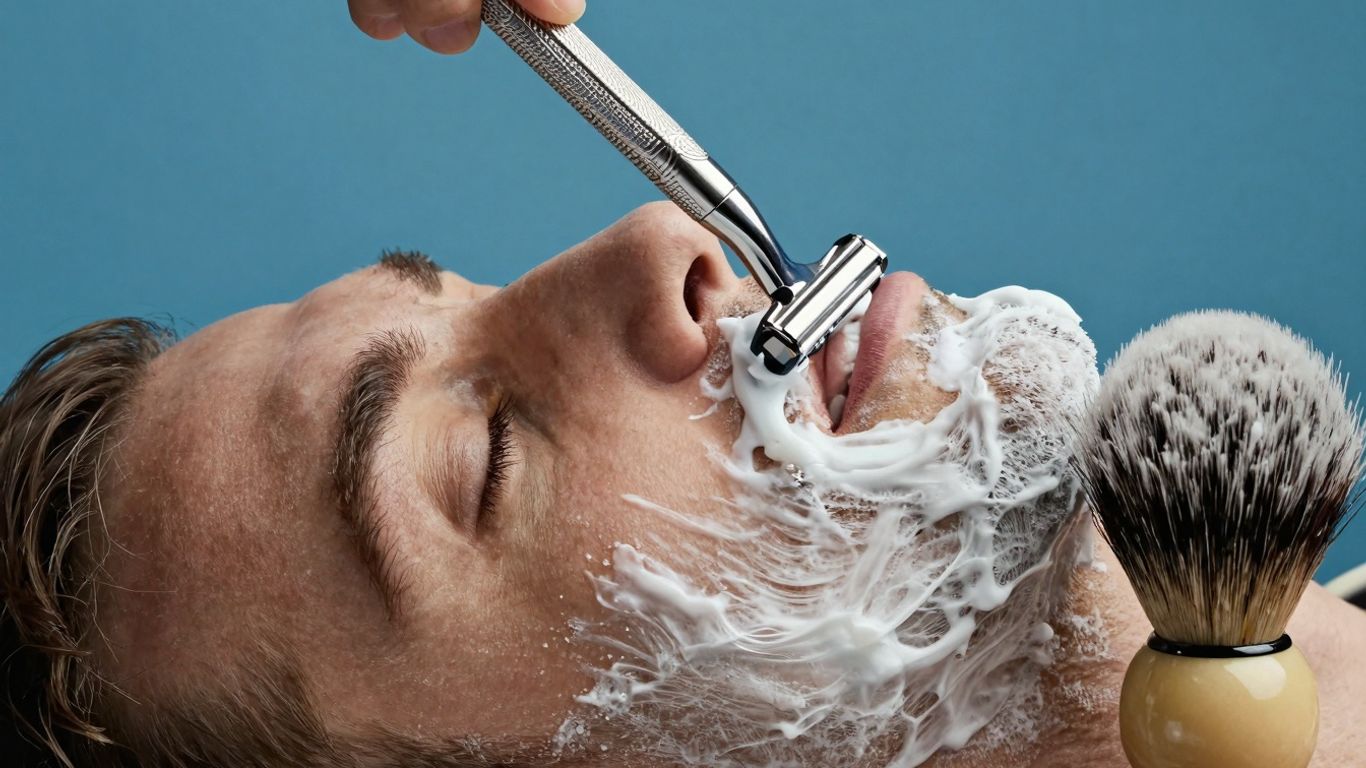
A great shave is achieved by combining high-quality grooming tools with a disciplined, methodical shaving technique. Success relies on proper skin preparation, the selection of equipment suited to your specific hair growth pattern, and an understanding of blade angles and pressure. By refining your routine, you can consistently reduce irritation and achieve a professional-level finish at home.
Understanding the Anatomy of a Great Shave
Achieving a high-quality shave is rarely about finding a single "magic" product. Instead, it is a process of optimization that involves managing three variables: the condition of your skin, the quality of your razor and blades, and the consistency of your technique. Whether you prefer a multi-blade cartridge system, a safety razor, or a straight razor, the physics of cutting hair remains identical.
The primary goal of shaving is to sever the hair shaft at or slightly below the surface of the skin while minimizing trauma to the epidermis. Irritation, commonly referred to as "razor burn," is typically caused by excessive pressure, dull blades, or improper preparation that leaves the skin unprotected during the stroke.
Selecting the Right Tools for Your Skin Type
The market for shaving tools in 2026 remains expansive, ranging from disposable plastic razors to heirloom-quality stainless steel safety razors. Selecting the right tool depends on your skin sensitivity and the density of your beard.
The Role of the Razor
- Cartridge Razors: Often feature pivoting heads and multiple blades. They are designed for convenience and are generally more forgiving for beginners, though the cost of replacement cartridges can accumulate over time.
- Double-Edge (DE) Safety Razors: These utilize a single, double-sided blade. They are favored by enthusiasts for their precision and the lower cost of replacement blades. Because they lack a pivoting head, they require more practice to master the correct angle.
- Straight Razors: Represent the traditional approach. They offer the closest possible shave but require significant skill to manage safety and blade sharpness through manual honing.
The Importance of Lubrication and Preparation
The lubricant—whether a traditional shaving cream, soap, or a modern gel—serves two purposes. First, it provides a protective barrier between the blade and the skin. Second, it softens the hair, allowing the blade to slice through the follicle with less resistance. Using a badger or synthetic hair shaving brush is highly recommended; the brush helps lift the hair away from the skin and exfoliates the area simultaneously, clearing away dead skin cells that can otherwise clog the blade.
Establishing a Professional Shaving Routine
Consistency is the hallmark of a great shave. Even the most expensive razor will fail if it is used on unprepared skin. Following a standardized sequence minimizes the risk of ingrown hairs and redness.
Step 1: Pre-Shave Preparation
Shaving immediately after a hot shower is ideal. The heat and steam soften the hair and open the pores. If you are not showering, apply a hot, damp towel to your face for approximately two minutes. This hydration step reduces the force required to cut the hair, which is the primary cause of skin friction.
Step 2: Lather Application
Apply your chosen shaving medium using circular motions with a brush. This movement ensures that the lather reaches the base of every hair follicle. If using a soap or cream, ensure the lather is stable and rich; a thin, bubbly lather provides insufficient protection.
Step 3: Mapping the Grain
The "grain" refers to the direction in which your hair grows. It is rarely uniform across the face, neck, and jawline. Spend time feeling your stubble to determine the direction of growth. For the first pass, always shave with the grain. This reduces the hair length without pulling the follicle, which is the most effective way to avoid irritation.
Step 4: Blade Angle and Pressure
Hold the razor at a 30-degree angle relative to the skin. If the angle is too steep, you will scrape the skin; if it is too shallow, the blade will slide without cutting. Apply virtually zero downward pressure. Let the weight of the razor handle do the work. If you find yourself pushing into your skin, your blade is likely dull and needs to be replaced.
Step 5: The Post-Shave Finish
Once you have finished, rinse your face with cold water. Cold water helps close the pores and constricts minor capillaries, which can soothe the skin. Follow this with an alcohol-free aftershave balm to rehydrate the skin barrier.
Comparative Overview of Shaving Systems
The following table summarizes the trade-offs between common shaving methods to help you identify which tool fits your lifestyle.
| Shaving Tool | Learning Curve | Cost per Shave | Maintenance | Precision |
|---|---|---|---|---|
| Cartridge | Low | High | Minimal | Moderate |
| Safety Razor | Moderate | Very Low | Low | High |
| Straight Razor | High | Low | High (Honing) | Very High |
| Electric Foil | Low | Moderate | Moderate | Moderate |
Common Mistakes and How to Troubleshoot Them
Even with the right tools, mistakes are common. If you consistently experience post-shave discomfort, evaluate your process against these frequent errors:
- Ignoring Hair Growth Patterns: Many men shave against the grain on the first pass to get a "closer" result. This often leads to ingrown hairs as the hair is pulled slightly out of the pore before being cut, causing it to retract beneath the skin surface.
- Using Dull Blades: A blade should be replaced every 3 to 6 shaves, depending on hair thickness. A dull blade drags across the skin rather than slicing the hair, increasing friction significantly.
- Inadequate Hydration: Rushing the prep phase is the most common cause of razor burn. If the hair is not fully hydrated, it remains stiff and wire-like, making it difficult for the blade to sever cleanly.
- Excessive Pressure: The habit of pressing the razor into the skin is a byproduct of using cheap, lightweight disposable razors. When transitioning to a high-quality safety or straight razor, focus on a "light touch" technique.
Selecting Your Products in 2026
As of 2026, the marketplace offers an abundance of specialized products. When selecting your shaving cream or soap, look for ingredients like glycerin, shea butter, or tallow, which provide superior slip and protection. Avoid products with high alcohol content or strong synthetic fragrances if your skin is prone to redness or dryness.
For those with highly sensitive skin, consider a "pre-shave oil." Applied before the lather, this adds an extra layer of slickness that allows the blade to glide more smoothly, further reducing the physical impact on the skin.
Frequently Asked Questions
How do I know if my blade is too dull? If you feel the razor tugging or pulling at your hair instead of cutting it silently and smoothly, the blade is dull. If you have to go over the same spot multiple times to remove hair, this is a clear sign that the blade has reached the end of its effective lifespan.
Does shaving more often cause hair to grow back thicker? No. This is a physiological myth. Shaving cuts the hair at the surface, leaving a blunt tip that may feel coarse as it emerges. However, the actual thickness, color, and rate of growth are determined by genetics and hormones, not by the act of shaving.
What is the best way to avoid ingrown hairs? Ingrown hairs occur when hair curls back into the skin. To prevent this, ensure your skin is well-hydrated, use a sharp blade, and avoid stretching the skin too tightly while shaving. Exfoliating the area gently with a brush before shaving also helps release trapped hairs.
Why does my neck area get more irritated than my cheeks? The hair on the neck typically grows in multiple, inconsistent directions. Because the skin on the neck is thinner and more pliable than on the cheeks, it is highly susceptible to irritation. Use short, light strokes and map your neck hair growth carefully.
Is an expensive razor always better than a cheap one? Not necessarily. While high-end materials (such as stainless steel or brass) offer better durability and weight distribution, a well-manufactured, affordable safety razor can perform just as well as a luxury model. The "best" razor is the one that provides the correct balance and weight for your specific hand size and skill level.
Final Recommendations
To elevate your shave, begin by adopting a single-blade safety razor and a quality shaving brush. This combination forces you to focus on your technique and blade angle, providing immediate feedback on whether you are applying too much pressure or moving too fast. Document your experience over the course of two weeks, noting which direction your hair grows in different zones of your face. By treating the shave as a technical skill rather than a chore, you will find that the quality of your results improves significantly, leading to a comfortable, irritation-free experience every morning.