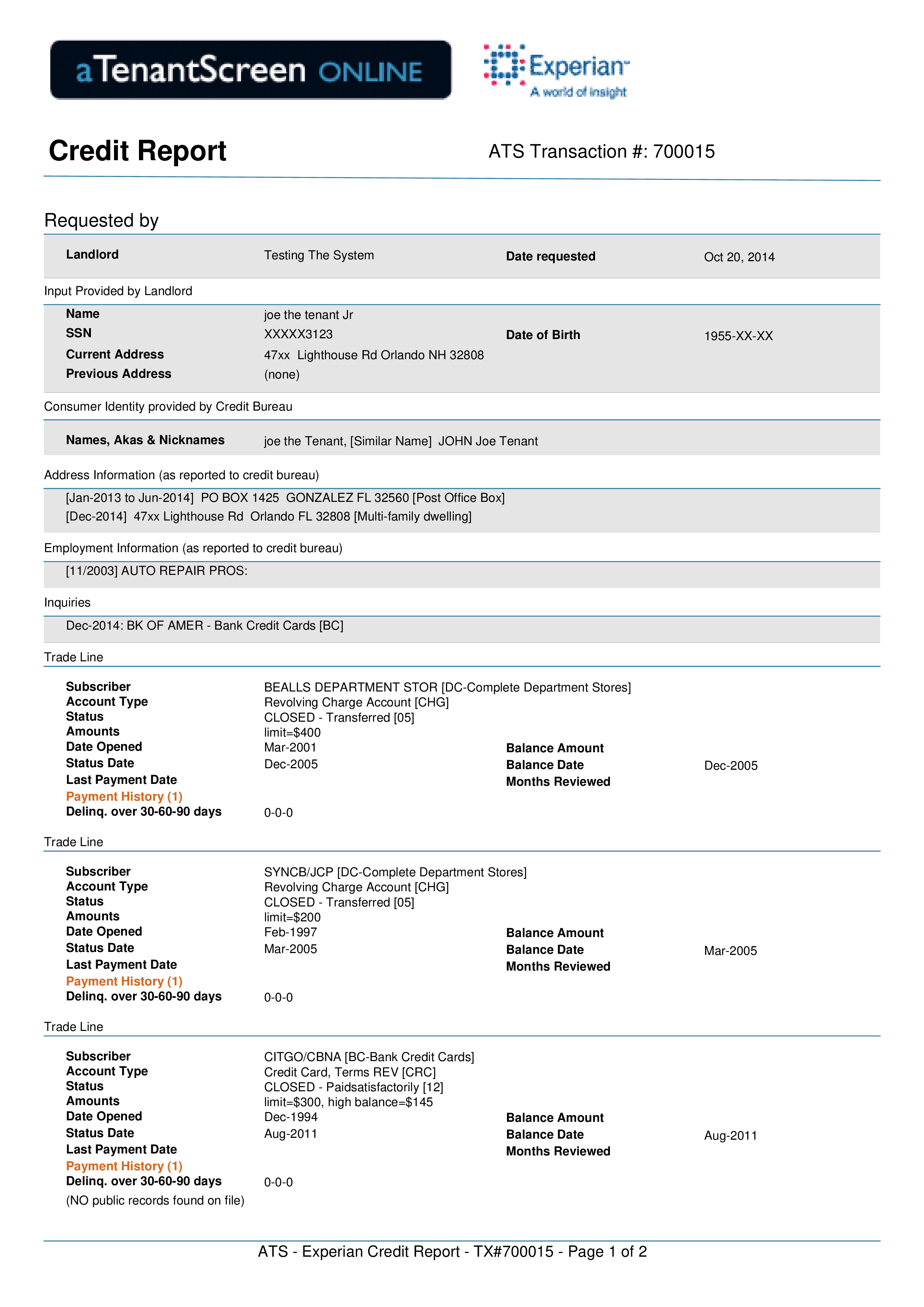
A detailed credit report is a comprehensive record of your financial history, including credit accounts, payment patterns, public records, and inquiries, compiled by major credit bureaus. It serves as your "financial resume," allowing lenders, employers, and landlords to assess your creditworthiness and financial responsibility before extending credit or services.
The Foundation of Financial Identity: What is a Detailed Credit Report?
A detailed credit report is more than just a list of loans; it is a granular history of how you manage financial obligations. While many consumers are familiar with their three-digit credit score, the report itself is the raw data used to calculate that score. In 2026, the landscape of credit reporting has become increasingly sophisticated, incorporating more "trended data"—which looks at how you manage debt over time rather than just a snapshot of your current balances.
The report is governed primarily by the Fair Credit Reporting Act (FCRA), a federal law that ensures the accuracy, fairness, and privacy of the information in the files of consumer reporting agencies. Under the FCRA, you have the right to know what is in your report and to dispute inaccurate information. The three national credit bureaus—Equifax, Experian, and TransUnion—collect this data from "data furnishers," which include banks, credit card issuers, mortgage companies, and even some utility providers.
Understanding the nuances of a detailed credit report is essential because errors are statistically common. By 2026, the Consumer Financial Protection Bureau (CFPB) continues to highlight that a significant percentage of consumers find mistakes on their reports that could negatively impact their ability to secure favorable interest rates or insurance premiums.
The Anatomy of a Detailed Credit Report
A standard detailed report is divided into several distinct sections. Each section serves a specific purpose for the lender and provides a different lens through which your financial behavior is viewed.
1. Personal Identifying Information (PII)
This section is not used to calculate your credit score, but it is vital for security and identity verification. It includes:
- Full legal name and any known aliases.
- Current and previous residential addresses.
- Social Security Number (often masked for security).
- Date of birth.
- Employment history (as reported by previous lenders).
2. Credit Account Information (Tradelines)
This is the "meat" of the report. It details every credit account you have held, often going back seven to ten years. For each account, the report shows:
- The Creditor's Name: Who issued the loan or credit card.
- Account Type: Whether it is revolving (credit cards), installment (car loans, mortgages), or open (some charge cards).
- Current Status: Is the account open, closed, or "paid as agreed"?
- Credit Limit or Original Loan Amount: The maximum you can borrow or the starting balance of a loan.
- Payment History: A month-by-month breakdown of whether payments were made on time. In a detailed report, this is often represented as a grid of "OK" or "30/60/90" day late markers.
3. Public Records
This section includes information from local, state, and federal courts. In 2026, the most common item in this section is Chapter 7 or Chapter 13 bankruptcy. Most other public records, such as tax liens and civil judgments, were largely removed from credit reports following the National Consumer Assistance Plan, but bankruptcies remain a heavy weight on a consumer's profile for 7 to 10 years.
4. Credit Inquiries
Whenever you apply for credit, the lender "pulls" your report. This is known as a hard inquiry. Detailed reports list who looked at your credit, when they did it, and what type of credit was requested. Soft inquiries—such as those from your existing lenders monitoring your account or pre-approved credit card offers—are also listed but are only visible to you, not to potential lenders.
Accessing Your Report: Rights and Procedures in 2026
Accessing a detailed credit report has become more streamlined in recent years. While many third-party apps provide "summaries" of your credit, they often lack the technical depth required for a full audit of your financial standing.
The Official Source: AnnualCreditReport.com
The primary vehicle for obtaining your reports remains AnnualCreditReport.com. Historically, consumers were entitled to one free report every 12 months. However, following the COVID-19 pandemic and subsequent permanent policy shifts, the three bureaus transitioned to offering free weekly online credit reports. This change has been maintained through 2026 to help consumers combat identity theft and manage financial recovery in an evolving economy.
Requirements for Access
To request your report, you must provide:
- Legal Identification: Name, address, and SSN.
- Identity Verification Questions: These are "out-of-wallet" questions, such as "Which of the following lenders did you take a mortgage from in 2021?" or "What was your monthly payment for your 2023 auto loan?"
- Consistency Check: If your address on file does not match your current application, you may be required to mail in physical documentation, such as a utility bill or driver's license.
Comparing the "Big Three" Credit Bureaus
While Equifax, Experian, and TransUnion perform the same basic function, their detailed reports can differ. Lenders do not always report to all three, meaning your Equifax report might look different from your TransUnion report.
| Feature | Equifax | Experian | TransUnion |
|---|---|---|---|
| Primary Focus | Extensive mortgage and retail lender data. | Strong emphasis on credit card and personal loan data. | Often used by employers and for tenant screening. |
| Employment Data | Includes "The Work Number" for detailed verification. | Focuses on self-reported and lender-reported history. | Broad range of consumer-focused employment records. |
| Trended Data Usage | High integration with FICO 10T models. | Integrated with Experian Boost (alternative data). | Uses CreditView for granular consumer insights. |
| Dispute Process | Primarily online with a structured dashboard. | Offers a robust mobile app for real-time tracking. | Known for quick processing of simple data corrections. |
The Role of Alternative Data in 2026 Reports
By 2026, the concept of a "detailed credit report" has expanded to include alternative data. This is information not traditionally found in a credit file but used to help "credit invisible" individuals build a profile.
- Rental Payments: Many landlords now report on-time rent payments directly to the bureaus, which can significantly benefit long-term renters.
- Utility and Telecom Data: Consistent payments for electricity, gas, and mobile phone plans are increasingly appearing in the "consumer-permissioned" sections of reports.
- Cash Flow Data: With the rise of Open Banking, some reports now include insights into your bank account balances and transaction history to prove your ability to repay a loan, even if you lack a long credit history.
How to Read and Interpret Detailed Technical Data
Reading a detailed report requires an eye for detail. You should look for specific codes and markers that might indicate hidden issues.
Understanding Payment Codes
Lenders use codes to describe the status of your account. "Current" or "OK" is the goal. If you see "30," it means the payment was 30 to 59 days late. Once a payment hits the "90" mark, it is often considered a "serious delinquency," which can cause your credit score to drop by over 100 points.
The Importance of the "Date of Last Activity" (DLA)
The DLA is a critical technical field. It determines how long a negative item can remain on your report. Under the FCRA, most negative information must be removed after seven years from the date of the first delinquency. If a debt collector "re-ages" an account by changing the DLA, it is a violation of federal law and must be disputed immediately.
Credit Utilization Ratios
Detailed reports show your "High Credit" (the most you've ever owed on a card) versus your "Current Balance." Lenders look at this to calculate your utilization ratio. Keeping this ratio below 30%—and ideally below 10%—is the most effective way to maintain a high credit score based on the data in your report.
Troubleshooting: Disputing Errors on Your Report
If you find an error on your detailed credit report, you have the legal right to challenge it. The credit bureau generally has 30 to 45 days to investigate and respond.
- Identify the Error: Common mistakes include accounts that don't belong to you (identity theft), incorrect payment statuses, or duplicated debts.
- Gather Evidence: Provide copies of bank statements, "paid in full" letters, or court documents.
- Submit the Dispute: While online disputes are faster, many consumer advocates recommend sending disputes via Certified Mail with Return Receipt Requested. This creates a paper trail that is essential if you ever need to pursue legal action under the FCRA.
- Follow Up: Once the bureau removes the item, they must send you a free copy of your updated report. You should also ensure the correction is reflected at the other two bureaus.
Security and Privacy: Protecting Your Detailed Data
Because a detailed credit report contains everything needed to steal your identity, protecting it is paramount.
- Credit Freeze: In 2026, freezing your credit is free and considered the "gold standard" for security. It prevents new lenders from accessing your report, effectively stopping identity thieves from opening accounts in your name.
- Fraud Alerts: Unlike a freeze, a fraud alert allows lenders to see your report but requires them to take extra steps to verify your identity. This is useful if you are actively shopping for a loan but want a layer of protection.
- Monitoring Services: Many banks now offer free credit monitoring. These services alert you in real-time to "hard inquiries" or new accounts, allowing you to react within minutes of a fraudulent application.
Frequently Asked Questions
How long does information stay on a detailed credit report?
Most positive information stays on your report indefinitely if the account remains open. Closed accounts in good standing typically stay for 10 years. Negative information, such as late payments, foreclosures, and collections, stays for seven years. Chapter 7 bankruptcy is the longest-lasting item, remaining for 10 years from the filing date.
Does checking my own detailed credit report lower my score?
No. Checking your own report is considered a soft inquiry. Soft inquiries do not impact your credit score and are not visible to lenders. You can check your report as often as you like—and in 2026, you are encouraged to do so weekly via official channels.
Why do I have different scores on different reports?
Each credit bureau may have slightly different data. One lender might only report to Experian, while another only reports to TransUnion. Additionally, there are different versions of the FICO and VantageScore models. A lender might use FICO 8 for a credit card but FICO 5, 4, or 2 for a mortgage, all of which weigh the data in your report differently.
Can a detailed credit report affect my employment?
Yes. In many states, employers are allowed to pull a modified version of your credit report as part of a background check, particularly for roles involving financial responsibility or sensitive data. However, they must get your written permission first, and they cannot see your credit score—only the data in the report.
What should I do if my report shows an account I didn't open?
This is a red flag for identity theft. You should immediately place a credit freeze on all three bureaus, file a report with the Federal Trade Commission (FTC), and contact the fraud department of the lender listed on the report.
Moving Forward: Next Actions for Your Credit Health
To maintain a healthy financial profile in 2026, your next step should be to download your reports from Equifax, Experian, and TransUnion via AnnualCreditReport.com. Do not simply look at the summary; read the "Tradelines" section for each account. Look for any late payment markers that seem incorrect and verify that every closed account is listed as "Closed at Consumer's Request" rather than "Closed by Grantor," as the latter can sometimes imply a risk to future lenders. If you find discrepancies, initiate the dispute process immediately to ensure your data is accurate before your next major financial application.