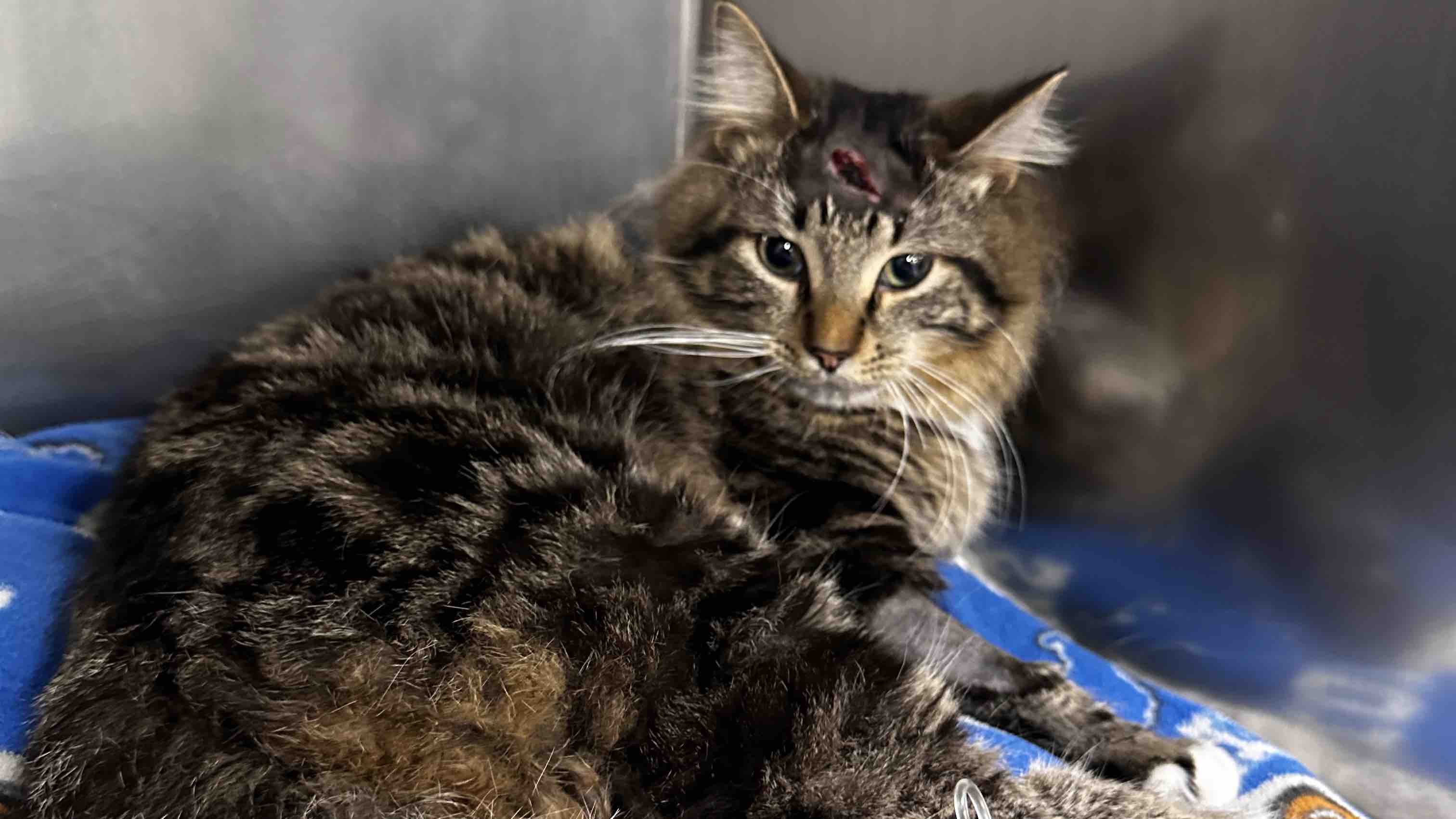
If a cat gets hit by a car, the situation requires immediate, calm, and methodical action. You must prioritize the safety of both yourself and the injured animal by approaching the cat slowly to prevent further trauma, securing it in a rigid container, and transporting it directly to the nearest emergency veterinary clinic or animal hospital without attempting to administer medical treatment yourself.
Assessing the Situation and Ensuring Safety
When you encounter an injured cat, your primary objective is to minimize the stress and pain the animal is experiencing while ensuring your own safety. A cat in shock or severe pain is often unpredictable and may bite or scratch, regardless of its temperament.
Before you approach the animal, check the surrounding traffic. If the incident occurred on a busy road, ensure you are visible to other drivers. If possible, move to a safe distance or use hazard lights if you are in a vehicle. Approach the cat slowly, keeping your voice low and calm. Do not make sudden movements or loud noises, as these can trigger a "fight or flight" response, causing the cat to scramble into traffic or cause further physical injury to itself.
If the cat is mobile but injured, do not chase it. A cat in a state of adrenaline-fueled panic may run into further danger. If the cat is immobile, it likely has sustained serious trauma.
The Importance of Proper Handling
Handling an injured cat correctly is critical to preventing secondary injuries, such as spinal damage or internal hemorrhaging. Do not attempt to "straighten" a limb or move the cat in a way that forces its body into an unnatural position.
- Preparation: Locate a sturdy box, pet carrier, or even a thick laundry basket. Line the container with a soft towel or blanket to provide stability and comfort.
- Immobilization: If you have a large towel, gently drape it over the cat. This serves two purposes: it prevents the cat from seeing movement (which reduces anxiety) and provides a protective layer for you to hold onto while placing the cat in the container.
- Transfer: Slide your hands under the cat’s chest and hindquarters, keeping the spine as level as possible. Lift slowly and place the cat into the prepared container. Do not attempt to hold the cat in your arms for transport, as you cannot maintain a secure grip if the animal suddenly reacts to pain.
- Securing: Once the cat is in the carrier, close it securely. If the cat is having trouble breathing, ensure there is adequate ventilation.
Immediate Medical Priorities
Once the cat is secured, your role shifts from rescuer to transport. Time is the most critical factor in the prognosis of a cat hit by a vehicle. Do not stop to look for the owner or check for identification tags until the animal is in the hands of a veterinary professional.
Why You Should Avoid DIY Treatment
It is imperative that you do not attempt to feed the cat, give it water, or administer human medications (such as pain relievers or antiseptics). Human medications, including common over-the-counter painkillers like acetaminophen or ibuprofen, are highly toxic to cats and can be fatal even in small doses. Furthermore, if the cat has internal injuries, feeding or hydrating it can cause complications if the animal requires emergency surgery or anesthesia.
Preparing for the Veterinary Clinic
If possible, call the veterinary clinic while you are en route. Inform them that you are bringing in a cat hit by a car so they can prepare an examination area, oxygen support, and IV fluids. Providing them with a heads-up allows the staff to clear a space and prioritize the arrival, potentially saving minutes that are vital for the cat's recovery.
Comparative Overview of Potential Injuries
A cat hit by a car may suffer from a wide range of injuries, some of which are not immediately visible to the untrained eye. Understanding these possibilities highlights why professional diagnostics are necessary.
| Injury Type | Signs to Look For | Potential Severity |
|---|---|---|
| Soft Tissue Trauma | Bruising, localized swelling, limping | Moderate |
| Internal Hemorrhage | Pale gums, lethargy, cold extremities | Critical |
| Diaphragmatic Hernia | Difficulty breathing, abdominal breathing | Life-threatening |
| Fractures | Obvious deformity, inability to bear weight | Serious |
| Neurological Injury | Unsteady gait, dilated pupils, seizures | High |
Identifying the Owner and Legal Responsibility
Once the animal is under professional care, the clinic staff will typically scan the cat for a microchip. This is the most efficient way to reunite the animal with its owner.
In many jurisdictions, the driver who hits an animal has specific legal obligations. If you are the driver involved in the accident, you are generally expected to stop and provide assistance if it is safe to do so. In many areas, legislation requires you to report an accident involving a domestic animal to local authorities or animal control, especially if the animal is injured or killed.
If you are a bystander who rescued the cat, inform the clinic staff that you are the "finder." They will handle the notification of the owner if a microchip is present. If there is no chip, the clinic may contact local animal shelters or post the information on community platforms.
Financial and Ethical Considerations
Emergency veterinary care for a trauma victim is expensive. When you bring an injured stray into a clinic, you must clarify your role immediately. If you are not the owner, you may be asked to sign a waiver.
Many clinics have protocols for "Good Samaritan" cases, but they are not obligated to provide free treatment. Be prepared for the possibility that the clinic may require a deposit or may prioritize stabilizing the animal before asking for a long-term care plan. Ethical veterinarians will focus on the welfare of the animal, but they must also balance this with the operational costs of the facility.
Frequently Asked Questions
1. Should I try to move a cat off the road if it is clearly deceased?
If the cat is deceased, you should still attempt to move it to the side of the road to prevent it from being struck again and to show respect for the animal. Use a glove or a piece of cloth to protect your hands. If the cat is wearing a collar, you may be able to contact the owner.
2. What if I suspect the cat has a broken back?
Keep the cat as still as possible. Use a flat, rigid surface like a piece of cardboard or a cutting board as a makeshift stretcher to slide under the cat. Minimize any movement of the spine. Transport the cat on this flat surface to prevent further spinal cord damage.
3. Will the cat be aggressive when it wakes up?
It is common for an injured animal to be defensive. Even a normally sweet pet can bite out of fear and confusion. Always allow the veterinary staff to handle the cat once you reach the facility, as they are trained in safe handling techniques for injured animals.
4. How can I tell if a cat is in shock?
Signs of shock include pale or grayish gums, a rapid and weak heartbeat, shallow or rapid breathing, and cold paws or ears. The cat may appear unresponsive or listless. Shock is a life-threatening emergency that requires immediate medical intervention.
5. Are there free emergency clinics for stray animals?
Most emergency veterinary clinics are private businesses. While some may have funds set aside for emergency triage of strays, there is no universal law requiring them to provide free care. Check with your local municipal animal control, as they may have contracts with specific clinics to handle injured strays found in public spaces.
Next Actions and Expert Guidance
The most helpful thing you can do is to remain focused and act quickly. By securing the cat in a stable, dark, and quiet container, you are giving it the best possible chance of survival. Once the animal is at the clinic, relinquish the care to the professionals. They are equipped to perform diagnostic imaging, administer pain management, and provide the life-saving surgeries required for complex trauma. After you have left the animal in their care, provide your contact information to the front desk so they can reach you regarding the owner's status or if additional information is needed.