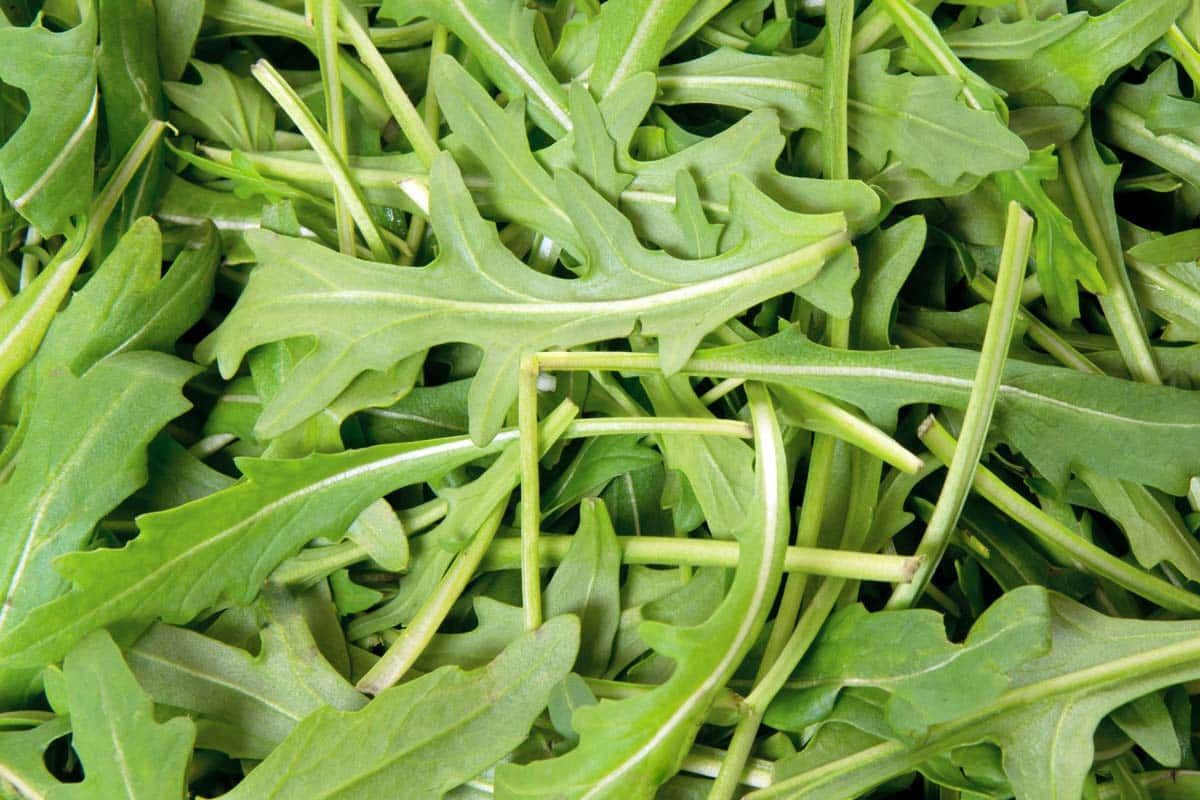
Recent arugula recalls typically stem from the detection of pathogens like Salmonella or Listeria monocytogenes during routine quality assurance testing. Key details for consumers include identifying specific "Sell By" dates, lot codes, and brand labels such as Green Life Farms or various private retail brands. Impacted products should be discarded immediately to prevent severe foodborne illness.
Food safety remains a critical concern for consumers, particularly regarding raw leafy greens that do not undergo a "kill step" like cooking. When an arugula recall is issued, it often highlights systemic vulnerabilities in the agricultural supply chain, from irrigation water quality to the packaging environment. Understanding these recalls is not just about checking a single bag of salad; it is about recognizing the protocols that keep the food supply safe and knowing exactly how to respond when those protocols identify a risk.
The Significance of Recent Arugula Recalls
Arugula, known for its peppery flavor and nutrient density, is a staple in modern diets. However, its physical structure—characterized by delicate, ruffled leaves—provides numerous microscopic hiding spots for bacteria. Unlike sturdier vegetables, arugula is almost exclusively consumed raw, meaning any contamination present at the time of harvest or packaging reaches the consumer directly.
In the timeframe leading up to 2026, the food industry has seen a shift toward more aggressive routine testing. Recalls are often "preventative," meaning they occur because a company found a pathogen in the environment or a sample of the product before widespread illness was reported. While these recalls can be alarming, they are evidence of a functioning surveillance system designed to intercept contaminated food before it reaches the dinner table.
The primary driver for these recalls is almost always microbiological. Bacteria such as Salmonella can thrive in the moist environments required for leafy green production. Whether the arugula is grown in traditional soil-based fields or high-tech hydroponic facilities, the risk of contamination remains a constant challenge for producers.
Key Details of Major Arugula Recall Events
To understand the specifics of an arugula recall, one must look at the "highlights" that regulatory bodies like the FDA (Food and Drug Administration) and CDC (Centers for Disease Control and Prevention) emphasize. The most significant recent events, such as the 2024 Green Life Farms recall, provide a blueprint for what consumers need to look for.
Identifying the Pathogen
The specific organism involved dictates the level of urgency and the nature of the health risk.
- Salmonella: This is the most frequent culprit in leafy green recalls. It often originates from animal feces contaminating irrigation water or soil.
- Listeria monocytogenes: While less common in fields, Listeria is a hardy bacterium that can survive in cold, damp processing facilities. It is particularly dangerous for pregnant individuals and the elderly.
Branding and Packaging Specifics
Recalls rarely affect every brand of arugula on the shelf. Instead, they are usually isolated to specific "lots" or "batches." For example, a recall might only apply to 4-ounce clear plastic containers labeled as "Baby Arugula" under a specific brand name.
Key details highlighted in recall notices include:
- UPC Codes: The 12-digit barcode number on the back of the package.
- Lot Numbers: A series of letters and numbers that identify the specific production run and facility.
- Expiration or "Sell By" Dates: These provide a window of time during which the contaminated product was available for purchase.
Geographic Distribution
Recalls are often regional. A processing plant in the Southeast may supply retailers like Publix or Whole Foods in that specific region, while the West Coast remains unaffected. Consumers must check if their specific state is listed in the distribution area of the recall.
Identifying Recalled Arugula in Your Kitchen
If you hear news of an arugula recall, the first step is a thorough audit of your refrigerator. Do not rely on the appearance or smell of the greens. Pathogens like Salmonella do not typically change the flavor, texture, or scent of the leaves.
Reading the Label
Locate the plastic clamshell or bag. Most recall information is printed on the bottom or the back of the packaging near the barcode. If you have transferred the arugula to a different container, or if the original packaging is missing, the safest course of action is to assume the product is contaminated and discard it.
Retailer Notifications
By 2026, many large grocery chains have integrated recall alerts into their loyalty programs. If you purchased a recalled item using a rewards card or app, you might receive an automated email, text, or push notification. However, these systems are not infallible; manual verification against official FDA lists is always recommended.
Health Risks: Analyzing Salmonella and Listeria
The reason "arugula recall highlights key details" is such a critical search intent is the potential severity of foodborne illness. Understanding the symptoms can help consumers seek medical attention before complications arise.
Salmonella Infection (Salmonellosis)
Most people infected with Salmonella develop diarrhea, fever, and stomach cramps within 6 hours to 6 days after exposure. The illness typically lasts 4 to 7 days.
- Vulnerable Populations: Children under 5, adults over 65, and people with weakened immune systems are at a higher risk for severe illness that may require hospitalization.
- Potential Complications: In rare cases, the infection can spread from the intestines to the bloodstream and other body sites, leading to arterial infections, endocarditis, or arthritis.
Listeria monocytogenes Infection (Listeriosis)
Listeriosis is less common than Salmonella but has a much higher mortality rate.
- Symptoms: Fever, muscle aches, headache, stiff neck, confusion, and loss of balance.
- Pregnancy Risks: For pregnant individuals, Listeria can lead to miscarriage, stillbirth, premature delivery, or life-threatening infection of the newborn, even if the mother experiences only mild symptoms.
Why Arugula Is Prone to Contamination
Arugula’s journey from seed to salad involves multiple touchpoints where contamination can occur.
Irrigation and Runoff
Leafy greens require significant amounts of water. If the water source is contaminated by runoff from nearby livestock operations or wildlife, the bacteria can adhere to the leaves. Because arugula grows close to the ground, it is particularly susceptible to soil splashing during heavy rains or irrigation.
Hydroponic Vulnerabilities
Many modern arugula brands use hydroponic systems, which were once thought to be safer because they are "soil-less." However, if a pathogen enters the water circulation system of a hydroponic farm, it can spread rapidly to the entire crop. The 2024 Green Life Farms recall was a notable example of a hydroponic facility facing these challenges.
Post-Harvest Processing
Once harvested, arugula is often washed, dried, and packed in high-speed facilities. If the equipment is not sanitized correctly, a small amount of contaminated greens can cross-contaminate thousands of pounds of product as it moves through the conveyor belts and washers.
Comparison of Common Leafy Green Contaminants
The following table compares the two most common pathogens found in arugula recalls to help consumers understand the differing risks.
| Feature | Salmonella | Listeria monocytogenes |
|---|---|---|
| Typical Source | Animal feces, contaminated water | Damp environments, processing plants |
| Incubation Period | 6 hours to 6 days | 1 to 4 weeks (sometimes longer) |
| Common Symptoms | Diarrhea, fever, abdominal cramps | Fever, muscle aches, stiff neck |
| Risk Level: Pregnancy | Moderate | Very High (can cause miscarriage) |
| Survival | Prefers warm environments | Can grow in refrigerated temperatures |
| Commonly Recalled Items | Poultry, sprouts, leafy greens | Deli meats, soft cheeses, leafy greens |
The Role of Regulatory Oversight in 2026
As of 2026, the landscape of food safety has been significantly shaped by the Food Safety Modernization Act (FSMA), specifically Section 204 regarding Enhanced Traceability. This rule requires companies that manufacture, process, pack, or hold certain foods (including leafy greens like arugula) to maintain detailed records of their supply chain.
Rapid Traceability
In previous years, it might take weeks to identify the source of a contaminated batch of arugula. In 2026, the digital "traceability lot code" allows the FDA to trace a bag of salad back to the specific farm and field within hours. This speed is why recalls now "highlight key details" much faster than in the past, often preventing an outbreak before it even begins.
Environmental Monitoring
Facilities are now required to perform more frequent environmental swabbing. This means they test the floors, drains, and equipment for Listeria or Salmonella. If a positive result is found, the company may issue a recall even if no finished product has tested positive, acting out of an abundance of caution.
Consumer Action Plan: Beyond Discarding the Product
Finding a recalled item in your fridge requires more than just throwing it in the trash. You must ensure that the pathogens have not spread to other areas of your kitchen.
1. Proper Disposal
Do not donate recalled food to food banks or feed it to pets. Seal the product in a plastic bag before placing it in the trash to prevent scavengers or pets from accessing it.
2. Sanitize the Environment
Bacteria like Listeria can survive on cold surfaces and spread to other foods.
- Wash the Drawer: If the arugula was stored in a crisper drawer, remove the drawer and wash it with hot, soapy water.
- Sanitize Surfaces: Use a solution of one tablespoon of unscented liquid chlorine bleach to one gallon of warm water to sanitize the refrigerator shelves and any countertops where the package was placed.
- Hand Hygiene: Wash your hands with soap and warm water for at least 20 seconds after handling the recalled product.
3. Monitor Your Health
If you have already consumed some of the recalled arugula, do not panic. Not everyone who eats contaminated food becomes ill. However, you should monitor yourself for the symptoms mentioned above for at least 10 days (for Salmonella) or up to 70 days (for Listeria). If symptoms develop, contact a healthcare provider and inform them that you consumed a recalled product.
Frequently Asked Questions
Can I just wash the arugula to make it safe?
No. If arugula is contaminated with Salmonella or Listeria, washing it with water will not remove all the bacteria. These pathogens can create biofilms or even enter the internal tissue of the leaf through the stomata (pores). Cooking is the only way to kill these bacteria, but since arugula is rarely cooked, the only safe option is to discard it.
How do I get a refund for recalled arugula?
Most retailers will provide a full refund for recalled products. You usually do not need a receipt if you have the physical packaging. If you have already thrown the product away, some stores will accept a photo of the lot code or UPC as proof of purchase.
Why does it seem like there are more arugula recalls now?
The increase in recalls is largely due to better technology and stricter regulations. In 2026, testing methods are more sensitive, and the FDA's FSMA 204 rules require more transparency. We aren't necessarily seeing more contamination; we are simply getting better at catching it before people get sick.
Is organic arugula safer than conventional arugula?
Not necessarily regarding microbiological contamination. While organic arugula is grown without synthetic pesticides, it is still susceptible to bacteria from irrigation water, manure-based fertilizers, or wildlife. Both organic and conventional arugula are subject to the same recall protocols.
What should I do if I think I got sick from recalled arugula?
Seek medical attention immediately, especially if you have a high fever, persistent vomiting, or signs of dehydration. Ask your doctor to perform a stool test or blood test to confirm the presence of the pathogen. Reporting your illness to the local health department helps authorities track the scope of the recall and protect others.
Final Recommendation
When an arugula recall highlights key details, your most effective tool is immediate action. Check the UPC and lot codes against the official FDA recall list or the brand’s website. If there is a match, do not taste the food to "check" it. Discard the product, sanitize your kitchen surfaces, and stay informed through official channels. Staying proactive with food safety alerts is the best way to enjoy the nutritional benefits of leafy greens while minimizing the risks of foodborne illness.