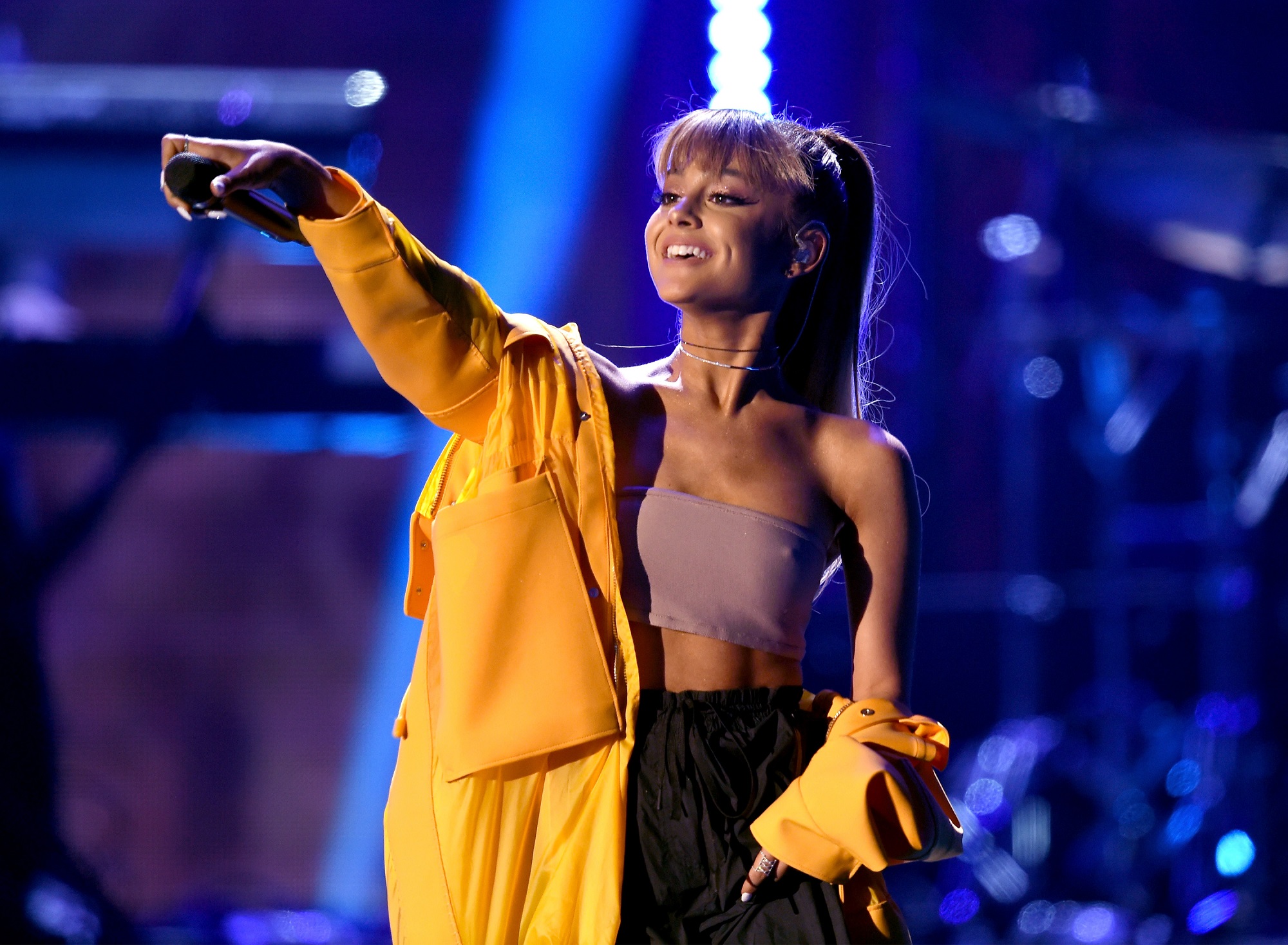
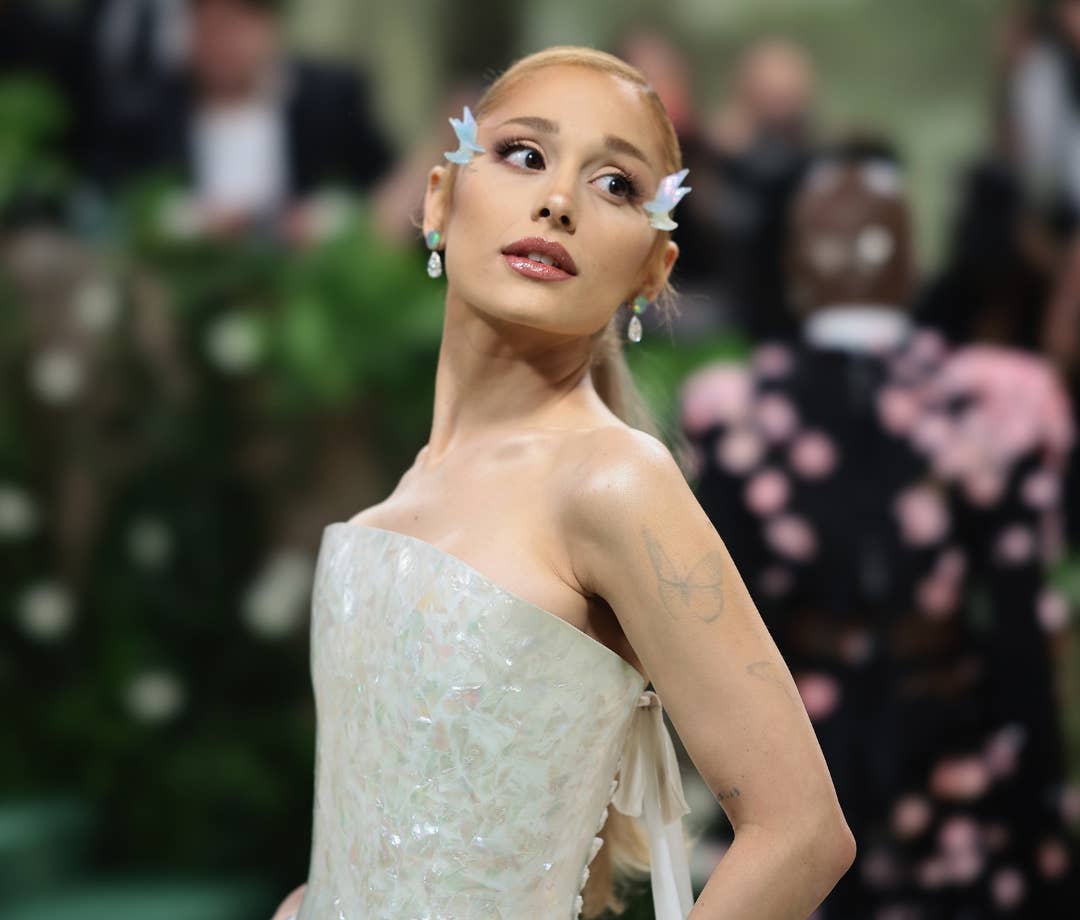
Ariana Grande’s net worth is estimated at approximately $250 million. Her fortune stems from a multi-faceted commercial empire consisting of global arena concert tours, over 90 billion digital streams, a fragrance franchise that has surpassed $1 billion in retail sales, equity ownership in r.e.m. beauty, and major studio acting roles, including Universal Pictures’ Wicked.
The Financial Trajectory: From Nickelodeon to Global Enterprise
Ariana Grande-Butera's transition from teen television actress to one of the world's highest-earning entertainers illustrates a deliberate shift from work-for-hire wages to high-margin intellectual property ownership and direct brand equity. Understanding her current financial standing requires examining how her revenue architecture has evolved since her breakthrough in the early 2010s.
- Ariana Grande Commercial Portfolio
- Music & Touring
- Catalog Streams
- Arena Tours
- Merchandising
- Consumer Goods
- Fragrance License
- r.e.m. beauty IP
- Retail Partnerships
- Screen & TV
- The Voice ($20M+)
- Wicked (Glinda)
- Syndication/Legacy
- Real Estate
- Historic Estates
- Strategic Sales
- Equity Holdings
- Music & Touring
Unlike legacy pop stars whose earnings depended primarily on physical CD shipments, Grande built her fortune across four distinct media eras: late-stage broadcast cable, the streaming boom, stadium-level live touring, and corporate licensing. In the entertainment industry, gross career earnings differ sharply from accumulated net worth. After subtracting production expenses, legal fees, agent commissions, business management percentages, and federal and state taxes, Grande has systematically converted top-line earnings into durable personal equity.
1. Music Catalog, Streaming Rights, and Publishing
Grande’s core wealth engine originated in recorded music. With seven full-length studio albums—Yours Truly (2013), My Everything (2014), Dangerous Woman (2016), Sweetener (2018), Thank U, Next (2019), Positions (2020), and Eternal Sunshine (2024)—she ranks among the most streamed female artists in music history.
The Mechanics of Streaming Economics
Streaming royalties do not pay artists flat fees per track. Instead, platforms like Spotify, Apple Music, and Amazon Music allocate distributions via a "stream-share" model, dividing aggregate net subscription and advertising pools by total platform plays.
- Master Recording Royalties: Under her long-standing agreement with Republic Records (a division of Universal Music Group), Grande commands an elite artist royalty rate. Major stars of her stature typically capture between 18% and 26% of wholesale master streaming revenue, while the label absorbs distribution overhead, marketing advances, and administrative costs. With billions of catalog streams annually, these recurring payouts yield millions in passive master royalties each calendar year.
- Publishing and Songwriting Royalties: In addition to performance rights, Grande holds extensive songwriting credits across her discography. Hits such as "Thank U, Next," "7 Rings," "No Tears Left to Cry," and "Yes, And?" list her as a primary lyricist and melodic composer. These contributions generate performance royalties collected through performance rights organizations (PROs like ASCAP or BMI) and mechanical royalties collected via mechanical licensing collectives.
- The "7 Rings" Royalty Split Case Study: Songwriting splits also highlight how intellectual property rights impact net payouts. "7 Rings" famously interpolates Richard Rodgers and Oscar Hammerstein II's classic "My Favorite Things." To clear the sample, Grande’s team conceded 90% of the songwriting royalties to the Rodgers & Hammerstein estate. While Grande and her co-writers retained only 10% of the publishing share, she kept 100% of her master performance share, turning the track into a massive net profit center despite the concession.
2. Global Touring and Live Performance Revenue
While recorded music establishes cultural relevance and baseline royalties, live touring provides the largest single-year cash injections for top-tier vocalists. Grande’s live operations demonstrate how high-capacity arena routing drives massive top-line receipts.
Tour Gross Comparisons (Historical Highpoints):
| Tour Name | Dates Completed | Gross Box |
|---|---|---|
| The Honeymoon Tour (2015) | 81 Dates | $41.5 Million |
| Dangerous Woman Tour (2017) | 77 Dates | $71.0 Million |
| Sweetener World Tour (2019) | 97 Dates | $146.6 Million |
The Sweetener World Tour Payouts
The Sweetener World Tour (2019) marked Grande’s peak touring earnings to date. Across 97 arena dates in North America and Europe, the tour sold more than 1.3 million tickets, generating an official gross of $146.6 million according to Billboard Boxscore.
Touring economics, however, involve complex corporate accounting:
- Promoter Guarantees vs. Backend Points: Top-tier performers typically negotiate a high guaranteed fee per show against 85% to 90% of the net box office receipts after venue operational costs and local entertainment taxes are settled.
- Operational Overhead: Arena-level touring demands extensive capital outlays. Stage engineering, lighting rigs, travel logistics, freight hauling, sound systems, insurance, and payroll for hundreds of road crew members and musicians routinely absorb 40% to 50% of the tour's total gross.
- VIP Packages and Concessions: High-margin VIP packages (which bundle premium seating with exclusive merchandise and experiences) provide pure profit margins. On the Sweetener World Tour, merchandise sales alone averaged between $10 and $15 per attendee, generating tens of millions of dollars in ancillary sales where artists generally take home a 25% to 35% margin after arena concession cuts.
From the Sweetener World Tour alone, industry trade reports suggest Grande cleared between $30 million and $40 million in personal pretax income.
3. The Corporate Portfolio: Fragrances and r.e.m. beauty
While entertainment salaries are tied to active time investments, consumer packaged goods (CPG) allow entertainers to scale their wealth through recurring retail purchases. Grande’s product footprint represents one of the most lucrative celebrity licensing models in modern corporate history.
The $1 Billion Fragrance Dynasty
In 2015, Grande partnered with Luxe Brands to launch her debut fragrance, Ari. Rather than treating the launch as a one-off endorsement, she structured a long-term licensing platform that has yielded more than a dozen distinct scent profiles, including Sweet Like Candy, Moonlight, Cloud, Thank U Next, and Mod Vanilla.
- Retail Velocity: By late 2022, Luxe Brands confirmed that the Ariana Grande fragrance portfolio had officially surpassed $1 billion in global retail sales.
- Financial Structure: In typical prestige licensing agreements, a celebrity partner does not own the manufacturing plants or handle international retail logistics. Instead, the artist licenses their name, image, likeness, and creative input in exchange for a royalty percentage on wholesale revenues—typically between 5% and 10%.
- Net Value to Grande: A 5% to 8% royalty cut on hundreds of millions in ongoing wholesale shipments translates to an estimated $8 million to $15 million in passive, high-margin annual cash flow.
The Strategic Acquisition of r.e.m. beauty
In November 2021, Grande entered the color cosmetics space by launching r.e.m. beauty. Initially incubated in partnership with Forma Brands—the parent incubator behind Morphe—the company sought to capture direct-to-consumer and prestige retail market share via Ulta Beauty and international retailers like Sephora Europe.
When Forma Brands filed for Chapter 11 bankruptcy protection in early 2023, Grande executed a decisive legal and financial maneuver:
- Asset Purchase: In early 2023, Grande signed an asset purchase agreement valued at approximately $15 million to acquire the brand's physical inventory, existing formula patents, and intellectual property rights directly from Forma Brands’ bankruptcy estate.
- Corporate Autonomy: By buying out her production partner, Grande took full operational and equity control of r.e.m. beauty. This restructuring moved her from a royalty-based partner to a true principal equity owner, positioning her to capture enterprise value in any future recapitalization, private equity investment, or trade sale.
4. Screen Acting, Direct Contracts, and Endorsements
Before her music career, Grande earned an equity-free baseline salary as a working child actor. Her subsequent return to screen work has been on vastly different commercial terms.
Early Screen Contracts: Victorious and Sam & Cat
During her tenure on Nickelodeon's Victorious (playing Cat Valentine), legal documents filed due to her minor status revealed her starting salary was roughly $9,000 per episode during the initial season, supplemented by modest performance-track music fees. While modest compared to her later earnings, this phase established her early financial base without the debt burdens common to emerging recording artists.
Television: The Voice (Season 21)
When Grande joined NBC’s singing competition series The Voice as a coach for Season 21 in 2021, network executives sought to attract younger digital-first demographics. As a result, industry publications documented that Grande negotiated an estimated $20 million to $25 million single-season salary, placing her among the highest-paid reality television judges in network broadcast history.
Feature Films: Universal's Wicked
Grande's casting as Glinda the Good Witch in Jon M. Chu's cinematic adaptation of the Broadway musical Wicked (structured across two major theatrical installments) represents a significant entertainment contract:
- Base Upfront Compensation: Major studio leads for high-budget adaptations routinely negotiate base fees between $5 million and $15 million per film.
- Backend Participation: While standard industry base pay guarantees millions, top-line talent frequently secures backend box-office performance escalators and soundtrack recording royalties. Given that the Wicked films represent flagship theatrical releases for Universal Pictures, performance-related bonuses and soundtrack streams generate additional royalties across theatrical windows, video-on-demand (VOD), and home media licensing.
5. Real Estate Acquisitions and Capital Allocation
Grande maintains a sophisticated luxury real estate portfolio in Southern California, using property transactions to safeguard wealth and execute tactical capital gains.
Notable Real Estate Acquisitions & Exits:
| Property Location | Acquisition Cost | Sale Price | Net Outcome |
|---|---|---|---|
| Hollywood Hills (Bird Streets | $13.7 Million | $14.0 Million | Modest gain/exit |
| Montecito (Tudor Estate) | $6.75 Million | $9.1 Million | ~$2.35M gain |
| Bird Streets (Second parcel) | $8.9 Million | Undisclosed | Private Holding |
- The Montecito Tudor: In 2020, Grande acquired an English Tudor-style property known as the Porter House in Montecito from Ellen DeGeneres for $6.75 million. Two years later, she sold the estate for roughly $9.1 million, securing an appreciation gain of more than $2.3 million before transaction fees.
- The Hollywood Hills Portfolio: Grande has owned multiple properties throughout the Bird Streets neighborhood of Los Angeles, frequently acquiring modern architectural compounds through private trusts, renovating them, and either holding them as private residences or flipping them off-market to insulate her liquidity.
Comprehensive Breakdown of Net Worth Pillars
The following table summarizes the primary asset components that comprise Ariana Grande’s financial empire.
| Asset Pillar | Primary Valuation Driver | Estimated Contribution / Scale | Liquidity / Equity Structure |
|---|---|---|---|
| Music Catalog & Streams | Streaming royalties, master points, publishing shares across 7 albums | Tens of millions annually in ongoing cash flow | Hybrid (semi-liquid publishing/master stream distributions) |
| Live Touring | Arena ticket grosses, VIP packages, high-margin tour merchandise | Career tour gross of over $250 million across major runs | Event-based liquid cash injections |
| Fragrance Portfolio | Long-term licensing deal with Luxe Brands covering multiple SKUs | Exceeded $1B+ in cumulative global retail sales | Highly liquid annual royalty distributions |
| r.e.m. beauty | Direct equity control of brand IP, formulas, inventory, and retail shelf space | Multi-million dollar direct brand valuation | Illiquid private corporate equity |
| Television & Film | Direct studio paychecks (The Voice, Wicked Part 1 & Part 2) | $20M–$25M per major project / season | Liquid contractual compensation |
| Real Estate Holdings | High-end Southern California residential properties | Estimated $20M–$30M in gross asset value | Illiquid fixed capital assets |
The Outflow Equation: Understanding Net vs. Gross Wealth
A common mistake in celebrity wealth analysis is assuming gross earnings equal take-home net worth. Converting eight-figure paychecks into verified net worth involves substantial operational and tax deductions:
- The Professional Advisory Cut (20% to 30%): Elite performers employ an executive team that typically commands fixed percentages of gross income:
- Talent Agent: 10% (on applicable theatrical/screen projects).
- Personal Manager: 10% to 15% across entertainment activities.
- Entertainment Attorney: 5% of gross deals or high hourly retainers.
- Business Manager / CPA: 5% of total revenue managed.
- State and Federal Income Taxes (~45% to 52%): As a resident working primarily out of California and New York, Grande’s top-bracket income is subject to the federal 37% rate plus California’s top personal income tax bracket (up to 13.3%) or New York’s state and municipal taxes. Consequently, more than half of her taxable income is paid directly to government treasuries annually.
- Security and Operational Infrastructure: High-profile public figures must spend heavily on personal protection. Operating 24/7 executive security teams, secure private transport, and home counter-surveillance systems costs between $1.5 million and $3 million per year.
Despite these necessary expenditures, Grande’s diversified business model—particularly her consumer goods and beauty equity—ensures her portfolio generates long-term, compounding wealth that is independent of active touring.
Frequently Asked Questions
What is Ariana Grande’s net worth?
Ariana Grande's net worth is estimated at approximately $250 million. This total accounts for cumulative master and publishing royalties, arena touring profits, network television salaries, luxury real estate holdings, and her equity ownership of r.e.m. beauty and the Luxe Brands fragrance license.
How much money does Ariana Grande make from her fragrances?
The Ariana Grande fragrance line with Luxe Brands has surpassed $1 billion in total global retail sales. Because her agreement is structured as a brand licensing partnership, Grande does not keep all retail proceeds; instead, she receives an estimated 5% to 10% royalty on wholesale revenue, which generates an estimated $8 million to $15 million in passive annual income.
How much was Ariana Grande paid for The Voice?
Grande reportedly received between $20 million and $25 million for her role as a coach on Season 21 of NBC’s The Voice. This contract made her one of the highest-paid reality television judges in the history of broadcast networks, out-earning many veteran coaches for that single cycle.
Does Ariana Grande own the master recordings to her music?
Grande does not own all of her legacy master recordings outright; her earlier catalog was released under a standard major-label recording contract with Republic Records. However, due to her elite market leverage, she commands top-tier artist royalty rates on those masters, retains significant publishing control over songs she co-wrote, and holds enhanced leverage over newer musical projects.
How did the Forma Brands bankruptcy affect r.e.m. beauty?
Rather than harming her beauty business, Forma Brands' early 2023 bankruptcy allowed Grande to take complete control of the brand. She paid approximately $15 million to acquire all physical inventory, manufacturing agreements, and brand assets from the bankruptcy court, successfully transitioning r.e.m. beauty into a privately held brand under her direct equity ownership.
Strategic Takeaway for Observers
Ariana Grande’s financial playbook offers a clear lesson in modern entertainment wealth-building: transition from talent-for-hire to equity ownership as quickly as market leverage permits.
To analyze or emulate this strategy within creative and commercial industries, prioritize the following practices:
- Emphasize Asset Ownership Over Flat Fees: Early career moves often require accepting work-for-hire contracts to build visibility. However, long-term wealth depends on securing master rights, publishing royalties, or corporate equity as early as possible.
- Leverage Audience Distribution into Consumer Goods: Grande did not merely promote third-party products; she launched proprietary fragrance and cosmetic lines, turning fan attention into a compounding consumer brand.
- Control Intellectual Property During Strategic Shifts: When operational partners encounter financial difficulty (as Forma Brands did with r.e.m. beauty), having capital ready to buy back your intellectual property preserves brand equity and protects long-term company value.