The Ariadne constellation is not an officially recognized modern constellation sanctioned by the International Astronomical Union (IAU), but rather a historical asterism, a mythological reference, and a frequent point of discussion in literature, amateur astronomy lore, and conceptual art. While modern astronomers divide the night sky into 88 official constellations—leaving no room for Ariadne in the official star charts—the cultural and historical footprint of Ariadne remains deeply intertwined with the constellations of the Northern Crown, Corona Borealis, and its placement among ancient star myths.
To fully understand the concept of an Ariadne constellation, one must navigate the intersection of ancient Greek mythology, classical literature, and the history of cartography. In classical mythology, Ariadne—the daughter of King Minos of Crete who helped Theseus navigate the Labyrinth with a thread—was eventually abandoned on the island of Naxos, where she was rescued by Dionysus. According to myth, Dionysus cast her golden crown into the heavens, where it became the constellation Corona Borealis. Consequently, references to an "Ariadne constellation" almost universally point to Corona Borealis or specific historical star groupings associated with her crown (stephanos). This guide explores the mythological foundations, the astronomical realities of Corona Borealis, historical star catalogs, and the broader cultural legacy surrounding Ariadne's celestial tribute.
Mythological Foundations: From the Labyrinth to the Stars
The narrative of Ariadne is one of the most enduring tragedies and triumphs in classical Greek mythology. Her association with the night sky stems directly from her relationship with the god of wine, festivity, and theater, Dionysus. Understanding this myth provides the primary key to decoding why ancient writers and later poets linked her directly to celestial phenomena.
The Myth of Theseus, Ariadne, and the Minotaur
Ariadne first enters mythological prominence during the Athenian tribute to the Cretan Minotaur. King Minos required Athens to send youths and maidens to be sacrificed in the Labyrinth. Ariadne fell in love with the Athenian hero Theseus and provided him with a ball of magical thread—the famous "thread of Ariadne"—so he could retrace his steps after slaying the beast.
After escaping Crete, Theseus and Ariadne fled together, but the hero eventually abandoned her on the island of Naxos while she slept. While accounts of her abandonment vary—some suggest Theseus left under divine compulsion from Athena, while others imply betrayal—the result brought about her divine elevation.
Dionysus and the Golden Crown (Corona Borealis)
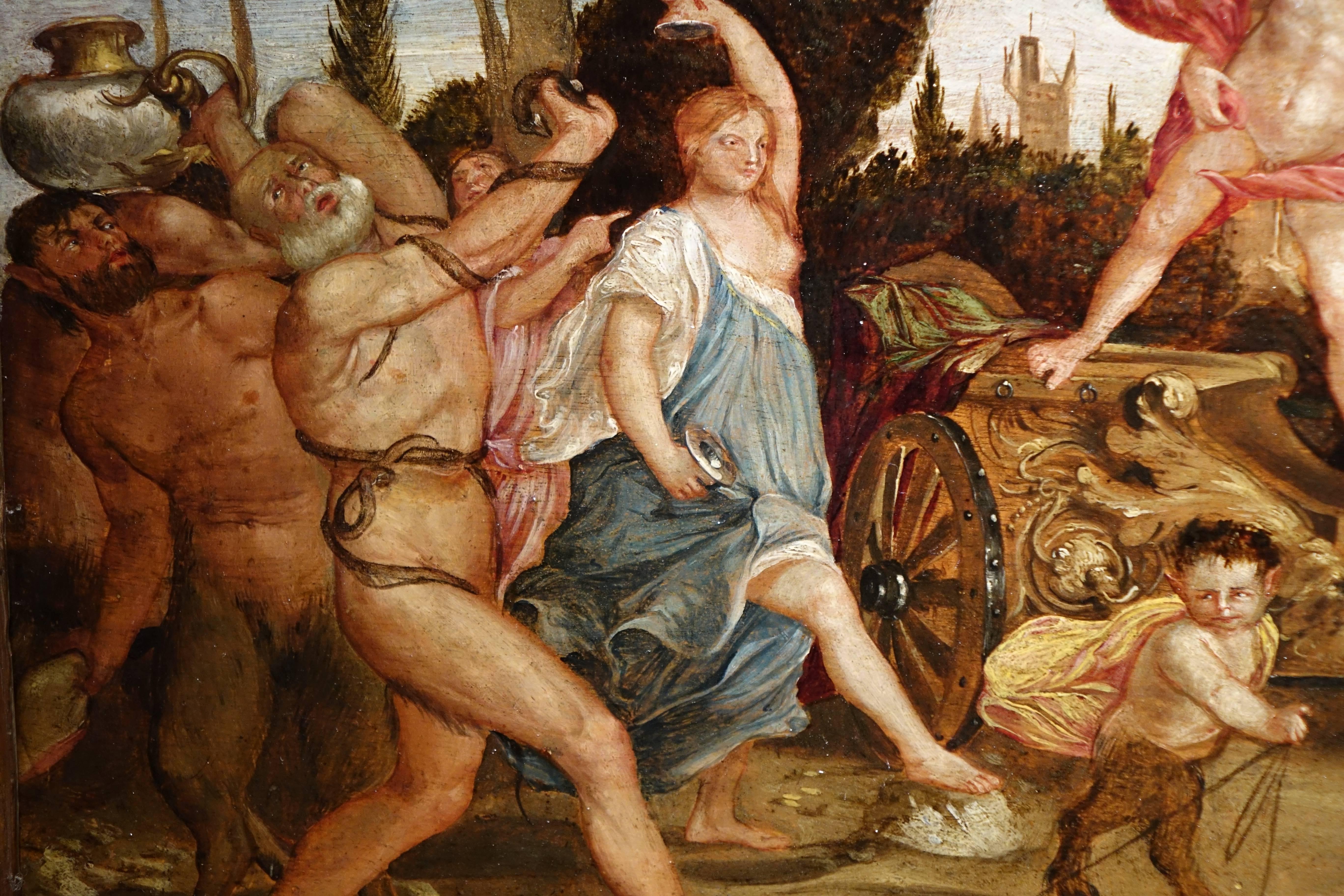
Distraught and alone on Naxos, Ariadne was discovered by Dionysus. Captivated by her beauty, the god made her his immortal bride. As a wedding gift—or as a memorial after her mortal death—Dionysus took the golden crown (stephanos) that Ariadne wore on her wedding day and cast it into the heavens.
As the crown ascended, its jewels transformed into glittering stars, etching themselves permanently into the firmament. Ovid recounts this transformation in his Metamorphoses, describing how the jewels of the crown turned into fires and took a place among the constellations, maintaining Ariadne's name and memory in the celestial sphere. Thus, while modern astronomy does not list an official constellation bearing her name, classical tradition views Corona Borealis as Corona Ariadnes—Ariadne's Crown.
Astronomical Reality: Corona Borealis as Ariadne's Crown
Because the "Ariadne constellation" in historical and literary terms is synonymous with Corona Borealis, examining the actual physical properties, location, and prominent stars of this celestial formation bridges the gap between myth and modern science.
Location and Visibility
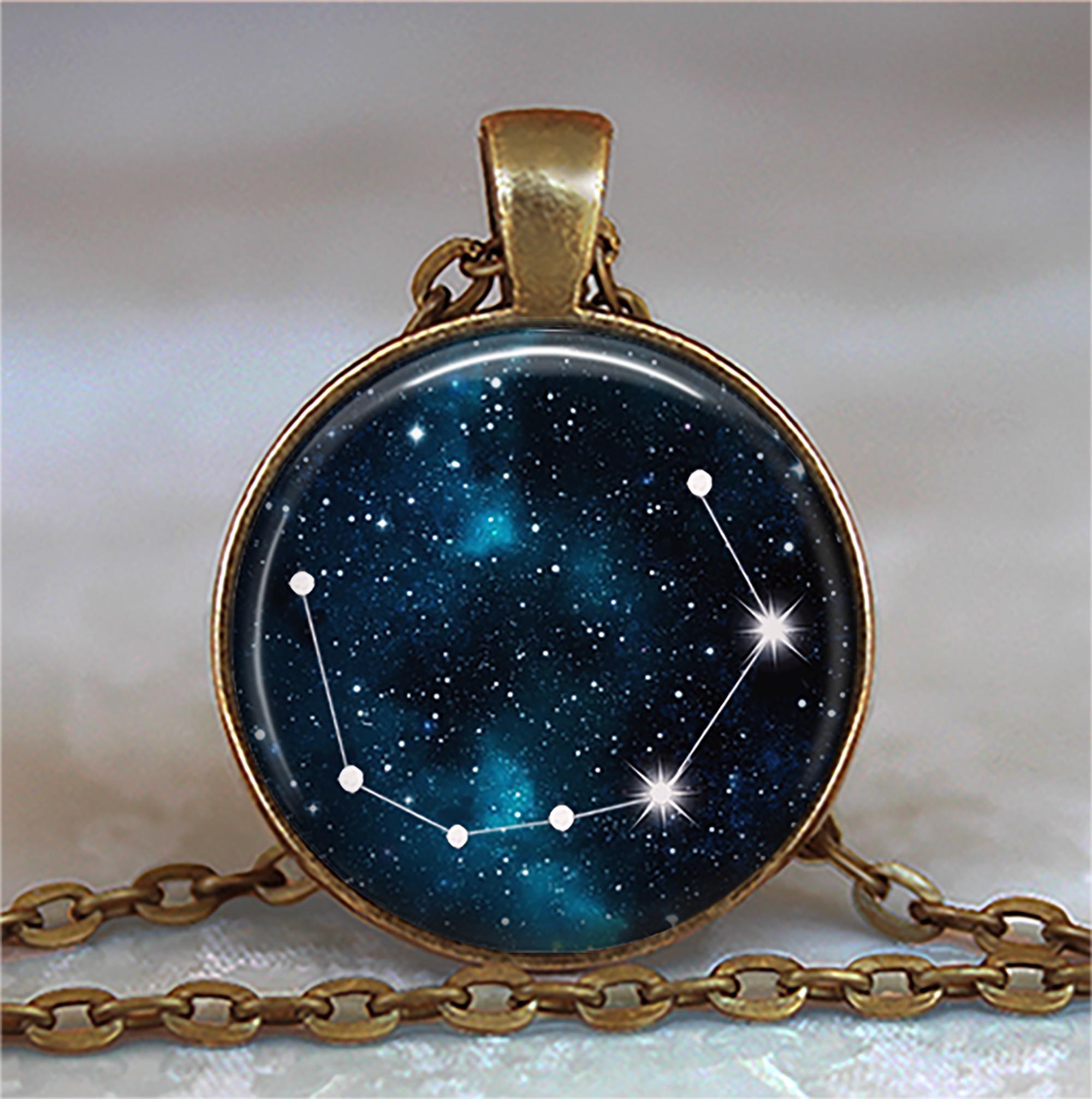
Corona Borealis is a small but distinct constellation located in the Northern Celestial Hemisphere. Bordered by Boötes the Herdsman, Hercules, and Serpens Caput, it is relatively easy to spot on clear spring and summer nights in the Northern Hemisphere. Its characteristic semi-circular arc of stars resembles a diadem or a broken necklace, making it one of the few asterisms whose shape genuinely matches its mythological descriptor.
Key Stars and Components
Despite its small physical area, Corona Borealis contains several notable astronomical objects of interest to both amateur stargazers and professional astronomers:
- Alpha Coronae Borealis (Alpheccas or Gemma): The brightest star in the constellation, representing the jewel in Ariadne's crown. Gemma is a white eclipsing binary star system located roughly 75 light-years from Earth.
- Beta Coronae Borealis (Nusakan): The second-brightest star, a spectroscopic binary with a complex magnetic field.
- T Coronae Borealis (The Blaze Star): A famous recurrent nova located within the constellation. Under normal conditions, it is too faint to see with the naked eye, but it undergoes periodic outbursts that dramatically increase its brightness, capturing significant scientific attention.
| Star Name | Designation | Distance (Light-Years) | Apparent Magnitude | Significance |
|---|---|---|---|---|
| Gemma | Alpha Coronae Borealis | ~75 | 2.22 | The brightest jewel in the crown; eclipsing binary. |
| Nusakan | Beta Coronae Borealis | ~114 | 3.68 | Spectroscopic binary with strong magnetic properties. |
| T Coronae Borealis | R CrB / Nova | ~3,000 | Variable (Usually 10–10.8) | Famous recurrent nova subject to sudden outbursts. |
Historical and Cartographic Context
In the history of astronomy, constellations were not always standardized. Before the IAU established the modern 88 boundaries in 1922, various cultures and cartographers grouped stars differently, applying a multitude of mythological names to the same stellar patterns.
Greco-Roman and Renaissance Star Atlases
Ptolemy included Corona Borealis in his Almagest in the 2nd century AD under the Greek name Stephanos. Renaissance star cartographers, such as Johann Bayer in his Uranometria (1603) and Johannes Hevelius in his Firmamentum Sobiescianum (1690), maintained the dual naming convention, frequently labeling the constellation as Corona Borealis or Corona Ariadnes.
In these older texts, the imagery accompanying the star charts often explicitly depicted Ariadne or her crown. Mapmakers used the myth to help navigators and scholars memorize the positions of stars relative to neighboring figures like Hercules and Boötes.
Separation from Modern IAU Standards
When the IAU met in the early 20th century to clean up overlapping boundaries, eliminate obsolete constellations, and establish strict coordinates for the entire sky, historical asterisms like "Ariadne" were pruned in favor of standardized Latin designations. Corona Borealis was retained due to its historical prevalence, but the direct eponym "Ariadne" was relegated to mythology, literature, and minor planet naming conventions (such as asteroid 43 Ariadne).
Cultural Legacy and Literary References
The persistence of the Ariadne constellation concept in modern discourse is primarily driven by its rich symbolic value in literature, poetry, and psychology. Writers have long used the imagery of Ariadne's crown to explore themes of abandonment, divine reward, transformation, and enduring love.
Poetry and Classical Allusions
From Dante Alighieri to Edmund Spenser and Lord Byron, English and continental European poets frequently invoked Ariadne's crown when describing brilliance in the night sky. In Paradise Lost, John Milton and other epic poets utilized classical stellar references to elevate their verse, drawing on the emotional resonance of Naxos and the celestial crown to symbolize sorrow transformed into eternal glory.
Psychological and Metaphorical Interpretations
In Jungian psychology and literary criticism, the figure of Ariadne—paired with her thread and her crown—represents guidance through inner chaos (the Labyrinth) and the ultimate individuation or elevation of the soul. The constellation serves as a physical reminder in the sky of the journey from mortal despair to cosmic permanence. This metaphorical framework explains why contemporary fantasy authors, visual artists, and astrologers occasionally resurrect the term "Ariadne constellation" to evoke themes of destiny and navigation.
Common Misconceptions and Amateur Astronomy Guidance
For modern observers seeking to locate the star groupings associated with Ariadne, several common points of confusion often arise. Clarifying these details helps prevent misidentifications.
Distinguishing Corona Borealis from Coma Berenices
Beginners frequently confuse Corona Borealis with Coma Berenices (Berenice's Hair), another northern constellation named after a historical queen's hair offered to the gods. While both are small, delicate constellations in the northern spring sky, Corona Borealis forms a distinct semi-circle, whereas Coma Berenices appears as a faint, scattered cluster of stars resembling a patch of mist or hair near the tail of Leo.
Naked-Eye Visibility and Light Pollution
Corona Borealis is moderately bright, but its dimmer stars can be washed out in urban environments with heavy light pollution. Observers in suburban or rural settings with clear skies will find it easily by looking between the bright stars Arcturus (in Boötes) and Vega (in Lyra).
Summary and Next Actions
While an official "Ariadne constellation" does not exist in professional astronomy catalogs, the name lives on as a direct reference to Corona Borealis (the Northern Crown) and its deep mythological roots in the story of Ariadne and Dionysus.
For those interested in exploring this celestial feature further, recommended next actions include:
- Stargazing: Use a planisphere or a mobile astronomy application to locate Corona Borealis in the northern sky during late spring or summer.
- Binocular Astronomy: Examine the arc of stars with binoculars to observe the distinct cluster pattern and check for updates on recurrent novae like T Coronae Borealis.
- Mythological Reading: Read Ovid’s Metamorphoses or classical retellings to understand the narrative context that transformed a mortal's crown into a permanent fixture of the night sky.