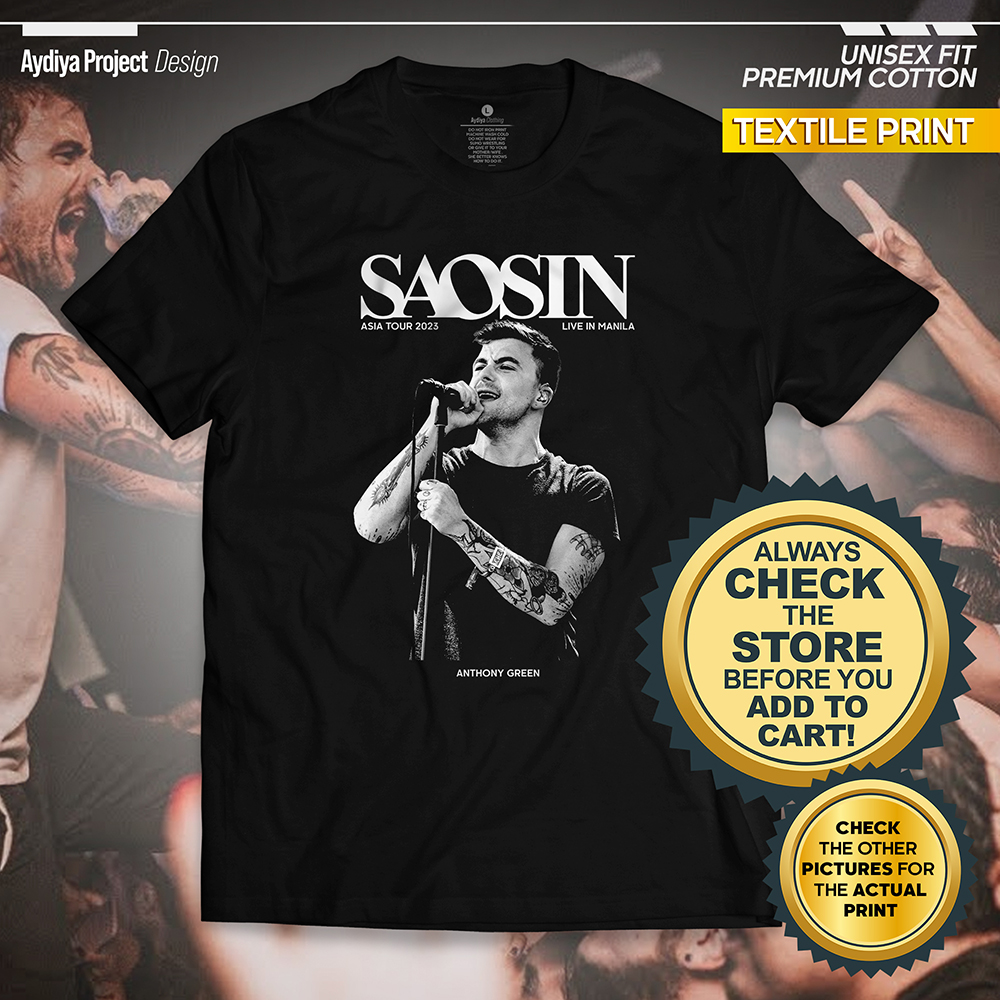
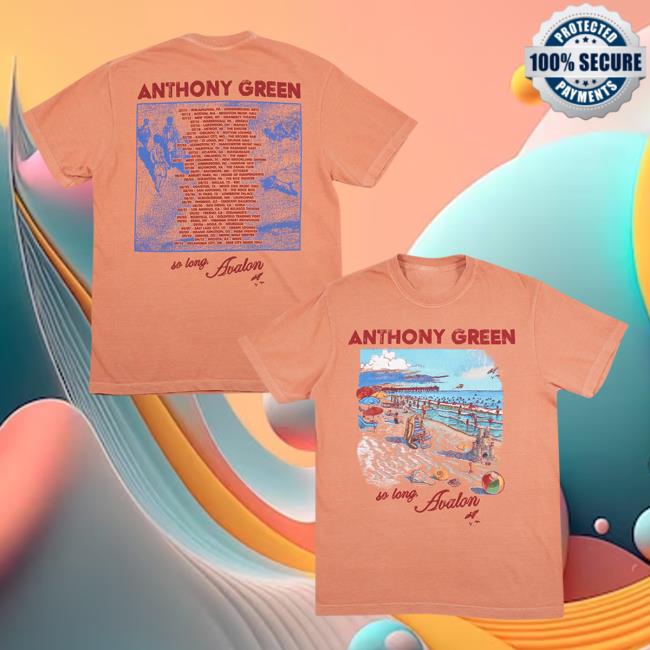
Anthony Green's signature shirt style blends alternative indie-rock aesthetics, vintage grunge nostalgia, and relaxed, functional layering. Achieving this distinct look involves pairing thrifted graphic tees, oversized plaid flannels, pattern button-downs, and lightweight thermals, while proper care requires cold-water washing, low-heat or air drying, and gentle detergent treatment to preserve fragile screen prints and soft fabric textures.
Deconstructing the Anthony Green Shirt Aesthetic
The aesthetic popularized by musician Anthony Green—known for his fronting of Circa Survive, Saosin, and L.S. Dunes—occupies a unique space between 1990s post-hardcore grunge and modern indie streetwear. Rather than following rigid runway trends, this style relies heavily on curated vintage finds, lived-in textures, unpretentious layering, and comfortable silhouettes that move easily between stage performances and off-duty personal life.
At the core of this look is the shirt. Whether performing under intense stage lights or dressing for daily travel, the garment selections prioritize breathability, visual personality, and movement. Understanding this wardrobe style requires breaking down the core visual elements:
- Relaxed and Boxy Fits: Clothes are rarely skin-tight. Shirts feature dropped shoulders, slightly longer hem lengths, or wider chest cuts that allow for effortless motion and casual drape.
- Textured Layering: A fundamental styling tactic involves layering an open woven shirt—such as a flannel, chamois, or printed short-sleeve—over a soft graphic tee, tank top, or waffle-knit thermal.
- Vibrant Nostalgia: Visual interest comes from aged band graphics, retro pop-culture prints, faded jewel tones, distressed striping, and bold plaid patterns.
- Authentic Distressing: Sun-fading, soft collar wear, natural fading around seam edges, and broken-in knits are embraced as character marks rather than flaws.
By combining thrifted authenticity with conscious fabric selection, this shirt style delivers an expressive, relaxed look that remains accessible and versatile across casual environments.
Essential Shirt Categories to Build the Look
To systematically curate a closet inspired by this style, focus on four key shirt categories. Each plays a specific role in creating cohesive, layered outfits suitable for different seasons and occasions.
- Outer Layer: Oversized Flannels / Lightweight Woven Button-Downs
- Mid Layer: Open Short-Sleeve Utility / Pattern Shirts
- Base Layer: Vintage Graphic Tees / Slub Cotton Tanks / Thermals
1. Vintage & Tour Graphic Tees
The foundation of the wardrobe begins with graphic t-shirts. Look for 100% cotton tees featuring vintage band art, retro typography, abstract illustrations, or worn promotional graphics. Single-stitch hems, sun-faded blacks, off-whites, and muted charcoal shades are ideal. The fit should be classic or slightly oversized through the torso to avoid modern compression styles.
2. Oversized Plaid Flannels and Chamois Shirts
Plaid flannel button-downs serve as the workhorse of this aesthetic. Key variations include mid-weight cotton flannels, double-brushed plaid knits, and rugged chamois shirts. Colors range from traditional red/black and forest green/navy pairings to washed earth tones like mustard, rust, and slate blue. These are typically worn unbuttoned over a base tee or loosely buttoned with sleeves pushed up past the forearms.
3. Patterned Short-Sleeve Wovens
For warmer weather or dynamic stage styling, short-sleeve button-down shirts featuring geometric, rayon-blend, floral, or abstract patterns add high visual texture. Lightweight fabrics like rayon, viscose, tencel, or lightweight cotton lawn allow the shirt to drape fluidly, creating fluid movement when left unbuttoned over a solid base layer.
4. Thermal & Waffle-Knit Base Layers
During cooler months, waffle-knit long-sleeve thermals and henleys act as essential insulation. Worn under short-sleeve tees or beneath heavy flannels, thermals provide physical warmth while adding rich tactile contrast around the neckline, cuffs, and hemline.
Fabric & Textile Specifications
Understanding the fabrics behind these shirts ensures you select pieces that fit correctly and stand up to long-term wear. Garment performance and drape depend heavily on fiber composition, yarn construction, and fabric weight (measured in grams per square meter, or GSM).
| Shirt Type | Material Composition | Fabric Weight (GSM) | Drape & Texture | Key Durability Factor |
|---|---|---|---|---|
| Vintage Graphic Tee | 100% Ring-Spun Cotton | 160 – 200 GSM | Soft, relaxed, breathable | Seam reinforcement, collar retention |
| Plaid Flannel | 100% Brushed Cotton / Twill | 220 – 320 GSM | Structured, warm, soft hand-feel | Fiber resistance to pilling, double stitching |
| Patterned Resort Shirt | 100% Viscose / Rayon Blend | 110 – 150 GSM | Fluid, lightweight, high drape | Tensile strength when wet, low heat resistance |
| Thermal Henley | Cotton-Poly Waffle Knit | 200 – 260 GSM | Stretchy, textured, form-holding | Ribbed cuff recovery, seam flat-locking |
Material Characteristics Explained
Ring-Spun Cotton
Unlike standard carded open-end cotton, ring-spun cotton uses fine, twisted fibers that yield a smoother, softer surface. This fabric construction feels comfortable directly against the skin, resists tearing, and prints clearly with screen inks without sacrificing breathability.
Brushed Cotton Twill (Flannel)
Flannel fabric acquires its characteristic softness through a mechanical brushing process. Fine metal brushes lift loose fiber ends on the surface, creating a microscopic layer of trapped air that provides thermal insulation without heavy garment weight.
Rayon and Viscose
Rayon is a regenerated cellulose fiber derived from wood pulp. It reproduces the smooth feel of silk at a lower cost, offering unmatched fluid motion for printed camp shirts. However, rayon fibers lose strength when wet, making proper laundry care critical to prevent fabric distortion.
Styling Guide: Outfitting and Proportions
Executing this aesthetic successfully comes down to balancing silhouettes, color palettes, and layer lengths. Simply wearing oversized clothes can result in an unstructured silhouette; intentional pairing maintains a clear aesthetic shape.
- UNBUTTONED FLANNEL (Dark Navy / Mustard Plaid)
- FADED GRAPHIC TEE (Charcoal / Off-White)
- RELAXED DENIM / SLIM-TAPER CARGO PANTS
- CLASSIC CANVAS SNEAKERS / AGED WORK BOOTS
Rule 1: The Layering Contrast
Never layer identical textures or fits. If wearing an oversized, heavy flannel on top, select a softer, lighter base tee beneath it. Contrast a boxy top layer with straight-leg denim, tapered trousers, or relaxed shorts to keep the outfit proportional.
Rule 2: Color Palette Harmonization
Group colors around earthy neutrals (olive, tan, charcoal, faded black, off-white) anchored by one focal element. For example, pair a bright yellow-and-black plaid outer shirt with a neutral charcoal graphic shirt and washed blue jeans. Limit high-saturation neon colors, favoring washed, sun-faded tones instead.
Rule 3: Sleeve and Hem Management
Detailing changes the overall feel of the outfit:
- The Roll: Roll flannel sleeves up to the mid-forearm to break up long sleeve lines and create an active silhouette.
- The Unbuttoned Stack: Leave short-sleeve resort shirts entirely unbuttoned over a tucked-in crewneck or fitted tank top to lengthen the torso visually.
- Hem Drops: Ensure base-layer graphic tees sit roughly 1 to 2 inches below the bottom hem of cropped jacket layers, but slightly shorter than long flannel coats.
Complete Care and Laundry Protocol
Preserving the softness, graphic prints, and natural fit of alternative wear requires deliberate laundering habits. Modern laundry equipment, hot water, and high-heat drying rapidly degrade screen prints, shrink cotton weaves, and cause pilling on brushed flannels.
Follow this standard procedure to maximize garment lifespan while protecting delicate vintage prints.
Step-by-Step Washing Process
- Step 1: Prep: Turn printed tees inside out & fasten flannel buttons
- Step 2: Load: Separate heavy items (denim/towel) from thin cottons
- Step 3: Settings: Cold Water (≤30°C/86°F) + Gentle/Delicate Cycle
- Step 4: Soap: Use gentle liquid detergent (No bleach or softeners)
- Step 5: Drying: Air dry on flat rack or wooden hanger (Avoid high heat)
Step 1: Sorting and Pre-Treatment
Sort garments by color tone (lights, darks, and vibrant colors) and fabric weight. Do not wash thin cotton graphic tees alongside heavy zippered hoodies or metal-studded denim, as friction causes micro-tears and graphic chipping.
Before washing, turn all screen-printed, embroidered, or distressed shirts inside out. This minimizes direct surface friction against the wash drum wall and other clothes.
Step 2: Temperature Control
Always use cold water (preferably 30°C / 86°F or lower). Cold water prevents standard cotton fibers from contracting (shrinking), guards against dye bleeding in plaid patterns, and preserves the adhesive backing of vintage screen prints.
Step 3: Detergent Selection
Choose a mild, neutral liquid detergent. Avoid powder detergents that may not dissolve completely in cold water, leaving white chalky residue on dark graphic tees.
- Avoid Fabric Softeners: Liquid fabric softeners deposit a slick silicone film over cotton fibers, which degrades breathability, breaks down elastane in stretch fabrics, and can dull screen-printed graphics over time. For official guidance on textile care labels, refer to the Federal Trade Commission Care Labeling Rule.
- Avoid Chlorine Bleach: Use oxygen-based stain removers for targeted spot treatment instead of aggressive optical brighteners.
Step 4: Washing Cycle Choice
Select the Gentle, Delicate, or Hand Wash cycle on your washing machine. High-speed spin cycles stretch out shirt collars, distort shoulders, and warp collar ribbing over time.
Drying, Storage, and Fabric Preservation
How you dry and store shirts directly determines whether they keep their tailored shape or become stretched and warped.
| DO THIS (Preservation) | DON'T DO THIS (Damage) |
|---|---|
| Air Dry on Mesh Rack | Tumble Dry on High Heat |
| Padded / Wide Hangers | Thin Wire Hangers |
| Cold Water Wash | Harsh Chemical Softeners |
Drying Guidelines
Heat is the primary cause of garment failure. High-heat dryer cycles break down cotton yarn, shrink screen prints unevenly (causing unsightly print puckering), and melt synthetic embroidery threads.
- Line Drying (Recommended): Hang wet shirts on broad, padded hangers or fold them across a wooden drying rack away from direct sunlight. Direct, strong sunlight can fade dark dyes over prolonged exposure.
- Low-Heat Tumble Drying (Alternative): If you must use a tumble dryer, select the No Heat / Air Fluff or Low Heat / Gentle setting. Remove shirts while they are still slightly damp to minimize mechanical fabric stress.
Storage Practices
Different shirt styles require distinct storage methods to preserve their original shape:
- Graphic Tees and Thermals: Fold flat and store in drawers or on shelves. Hanging knit t-shirts on narrow hangers creates permanent collar distortion and unsightly "shoulder bumps" caused by gravity pulling down wet or heavy cotton.
- Flannels and Button-Down Wovens: Hang on wide wooden or padded contour hangers. Wooden hangers absorb ambient moisture and support the full shoulder structure, preventing neck sag and collar collapse.
Troubleshooting Common Garment Issues
Even high-quality casual garments encounter wear over time. Use these practical solutions to fix common issues without replacing your favorite wardrobe pieces.
| GARMENT PROBLEM | PRIMARY CAUSE | SOLUTION / FIX |
|---|---|---|
| Cracking Print | High dryer heat | Wash inside out, line dry only |
| Flannel Pilling | Friction in wash cycle | Electric fabric shaver / lint comb |
| Stretched Collar | Narrow wire hangers | Hot water collar dip method |
| Dull Colors | Hard water & excess soap | White vinegar rinse cycle |
1. Cracking or Flaking Screen Prints
- Cause: Dryer heat breaks down plasticizer additives in plastisol inks.
- Fix: Once ink cracks, it cannot be completely restored. Prevent further damage by ironing the garment inside out on medium heat with zero steam, using a piece of parchment paper between the iron and the back of the print to flatten fragile ink edges.
2. Pilling on Brushed Flannels
- Cause: Surface abrasion during washing causes loose cotton ends to twist into small fiber balls (pills).
- Fix: Glide an electric fabric shaver gently over the dry flannel surface in smooth, circular motions. To prevent future pilling, always wash flannels inside out on a low-speed spin cycle.
3. Stretched "Bacon" Collars on T-Shirts
- Cause: Neck ribs lose elasticity when pulled forcefully over the head or stored on oversized hangers.
- Fix: Gather the collar elastic into a tight accordian fold, dip only the neckband into a pot of boiling water for 30 seconds, wring out excess water, and lay flat to dry. The heat forces the ribbed cotton weave to contract back toward its original shape.
4. Faded Color Saturation
- Cause: Soap residue accumulation combined with mineral deposits from hard laundry water.
- Fix: Add 1/2 cup of distilled white vinegar to the fabric softener dispenser during a standard wash cycle. Vinegar strips built-up detergent film, softening the cotton naturally while restoring deep black and dark jewel-tone shades.
Frequently Asked Questions
What defines the "Anthony Green shirt style"?
The style combines vintage alternative rock influences with casual grunge layering. Key elements include faded graphic band tees, relaxed-fit plaid flannels, patterned short-sleeve resort shirts, and waffle-knit base layers paired in comfortable, unpretentious arrangements.
How do I prevent vintage graphic t-shirts from shrinking?
Always wash graphic tees in cold water on a delicate setting and avoid electric tumble drying entirely. Air-drying tees on a drying rack or flat surface prevents heat-induced cotton shrinkage and keeps printed art from cracking.
Should flannels be folded or hung in a closet?
Plaid button-downs and heavy cotton flannels should be hung on wide wooden or contoured hangers to maintain shoulder structure. Lightweight knit tees, however, should be folded to avoid hanger bumps and stretched collars.
Can I iron printed graphic tees directly?
Never run a hot iron directly across a screen-printed graphic, as plastisol ink will melt instantly onto the iron's soleplate. Iron the shirt turned completely inside out on a low-to-medium heat setting, or use a garment steamer on the unprinted side.
How do I wash rayon or viscose pattern shirts without destroying them?
Rayon and viscose fibers weaken considerably when wet. Wash these shirts inside out using cold water on a gentle cycle inside a mesh laundry bag, then hang to air dry. Never wring out wet rayon shirts by hand, as twisting breaks the damp fibers.
Practical Action Checklist for Wardrobe Maintenance
To build and preserve an alternative casual shirt collection, stick to this routine:
- Audit Your Closet Construction: Separate heavy woven button-downs from thin knit tees. Transition graphic tees to folded drawer storage and upgrade your flannel hangers to contoured wood.
- Adjust Your Laundry Setup: Set your washing machine default temperature to Cold Water (30°C / 86°F) and replace aggressive powder detergents with mild, clear liquid detergent.
- Invest in Air-Drying Equipment: Set up a foldable wooden drying rack near good ventilation to eliminate reliance on damaging high-heat tumble dryers.
- Keep Maintenance Tools Handy: Keep a simple electric lint shaver, a soft fabric brush, and white vinegar in your laundry area to treat pilling and fabric dullness early.