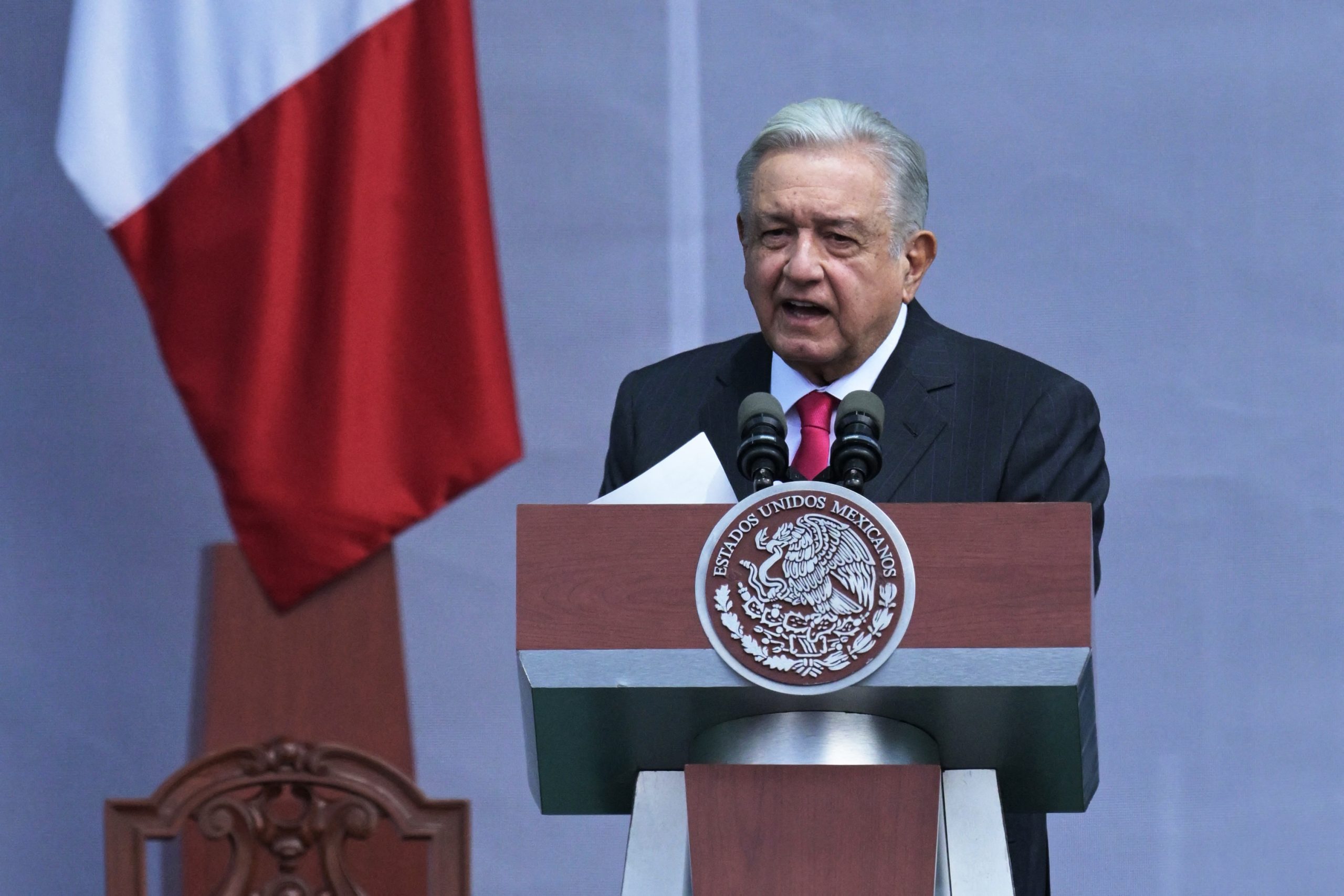
Andrés Manuel López Obrador (AMLO) officially maintains a net worth that is remarkably low for a former head of state, reporting no private bank accounts, real estate holdings, or luxury assets in his final financial disclosures. His wealth primarily stems from his previous government salary and significant royalties from his published books, with his primary residence being a family-inherited ranch in Palenque.
The financial profile of Andrés Manuel López Obrador, who served as the President of Mexico from 2018 to 2024, remains one of the most dissected and debated topics in Latin American politics. Unlike his predecessors, whose terms were often associated with the accumulation of vast personal fortunes and lavish lifestyles, López Obrador built his entire political identity around the concept of "Republican Austerity" (Austeridad Republicana). As we observe his status in 2026, two years into his retirement in Chiapas, the gap between his official declarations and the public perception of his family's wealth continues to drive national conversation. Understanding his net worth requires a deep dive into the official DeclaraNet filings, his secondary income from literature, and the legal structures surrounding his family's assets.
The Philosophy of Republican Austerity and Its Financial Impact
To understand López Obrador’s net worth, one must first understand the ideological framework that dictated his financial behavior for decades. Since his time as the Head of Government of Mexico City (2000–2005), AMLO positioned himself as a man of the people who eschewed traditional signs of wealth. This was not merely a campaign tactic but a cornerstone of his administration’s policy. Upon taking office in 2018, he famously cut his own salary to approximately 108,000 pesos per month (later adjusted for inflation to around 121,000 pesos by the end of his term), asserting that no public servant should earn more than the president.
This austerity extended to his personal life. He refused to live in the traditional presidential residence, Los Pinos, transforming it into a cultural center, and instead moved into a modest apartment within the National Palace. He famously sold the presidential Boeing 787 Dreamliner and traveled primarily via commercial flights or in a modest white Volkswagen Jetta. These actions were designed to demonstrate a lack of personal enrichment from public office. Consequently, his official financial disclosures consistently reflected a man with virtually no liquid assets, a narrative that he maintained throughout his six-year term and into his current retirement.
Official Financial Disclosures: The DeclaraNet Records
Under Mexican law, the Secretariat of the Civil Service (Secretaría de la Función Pública or SFP) requires all high-ranking officials to submit annual asset declarations through the DeclaraNet system. López Obrador’s filings were unique in their brevity. Year after year, the president declared that he owned no real estate, no vehicles, and no personal property. He famously claimed to carry no credit cards and possessed no personal bank accounts in his name, stating that his salary was managed by his wife, Beatriz Gutiérrez Müller.
In his final declarations, the only substantial income reported—aside from his presidential salary—was derived from his prolific career as an author. López Obrador has published over 20 books, many of which became bestsellers in Mexico. In 2023 and 2024, he reported significant spikes in income related to royalties, particularly from his book ¡Gracias!, which served as a summary of his political legacy. These royalties represent the most transparent growth in his personal wealth, providing a legal and documented source of income that explains his ability to maintain a comfortable, albeit modest, lifestyle in retirement without relying on a traditional presidential pension, which he famously abolished.
The Palenque Ranch: "La Chingada"
The most significant physical asset associated with Andrés Manuel López Obrador is his ranch in Palenque, Chiapas, known colloquially and officially as "La Chingada." The property, spanning approximately 13,000 square meters (roughly 3.2 acres), was inherited from his parents. While critics often point to this estate as evidence of hidden wealth, the legal reality is more nuanced.
López Obrador transferred the ownership of the Palenque property to his children several years ago, reserving the right of "usufruct" (the right to live on and use the property) for himself. This legal maneuver allowed him to declare that he technically owned no real estate, while still maintaining a permanent home for his post-presidency life. Estimates of the property's value vary significantly. While the land itself in a rural part of Chiapas may not be worth tens of millions of dollars in a vacuum, its value has undoubtedly been influenced by infrastructure projects in the region, such as the Tren Maya, which has its own station in Palenque. Despite the controversy, the ranch remains his primary residence in 2026, serving as both a home and a symbol of his retirement from public life.
Revenue from Literature: A Core Pillar of Wealth
Perhaps the most overlooked aspect of AMLO’s net worth is his success as a commercial author. For a politician who claims to have no traditional investments, his book sales provide a substantial financial cushion. His books, including A la mitad del camino, Hacia una economía moral, and his final work ¡Gracias!, have seen massive print runs.
| Revenue Source | Estimated Annual Value (Final Term Year) | Description |
|---|---|---|
| Presidential Salary | ~$1.5 Million MXN | Net annual income after taxes during his final year. |
| Book Royalties | ~$3 Million - $5 Million MXN | Reported income from best-selling titles. |
| Pensions (ISSSTE) | Standard Civil Service Rate | Eligibility based on years of public service, not a "Presidential" pension. |
| Real Estate | $0 (Direct Ownership) | Ownership transferred to heirs; usufruct rights retained. |
| Vehicles/Luxury Goods | $0 | No vehicles or luxury assets declared in personal name. |
In 2026, these royalties likely continue to flow, albeit at a lower rate than during his peak years in office. These earnings are significant because they are taxable and public, providing a rebuttal to accusations that his modest lifestyle is a front for illicit gains. However, the exact total of his lifetime earnings from books remains private, as only the annual income is required in the SFP disclosures.
The Contradiction: Family Wealth and the "Casa Gris"
The primary challenge to the "net worth explained" narrative for López Obrador does not come from his personal bank accounts, but from the perceived wealth of his immediate family. During his presidency, several controversies arose that contrasted sharply with his message of austerity. The most prominent was the "Casa Gris" (Grey House) scandal involving his eldest son, José Ramón López Beltrán.
Investigations revealed that his son had lived in a luxurious mansion in Houston, Texas, owned by a high-ranking executive of Baker Hughes, a company that held significant contracts with the Mexican state-owned oil company, PEMEX. While López Obrador vehemently denied any personal involvement or conflict of interest, the incident created a lasting public perception that while the former president himself might maintain a "near-zero" net worth, his family members have access to resources that far exceed the reach of an average Mexican citizen. This distinction is crucial for any analysis of his wealth: his personal net worth is legally distinct from his family's, yet in the court of public opinion, they are often inextricably linked.
Post-Presidency Income: Life After the National Palace
As of 2026, López Obrador has transitioned into a private life that reflects his long-standing claims of frugality. He declined the "pensiones de expresidentes," a move that was one of his most popular campaign promises. Instead, he is eligible for a standard pension from the ISSSTE (Institute for Social Security and Services for State Workers) based on his decades of service in various government roles.
His current financial status is defined by:
- Social Security Payments: Regular monthly payments for a retired government employee.
- Ongoing Royalties: Passive income from his back-catalog of political and historical books.
- Low Cost of Living: Residing on his family estate in Chiapas significantly reduces his monthly expenditures.
While he no longer holds the reins of power, his financial legacy is tied to the precedent he set regarding transparency. He remains the first modern Mexican president to enter and exit office without a visible, massive increase in personal property holdings or liquid wealth, even if his critics remain skeptical of the "unseen" influence and wealth of his inner circle.
Verification of Financial Claims
Verifying the net worth of a figure like López Obrador requires a look at the institutional checks and balances in Mexico. The Secretaría de la Función Pública (SFP) is the primary auditor of these claims. During his term, the SFP was often criticized for being led by political allies, which led some to question the rigor of the audits. However, no formal legal proof has surfaced to date that contradicts his DeclaraNet filings regarding his personal ownership of assets.
Furthermore, the Unidad de Inteligencia Financiera (UIF), Mexico’s financial intelligence unit, has the power to track money laundering and illicit enrichment. While the UIF was highly active under his administration in investigating political rivals, it found no cause to bring charges against López Obrador himself for hidden assets. In 2026, the lack of any post-presidency indictments or "sudden" appearances of hidden villas supports the official narrative that his personal net worth remains modest.
Common Misconceptions About AMLO’s Wealth
Many people confuse the "budget" of the presidency with personal wealth. During his term, López Obrador controlled a national budget of trillions of pesos, but his personal access to those funds was governed by strict accounting laws. Another misconception involves his children’s business ventures, such as the "Rocío" chocolate brand. While these businesses are successful and contribute to his children's net worth, there is no public evidence that the former president holds shares or receives dividends from these entities.
His net worth is best characterized as "liquid-poor but legacy-rich." He does not possess the diversified portfolio of a modern investor—no stocks, no bonds, and no international real estate. His wealth is entirely tied to his identity as a public servant and author, a fact that remains consistent in the 2026 landscape.
Frequently Asked Questions
What was AMLO's final salary as President?
By the end of his term in 2024, his monthly net salary was approximately 121,000 MXN. This was significantly lower than his predecessors, as part of his policy to ensure no official earned more than the president.
Does Andrés Manuel López Obrador own the Palenque ranch?
Technically, he does not own the title to "La Chingada." He transferred ownership to his children years ago. However, he holds usufruct rights, meaning he has the legal right to live there and use the property for the remainder of his life.
How much does AMLO earn from his books?
While exact lifetime totals are not public, his annual disclosures during his presidency often listed royalty income between 1 million and 4 million pesos per year, depending on book release cycles.
Does he receive a former president's pension in 2026?
No. One of his first major acts as president was to abolish the high-value pensions for former presidents. He lives on a standard ISSSTE pension and his personal savings from book royalties.
Is his family's wealth included in his net worth?
Legally, no. In Mexico, as in most jurisdictions, the assets of adult children and spouses (if married under certain legal regimes) are separate. However, political analysts often view the family's overall financial health as part of his broader "political net worth."
Recommendation for Further Research
To stay updated on the financial transparency of Mexican public figures, it is recommended to visit the official DeclaraNet portal maintained by the Secretaría de la Función Pública. For independent verification of asset claims and investigative reporting, the National Institute for Transparency, Access to Information and Personal Data Protection (INAI) provides a platform for citizens to request specific information regarding the use of public funds and the declarations of former officials. Monitoring these sources will provide the most accurate, data-driven view of how López Obrador’s financial legacy evolves in the coming years.