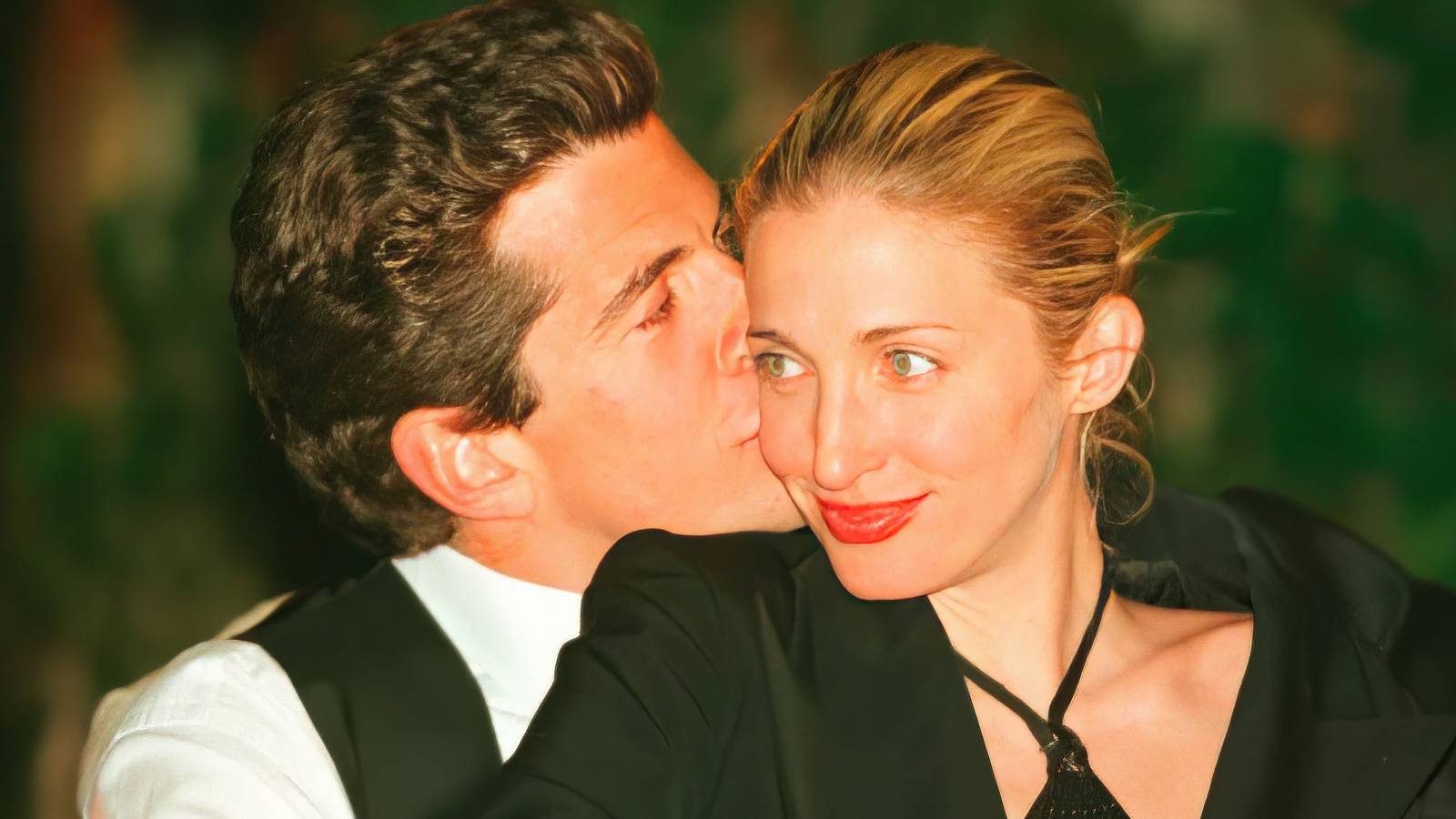
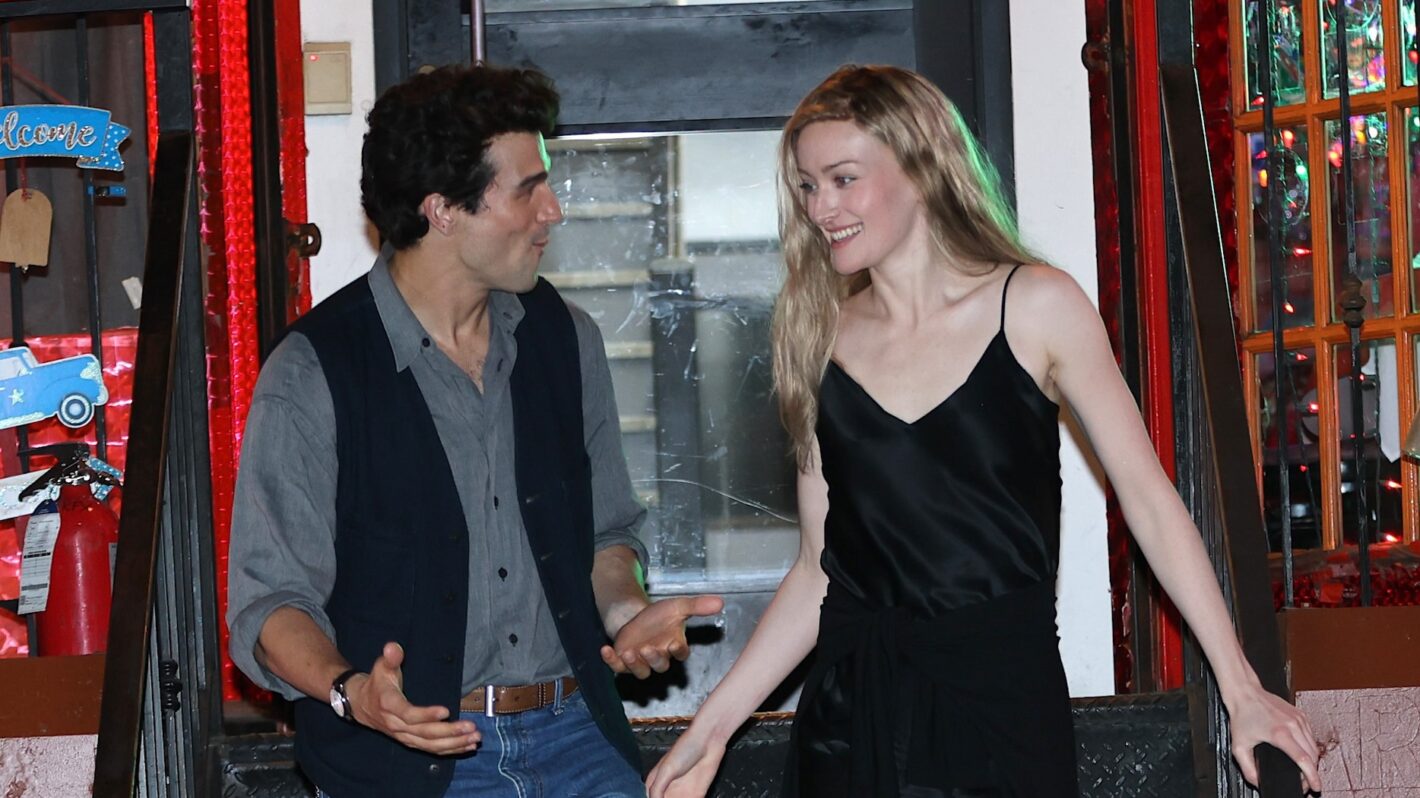
The landscape of romantic storytelling in 2026 is undergoing a significant transformation, characterized by "American Love Story 2026," a movement prioritizing nuanced, multi-dimensional portrayals of human connection. This shift moves beyond traditional tropes to emphasize emotional realism, diverse cultural intersections, and the integration of modern digital realities into the classic romantic arc, reshaping how audiences consume and engage with contemporary love stories.
The Evolution of Romantic Storytelling
For decades, the standard romantic narrative followed a predictable trajectory: meet, obstacle, climax, and resolution. By 2026, the industry has seen a pivot toward "narrative authenticity." This movement is not a rejection of romance, but an expansion of its parameters. Viewers and readers are increasingly seeking stories that mirror the complexity of modern life—where professional aspirations, personal trauma, and digital connectivity influence the chemistry between partners.
The "American Love Story" identifier in 2026 refers to a specific surge in domestic media production that focuses on regional identity and the changing nature of the American experience. These narratives often step away from the polished, coastal-centric tropes of the late 2010s. Instead, they delve into the diverse socioeconomic landscapes of the American heartland, the complexities of urban migration, and the impact of the 2020s on foundational relationship values.
Core Themes of the 2026 Movement
What defines this new wave? It is a shift from the "Grand Gesture" toward "Micro-Intimacy." Producers and writers are increasingly favoring storylines where the emotional payoff is found in small, consistent actions rather than cinematic, highly staged events.
Digital Integration and Disconnection
In 2026, technology is no longer a peripheral element of the plot but an active participant. Romantic narratives now explore the "paradox of connectivity"—the idea that while we are more connected than ever through digital platforms, the struggle for genuine, private intimacy has intensified. This wave explores how digital footprints, social media mediation, and remote communication tools alter the way characters fall in love and, crucially, how they resolve conflicts.
Economic and Geographic Realism
Recent years have highlighted the impact of economic mobility on personal lives. The 2026 wave often embeds characters within specific economic contexts. Whether it is a story about long-distance relationships shaped by gig-economy mobility or couples navigating the high cost of urban living, the characters’ financial and geographic circumstances are treated as fundamental drivers of the plot rather than incidental backdrop.
Diverse Representation and Cultural Intersection
This movement is marked by a sophisticated approach to representation. Rather than treating cultural background as the singular "issue" to be solved within a story, current narratives integrate heritage and identity as part of the characters’ natural worldview. This fosters a more organic portrayal of modern American relationships, which are inherently multicultural and increasingly fluid in their definitions.
Comparative Framework: Traditional vs. 2026 Romantic Narratives
Understanding the shifts in the industry requires a comparison between the standard model and the emerging trends that define the 2026 perspective.
| Feature | Traditional Romantic Tropes | 2026 Romantic Narrative Wave |
|---|---|---|
| Primary Conflict | External (Misunderstanding, Secret) | Internal (Personal Growth, Boundaries) |
| Pacing | Fast-burn, cinematic climax | Slow-burn, cumulative emotional depth |
| Setting | Idealized or generic urban spaces | Specific, lived-in regional environments |
| Technology Role | Minimal or "plot-device" (texting errors) | Integrated (Digital identity management) |
| Resolution | "Happily Ever After" (Absolute) | "Working-it-out" (Dynamic/Ongoing) |
The Role of Audience Demand and Content Distribution
The audience driving "American Love Story 2026" is largely characterized by a desire for "relatable gravity." Data from current consumption patterns suggests that viewers are shifting away from pure escapism. While the "comfort watch" remains a staple, there is a clear, measurable trend toward narratives that provide emotional catharsis through vulnerability.
Streaming platforms and independent publishers have responded to this by decentralizing production. The "new wave" is not solely the output of major legacy studios; it is heavily influenced by independent creators who utilize short-form serialized content, podcasts, and indie-published literature to build niche, highly engaged audiences before moving into larger distribution deals. This grassroots approach allows for riskier, more experimental storytelling that major studios might have historically avoided.
How to Engage with Modern Romantic Media
For those seeking to explore or create within this movement, it is essential to focus on specific areas of narrative development. Whether you are a consumer looking for high-quality stories or a writer crafting new material, the following steps define the current standard of excellence in the genre:
- Prioritize Emotional Stakes: Ensure that the conflict arises from the characters' internal needs—such as the desire for independence versus the need for connection—rather than artificial plot points.
- Research Regional Specificity: Avoid generic settings. If a story takes place in a small town in the Midwest or an evolving neighborhood in a major hub, ensure that the setting reflects the lived experience of that location in 2026.
- Audit Tech Usage: When writing or evaluating, look at how the characters use technology. Does their digital presence match their real-world actions? If not, there is an opportunity to explore that dissonance as a source of character development.
- Emphasize Communication Dynamics: In 2026, the most compelling scenes are often those that feature honest, sometimes messy, conversations about expectations and boundaries.
Challenges and Limitations
Despite the growth of this movement, it is not without its hurdles. Critics often point out that the drive for "authenticity" can sometimes result in self-serious storytelling that loses the element of fun or lightheartedness. Furthermore, there is the risk of "algorithm-influenced writing," where creators might lean too heavily into trends that are currently performing well, leading to a homogenization of what was initially intended to be a unique, diverse movement.
Moreover, while the industry is more open to diverse stories, the infrastructure for funding these projects still favors recognizable IP (Intellectual Property). Writers and filmmakers working in the "American Love Story 2026" space often face difficulties in balancing the artistic desire for novelty with the commercial pressures to provide familiar, bankable story beats.
Frequently Asked Questions
What differentiates an "American Love Story 2026" from a standard romance?
The primary difference is the focus on internal realism and modern context. While standard romances rely on external conflicts and "destined" meetings, this wave focuses on how modern conditions—economic status, digital behavior, and shifting cultural norms—actively shape the success or failure of a relationship.
Is this movement strictly for streaming series?
No, the 2026 wave spans across literature, independent film, podcasts, and episodic streaming. The "wave" refers to the thematic approach to storytelling rather than a specific format. You will find these narratives in modern novels, audio dramas, and anthology-style film collections.
How has the definition of a "romantic climax" changed?
In 2026, the climax is less likely to be a public declaration or a dramatic reunion. Instead, it is often a moment of significant personal compromise or the successful navigation of a long-standing communication barrier, signaling that the relationship has achieved a new, more mature level of stability.
Are these stories strictly for younger demographics?
Not at all. While digital integration is a key theme, the stories are categorized by their exploration of human behavior. Audiences of all ages are engaging with these narratives because they address the universal challenges of maintaining intimacy in a fast-paced, high-tech, and often fragmented society.
Can independent creators contribute to this trend?
Absolutely. Because the current wave prioritizes niche, authentic, and regional perspectives, independent creators are actually the most successful at defining the movement's boundaries. Platforms that allow for decentralized distribution are the primary catalysts for the most innovative narratives currently being produced.
Recommendation for Further Exploration
To truly understand the "American Love Story 2026" wave, begin by identifying creators who are currently focusing on "slow-burn" character studies rather than high-concept plot twists. Look for anthology collections or serialized works that prioritize the development of individual characters over the maintenance of traditional romantic tropes. Engaging with media that challenges your personal expectations of a "successful" relationship will provide the best window into the current trends shaping this new era of romantic narrative.