Selecting the right window treatments in 2026 requires balancing aesthetic appeal with high-performance functionality. Modern American blinds prioritize automated smart-home integration, sustainable materials like recycled polymers and FSC-certified woods, and advanced thermal insulation. Current trends favor "Organic Modernism," utilizing textured natural fabrics and cordless, motorized systems that enhance both safety and energy efficiency.
The Evolution of American Window Treatments
The landscape of window coverings has shifted dramatically over the last decade. Once viewed as mere privacy barriers, blinds and shades are now considered essential components of a home’s mechanical and aesthetic ecosystem. In 2026, the "American style" is defined by a fusion of clean, architectural lines and high-utility features that address the specific climatic needs of diverse North American regions.
The primary driver for innovation in 2026 is the convergence of safety regulations and technological maturity. Since the industry-wide transition to cordless-only standards for stock products in 2024, manufacturers have refined motorized and tension-based systems. These systems are no longer luxury add-ons but are standard requirements for households seeking to comply with modern safety expectations and the "Quiet Luxury" design ethos.
Defining 2026 Aesthetic Trends: Style and Substance
Window treatment aesthetics in 2026 have moved away from the stark, cold minimalism of the early 2020s toward a more grounded, tactile approach. This shift, often categorized as Organic Modernism, emphasizes the use of materials that bring the outdoors in while maintaining a sophisticated, tailored look.
Organic Modernism and Natural Textures
Homeowners are increasingly opting for "soft" window treatments that feature woven woods, grasses, and bamboos. These materials offer a unique interplay of light and shadow, creating a dappled effect that mimics natural surroundings. In 2026, these are often paired with high-performance liners that provide the necessary privacy and UV protection without sacrificing the visual warmth of the natural weave.
Architectural Minimalism
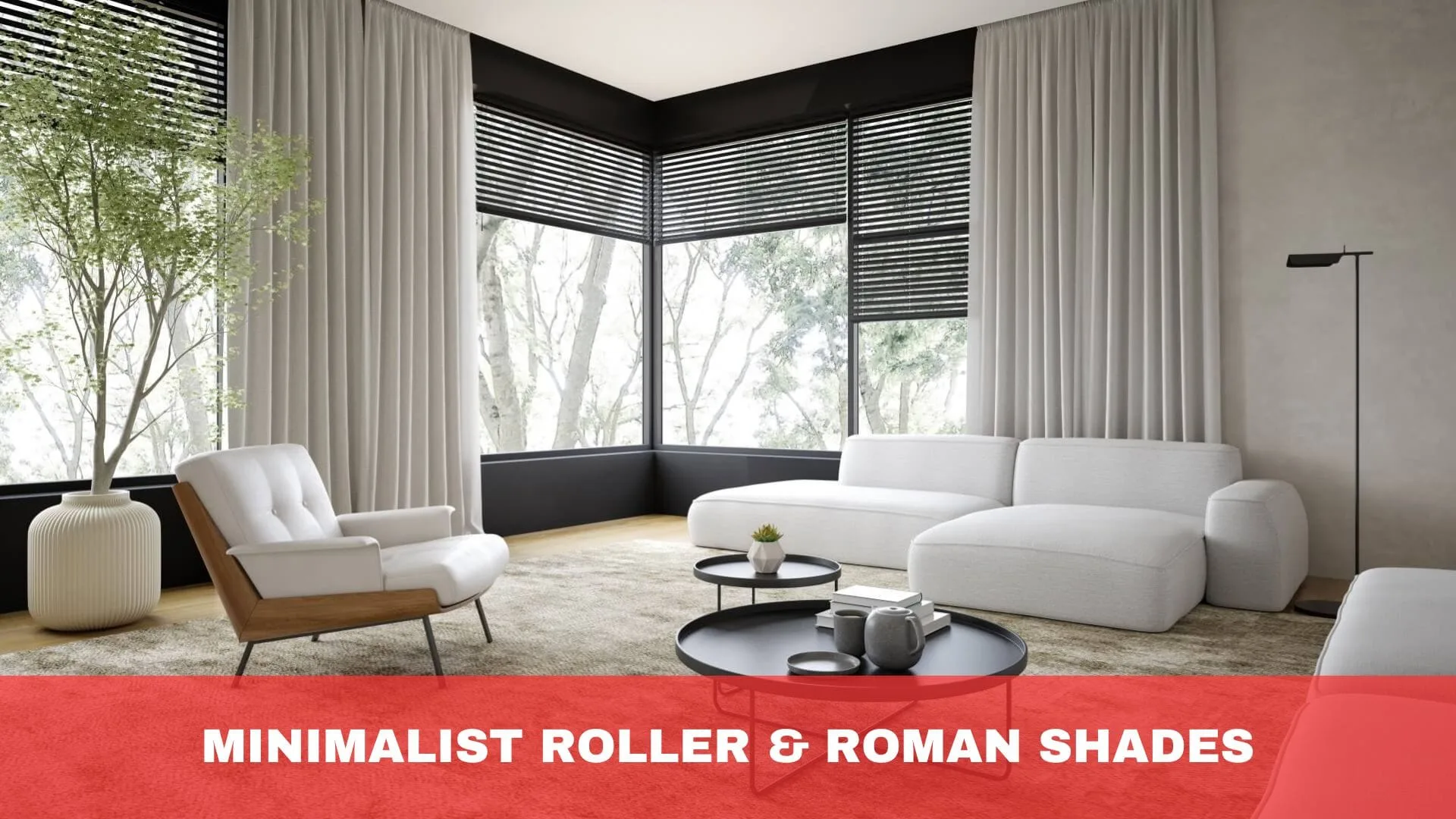
For modern builds and urban lofts, the trend remains focused on Architectural Minimalism. This style utilizes flat-profile roller shades and sheer solar fabrics. The goal is to make the window treatment "disappear" into the window frame when not in use. In 2026, the use of ultra-slim cassettes and square-profile bottom rails ensures that the hardware complements rather than distracts from the home's interior lines.
Color Palettes: The New Neutrals
The 2026 color palette has evolved beyond simple "greige." Current trends show a preference for "Earthbound Pigments"—terracotta, deep olive, muted ochre, and charcoal with navy undertones. These colors are used to create focal points at the window, treating the blind as a piece of functional art rather than a background element.
Critical Functional Requirements for the Modern Home
While style initiates the purchase, function dictates the long-term satisfaction with window treatments. In the current year, three functional pillars dominate the market: thermal efficiency, light management, and acoustic dampening.
Thermal Efficiency and Energy Conservation
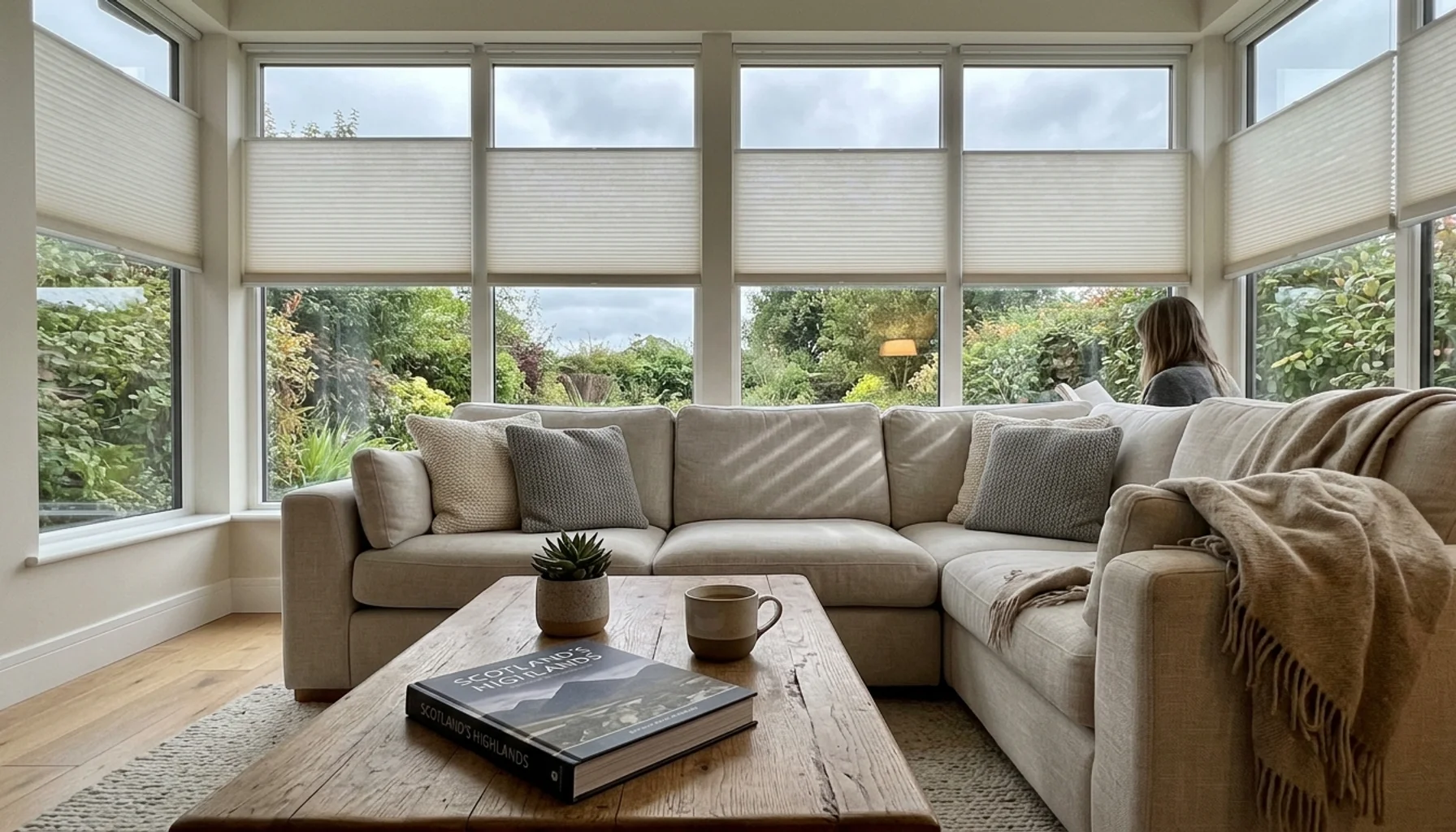
With rising energy costs and a greater focus on domestic carbon footprints, cellular (honeycomb) shades remain the gold standard for insulation. According to data from the U.S. Department of Energy, well-installed window treatments can reduce heat loss by up to 40% and solar heat gain by up to 60%.
The 2026 iterations of these shades feature multi-layered cells with reflective inner coatings. These "triple-cell" designs create a series of air pockets that act as a thermal buffer, significantly reducing the load on HVAC systems during peak summer and winter months.
Privacy and Light Management
The requirement for "Day/Night" functionality has led to the popularity of Dual Shades. These systems combine two different fabrics on a single headrail—typically a sheer solar screen for daytime glare reduction and a blackout roller shade for evening privacy. This "dual-functionality" allows users to calibrate the light levels in a room with precision, which is particularly useful in multi-purpose spaces like home offices that double as guest rooms.
The Technology of Motion: Motorization and Smart Integration
In 2026, motorization is the default choice for premium American blinds. The industry has fully embraced the Matter over Thread protocol, ensuring that blinds from various manufacturers can communicate seamlessly within a single smart home ecosystem (such as Apple Home, Google Home, or Amazon Alexa).
Benefits of Smart Motorization
- Adaptive Scheduling: Blinds can be programmed to close during the hottest part of the day based on local weather data, even when the homeowner is away.
- Voice and App Control: Integration with AI assistants allows for hands-free operation, which is an essential accessibility feature for elderly residents or those with limited mobility.
- Sensor-Driven Adjustments: Built-in light sensors can trigger the blinds to lower when direct sunlight hits a certain intensity, protecting expensive flooring and furniture from UV degradation.
- Battery Longevity: Advances in solid-state battery technology mean that modern motorized shades only require charging once every 12 to 18 months, or they can be paired with discreet solar charging strips.
Material Science: Choosing the Right Substrate
The durability and performance of a blind are entirely dependent on its material composition. In 2026, there is a clear distinction between natural substrates and engineered high-performance materials.
Faux Wood vs. Real Wood
Faux wood blinds, typically made from high-grade PVC or a wood-polymer composite, are the preferred choice for high-moisture environments such as bathrooms and kitchens. They are engineered to resist warping, cracking, and yellowing. In contrast, Real Wood blinds are prized for their lightweight nature and authentic grain patterns, making them ideal for large windows where weight can put a strain on the lift mechanism.
Sustainable and Recycled Fabrics
Sustainability is no longer a niche market. Leading American manufacturers now offer fabric lines made from 100% recycled PET (ocean-bound plastics). These fabrics are indistinguishable from virgin polyester in terms of texture and durability but carry a significantly lower environmental impact. Additionally, antimicrobial coatings have become standard on kitchen and bathroom shades to prevent mold and mildew growth.
Comprehensive Comparison of Blind and Shade Types
| Treatment Type | Insulation Rating | Light Control | Best Application | 2026 Trend Status |
|---|---|---|---|---|
| Cellular Shades | Exceptional | High (Blackout) | Bedrooms / Nursery | Essential for Energy Efficiency |
| Woven Woods | Moderate | Variable (Requires Liner) | Living Rooms | Top Style Choice (Organic) |
| Faux Wood Blinds | Low to Moderate | Excellent (Tilting) | Kitchens / Bathrooms | Standard Utility |
| Solar Shades | Low | High (Glare Reduction) | Home Offices / Sunrooms | Minimalist Architectural |
| Roman Shades | Moderate | High (Fabric-based) | Dining / Master Suite | Timeless / Luxury |
| Vertical Blinds | Low | Moderate | Sliding Doors / Large Glass | Re-emerging (Fabric Vanes) |
Practical Implementation: Measurement and Installation
Even the most expensive custom blind will fail to perform if it is measured or installed incorrectly. In 2026, "measure-and-install" services have become more integrated into the online purchasing process, but many homeowners still opt for the DIY route.
Precision Measurement
For an Inside Mount (where the blind sits within the window casing), precision is vital. Homeowners must measure the width at the top, middle, and bottom, using the smallest dimension to ensure the blind does not rub against the jambs. For Outside Mounts, the goal is often to hide the window trim or make the window appear larger; in these cases, adding 2 to 4 inches of overlap on each side is the 2026 standard for maximizing light blockage.
Professional vs. DIY Installation
While tension-based systems and "no-drill" blinds have gained popularity for renters, permanent installations require secure anchoring into studs or the use of heavy-duty toggle bolts. In 2026, motorized shades often require a "pairing" step during installation, where the blind’s motor is synced with the home’s Wi-Fi bridge or Matter hub.
Maintenance and Longevity
To preserve the appearance and functionality of American blinds, a consistent maintenance schedule is required.
- Dusting: Use a microfiber cloth or a vacuum with a soft brush attachment once a month. This is particularly important for cellular shades, as dust trapped in the "cells" can be difficult to remove if it becomes damp.
- Spot Cleaning: For fabric shades, use a mixture of warm water and mild detergent. Always test a small, inconspicuous area first to ensure the fabric color does not bleed.
- Lubrication: For horizontal blinds, a silicone-based spray can be used on the tilt mechanism if it begins to stick. Avoid oil-based lubricants, which attract dust.
- Battery Management: For motorized units, ensure they are charged before the battery reaches 0% to prolong the lifespan of the lithium-ion cells.
Frequently Asked Questions
Are cordless blinds safer than corded ones?
Yes, cordless blinds are significantly safer, particularly for households with children and pets. Traditional cords pose a strangulation risk, which led the Window Covering Manufacturers Association (WCMA) and ANSI to implement strict safety standards. By 2026, corded options are almost entirely phased out of the residential market in favor of wand-tilt, motorization, or cordless lift-and-lock systems.
Can I integrate my blinds with my existing smart home system?
Most modern blinds purchased in 2026 are compatible with major smart home platforms. If you choose a motorized option, ensure it supports the Matter protocol. This allows the blinds to work across Apple, Google, and Amazon ecosystems without needing multiple proprietary hubs.
How do I choose between light-filtering and blackout fabrics?
This depends entirely on the room's function. Light-filtering fabrics are ideal for living areas where you want natural light but need privacy. They diffuse harsh sunlight into a soft glow. Blackout fabrics are essential for bedrooms, nurseries, and media rooms, as they block nearly 100% of incoming light. For the best of both worlds, consider a "Dual Shade" system.
Is faux wood or real wood better for durability?
Faux wood is superior for durability in humid or high-traffic areas because it is moisture-resistant and easier to clean. Real wood is better for very large windows where weight is a concern, as it is lighter than the composite materials used in faux wood. Real wood also offers a premium aesthetic that cannot be perfectly replicated by synthetics.
How long should custom blinds last?
With proper care, high-quality custom blinds should last between 10 and 15 years. Motorized components typically carry a shorter warranty (often 5 years) but are designed to be easily replaced or upgraded without discarding the entire window treatment.
Final Recommendations
When investing in window treatments in 2026, prioritize motorization for convenience and cellular structures for energy savings. If your budget allows, opting for high-quality natural textures like woven woods will ensure your home remains on-trend for years to come. Always verify that your chosen product meets the latest safety standards and offers the technical compatibility required for your specific smart home setup. For those in extreme climates, the ROI on high-insulation cellular shades often manifests in lower utility bills within the first three years of installation.