Allstate’s life insurance and annuity products are primarily managed and serviced by Everlake Life Insurance Company following a strategic divestiture by Allstate. While Allstate agents continue to offer life insurance through third-party providers, legacy Allstate-branded policies and annuities are now under the stewardship of Everlake or Wilton Re, depending on the specific jurisdiction and policy type.
Understanding the landscape of Allstate life insurance and annuities in 2026 requires a clear distinction between the brand name and the actual underwriting companies. For decades, Allstate was a primary underwriter of these financial products. However, in a major shift to focus on property and casualty insurance (auto and home), Allstate sold its life insurance and annuity business units. If you are looking for an explanation of how these products work, whether you are a legacy policyholder or a new shopper, this guide details the current operational structure, product mechanics, and management procedures.
The Evolution of Allstate Life and Annuities
To understand your policy today, you must first understand the corporate transition that concluded a few years ago. In 2021, Allstate closed the sale of Allstate Life Insurance Company (ALIC) and certain subsidiaries to entities managed by Blackstone. This resulted in the creation of Everlake Life Insurance Company.
For most policyholders across the United States, the "Allstate" name on their original documents now points to Everlake for administration. In New York, the business was sold to Wilton Re. While the Allstate Corporation remains a powerhouse in the insurance industry, its direct role in life insurance and annuities has shifted from being the manufacturer (underwriter) to being a distributor of third-party products.
Why the Change Matters
This transition is significant for policyholders because it affects where you send premiums, how you file claims, and who manages your investment sub-accounts in the case of variable products. Everlake has maintained the contractual obligations of the original Allstate policies, meaning your coverage amounts, premium rates, and guaranteed interest rates remain unchanged by the sale itself.
Explaining Allstate (Everlake) Life Insurance Products
Life insurance is designed to provide financial security to beneficiaries upon the death of the insured. Under the Allstate/Everlake umbrella, there are three primary types of life insurance that readers should understand: Term, Whole, and Universal Life.
Term Life Insurance
Term life insurance is the most straightforward form of coverage. It provides a death benefit for a specific period, typically ranging from 10 to 30 years.
- How it Works: You pay a fixed premium for the duration of the term. If you pass away during this time, your beneficiaries receive the face value of the policy tax-free.
- Key Feature: It is generally the most affordable way to secure a high death benefit.
- Suitability: Ideal for families looking to cover specific debts, such as a mortgage, or to provide income replacement during child-rearing years.
Whole Life Insurance
Whole life is a type of permanent insurance. Unlike term insurance, it does not expire as long as premiums are paid. It also includes a cash value component that grows over time.
- Cash Value Accumulation: A portion of each premium is funneled into a savings-like account that grows at a guaranteed rate.
- Policy Loans: Policyholders can often borrow against the cash value of a whole life policy to fund major purchases or supplement retirement income.
- Fixed Premiums: The cost of the policy is locked in at the time of purchase and does not increase as you age.
Universal Life Insurance
Universal life (UL) offers more flexibility than whole life. It is also a permanent policy with a cash value component, but it allows policyholders to adjust their premiums and death benefits.
- Flexible Premiums: Within certain limits, you can increase or decrease your payments based on your current financial situation.
- Interest Sensitivity: The cash value grows based on current market interest rates, though most policies have a "floor" or minimum guaranteed rate.
- Variable Universal Life: Some legacy Allstate policies fall into the "Variable" category, where the cash value is invested in sub-accounts similar to mutual funds, offering higher growth potential but also higher risk.
Explaining Allstate (Everlake) Annuity Products
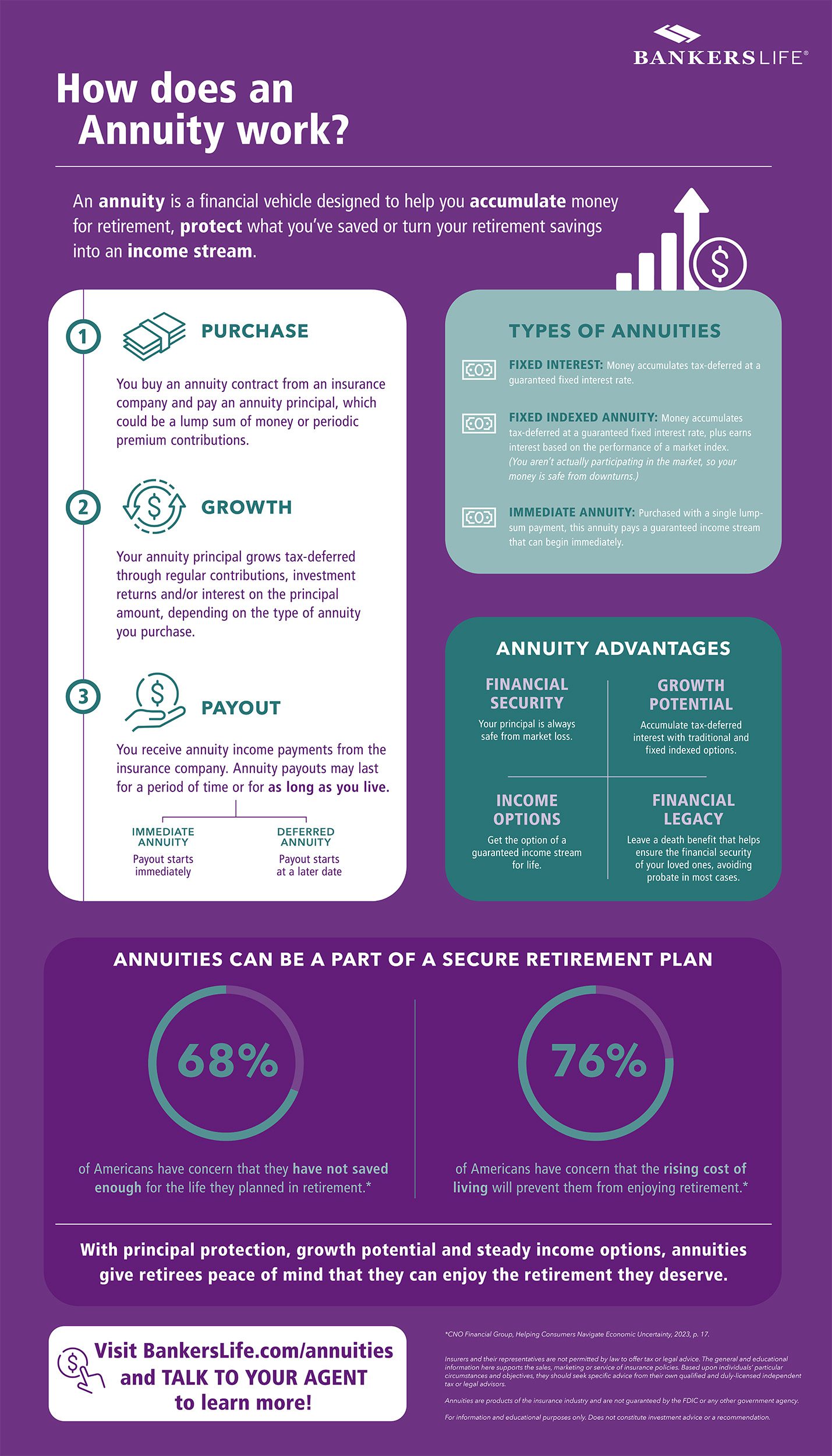
An annuity is a financial contract between an individual and an insurance company, designed to mitigate the risk of outliving one's assets. While life insurance pays out upon death, an annuity is primarily designed to pay out during life, specifically during retirement.
Fixed Annuities
A fixed annuity is the most conservative option. The insurance company guarantees a specific interest rate on your investment for a set period.
- Security: Your principal is protected from market volatility.
- Predictability: You know exactly how much your account will grow, making it easier to plan for future income needs.
- Tax Deferral: Like all annuities, interest grows tax-deferred until you begin taking withdrawals.
Variable Annuities
Variable annuities allow the contract holder to choose from a variety of investment options. The value of the annuity fluctuates based on the performance of the underlying stocks, bonds, or money market accounts.
- Growth Potential: These offer the highest potential for long-term accumulation.
- Market Risk: If the underlying investments perform poorly, the account value can decrease.
- Riders: Many variable annuities included "guaranteed minimum death benefits" or "living benefits," which provide a baseline of security regardless of market performance.
Fixed Indexed Annuities
Fixed indexed annuities (FIAs) are a hybrid product. They provide a guaranteed minimum interest rate but also offer the potential for additional interest based on the performance of a market index, such as the S&P 500.
- The "Floor": You are protected against market losses; your account value will not decrease if the index drops.
- The "Cap": In exchange for the floor, the insurance company typically limits the maximum amount of gain you can earn in a given year.
| Product Category | Primary Purpose | Risk Level | Payout Structure |
|---|---|---|---|
| Term Life | Temporary Protection | Low | Lump Sum (at death) |
| Whole Life | Permanent Protection/Savings | Low | Lump Sum + Cash Value |
| Fixed Annuity | Guaranteed Retirement Income | Low | Periodic Payments |
| Variable Annuity | Investment Growth/Income | High | Periodic Payments (Market-linked) |
| Indexed Annuity | Capped Growth/Protection | Moderate | Periodic Payments |
Managing Your Policy in 2026
If you hold an older policy that says "Allstate Life Insurance Company" or "Allstate Assurance Company," your primary point of contact is now Everlake Life Insurance Company.
Accessing Your Account
To manage your policy, you should visit the Everlake Life Insurance Company website. There, you can:
- Update Beneficiaries: This is one of the most critical maintenance tasks for any life insurance policy.
- Change Addresses: Ensure that premium notices and annual statements reach you.
- View Cash Value: For permanent life and annuity products, you can track the growth of your account.
- Download Tax Forms: Crucial for annuities in the distribution phase.
The Role of Allstate Agents
Even though Allstate no longer underwrites these policies, your local Allstate agent may still be able to provide basic information or help you navigate the transition. However, for specific policy changes or claims, they will likely direct you to Everlake's customer service department.
If you are looking to buy new life insurance through Allstate in 2026, the agent will likely present you with options from partner companies like Protective Life or Direct General. Allstate acts as the broker in these instances, using their vast agency network to connect customers with third-party carriers.
Costs, Fees, and Tax Considerations
Understanding the costs associated with these products is essential for evaluating their long-term value.
Life Insurance Costs
- Premiums: The primary cost, determined by age, health, lifestyle, and coverage amount.
- Mortality and Expense (M&E) Risks: In universal or variable policies, these fees cover the insurance company's risk of paying out death benefits.
- Surrender Charges: If you cancel a permanent policy early, you may face significant fees that reduce your cash value.
Annuity Costs
- Administrative Fees: Costs associated with managing the contract.
- Sub-account Fees: For variable annuities, these are the management fees for the underlying investments.
- Surrender Period: Most annuities have a surrender period (often 5–10 years). Withdrawing more than a specific percentage (usually 10%) during this time results in a steep penalty.
Tax Implications
Life insurance death benefits are generally received income tax-free by beneficiaries. However, the cash value in a permanent policy or an annuity grows on a tax-deferred basis. When you withdraw money from an annuity, the earnings portion is taxed as ordinary income. If you withdraw before age 59½, you may also face a 10% IRS penalty.
Pros and Cons of Allstate/Everlake Products
Pros
- Stability of Assets: Everlake is backed by the massive financial resources of Blackstone, providing a high level of confidence in the company's ability to meet long-term obligations.
- Diverse Options: The legacy portfolio includes a wide range of product types, from simple term life to complex variable annuities.
- Legacy Service: Despite the transition, the administrative systems for these policies have remained relatively stable, with clear pathways for claims and account management.
Cons
- Brand Confusion: The shift from Allstate to Everlake can be confusing for long-term policyholders who are used to the "Good Hands" branding.
- Limited New Product Innovation: Since Everlake is primarily managing a "closed block" of business (legacy Allstate policies), they may not offer the same level of new product innovation as companies actively seeking new market share.
- Surrender Charges: Many legacy annuities and universal life policies still carry high surrender charges that make switching to a different company expensive.
Common Mistakes to Avoid
- Lapsing Coverage Due to Address Changes: Many policyholders forget to update their contact information during corporate transitions. If a premium notice is missed, a policy can lapse, resulting in a loss of coverage and potential tax consequences for annuities.
- Neglecting the Beneficiary Review: Life events such as marriage, divorce, or the birth of a child should trigger a review of your policy beneficiaries.
- Underestimating the Surrender Period: Before attempting to move an Allstate annuity to a different provider, verify the remaining surrender period. You can check this by requesting a "Surrender Value Statement" from Everlake.
- Ignoring the 1035 Exchange: If you decide to move your annuity or life insurance to another company, use a Section 1035 Exchange. This allows you to transfer funds without triggering an immediate tax liability.
FAQs
Is Allstate still in the life insurance business?
Allstate still sells life insurance, but it no longer underwrites the majority of its own policies. Instead, Allstate agents act as intermediaries for third-party insurance companies. The original Allstate Life Insurance Company was sold and renamed Everlake Life Insurance Company.
What happened to my Allstate annuity?
Your Allstate annuity was likely transferred to Everlake Life Insurance Company (or Wilton Re in New York). Your contract terms, interest rates, and guarantees remain exactly as they were when you first signed the agreement.
How do I file a claim on an Allstate life insurance policy?
To file a claim, you should determine the current servicer of the policy. For most legacy Allstate policies, you will contact Everlake Life Insurance Company. You will need the policy number, a certified copy of the death certificate, and a completed claim form.
Are Everlake (formerly Allstate) annuities safe?
Yes, Everlake is a highly regulated insurance entity. Insurance companies are required by state law to maintain significant reserves to pay out claims. Furthermore, Everlake maintains strong financial strength ratings from agencies like A.M. Best and S&P Global, reflecting its ability to meet financial obligations.
Can I withdraw money from my Allstate annuity?
Yes, but the terms depend on your specific contract. Most annuities allow for a "free withdrawal amount" (typically 10% of the value per year). Amounts exceeding this may be subject to surrender charges if the contract is still within its surrender period.
Practical Recommendation
If you currently hold an Allstate life insurance policy or annuity, your first step should be to verify your servicer. Visit the Everlake Life Insurance Company portal to register your account online. This will provide you with a clear view of your policy's current value, death benefit, and beneficiary designations.
If you are considering purchasing a new policy through an Allstate agent, ask for a detailed breakdown of the third-party underwriter’s financial ratings and historical performance. Since the agent is now acting as a broker, it is your responsibility to vet the actual company that will be holding your risk. For those with legacy annuities, consult with a tax professional before making any withdrawals to ensure you understand the implications of the "Last-In, First-Out" (LIFO) tax treatment of annuity gains.