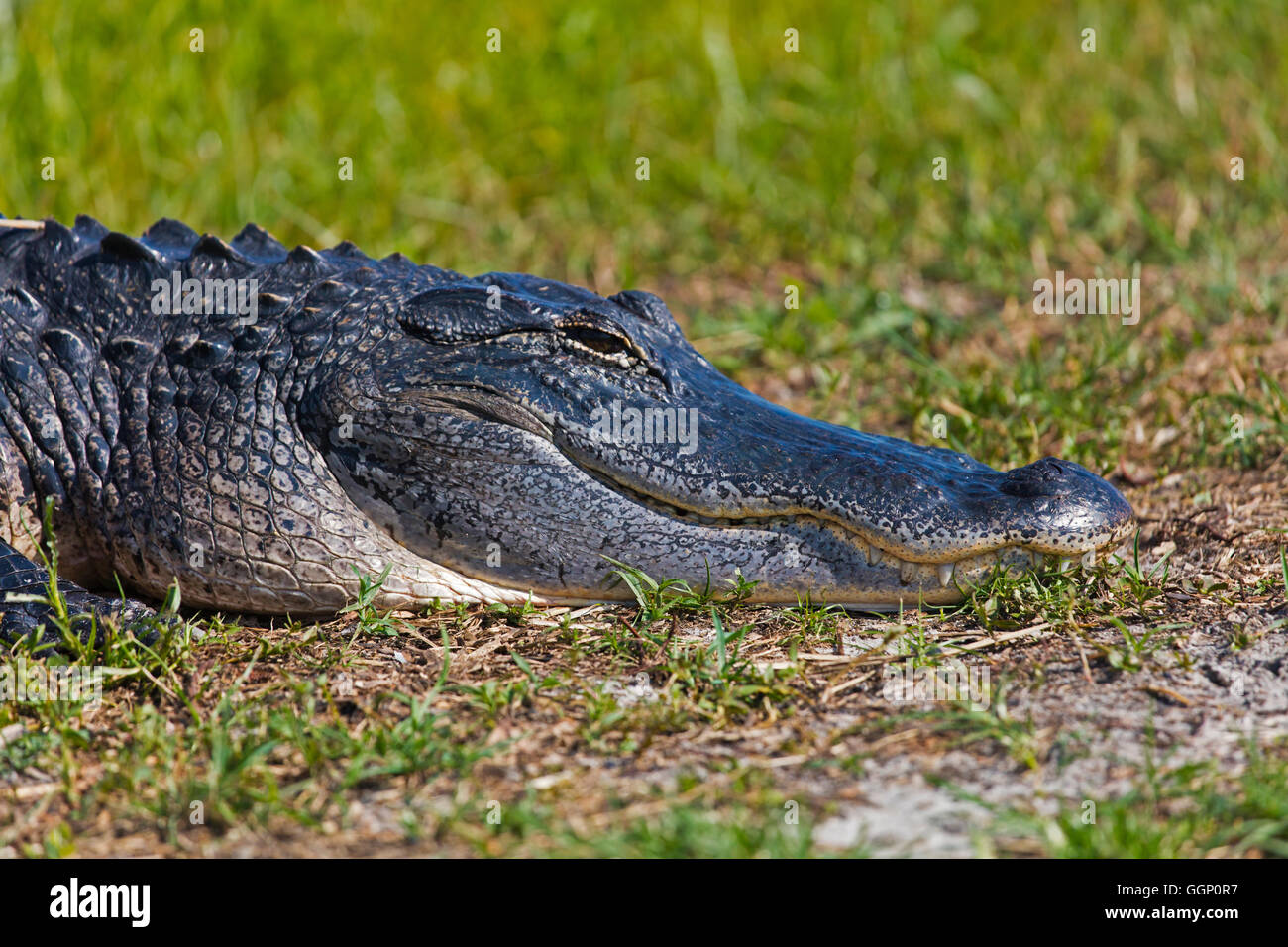
Alligators in Gainesville, Florida, are common in natural areas such as Paynes Prairie, Sweetwater Wetlands Park, and Lake Alice. As of 2026, these apex predators remain a vital part of the local ecosystem. Residents and visitors frequently encounter them while hiking, birding, or visiting the University of Florida campus.
Why Alligators Thrive in Gainesville’s Natural Areas
Gainesville sits in the heart of Alachua County, a region characterized by its unique karst topography and an abundance of freshwater systems. The prevalence of alligators in this area is not a coincidence but a result of a highly favorable environment that provides everything an American alligator (Alligator mississippiensis) needs: food, shelter, and breeding grounds.
The city is surrounded by a patchwork of "wet prairies," sinkholes, and slow-moving creeks. These habitats are rich in prey species, including various fish, turtles, wading birds, and small mammals. Because Gainesville has prioritized the preservation of "Green Infrastructure," large tracts of land like Paynes Prairie Preserve State Park act as massive reservoirs for wildlife. In 2026, these areas continue to serve as essential corridors for alligator movement, allowing the population to remain stable despite regional urban development.
Furthermore, the subtropical climate of North Central Florida is ideal for ectothermic (cold-blooded) reptiles. While Gainesville experiences occasional freezes in winter, the numerous deep-water sinkholes and spring-fed systems provide thermal refugia where alligators can regulate their body temperatures. The expansion of man-made wetlands, such as the Sweetwater Wetlands Park, has further increased the available habitat, effectively concentrating alligator populations in areas easily accessible to the public.
Top Locations for Alligator Sightings in Alachua County
For those looking to observe alligators in their natural habitat, Gainesville offers some of the most reliable viewing opportunities in the southeastern United States. In 2026, several key locations stand out for their high density of large alligators.
Paynes Prairie Preserve State Park
Often referred to as the "Great Alachua Savannah," Paynes Prairie is perhaps the most iconic location for alligator spotting. The La Chua Trail, located at the north entrance of the park, is world-renowned for its "Gator Hole." During dry periods, as water levels recede, hundreds of alligators congregate in the remaining deep-water channels along the trail.
Visitors walking the elevated boardwalk or the grassy dike can often see dozens of alligators sunning themselves simultaneously. It is not uncommon to see specimens exceeding 10 or 12 feet in length here. The park management monitors these populations closely to ensure that the proximity between hikers and reptiles remains safe, occasionally closing sections of the trail during the spring mating season when alligators are more mobile and territorial.
Sweetwater Wetlands Park
Designed as a water reclamation project, Sweetwater Wetlands Park has evolved into a premier wildlife sanctuary. The park consists of several cells of shallow wetlands that filter nutrients before water enters the Floridan Aquifer. These nutrient-rich waters support a massive biomass of fish and birds, which in turn supports a significant alligator population.
The park features miles of accessible gravel trails and boardwalks. Because the alligators here are accustomed to human presence on the dikes, they often bask very close to the trails. As of 2026, Sweetwater remains a favorite for photographers due to the clear sightlines and the dramatic backdrop of wading birds like Roseate Spoonbills and Wood Storks often seen near the alligators.
Lake Alice and the University of Florida Campus
Lake Alice is a unique urban wildlife sanctuary located in the heart of the University of Florida campus. It serves as a reminder that Gainesville’s natural areas often overlap with its urban core. The lake is home to a permanent population of alligators that are famously tolerated by the student body.
The "Bat House" area across from Lake Alice is a popular evening destination where visitors can watch thousands of bats emerge at sunset while alligators cruise the shoreline of the lake. While these alligators are generally smaller than those found in the deep prairie, they provide an excellent example of how wildlife can persist in a high-density academic environment.
Seasonal Behavior and Life Cycles
Understanding the behavior of alligators in Gainesville requires an awareness of their seasonal cycles. In 2026, as climate patterns continue to show slightly warmer spring temperatures, the timing of these behaviors may fluctuate, but the general pattern remains consistent.
- Brumation (Winter): During the cooler months (late November through February), alligators enter a state of reduced metabolic activity called brumation. They are less active and rarely eat, but on sunny days, they will emerge to bask and raise their body temperature. This is often the best time for viewing, as they are lethargic and stationary.
- Courtship and Mating (Spring): From April through June, alligator activity increases significantly. This is the "bellowing season," where males produce deep, low-frequency sounds to attract mates and defend territory. During this time, alligators are more likely to wander into residential areas or cross roads as they search for partners.
- Nesting (Summer): Female alligators build nests of vegetation and mud in late June or July. They are extremely protective of these mounds. If you encounter a mound of decaying plants near the water’s edge, it is critical to stay away, as a mother alligator is likely nearby and will defend the site vigorously.
- Hatching (Late Summer/Early Fall): In August and September, 6-to-8-inch hatchlings emerge. While they are adorable, they are often guarded by the mother for up to two years. Never attempt to handle a baby alligator; their distress calls will immediately bring the mother to the scene.
Safety Guidelines and Coexistence Strategies
While alligators are generally wary of humans, their presence in common natural areas necessitates a specific set of safety protocols. The Florida Fish and Wildlife Conservation Commission (FWC) emphasizes that "coexistence is a shared responsibility."
The 60-Foot Rule
The most important rule for alligator safety is maintaining distance. Experts recommend staying at least 60 feet (18 meters) away from any alligator. Alligators are surprisingly fast over short distances on land and can launch themselves out of the water with incredible force. If an alligator hisses or opens its mouth toward you, you are too close.
Feeding Prohibitions
It is strictly illegal under Florida law (Statute 372.667) to feed wild alligators. Feeding causes these animals to lose their natural fear of humans and associate people with food. A "habituated" alligator becomes a "nuisance" alligator, which often results in the animal being removed and euthanized by the FWC. In 2026, local authorities in Gainesville continue to strictly enforce these regulations to protect both the public and the alligator population.
Pet and Child Safety
Pets are particularly vulnerable to alligators because they resemble natural prey. When walking in natural areas like Paynes Prairie or Sweetwater, pets must be kept on a short leash and at a significant distance from the water’s edge. Alligators are ambush predators and can strike from the shallows with very little warning. Similarly, small children should never be allowed to play near the shoreline of any lake or pond in Gainesville.
Swimming Precautions
Swimming in Gainesville should only be done in designated areas, such as chlorinated pools or specific spring-fed runs (like Ginnie Springs or Blue Springs nearby) where alligator presence is monitored and less likely. Swimming in Lake Alice, Biven’s Arm, or Newnan’s Lake is highly discouraged and often prohibited due to the high density of large reptiles.
Managing Nuisance Alligators: The SNAP Program
When an alligator poses a legitimate threat to people, pets, or property, the FWC manages the situation through the Statewide Nuisance Alligator Program (SNAP). An alligator is generally deemed a nuisance if it is at least four feet in length and is believed to pose a threat.
In Gainesville, the SNAP program works with contracted trappers who remove specific animals. It is important to note that removed alligators are rarely relocated. Relocation is often unsuccessful because alligators have strong homing instincts and will try to return to their capture site, often crossing dangerous roads to do so. Furthermore, introducing a new alligator into an established territory often leads to fatal fights between animals. Therefore, removal usually means the animal is harvested for its meat and hide. This reality underscores the importance of not feeding alligators—keeping them "wild" is their best chance for survival.
Comparison of Key Alligator Viewing Areas in Gainesville (2026)
| Location | Sighting Probability | Accessibility | Best Time to Visit | Terrain Type |
|---|---|---|---|---|
| Paynes Prairie (La Chua) | Extremely High | Moderate (Gravel/Dirt) | Morning (Winter/Spring) | Wet Prairie / Dike |
| Sweetwater Wetlands | Very High | Excellent (Paved/Gravel) | Early Morning / Late Afternoon | Managed Marsh |
| Lake Alice (UF) | High | Excellent (Paved) | Sunset | Urban Lake |
| Newnan's Lake | Moderate | Easy (Boat Ramp/Pier) | Mid-day | Cypress Swamp / Open Water |
| Biven's Arm Nature Park | Moderate | Good (Boardwalks) | Morning | Marshy Lake Edge |
Ecological Importance of Alligators
Alligators are often referred to as "ecosystem engineers." In the natural areas of Gainesville, they play a crucial role in maintaining biodiversity. During droughts, alligators use their tails and snouts to dig out "alligator holes" in the limestone and muck. These holes retain water when the rest of the prairie or marsh dries up, providing a life-saving sanctuary for fish, amphibians, and invertebrates.
By preying on species like raccoons and opossums, alligators also indirectly protect the nests of ground-nesting birds. Furthermore, their movement through the marsh helps maintain open water channels, preventing the wetlands from becoming completely overgrown with invasive vegetation. In 2026, as North Central Florida faces ongoing challenges with invasive species like the Cuban Tree Frog and various exotic plants, the role of the native alligator as a stabilizing force in the food web is more important than ever.
Alligators and Gainesville Culture
In Gainesville, the alligator is more than just a neighbor; it is a cultural icon. As the home of the University of Florida, the "Gator" is synonymous with the city's identity. This cultural connection has fostered a unique level of tolerance and appreciation for the animal among the human population.
Educational programs at the Florida Museum of Natural History, located on the UF campus, frequently highlight alligator biology and conservation. These programs help bridge the gap between fear and understanding, ensuring that as Gainesville grows, its human residents remain equipped to share the landscape with its most famous reptilian residents.
Frequently Asked Questions
Are alligators in Gainesville dangerous to hikers?
While alligators are large predators, they are generally not aggressive toward humans unless provoked, fed, or defending a nest. Most sightings in Gainesville natural areas involve alligators that are either basking or swimming away from people. By following the 60-foot rule and staying on marked trails, hikers face very little risk.
Can I swim in the lakes in Gainesville?
Swimming in most Gainesville lakes, including Lake Alice and Newnan's Lake, is not recommended due to alligator populations. Designated swimming areas in nearby natural springs or public pools are much safer options. Always heed posted "No Swimming" or "Alligator Warning" signs.
What should I do if I see an alligator on a trail?
If an alligator is blocking a trail, do not attempt to move it or walk around it in tight quarters. Give the animal space and wait for it to move on its own. If it does not move, it is better to turn back and choose a different route. Never throw objects at an alligator to make it move.
How big do alligators get in Gainesville?
In the nutrient-rich environments of Paynes Prairie and Sweetwater Wetlands, alligators can grow quite large. Males can reach lengths of 12 to 14 feet, though most observed individuals are in the 6 to 10-foot range. Females are generally smaller, rarely exceeding 10 feet.
Is it legal to take photos of alligators?
Yes, photography is encouraged in Gainesville’s natural areas. However, you must use a telephoto lens to capture close-up shots. Approaching an alligator to take a "selfie" or a close-up with a smartphone is extremely dangerous and often results in the animal being disturbed or provoked.
Practical Recommendation for Visitors
If you are visiting Gainesville in 2026 with the goal of seeing alligators, your first stop should be the La Chua Trail at Paynes Prairie Preserve State Park. For the best experience, arrive at the trailhead right at 8:00 AM during a sunny day in February or March. The cool morning air and bright sun encourage the largest alligators to climb onto the banks to bask, providing unparalleled viewing opportunities from the safety of the boardwalk. Always check the official Florida State Parks website before visiting, as trails may close due to flooding or seasonal alligator activity.