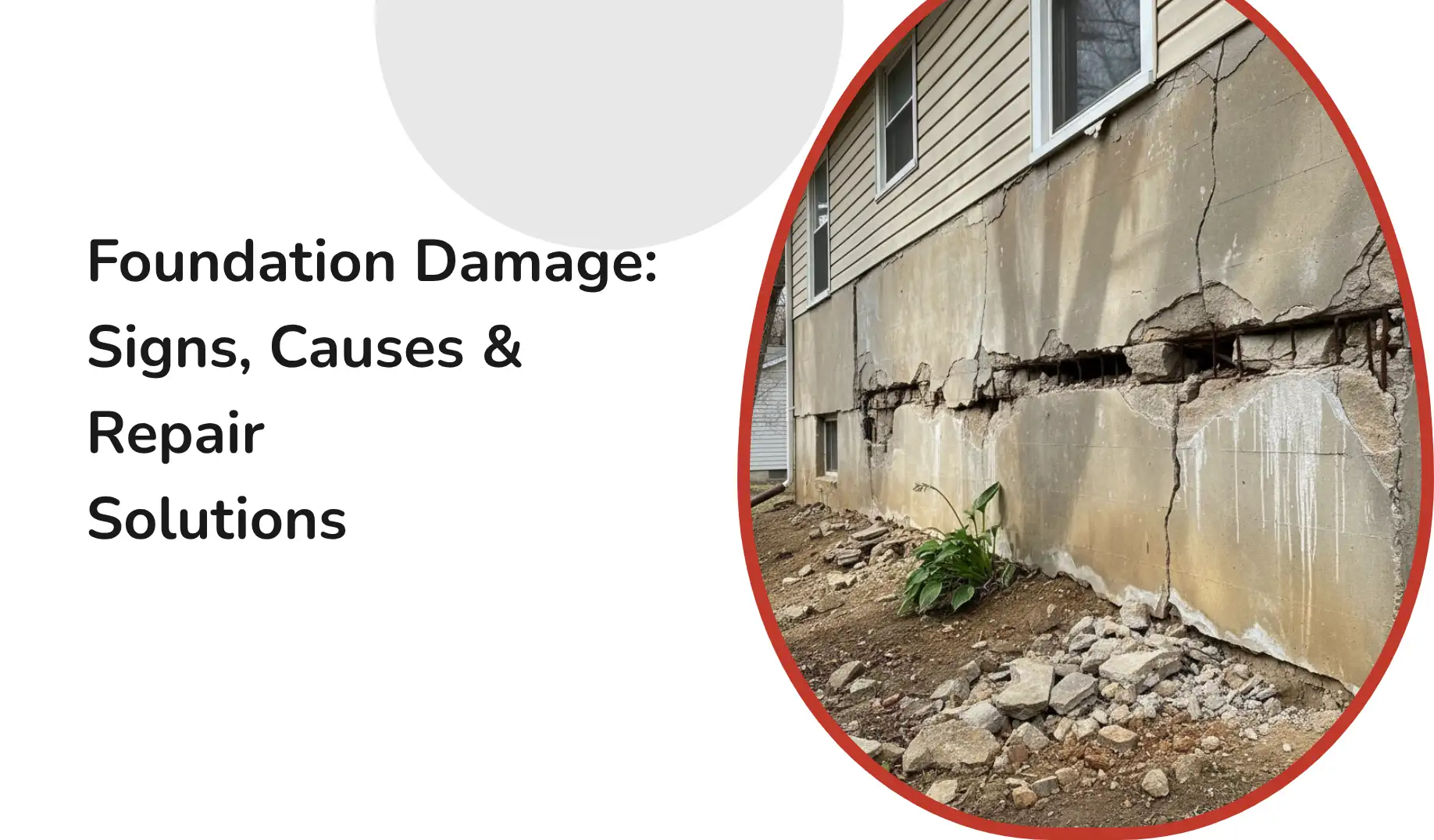
Allied Foundation & Earth Anchors maintains a strong reputation in the Greater Houston area, characterized by high ratings for technical expertise and long-term warranty reliability. Reviews from 2026 consistently highlight their specialized approach to Houston’s expansive clay soils, focusing on slab-on-grade and pier-and-beam restoration with a heavy emphasis on lifetime transferable warranties and structural integrity.
Understanding Allied Foundation & Earth Anchors’ Market Position
To understand the reviews surrounding Allied Foundation Repair, one must first understand the specific geological challenges of the Houston metropolitan area. Houston sits atop a complex layer of "Black Gumbo" clay—highly expansive soil that swells when wet and shrinks when dry. This cycle creates immense pressure on residential foundations, leading to the cracks and shifts that necessitate professional intervention.
Allied Foundation & Earth Anchors has operated in this environment since 1982, positioning itself as a veteran entity in a market often crowded with "fly-by-night" contractors. As of 2026, the company remains a top-tier choice for homeowners in League City, Pearland, Pasadena, and the broader Houston area. Their market position is defined by their longevity and their status as a member of the Foundation Repair Association. This affiliation is a frequent point of praise in professional reviews, as it signals a commitment to standardized engineering practices rather than experimental or non-permitted "quick fixes."
The company specializes in several core areas that form the basis of most customer feedback:
- Residential Slab Repair: Utilizing various piering systems to stabilize concrete slabs.
- Pier and Beam Stabilization: Addressing the unique needs of older homes or homes with crawl spaces.
- Sewer Line Repair: A critical secondary service, as foundation shifts often rupture plumbing.
- Drainage Solutions: Preventing future foundation movement by managing water runoff.
Analyzing Customer Sentiment: What the 2026 Reviews Reveal
When scouring platforms like the Better Business Bureau (BBB), Google Maps, and Angie’s List for "Allied Foundation Repair Houston reviews," several recurring themes emerge. Customer sentiment is generally categorized into three buckets: operational professionalism, technical efficacy, and warranty fulfillment.
Positive Feedback: Professionalism and Cleanliness
A significant majority of positive reviews focus on the conduct of the crews. Unlike many construction projects that leave a property in disarray, Allied is frequently noted for its "clean site" policy. Homeowners emphasize that the excavation process—which involves digging multi-foot holes around the perimeter of the home—is handled with respect for landscaping. In 2026, Allied has integrated more digital tracking, allowing homeowners to receive real-time updates on crew arrivals and progress, a feature that has significantly boosted their modern review scores.
Technical Efficacy: The "Fix it Once" Mentality
Reviewers who have lived with their repairs for 5 to 10 years provide perhaps the most valuable data. These "long-term" reviews often confirm that the piers installed by Allied have held steady through Houston’s extreme weather cycles, including the increasingly frequent drought-to-flood transitions. The technical precision of their hydraulic jacking process—the phase where the house is actually lifted—is often described as methodical and cautious, minimizing the risk of internal drywall cracking during the leveling process.
Critical Feedback: Communication and Scheduling
As with any high-volume service provider, negative reviews do exist. These typically center on communication delays during peak "foundation season" (the dry summer months and the following rainy autumn). Some homeowners have noted that while the technical work is excellent, the administrative side of the business can sometimes experience bottlenecks, particularly regarding the scheduling of final inspections or the processing of warranty transfer paperwork during home sales.
Key Services Evaluated by Houston Homeowners
The specific type of repair performed heavily influences the nature of the review. Allied Foundation does not apply a one-size-fits-all solution, and their reviews reflect this diversity of service.
Slab-on-Grade Repair
Most modern Houston homes are built on concrete slabs. Allied’s use of various piering methods—including pressed concrete and steel piers—is the most reviewed service. Homeowners often comment on the hydrostatic pressure testing that Allied performs. Reviews indicate that Allied’s insistence on testing sewer lines after a lift is a major trust-builder, as lifting a house can occasionally strain old PVC or cast-iron pipes.
Pier and Beam Foundations
Older neighborhoods in the Heights or parts of Pasadena often feature pier and beam foundations. Reviews for these specific projects focus on the replacement of rotted sill plates and the leveling of interior joists. Customers frequently mention that Allied’s specialists are adept at working in tight crawl spaces, a job many smaller contractors refuse or overcharge for.
Drainage and Root Barriers
A unique subset of reviews focuses on preventative measures. Houston’s massive oak trees are often the culprits behind foundation failure, as their roots suck moisture from beneath the slab. Allied’s installation of root barriers and French drains is frequently cited as a "house-saving" measure. Reviews suggest that homeowners appreciate being sold a drainage solution rather than an expensive piering project when the foundation movement is still in its early, manageable stages.
The Allied Foundation Repair Process
A common praise in recent reviews is the transparency of the Allied process. Understanding these steps helps homeowners manage expectations, which is often where reviews turn from negative to positive.
- Initial Consultation and Elevation Mapping: A specialist uses a Zip-Level or similar altimeter to map the home's current elevation. Reviewers note that this data-driven approach is more convincing than a visual inspection alone.
- Permitting and Utilities: Allied handles the City of Houston or local municipal permits. Reviews suggest that while this adds time to the front end, it prevents legal and safety headaches later.
- Excavation and Pier Placement: Crews dig "access holes" (typically 2x2 feet) at strategic points.
- Hydraulic Jacking: This is the most critical phase. Using the weight of the house, piers are driven into the ground until they hit "refusal" (stable soil). The house is then lifted to its original position.
- Verification and Backfill: The elevation is checked again to ensure the house is level. The holes are filled, and concrete is patched.
Costs and Financing Options in 2026
Foundation repair is a significant capital expenditure. In 2026, the average cost for foundation repair in Houston ranges from $5,000 to over $20,000, depending on the number of piers required.
Reviews often mention that Allied is not the "budget" option in town, but rather the "value" option. Their pricing reflects the use of high-quality materials and the inclusion of comprehensive insurance and bonding. Allied frequently offers financing plans through third-party lenders, which many reviewers credit as the only way they were able to afford a sudden, necessary repair.
| Feature | Allied Foundation | Generic "Low-Cost" Competitor |
|---|---|---|
| Average Pier Depth | To Refusal (20–40 ft) | Fixed Depth (8–12 ft) |
| Warranty Type | Lifetime Transferable | Limited 1–5 Year |
| Permit Handling | Included / Managed | Often left to homeowner |
| Plumbing Testing | Standard Post-Lift | Optional or Not Offered |
| BBB Rating (2026) | A+ | Varies (often B or lower) |
Warranty and Long-Term Reliability
The "Lifetime Transferable Warranty" is a cornerstone of Allied Foundation’s business model and a frequent subject of review. In the real estate market of 2026, a foundation warranty is often a prerequisite for closing a sale on a home that has had previous structural work.
What does "Transferable" actually mean? According to customer reports and company documentation, the warranty stays with the house, not the owner. If a homeowner sells their property, the new owner can have the warranty transferred into their name, usually for a small administrative fee and within a specific timeframe (often 30 to 90 days) after closing.
Reviews highlight that Allied is generally responsive when a "warranty call" is made—meaning the house has shifted again and needs a minor adjustment. While no foundation repair is 100% permanent due to the nature of Houston soil, the fact that Allied honors these adjustments years later is a recurring positive point in long-form reviews.
Common Red Flags and How to Avoid Them
While Allied Foundation Repair has a high satisfaction rate, the foundation repair industry at large is fraught with challenges. Reviews suggest that homeowners should be wary of the following, even when working with reputable firms:
- Under-quoting: Be skeptical of any contractor whose quote is significantly lower than Allied’s. This usually indicates they are skipping the "pier to refusal" depth or omitting the necessary hydrostatic plumbing test.
- Pressure Sales: Reviews of Allied rarely mention "high-pressure" tactics. If a consultant tries to force a signature on the first visit, it is a red flag for the industry.
- Lack of Insurance: Allied is fully insured and bonded. Homeowners are encouraged to ask for proof of workers' compensation, as foundation repair is physically dangerous work.
Related FAQs
Does Allied Foundation Repair provide free estimates?
Yes, Allied provides free structural evaluations for homeowners. In 2026, these estimates include a detailed floor plan with elevation readings. However, if an engineer's certified report is required for a real estate transaction or legal matter, there may be a separate professional fee.
How long does the average repair take?
For a standard residential slab, the process usually takes between 2 to 5 days. Factors such as weather (excessive rain) and the number of piers required can extend this timeline. Reviews often note that Allied crews work efficiently, usually arriving early in the morning to maximize daylight hours.
Will foundation repair crack my interior walls?
It is possible. When a house is lifted back to its original position, the sheetrock that was installed or patched while the house was "settled" may experience stress cracks. Reviews suggest that Allied specialists do an excellent job of warning homeowners about this possibility beforehand, so it doesn't come as a surprise.
Does the warranty cover the entire house?
Generally, the warranty covers the specific areas where piers were installed. If the foundation settles in a new area that was not previously piered, that would typically be considered a new repair. It is important to review the specific contract language, as Allied is praised for being very clear about these boundaries.
Is Allied Foundation Repair licensed?
While the State of Texas does not have a specific "Foundation Repair License," Allied is a member of the Foundation Repair Association (FRA) and operates under the municipal licensing requirements of the City of Houston and surrounding jurisdictions.
Final Recommendations for Houston Homeowners
If you are considering Allied Foundation Repair based on the Houston reviews available in 2026, your next step should be a formal evaluation. Because foundation issues are progressive, delaying a repair usually increases the ultimate cost.
Before the specialist arrives, clear the perimeter of your home of any debris or heavy potted plants. During the evaluation, ask for the specific elevation data and inquire about the necessity of a hydrostatic plumbing test. Allied's longevity suggests they are a reliable partner for maintaining the structural integrity of your home, but as with any major contract, always read the fine print regarding warranty transfer fees and the scope of work.