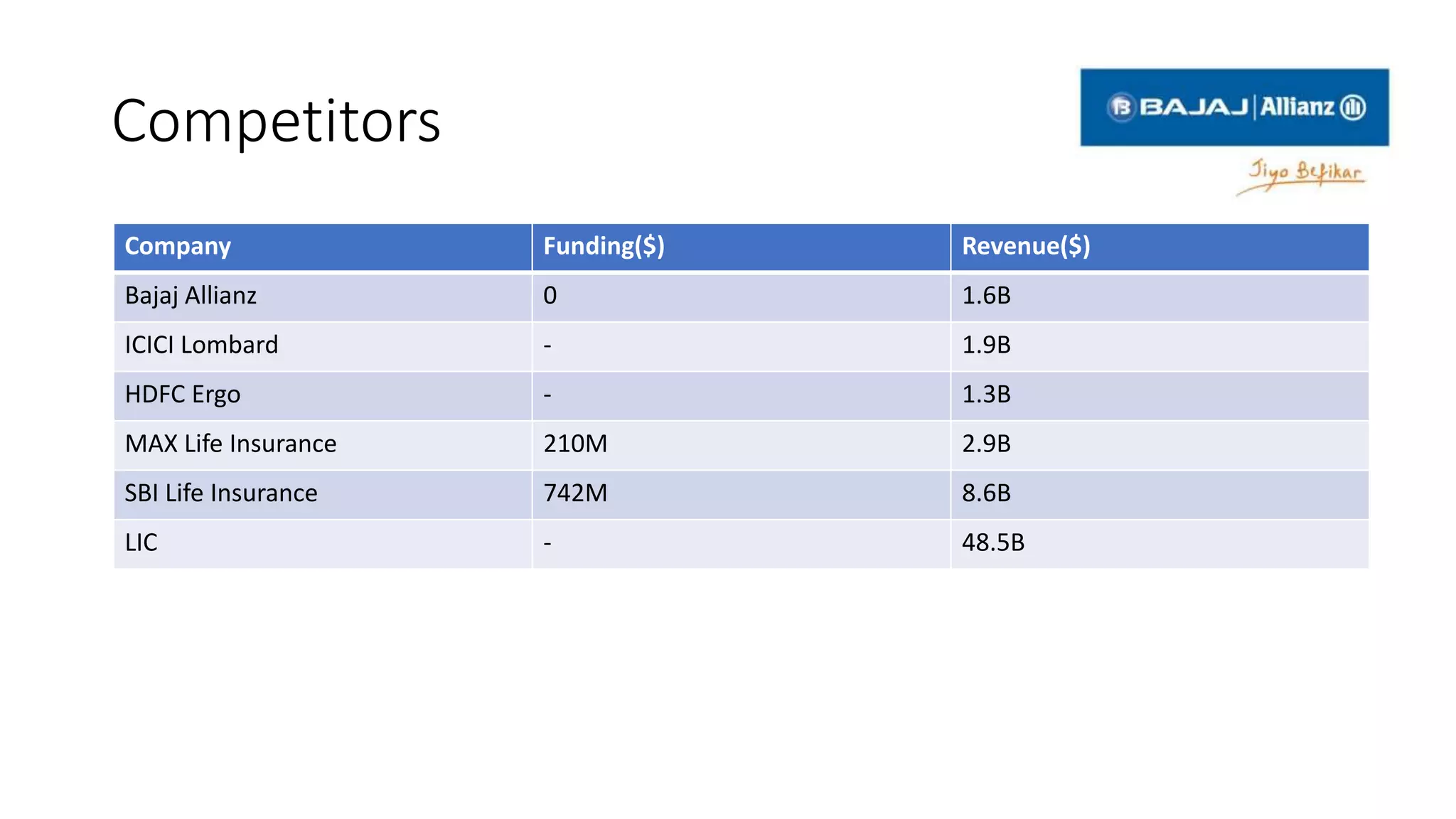
Allianz Bajaj Life Insurance Company Limited, a joint venture between Allianz SE and Bajaj Finserv Limited, consistently publishes performance metrics regarding solvency, claim settlement ratios, and persistency. Data indicates that the company maintains a strong solvency margin above the regulatory requirement, reflecting its ability to meet long-term obligations. Potential policyholders should evaluate these publicly available performance indicators alongside product-specific terms to assess the company’s operational stability and service efficiency.
Understanding the Financial Framework of Life Insurance Data
When analyzing a life insurance provider like Allianz Bajaj Life Insurance Company Limited, the "data" frequently cited in reports serves a specific regulatory and operational purpose. Unlike speculative investments, life insurance performance data is structured to demonstrate fiscal responsibility and the ability to honor future death benefit claims.
In India, the Insurance Regulatory and Development Authority of India (IRDAI) mandates that all life insurance companies disclose audited financial statements and operational performance indicators. For the consumer, this data is not merely academic; it acts as a primary filter for risk assessment. The metrics—such as the Solvency Ratio and the Claim Settlement Ratio—are calculated using standardized industry formulas, ensuring that comparisons between companies are based on uniform criteria.
Decoding the Key Performance Indicators
To understand what the data actually shows, one must first distinguish between the various metrics released by the insurer. Each indicator serves a unique role in painting a picture of the company's health.
1. Solvency Ratio: The Ultimate Safety Net
The solvency ratio is perhaps the most critical indicator of a company’s financial stability. It measures the company's capital relative to the risks it has taken. The IRDAI mandates a minimum solvency ratio of 1.5. When data shows that Allianz Bajaj maintains a ratio significantly above this threshold, it indicates that the company has a substantial buffer of assets to cover potential liabilities, even in scenarios involving extreme financial volatility.
2. Claim Settlement Ratio (CSR)
The Claim Settlement Ratio is the percentage of death claims settled by the insurer against the total claims received during a financial year. It is important to note that a high CSR is a positive indicator, but it does not tell the whole story. Data transparency requires that policyholders also look at the "repudiation" (rejection) and "contested" claims data. A claim may be rejected due to non-disclosure of medical history or fraud, which are operational realities rather than indicators of financial instability.
3. Persistency Ratios
Persistency ratios measure the percentage of policyholders who continue to pay their premiums year over year. A high persistency rate (e.g., 13th-month or 61st-month) indicates customer satisfaction and long-term trust in the product structure. When data shows stable persistency, it suggests that the policyholders perceive value in their insurance coverage and are not exiting their contracts prematurely.
Comparing Operational Metrics: A Structural View
To contextualize the data provided by Allianz Bajaj Life Insurance, consider how these metrics correlate with the broader market. The following table highlights the primary data categories and their significance for a prospective policyholder.
| Metric | Industry Standard | What High Data Indicates |
|---|---|---|
| Solvency Ratio | 1.50 (Mandatory) | Strong capital buffer for long-term claims. |
| Claim Settlement Ratio | 90% - 99% (Range) | Operational efficiency in processing death claims. |
| Persistency Ratio | Varies by duration | Customer trust and satisfaction with product design. |
| Grievance Disposal | 100% (Target) | Effectiveness of internal customer redressal systems. |
Why Data Interpretation Requires Caution
A common mistake among consumers is viewing "data" as a singular predictor of personal experience. For example, a high Claim Settlement Ratio is a company-wide average. It does not guarantee that a specific, complex claim will be processed without additional documentation or investigation.
Furthermore, data points are historical. While they provide a reliable record of past performance, they do not account for future market shifts, changes in underwriting guidelines, or the specific terms and conditions embedded in individual insurance products. Always prioritize the "Policy Document" over the "Company Profile" when assessing your personal eligibility and coverage scope.
Operational Limitations and Regulatory Guidelines
The data released by insurance companies is bound by the Disclosure Requirements set forth by the IRDAI. This means the information is structured for transparency, but it is also highly technical. For instance, the way a company accounts for "surrender values" or "fund management charges" (FMC) in Unit Linked Insurance Plans (ULIPs) can significantly alter the appearance of their financial data.
When reviewing the data, ensure you are looking at the current year's (2026) audited disclosures. Avoid relying on blog posts or third-party aggregators that may be using outdated datasets. Official sources, such as the company’s own "Public Disclosures" section or the IRDAI’s annual report portal, are the only places where the raw, verified data resides.
Navigating the Claims Process Based on Real-World Data
Data regarding "Claim Settlement" is often the most scrutinized by consumers. Based on standard operational practices within the company, the following steps are generally required to ensure a claim falls within the "settled" data category:
- Transparency in Proposal: The most frequent reason for a claim to fall into the "rejected" data bracket is non-disclosure of existing medical conditions during the application process.
- Timely Intimation: Claims data is heavily influenced by how quickly the nominee informs the insurer. The delay in reporting can lead to technical hurdles in verification.
- Documentation Completeness: High-performing insurers utilize digital documentation protocols. Ensuring that the death certificate, medical reports, and policy documents match the insurer's digital registry facilitates faster settlement.
The Role of Product Design in Data Transparency
Data transparency also extends to product design. Allianz Bajaj Life Insurance utilizes various investment-linked and protection-linked products. The "cost-to-customer" data, often reflected in the "Net Yield" on investments, is a critical piece of information for those buying ULIPs. By law, the company must publish the reduction in yield (RIY) on such products. Reviewing this data allows a consumer to understand how much of their premium is actually working for them after deducting the mortality charges and administrative costs.
Common Mistakes When Analyzing Insurance Data
- Focusing on CSR alone: Many consumers ignore the "amount-wise" settlement ratio. It is possible for a company to have a high count-wise settlement ratio but a lower amount-wise ratio if they are settling many small claims but struggling with a few high-value, complex claims.
- Neglecting the Expenses of Management (EOM): The EOM ratio indicates how much the company spends on operations relative to premiums. A very high EOM could suggest inefficient management, while an extremely low EOM might suggest insufficient investment in customer service infrastructure.
- Assuming Past Performance Equals Future Reliability: While financial strength (solvency) is a strong indicator of long-term survival, it does not account for changes in company leadership, product strategy, or ownership structures that could affect service quality.
Frequently Asked Questions
1. Does a 99% Claim Settlement Ratio guarantee my claim will be paid?
No. A high ratio indicates a high frequency of successful claims. Every claim is subject to the specific terms, conditions, and disclosures made at the time of purchase. If a policy was obtained through misrepresentation of health facts, the claim may be legally contested regardless of the company's average ratio.
2. Where can I find the most accurate 2026 data for this company?
The most accurate data is found in the "Public Disclosures" section of the official Allianz Bajaj Life Insurance website. These documents are audited and submitted quarterly or annually to the IRDAI.
3. What is the difference between count-wise and amount-wise settlement?
Count-wise CSR refers to the total number of claims settled, while amount-wise CSR refers to the total monetary value of claims paid. Both are provided in the annual report; check both to ensure the company is financially capable of handling large-sum policies as well as small-sum ones.
4. How does the Solvency Ratio affect me as a policyholder?
It provides peace of mind. A high solvency ratio means the company is well-capitalized to pay out claims in the event of an economic downturn or an unexpected rise in mortality rates, ensuring they have the liquidity to meet their contractual obligations to you.
5. Should I base my buying decision solely on these statistics?
No. While these figures help gauge reliability, your decision should prioritize product suitability—such as the policy term, sum assured, riders available, and the specific exclusions—which are more relevant to your individual life insurance needs than company-wide averages.
Practical Next Actions for Potential Customers
Before committing to a policy with Allianz Bajaj Life Insurance Company Limited, perform the following verification steps:
- Access the Annual Report: Download the latest "Public Disclosures" document from the official website. Specifically, look for the 'Form L-25' or equivalent regulatory filings that detail the company’s financial position.
- Compare Product Yields: If you are considering an investment-linked plan, request the "Sales Illustration." This document, which the company is mandated to provide, shows the projected returns at 4% and 8% interest rates, net of all charges.
- Review Your Medical Disclosure: Ensure that every medical condition, past or present, is explicitly declared in the application form. This is the single most effective way to ensure your claim is protected by the company’s settlement performance.
- Consult a Financial Advisor: If the technical data regarding solvency and surrender values seems complex, engage with an independent financial planner who can interpret these figures in the context of your specific wealth management and protection goals.
By shifting focus from marketing promises to audited, regulatory-backed data, you can make an informed decision that prioritizes the stability and long-term viability of your life insurance contract.