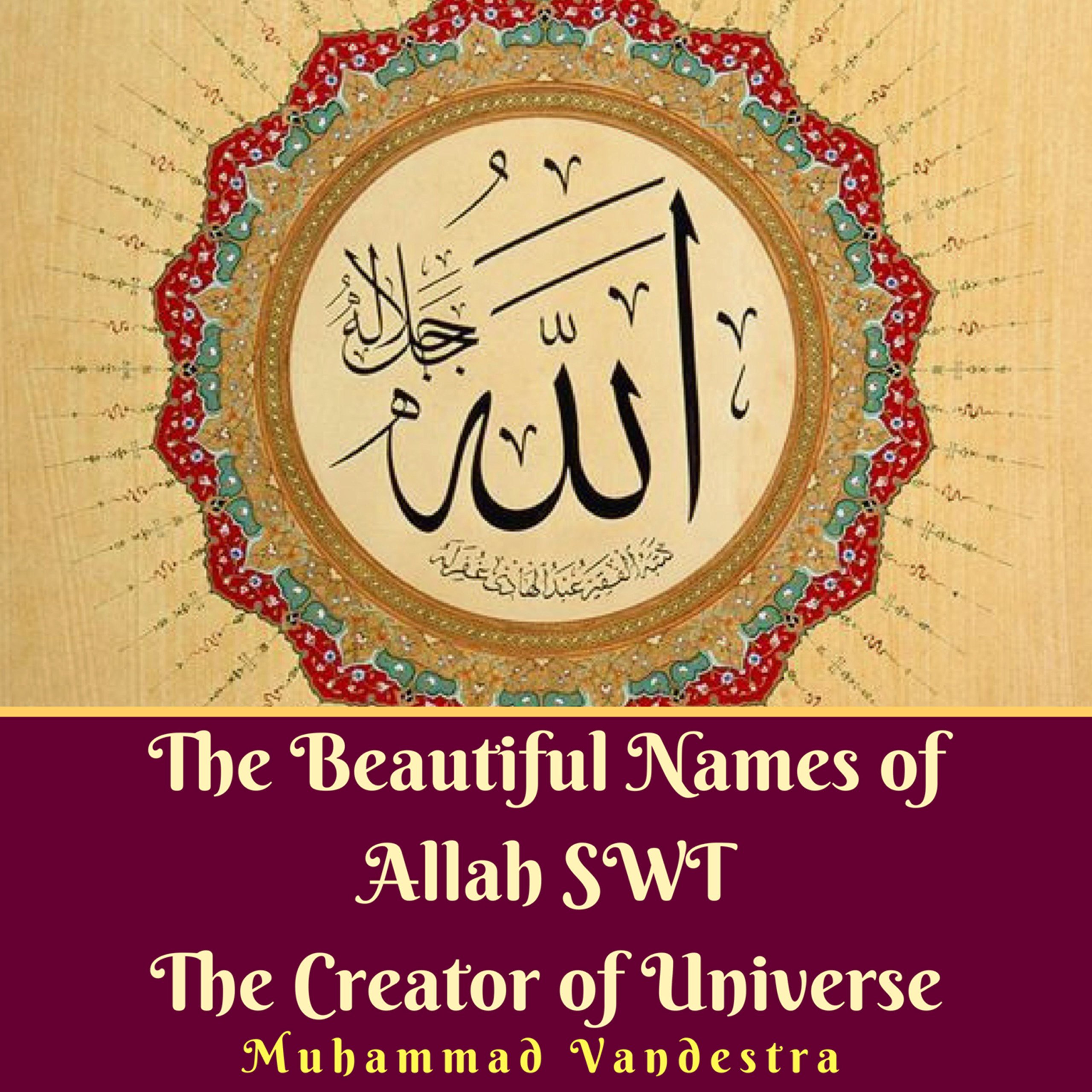
The abbreviation SWT stands for Subhanahu wa Ta'ala, an Arabic phrase used by Muslims to glorify Allah, meaning "Glorified and Exalted is He." This honorific serves as a linguistic manifestation of reverence, reminding believers of God's absolute perfection, transcendence, and supreme majesty whenever His name is mentioned.
The Linguistic Foundations of SWT
To fully understand the abbreviation SWT, one must examine its constituent Arabic roots. The phrase Subhanahu wa Ta'ala is composed of two distinct parts, each carrying profound theological weight within Islamic monotheism (Tawhid).
The first part, Subhanahu, derives from the root s-b-h (س ب ح), which relates to glorification, swimming away from evil, or moving swiftly in obedience. In a theological context, it translates to "Glory be to Him" or "Free is He from any imperfection." It acts as a declaration of tanzih—the absolute transcendence of God above any human attributes, flaws, shortcomings, or physical limitations. When a Muslim says or reads Subhanahu, they are actively dissociating the Creator from any resemblance to His creation.
The second part, wa Ta'ala, stems from the root c-w-l (ع ل و), which denotes height, elevation, and supremacy. Combined, Ta'ala translates to "and Exalted is He" or "the Most High." This affirms that Allah possesses the ultimate loftiness in status, power, attributes, and authority. Nothing can rival or surpass His station.
"Glory be to Him, and high is He above what they associate with Him." — Qur'an (Surah An-Nahl, 16:1)
When fused together as Subhanahu wa Ta'ala, the phrase establishes a dual declaration: God is entirely free of flaws (Subhanahu), and He occupies the highest throne of majesty and power (Ta'ala).
Why Muslims Use Reverential Abbreviations
In Islamic literature, calligraphy, speech, and digital communication, abbreviations like SWT (and others such as SAW for Salallahu Alayhi Wasallam after the Prophet Muhammad) play an essential role in honoring sacred names.
The primary driver behind this practice is the concept of Adab (Islamic etiquette and respectful behavior). In Islamic tradition, the name of God is sacred. Uttering or writing it requires a level of mindfulness and veneration. While writing out Subhanahu wa Ta'ala in full Arabic script (سبحانه وتعالى) is ideal, the evolution of printing, typesetting, and digital communication led to the adoption of English-alphabet acronyms.
These abbreviations maintain the sanctity of the text while ensuring efficiency in modern writing. They serve as continuous reminders to the reader that God's name should never be taken lightly or treated as an ordinary word. Every instance of SWT acts as a micro-prayer, inviting the reader to pause mentally and recognize the divine grandeur.
Comparison of Common Islamic Honorifics
In addition to SWT, Islamic texts frequently utilize other honorific abbreviations following the names of prophets, angels, and righteous figures. Understanding these distinctions prevents confusion for readers engaging with Islamic scholarship or comparative religion.
| Abbreviation | Full Arabic Phrase | English Translation | Primary Target Entity |
|---|---|---|---|
| SWT | Subhanahu wa Ta'ala | Glorified and Exalted is He | Allah (God) |
| SAW / PBUH | Sallallahu Alayhi Wasallam | Peace and blessings be upon him | Prophet Muhammad |
| AS | Alayhi al-Salam | Peace be upon him | Other Prophets and major angels (e.g., Jesus, Moses, Gabriel) |
| RA | Radiyallahu Anhu / Anha | May Allah be pleased with him / her | Companions of the Prophet Muhammad |
Using the correct honorific preserves theological accuracy. Applying SWT to anyone or anything other than Allah is strictly impermissible in Islamic theology, as it attributes divine transcendence and supreme majesty solely to the Creator.
Etiquette and Rules of Usage in Writing
When incorporating Islamic honorifics like SWT into academic papers, journalistic articles, religious books, or digital platforms, specific writing conventions should be observed to maintain professional and cultural respect.
1. First-Mention Expansion
In formal English writing or academic contexts, it is best practice to spell out the phrase and provide its translation on its first occurrence, followed by the abbreviation in parentheses. For example: "Allah (Subhanahu wa Ta'ala—Glorified and Exalted is He) created the heavens and the earth." Subsequent mentions can safely utilize the abbreviation SWT.
2. Consistency within a Document
Choose a single style for your document and maintain it. Do not alternate between writing out the full Arabic transliteration, translation, and acronym haphazardly.
3. Digital and Typographical Styling
In modern digital publishing, SWT is typically written in uppercase letters. It does not require periods between the letters (avoid S.W.T. unless following a specific internal style guide that mandates punctuated acronyms). It should appear directly after the word "Allah" without unnecessary spacing that separates the name from its honorific.
Common Misconceptions Regarding SWT
Because Islamic terminology has increasingly populated global digital spaces, social media platforms, and interfaith discussions, several misconceptions have emerged regarding terms like SWT.
- Misconception 1: SWT is a middle name or title. Some casual observers assume "SWT" is part of a compound proper noun or a title appended to God's name in Arabic grammar. In reality, it is a separate verbal invocation appended for praise.
- Misconception 2: Abbreviations invalidate the prayer or blessing. While traditional Islamic scholarship emphasizes writing or speaking full phrases by hand, using digital acronyms like SWT, SAW, or RA out of practical necessity in fast-paced text communication is widely accepted, provided the intent remains respectful.
- Misconception 3: SWT applies to other divine attributes. SWT is specifically reserved for the proper name "Allah" or pronouns directly referring to Him in specific grammatical contexts, rather than general descriptive names like Al-Rahman (The Most Gracious), though praising God in any form is virtuous.
Frequently Asked Questions
What does SWT stand for in Arabic?
SWT stands for the Arabic phrase Subhanahu wa Ta'ala. In Arabic script, it is written as سبحانه وتعالى.
Is it mandatory to use SWT every time the word Allah is written?
While not a legal obligation that invalidates a text if omitted, using SWT is a deeply ingrained matter of Adab (etiquette) and piety. Scholars and authors strongly encourage its use in religious, educational, and respectful discourse to honor the divine name.
Can SWT be used for entities other than Allah?
No. SWT is exclusively reserved for Allah. Attributing the phrase Subhanahu wa Ta'ala to human beings, prophets, or created objects contradicts core Islamic tenets of monotheism, as it ascribes supreme perfection and transcendence to the creation rather than the Creator.
How should SWT be pronounced when reading aloud?
When reading an English text aloud that contains the abbreviation SWT, the reader should substitute the acronym with the full spoken phrase (Subhanahu wa Ta'ala) or its English translation ("Glorified and Exalted is He") to maintain the devotional spirit of the text.
Are there alternative English spellings for the phrase?
Yes. Depending on the transliteration system used by a specific publisher or author, Subhanahu wa Ta'ala may also appear as Subhanahu wa Ta'alaa. However, SWT remains the standard universally recognized shorthand across global digital platforms.
Next Steps for Further Learning
To deepen your understanding of Islamic terminology and theological concepts, consult reputable English-language translations of the Qur'an (such as those by M.A.S. Abdel Haleem or Saheeh International) which frequently include glossaries explaining honorifics. Pay close attention to how academic and religious texts balance readability with traditional reverence when translating sacred Arabic phrases into Western languages.