Alexis Sánchez has commanded some of the most lucrative contracts in modern football, with his peak earnings reflecting his status as one of Europe's most dynamic forwards. During his prime years at clubs like Arsenal and Manchester United, his weekly and annual compensation placed him among the highest-paid players in the English Premier League, establishing a standard for performance-based salaries, commercial additions, and high-profile transfer compensation packages.
To understand the financial footprint of Alexis Sánchez across his career, it is necessary to examine his progression through top-tier European leagues, the structure of his peak contracts, and the broader economic realities of elite professional football compensation. This analysis explores how his wages evolved from his early developmental years in South America and Italy through his explosive peak in England and subsequent moves to Inter Milan, Olympique de Marseille, and a return to Udinese.
The Trajectory of Elite Football Compensation: Contextualizing Sánchez's Earnings
The financial compensation of professional football players is governed by complex negotiations involving base wages, appearance bonuses, goal-scoring incentives, image rights, and signing-on fees. For a player of Alexis Sánchez's caliber—who rose from humble beginnings in Tocopilla, Chile, to international stardom—contract valuations shifted dramatically as he transitioned from a promising prospect to a global marquee talent.
Understanding a player's wage profile requires looking beyond a single headline figure. European clubs typically report player salaries on a gross weekly basis, excluding performance bonuses but occasionally including standard loyalty increments. When Sánchez moved between clubs in Serie A, La Liga, the Premier League, and Ligue 1, his earnings were subject to varying national tax rates, club financial fair play regulations, and shifting market valuations for elite wingers and forwards.
Career Wage Evolution by Club Segment
The financial evolution of Alexis Sánchez can be broken down into distinct career phases, each representing a different tier of club revenue and valuation in the transfer market.
Early Career and European Arrival: Udinese, River Plate, and Barcelona
Sánchez began his professional journey with Cobreloa before securing a move to Udinese in the Italian Serie A in 2006. During his initial stint in Italy and subsequent loan spells—including a successful period at River Plate—his wages were modest by elite European standards, reflecting the typical developmental contracts of young South American prospects entering European football.
His breakout performances in Serie A caught the attention of FC Barcelona, where he signed in the summer of 2011. At Camp Nou, playing alongside Lionel Messi and other world-class talents, Sánchez's wage increased significantly, placing him firmly in the mid-to-upper tier of the Catalan club's salary structure, though still well below the club's primary talismanic earners.
The Peak Years: Arsenal FC (2014–2018)
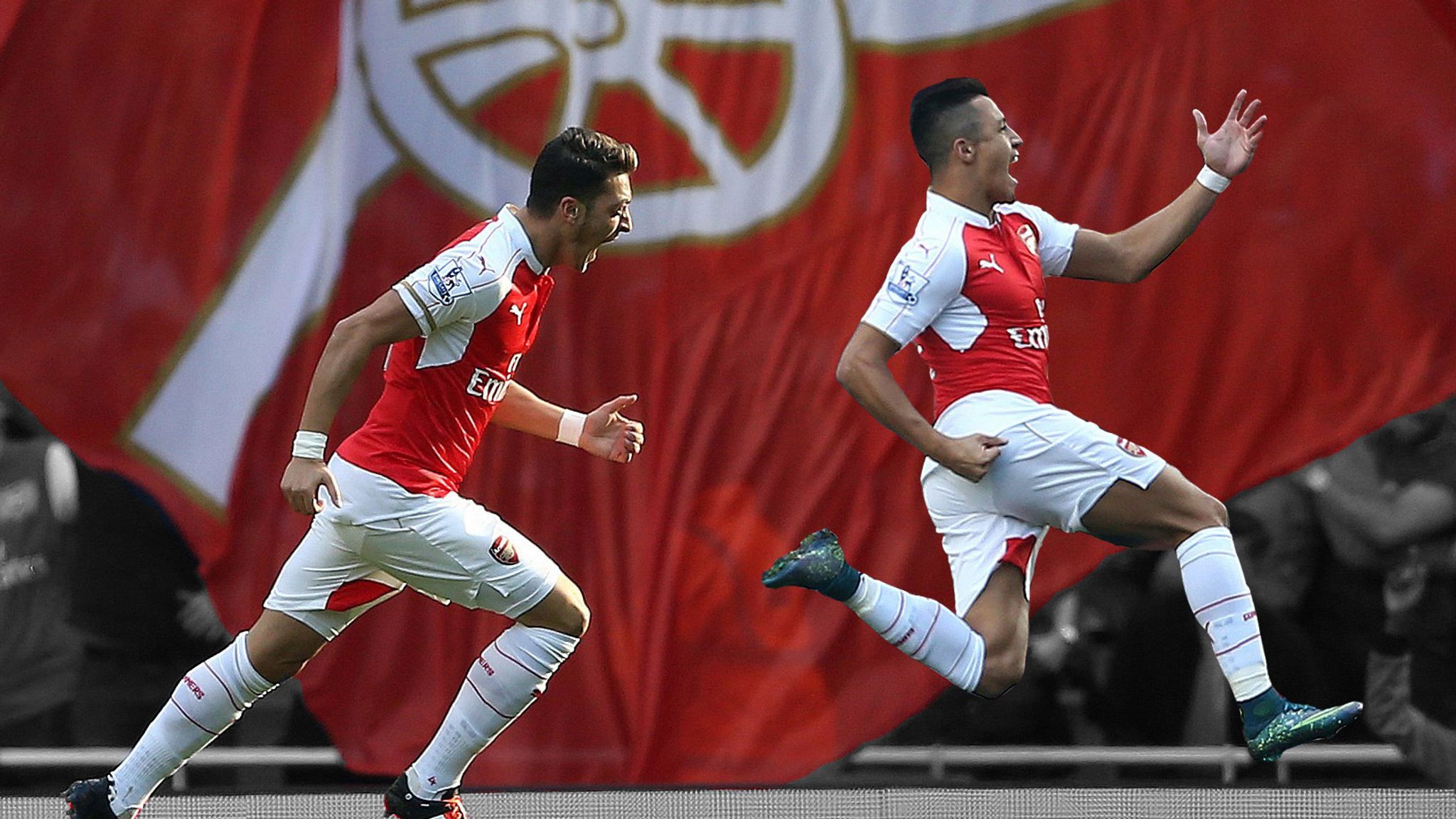
In July 2014, Sánchez completed a high-profile transfer to Arsenal in the English Premier League. This move marked a turning point in his financial status.
- Base Salary: At Arsenal, Sánchez quickly became the focal point of the attack, earning a reported base wage in the region of £130,000 to £140,000 per week.
- Bonuses and Incentives: His contract included various performance-related bonuses tied to goals, assists, and qualification for the UEFA Champions League.
- Contract Negotiations: As his contract approached its final year, Arsenal attempted to make him the highest-paid player in the club's history, offering terms exceeding £200,000 per week. However, amid growing team ambitions and interest from rival clubs, an extension was not reached, setting the stage for his subsequent transfer.
The Manchester United Era (2018–2020)
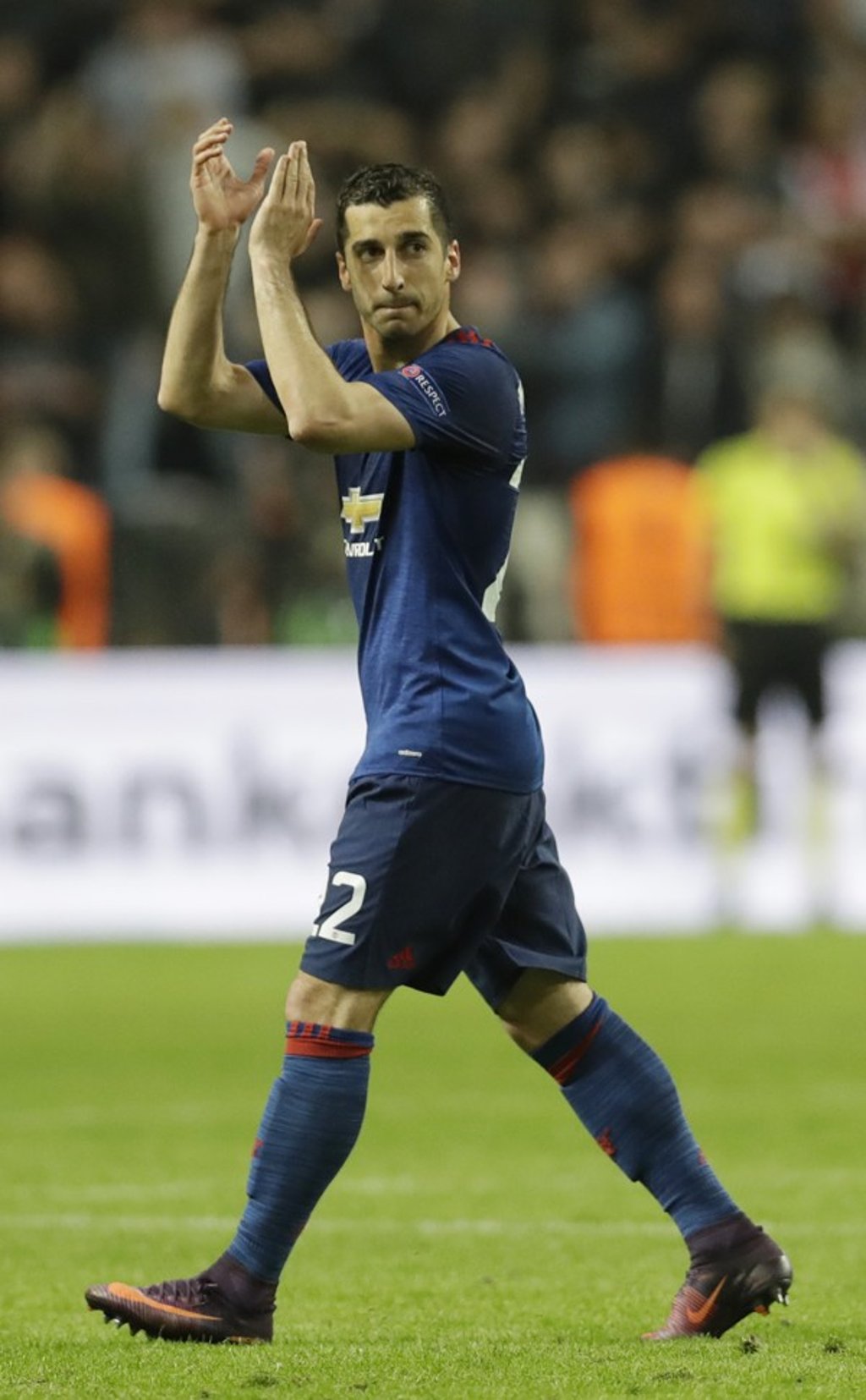
The most financially scrutinized chapter of Sánchez's career occurred in January 2018 when he moved to Manchester United in a high-profile swap deal involving Henrikh Mkhitaryan.
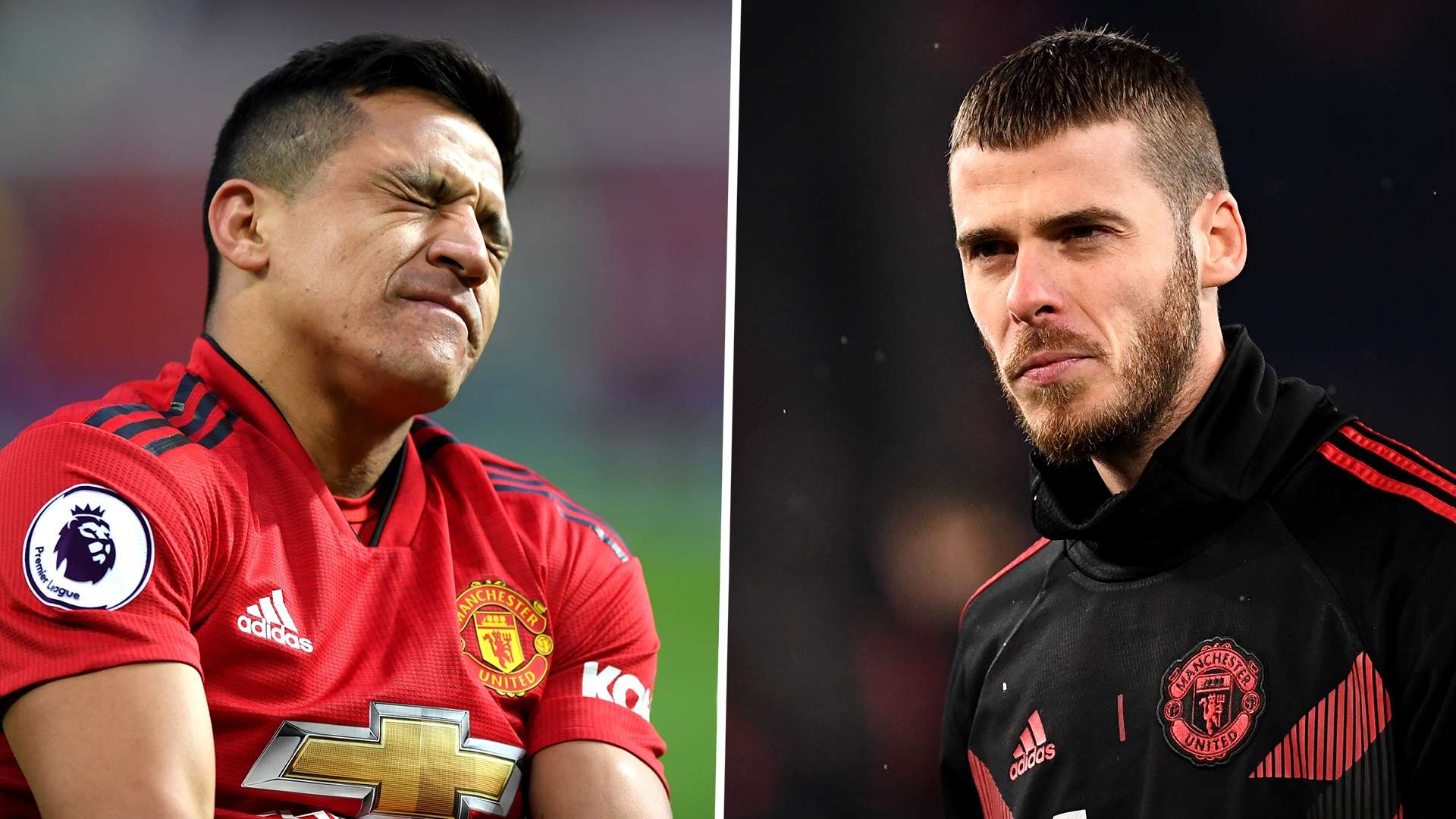
- Headline Figures: While initial media reports frequently cited a basic weekly wage of £350,000 to £500,000 per week—often amplified by estimated image rights and signing bonuses—the actual guaranteed base salary was widely reported by football finance journalists to be approximately £300,000 to £350,000 weekly, before performance-related add-ons.
- Financial Impact: This contract made him one of the highest-paid players in the Premier League at the time. However, the high financial commitment created intense scrutiny, as his on-field output did not consistently match the historic scale of the financial investment.
- Departure: To facilitate a move to Inter Milan, Manchester United ultimately subsidized a portion of his wages during subsequent loan and permanent departure arrangements.
Later Career: Inter Milan, Marseille, and Udinese Return
As Sánchez transitioned into the veteran phase of his career, his contract structures shifted toward shorter-term commitments with lower guaranteed base wages, offset by appearance bonuses and signing incentives.
- Inter Milan: Initially joining on loan before securing a permanent free transfer, his wages at Inter were significantly reduced compared to his Manchester United peak, reflecting the financial climate of Italian football and his age profile.
- Olympique de Marseille: During his productive 2022–2023 season in the French Ligue 1, Sánchez accepted a competitive short-term deal that aligned with Marseille's wage structure.
- Udinese Return: His subsequent return to Udinese in Serie A represented a sentimental and practical concluding chapter, featuring a modest salary scaled to the club's operational budget.
Comparative Analysis of Major Contract Phases
| Club | Approximate Era | Estimated Weekly Wage (Gross) | Key Contract Characteristics |
|---|---|---|---|
| Udinese (First Stint) | 2006–2011 | Low-to-Moderate | Developmental contract for emerging South American talent. |
| FC Barcelona | 2011–2014 | £70,000 – £100,000 | Mid-tier squad salary within a star-studded La Liga side. |
| Arsenal FC | 2014–2018 | £130,000 – £140,000 | Primary talisman earnings, escalating as contract expiration neared. |
| Manchester United | 2018–2020 | £300,000 – £350,000+ | Blockbuster Premier League deal with heavy image rights and bonuses. |
| Inter Milan | 2020–2022, 2023–2024 | Reduced Scale | Restructured wages adjusted for age and Italian tax environment. |
| Marseille & Udinese (Later) | 2022–Present | Performance-Indexed | Short-term agreements focused on playing time and goal incentives. |
Factors Influencing Professional Footballer Wages
The financial figures associated with players like Alexis Sánchez are determined by several intersecting economic mechanisms within the global sports industry.
1. Transfer Fee Amortization and Free Agency
When a club acquires a player via a high transfer fee, the total financial outlay is spread across the length of the contract (amortization). Conversely, when a player moves on a free transfer—as Sánchez did later in his career—clubs often redirect a portion of the saved transfer fee into higher wages or lucrative signing-on bonuses.
2. Image Rights and Commercial Value
Elite players frequently separate their playing contracts from their commercial image rights. Brands pay substantial sums for global marketability, particularly in regions with massive fan bases such as South America. For clubs like Manchester United, a player's commercial drawing power is factored into the overall economic justification of a high-wage acquisition.
3. Taxation and Net vs. Gross Earnings
Media reports often conflate gross wages (before tax) with net wages (take-home pay). Because tax rates vary drastically across the United Kingdom, Spain, Italy, and France, a player's net earnings can differ substantially even if two clubs offer identical gross weekly figures.
Frequently Asked Questions
What was Alexis Sánchez's highest weekly wage?
During his tenure at Manchester United from 2018 to 2020, Alexis Sánchez commanded the highest base wages of his career, widely reported to be between £300,000 and £350,000 per week, with various estimates factoring in image rights and goal bonuses pushing the total potential package even higher.
Did Alexis Sánchez take a pay cut when leaving Manchester United?
Yes. To facilitate his move to Inter Milan—first on loan and later on a permanent basis—Sánchez agreed to a reduction in his guaranteed base salary, allowing Italian clubs to fit his compensation within their financial structures.
How did Sánchez's Arsenal salary compare to his Manchester United earnings?
While at Arsenal, Sánchez earned approximately £130,000 to £140,000 per week. Upon moving to Manchester United, his guaranteed weekly earnings more than doubled, making him one of the highest-paid earners in the entire Premier League at that time.
Are football player wages reported as gross or net amounts?
In European football reporting—particularly within the English media—salaries are almost universally quoted as gross figures (before income tax and national insurance contributions are deducted). Actual take-home pay varies depending on local tax legislation.
Conclusion and Next Actions
The financial history of Alexis Sánchez illustrates the immense scale of modern football economics, where peak performance, global marketability, and competitive bidding wars can elevate a player's compensation into the upper echelons of professional sport. For researchers and football enthusiasts examining player compensation, understanding the distinction between gross base salaries, add-ons, and tax implications provides a clearer picture of how elite sports contracts are constructed. To explore further, review official club financial reports, professional football database archives, and sports business analyses focusing on Premier League and Serie A wage inflation.