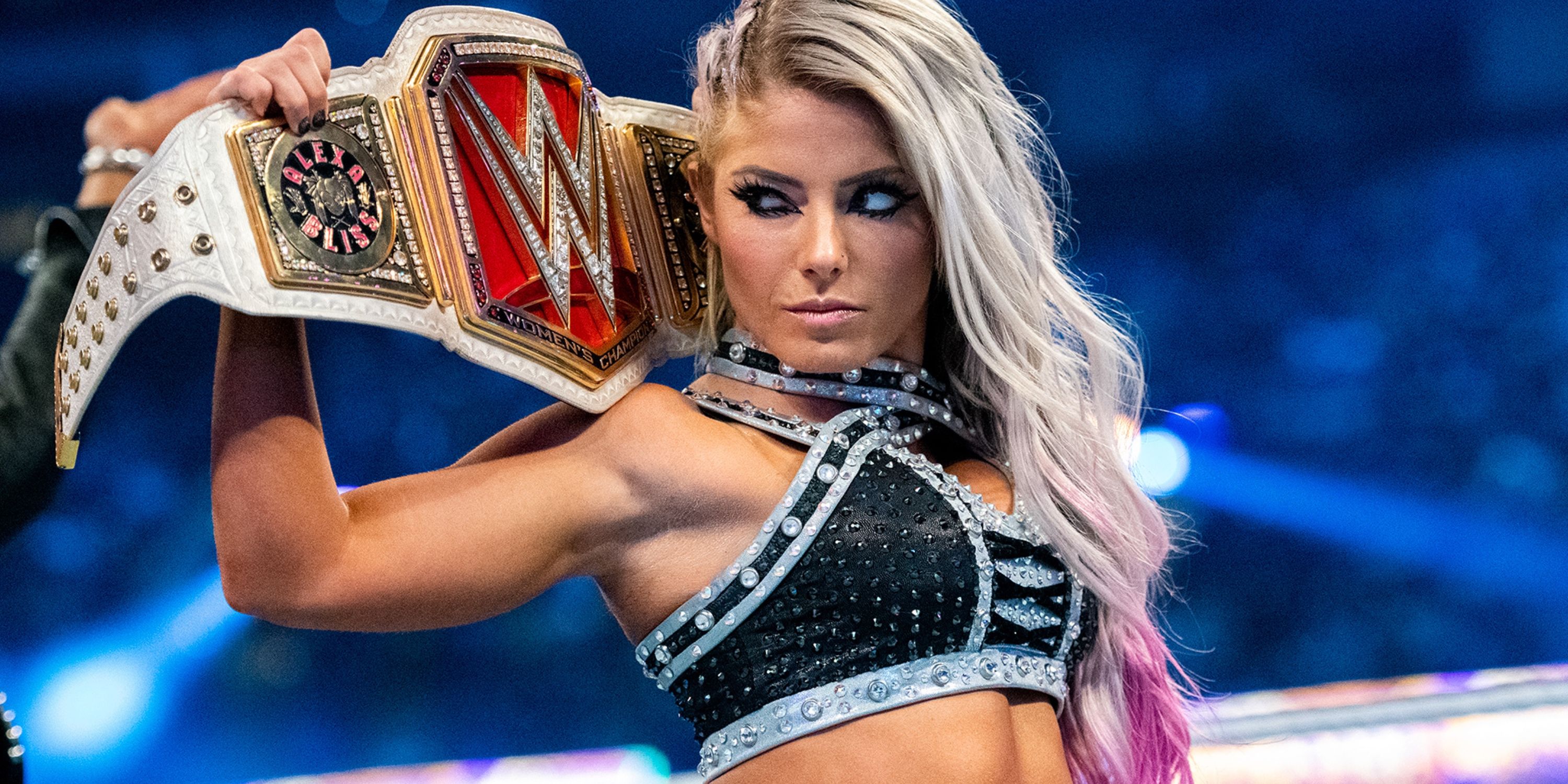
Assessing the feasibility of Alexa Bliss (Alexis Cabrera) performing professional driving stunts or high-speed maneuvers in 2026 requires evaluating her medical clearance, insurance liability, and technical training. Given her history of concussions and recent return to peak physical condition, professional driving is feasible provided specific safety protocols and precision training are implemented.
The Context of Professional Driving for Alexa Bliss in 2026
As of 2026, Alexa Bliss remains one of the most recognizable figures in sports entertainment. Following her return to the public eye and the squared circle after her maternity leave in late 2023 and 2024, the scope of her professional activities has expanded. For a talent of her caliber, "driving" often transitions from a daily necessity to a professional requirement, whether for high-budget WWE cinematic segments, commercial film roles, or brand partnerships with automotive manufacturers.
The feasibility of Bliss engaging in precision or stunt driving is not merely a question of skill, but a complex intersection of medical history, contractual obligations, and logistical safety. In the entertainment industry of 2026, the threshold for "actor-operated" vehicle segments has become more stringent, prioritizing the long-term health of the talent over the authenticity of a practical shot. To determine if Bliss can or should be behind the wheel for high-stakes maneuvers, we must analyze the physiological and regulatory hurdles that define her current professional landscape.
Medical and Physical Feasibility Analysis
The primary concern when assessing the feasibility of Alexa Bliss participating in intensive driving activities is her medical history, specifically regarding neurological health. Bliss has been open about her past struggles with concussions, which at points in her career necessitated significant time away from physical competition.
Neurological Clearance and Reaction Times
In 2026, concussion protocols have evolved to include high-resolution neuro-imaging and reactive timing assessments. For high-speed driving, a performer must demonstrate vestibular stability and rapid-fire decision-making. Since professional wrestling already requires high-level spatial awareness, Bliss starts from a position of strength. However, the specific G-forces involved in stunt driving—sudden lateral shifts or high-impact stops—can trigger underlying sensitivities in individuals with a history of Traumatic Brain Injury (TBI).
Feasibility is contingent upon a "Return to Drive" protocol similar to "Return to Play." This involves:
- Vestibular-Ocular Reflex (VOR) Testing: Ensuring her vision remains stable during rapid head movements.
- Cognitive Load Assessment: Measuring her ability to follow complex driving lines while managing on-board communication and cues.
- Physical Stamina: Assessing core and neck strength, which is vital for stabilizing the head during abrupt vehicular maneuvers.
Post-Maternity Physical Realignment
Having navigated pregnancy and a return to elite-level athletics by 2026, Bliss’s core stability and pelvic floor health are factors in long-duration driving feasibility. Professional driving, particularly in high-performance or off-road settings, places unique strain on the lumbar spine. A feasibility study would require a physical therapy sign-off confirming that her musculoskeletal system can handle the vibrations and seating positions required for specialized vehicles.
Legal and Contractual Considerations
For a WWE Superstar, "feasibility" is often dictated by the legal department as much as the medical team. WWE contracts and SAG-AFTRA (Screen Actors Guild) regulations for 2026 provide a framework for what a high-profile talent can and cannot do behind the wheel.
Insurance Liability and "High-Risk" Clauses
Standard insurance policies for film and television productions often classify high-speed driving as a "stunt." If Alexa Bliss is the primary driver, the production's insurance premiums increase significantly. To assess feasibility, the production must weigh the cost of these premiums against the use of a precision driver or "double." In 2026, many productions utilize "Face Replacement" technology or "Pod Cars" (where a professional drives from the roof while the actor sits in the driver's seat) to mitigate this risk.
WWE Contractual Limitations
WWE has a vested interest in protecting Bliss from avoidable injury. Traditional "no-risk" clauses might prohibit her from participating in unscripted racing or high-speed maneuvers outside of a controlled set. Feasibility, therefore, hinges on a "Limited Risk Waiver," where the specific parameters of the driving—speed limits, safety equipment, and track conditions—are pre-approved by WWE’s legal and talent relations departments.
Technical Requirements for Precision Driving
If the medical and legal hurdles are cleared, the technical feasibility focuses on Bliss's actual proficiency. While Bliss is a competent daily driver, professional "stunt" or "precision" driving is a specialized craft requiring specific certifications.
Training and Certification
For Bliss to be deemed "feasible" for a driving-heavy role, she would likely need to undergo a condensed course at a recognized driving school, such as the Bobby Ore Motorsports or similar institutions. This training covers:
- Slide Control: Managing oversteer and understeer on low-friction surfaces.
- J-Turns and 180s: Executing controlled spins that are common in action cinematography.
- Proximity Driving: Maintaining a precise distance from camera cars or other vehicles at speed.
Vehicle Modifications and Safety Gear
The feasibility of Bliss driving also depends on the vehicle’s safety infrastructure. In 2026, vehicle safety for performers has been revolutionized by:
- Custom Seat Molding: Ensuring Bliss is perfectly bolstered, reducing the physical toll of lateral G-forces.
- Advanced ADAS (Advanced Driver Assistance Systems): Utilizing 2026-era tech that can provide a "safety net" for the driver, such as automatic emergency braking that is calibrated specifically for the stunt environment.
- Five-Point Harnesses and HANS Devices: Standardizing head and neck support to prevent the "whiplash" effect that could exacerbate past injuries.
Feasibility Comparison: Driving Categories for Alexa Bliss
The following table compares the feasibility of different driving scenarios for Alexa Bliss in 2026, based on risk, requirements, and likelihood of approval.
| Driving Category | Risk Level | Primary Requirement | Feasibility Rating (1-10) | Key Constraint |
|---|---|---|---|---|
| Standard Daily Driving | Low | Valid Driver's License | 10 | None |
| Promotional/Slow Speed | Low | Basic Safety Briefing | 10 | Brand alignment |
| Cinematic Precision | Medium | Precision Driving Course | 7 | Insurance costs |
| High-Speed Stunts | High | Specialized Stunt Cert. | 4 | Concussion history |
| Competitive Racing | Very High | Racing License/Medical | 2 | Contractual bans |
Operational Limitations and Safety Protocols
Even if a project is deemed feasible, it is never without limitations. In 2026, "feasibility" is maintained through a series of "Hard Stops"—conditions under which the driving must cease immediately.
- Weather Conditions: Any reduction in visibility or traction typically shifts the feasibility from the talent to a professional stunt double.
- Fatigue Management: For a talent like Bliss, who maintains a rigorous travel and performance schedule, driving segments must be scheduled after adequate rest periods. Fatigue is a leading contributor to timing errors in precision driving.
- The "Close-Up" Rule: Most feasibility studies suggest that the talent should only drive when their face is clearly visible to the camera. For wide shots or rear-view shots, there is no logistical benefit to having the primary talent operate the vehicle, making it "non-feasible" from a cost-benefit perspective.
Frequently Asked Questions
Does Alexa Bliss have a history of driving-related roles?
While Alexa Bliss has appeared in numerous backstage segments involving vehicles (such as the "A Moment of Bliss" setups or various travel vlogs), she has rarely been tasked with high-intensity driving stunts. Her involvement in 2026 would represent a significant step into the "action star" territory that many of her contemporaries, like Becky Lynch or Charlotte Flair, have explored.
How do her past concussions affect her driving eligibility in 2026?
Neurological history is the single most important factor. In 2026, the medical standard requires that any individual with multiple documented concussions pass a specialized cognitive-motor integration test. This ensures that the brain's ability to process visual information and translate it into motor action (steering, braking) is not delayed.
Is she legally allowed to perform her own stunts in 2026?
Legally, an actor is allowed to perform their own stunts if they are cleared by the production's safety officer and insurance carrier. However, the "feasibility" is often blocked by the studio rather than the law. Studios in 2026 prefer to minimize "down-time" risk; if Bliss were injured during a driving stunt, the entire production (and potentially her WWE storylines) would be halted, leading to millions in losses.
What kind of vehicle is best suited for her from a safety perspective?
Electric Vehicles (EVs) from the 2026 model year offer the highest feasibility for talent-led segments. Their lower center of gravity (due to battery placement) makes them more stable and less prone to rollovers, while their digital drive-by-wire systems allow for remote safety overrides by the stunt coordinator if necessary.
Will her 2023 maternity leave impact her driving performance in 2026?
By 2026, the physiological impacts of pregnancy are typically fully managed through targeted athletic training. Many professional athletes return to peak reactive performance within 12 to 18 months. The focus for Bliss would be on re-establishing the "inner ear" balance and core stability that can sometimes be altered post-partum, both of which are critical for high-speed driving.
Final Recommendation on Feasibility
Assessing the feasibility of Alexa Bliss driving in professional or high-stakes environments in 2026 results in a "Conditional Green Light."
For standard promotional activities and low-to-medium speed cinematic driving, the feasibility is exceptionally high. Her professional discipline and athletic background provide the necessary foundation for following complex safety protocols. However, for high-impact or competitive racing, the feasibility remains low due to the unacceptable risk profile associated with her neurological history and the high value of her brand as a performer.
To proceed with any driving-intensive project, the following steps are recommended:
- Comprehensive Neuro-Psychological Baseline: Establishing her 2026 cognitive benchmarks.
- Specialized Precision Training: A minimum of 40 hours of track time under the supervision of a certified stunt coordinator.
- Tiered Risk Implementation: Starting with low-speed, controlled environments before moving to more complex shots.
- Tech-Enhanced Safety: Using 2026-standard remote-kill switches and advanced telemetry to monitor her vitals and vehicle status in real-time.
By adhering to these parameters, productions can safely leverage Alexa Bliss’s star power behind the wheel without compromising her health or the project's financial stability.