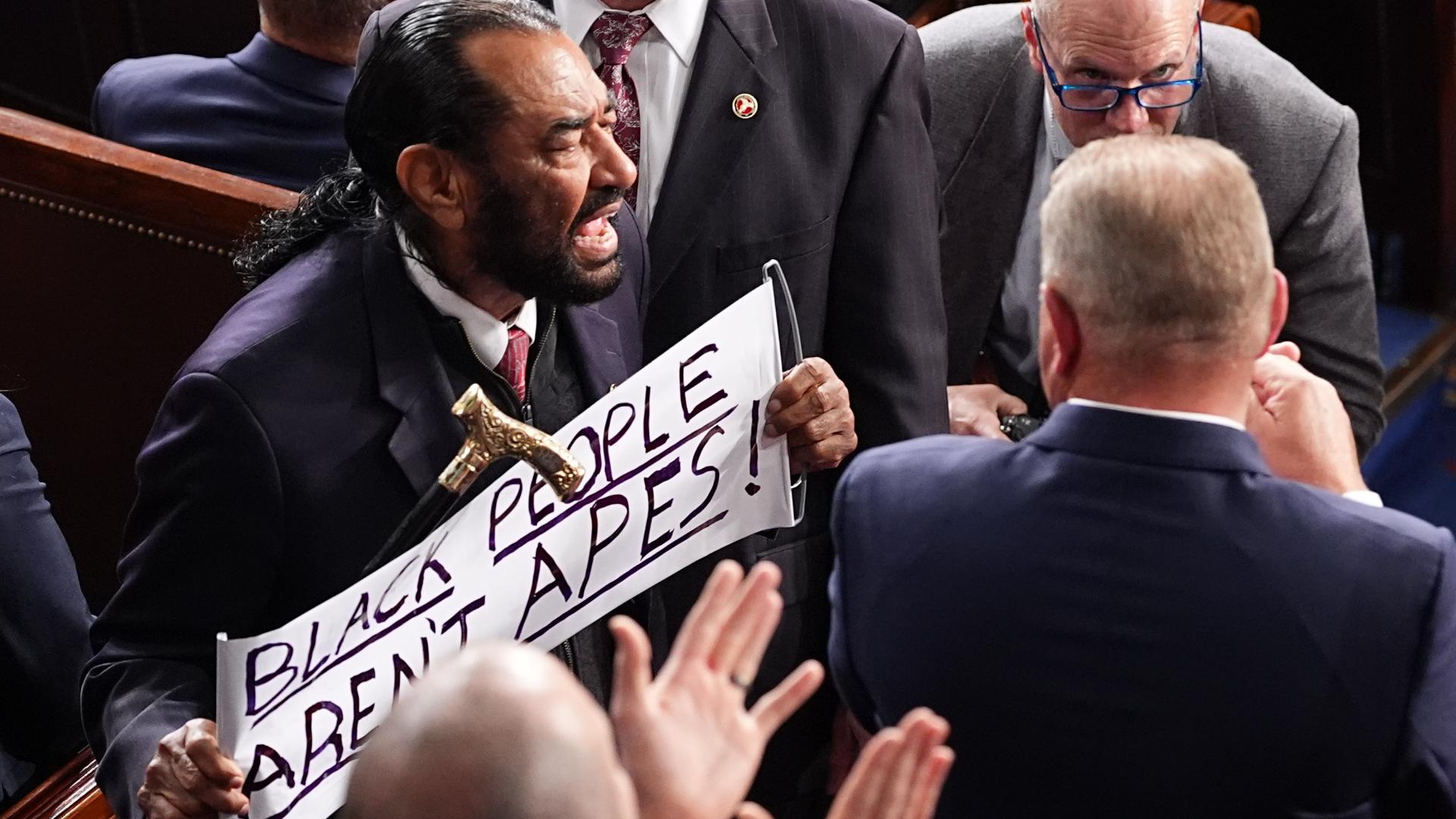
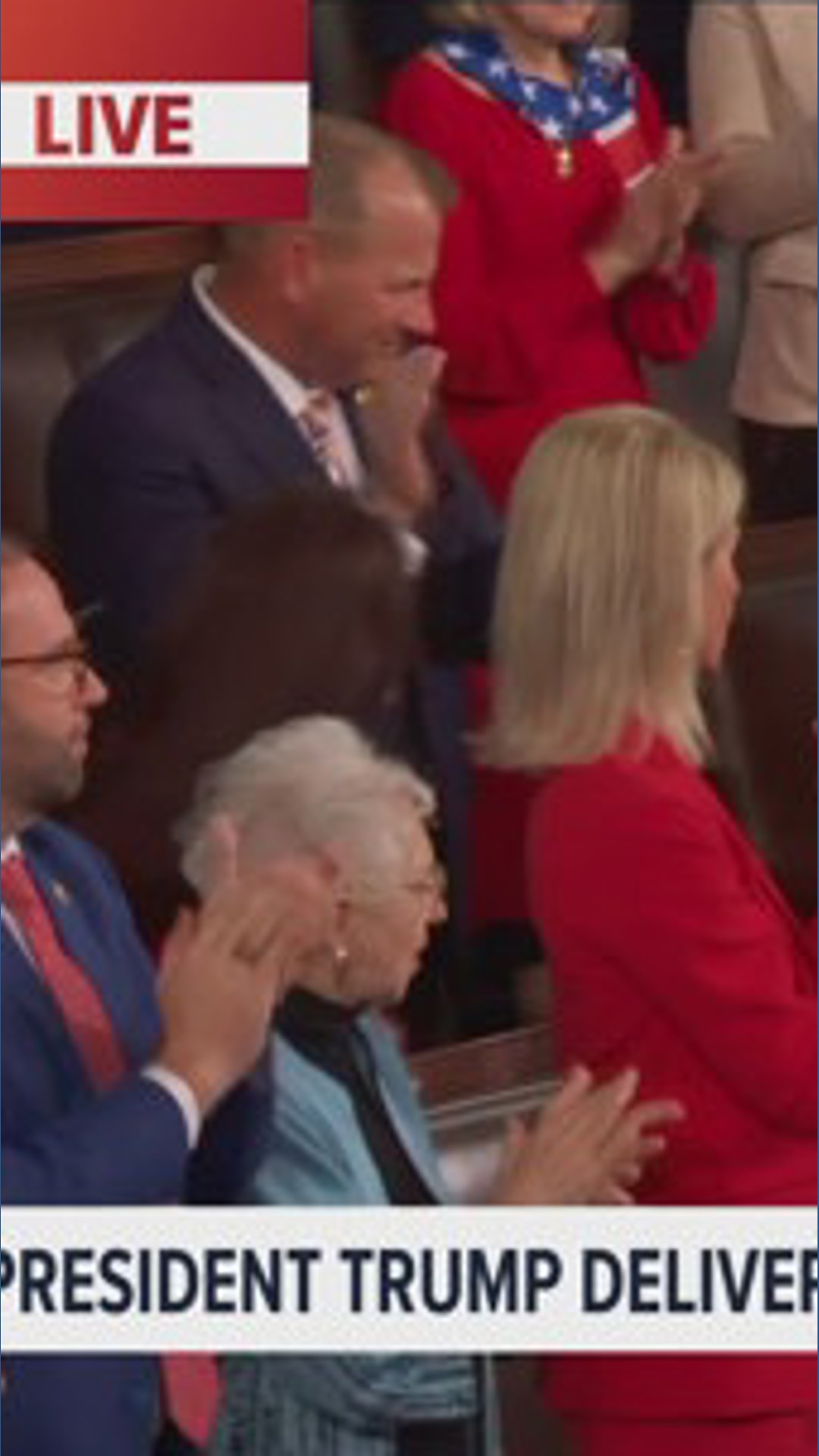
Representative Al Green has never been physically escorted out of a State of the Union address by security personnel, though his vocal protests and symbolic demonstrations during presidential speeches have frequently drawn intense media attention and parliamentary warnings. Discussions surrounding him being removed typically conflate his floor protests, legislative walkouts, and instances where lawmakers faced strict House rules regarding decorum during joint sessions of Congress.
The Parliamentary Rules of the State of the Union Address
The State of the Union (SOTU) address is a mandatory constitutional communication from the President of the United States to Congress, delivered in the chamber of the House of Representatives. While the event carries an atmosphere of high-stakes political theater, it is governed by strict rules of decorum enforced by the Sergeant-at-Arms and the presiding officers of Congress.
House Rules and Chamber Decorum
Members of Congress are expected to adhere to traditional standards of conduct during joint sessions. While cheering, standing, and wearing symbolic attire or holding small protest props have become common bipartisan practices, direct verbal interruptions or shouting matches directed at the podium are violations of House rules.
- The Role of the Sergeant-at-Arms: The Sergeant-at-Arms is responsible for maintaining order and decorum on the House floor under the direction of the Speaker. If a member severely disrupts proceedings, the presiding officer can demand order.
- Warning vs. Removal: Actual physical removal of a sitting member of Congress from the House floor during a presidential address is an extreme measure that has historically been avoided to prevent constitutional crises involving the separation of powers. Instead, infractions are typically handled through formal reprimands, loss of committee assignments, or public censure.
- Voluntary Departures: Many instances that viewers interpret as members being "escorted out" or forced to leave are actually voluntary walkouts. Lawmakers frequently choose to walk out of the chamber mid-speech to signal their profound disagreement with the president's policies, staging a protest for the press corps waiting outside.
Representative Al Green: Legislative Record and Protest History
To understand why searches regarding his removal circulate, it is necessary to examine Representative Al Green’s actual history of congressional protest. Representing Texas's 9th congressional district since 2005, Green is a senior member of the Democratic Party known for his outspoken advocacy and willingness to use procedural and symbolic tools to challenge administrations from both parties.
High-Profile Protests and Impeachment Resolutions
Al Green is perhaps most famous for breaking ranks within his own party early in the Trump administration to repeatedly force votes on articles of impeachment against President Donald Trump. His willingness to bring up privileged resolutions forced congressional votes that leadership often sought to avoid, establishing his reputation as a lawmaker who prioritizes symbolic confrontation over party strategy.
When attending addresses delivered by Republican presidents, Green has utilized various forms of peaceful protest, including wearing specific garments, holding small placards, or remaining seated while refusing to applaud. These actions often prompt sharp reactions from political opponents and intense scrutiny on social media, where rumors about physical ejections frequently originate.
| Event Type | Action Taken by Lawmaker | Parliamentary Result | Public/Media Reception | | : করুণ | :--- | :--- | :--- | | Floor Walkout | Standing up and exiting the chamber during a speech | None (Member's constitutional right) | Viewed as a potent symbol of dissent by supporters; dismissed as political theater by critics. | | Impeachment Resolution | Forcing a privileged floor vote on removing a president | Defeated by congressional vote | Praised by progressive constituents; discouraged by cautious party leadership. | | Chamber Disruption | Shouting brief interruptions or holding a sign | Call to order by the presiding officer | Generates heavy media cycles and debate over decorum. |
Why Rumors of Removal Persist Online
Misinformation regarding members of Congress being physically removed from major national addresses spreads rapidly during and after high-profile televised events. Several factors contribute to these persistent rumors.
The Dynamics of Televised Political Theater
During a State of the Union address, camera angles are strictly managed, but independent broadcasts and social media live-feeds capture off-camera interactions. When a lawmaker stands up, begins shouting, or walks out defiantly while surrounded by legislative aides or security personnel guiding foot traffic, viewers often misinterpret the scene as an arrest or forcible ejection.
Furthermore, hyper-partisan online spaces frequently use sensationalized headlines—such as claiming a politician was "thrown out" or "dragged away"—to describe standard voluntary walkouts or minor verbal rebukes from the Speaker of the House.
Comparing Congressional Protests: Walkouts vs. Physical Removals
To clarify how congressional disruptions are handled, the following breakdown contrasts different forms of protest and their official consequences.
- Voluntary Walkout: A member stands, gathers their belongings, and walks up the aisle to leave the chamber. There are no parliamentary penalties, as members are free to leave the floor at any time.
- Verbal Outburst: A member shouts an interjection from their seat. The presiding officer gavels for order. If the member persists, they may be asked to leave the chamber voluntarily.
- Physical Ejection: If a member actively resists the Sergeant-at-Arms after being ordered to leave for violating the rules of the House, physical force could theoretically be authorized. However, this has not occurred with a sitting member during a modern State of the Union address due to the severe political and institutional ramifications.
Frequently Asked Questions
Has Al Green ever been physically removed from the State of the Union?
No. Representative Al Green has never been physically escorted or forced out of a State of the Union address by security. While he has staged high-profile protests and walkouts, claims of physical removal are factually incorrect and stem from misinterpretations of voluntary departures or tense floor exchanges.
What happens if a member of Congress disrupts the State of the Union?
If a member disrupts the speech, the presiding officer will typically call the chamber to order. Persistent disruption can lead to a formal reprimand, a demand to leave the floor, or subsequent disciplinary action by the House Ethics Committee.
Can the Sergeant-at-Arms arrest a member of Congress on the floor?
While the Sergeant-at-Arms has the legal authority to maintain order, arresting a sitting member of Congress during a joint session involves complex constitutional protections, such as the Speech or Debate Clause, making physical arrests on the chamber floor virtually unprecedented.
Why do lawmakers walk out of the State of the Union?
Lawmakers walk out of the address as a visual, non-violent form of protest against the policies, statements, or administration of the sitting president. It allows them to register their dissent on national television without breaking parliamentary rules.
Where do rumors about politicians being escorted out start?
Rumors usually originate from unverified social media posts, sensationalized clickbait headlines, or the misinterpretation of normal security movements and camera cuts during live television broadcasts of chaotic political events.
Conclusion and Next Steps
When analyzing viral claims about members of Congress being escorted out of major national addresses like the State of the Union, it is essential to rely on verified journalistic reporting from credentialed congressional reporters rather than unverified social media commentary. Understanding the actual rules of the House of Representatives and the distinct difference between voluntary walkouts and forced ejections prevents the spread of misinformation regarding legislative proceedings.