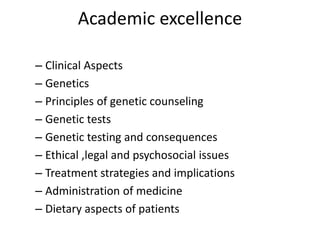
When applying for life insurance with a carrier such as AIG, individuals often encounter questions regarding their medical history, which may include results from genetic testing. While life insurers may request access to existing genetic data to assess mortality risk, strict legal protections—most notably the Genetic Information Nondiscrimination Act (GINA)—limit how this information can be used, ensuring that legal and policy frameworks balance corporate risk assessment with individual consumer privacy rights.
Understanding the Intersection of Life Insurance and Genetic Data
The rapid advancement of genomic medicine has introduced complex variables into the life insurance underwriting process. Historically, underwriting relied on blood pressure, cholesterol levels, body mass index, and family medical history. Today, the availability of precise genetic information—data that can predict the probability of developing certain conditions like Huntington’s disease, BRCA gene mutations, or early-onset Alzheimer’s—presents a dual-sided challenge for insurers and applicants alike.
For a company like AIG, the primary objective of underwriting is the accurate assessment of mortality risk. Actuarial science relies on large datasets to predict the longevity of a pool of insured individuals, which in turn determines premium structures. Genetic information, theoretically, allows for a more granular assessment of this risk. However, the use of such data is governed by a stringent web of federal and state regulations designed to prevent unfair discrimination based on an individual’s DNA.
The Legal Framework: GINA and Beyond
It is a common misconception that the Genetic Information Nondiscrimination Act (GINA), enacted in 2008, provides universal protection against the use of genetic data by all types of insurance providers. While GINA provides robust protections against genetic discrimination in health insurance and employment, it does not explicitly prohibit life insurance, disability insurance, or long-term care insurance providers from requesting or utilizing genetic information during the underwriting process.
This "gap" in federal law is intentional, based on the principle of adverse selection. Life insurance operates on the concept of "information symmetry." If an applicant knows they have a high-probability genetic marker for a terminal condition but the insurer is legally forbidden from knowing that information, the applicant could potentially secure a large policy, creating an imbalance that threatens the solvency of the insurance pool.
However, many states have enacted their own, more stringent laws that go beyond GINA. Some jurisdictions strictly limit whether an insurer can request genetic test results, the circumstances under which those results can be disclosed, and whether they can be used to set premiums or deny coverage. Applicants applying for AIG life insurance policies must be aware of their specific state of residence, as the legal landscape is fragmented across the United States.
AIG’s Underwriting Standards and Policyholder Requirements
AIG, as one of the world’s largest insurance organizations, operates under standardized underwriting guidelines that prioritize compliance with state-specific mandates. When you apply for a life insurance policy, the company will ask for medical history, which includes physician-ordered diagnostic tests.
- Mandatory Disclosures: If you have undergone genetic testing as part of a diagnostic process (e.g., to confirm a symptomatic condition), this information is generally considered part of your medical record. Insurers may request your medical records, and failing to disclose known, significant genetic test results could be construed as material misrepresentation, potentially jeopardizing the validity of your policy.
- Voluntary Testing: If you have purchased "direct-to-consumer" (DTC) genetic testing—the kind provided by companies that track ancestry and basic health markers—these records are generally not part of your clinical medical record unless you choose to share them. Most insurers do not actively seek out raw data from consumer genetic platforms; however, if you voluntarily disclose this information on your application, it becomes part of the underwriting file.
- The Distinction Between Clinical and Investigative: It is vital to distinguish between a test ordered by a doctor to diagnose a current illness and a test taken to screen for future risks. Insurers are generally more concerned with clinical outcomes than hypothetical genetic predispositions, but the boundaries can blur depending on the severity of the findings.
Comparative Risks: Insurer Perspective vs. Consumer Privacy
The tension between the desire for comprehensive risk assessment and the right to privacy creates a complex dynamic.
| Factor | Insurer Perspective (Risk) | Consumer Perspective (Privacy) |
|---|---|---|
| Data Utility | Allows for precise pricing and long-term risk management. | Fear of denial of coverage or prohibitive premium hikes. |
| Information Symmetry | Necessary to prevent high-risk applicants from over-insuring. | Concern that genetic data is permanent and could be misused. |
| Predictive Accuracy | Uses data to model mortality trends across large groups. | Genetic markers do not guarantee the development of a disease. |
Practical Steps for Applicants
If you are concerned about how your genetic testing history might affect an AIG life insurance application, consider the following actions:
- Review Your Medical Records: Before applying, request a copy of your medical files from your primary care physician. This will allow you to see exactly what an underwriter will see. If a genetic test result is present, you will be better prepared to discuss it.
- Consult with a Financial Professional: An insurance agent or independent broker can help you navigate the nuances of the application process. They can often provide "pre-screen" insights regarding how specific medical histories have been treated by underwriters in the past, without formally submitting a record.
- Do Not Withhold Material Facts: Never hide a known, documented medical condition or formal clinical genetic diagnosis. If an insurance company discovers a material omission during a claims investigation, they can deny a death benefit, leaving beneficiaries without the intended financial protection.
- Understand State Protections: If you live in a state with strict genetic information privacy laws (such as California or Florida, which have specific statutes governing the use of genetic information in life insurance), familiarize yourself with those rights.
Frequently Asked Questions
Does AIG require me to take a genetic test to get insurance? No. Life insurers, including AIG, do not typically require applicants to undergo new genetic testing. They base their decisions on existing medical records, physical exams (such as blood or urine tests performed by paramedical examiners), and the application history you provide.
Can I be denied life insurance because of a BRCA gene mutation? The underwriting process is highly individual. While some genetic markers for hereditary cancers may be viewed as higher risk, having a genetic marker does not automatically result in a denial. Underwriters look at the full picture, including lifestyle, age, medical history, and evidence of preventative screenings or treatments you have undertaken.
Is my Ancestry or 23andMe data accessible to AIG? AIG does not have a "backdoor" to your personal account at third-party commercial genetic testing companies. However, if you include information from those tests in your medical history or on your application, you are providing that information to the insurer.
What happens if I forget to mention a genetic test on my application? Inadvertent omissions are different from intentional ones. If you discover you forgot a minor detail, it is generally advised to notify your broker or the insurance carrier immediately to rectify the application. Intentional concealment of medical history is the most common reason for a claim denial during the contestability period.
Are there laws that prevent my life insurance premiums from increasing based on genetic data? In some states, yes. Certain jurisdictions have laws that limit the extent to which life insurers can use "predictive" genetic information to influence premium rates. Because these laws vary significantly by state, it is essential to check the regulations applicable to your specific policy contract.
Professional Advice Limitation
This article is for informational purposes only and does not constitute legal, medical, or financial advice. The regulatory landscape surrounding genetic testing and insurance is subject to ongoing change. Readers are strongly encouraged to consult with a qualified insurance professional, legal advisor, or medical professional regarding their specific circumstances.
Next Steps for Prospective Policyholders
Before moving forward with an application, ensure you have gathered all relevant medical documentation. If you are uncertain about the potential impact of a specific genetic finding on your insurability, reach out to an independent life insurance broker. These professionals are experienced in navigating "pre-underwriting" inquiries and can identify carriers that may be more amenable to specific medical profiles, ensuring you apply for the policy that best matches your health profile and financial goals.