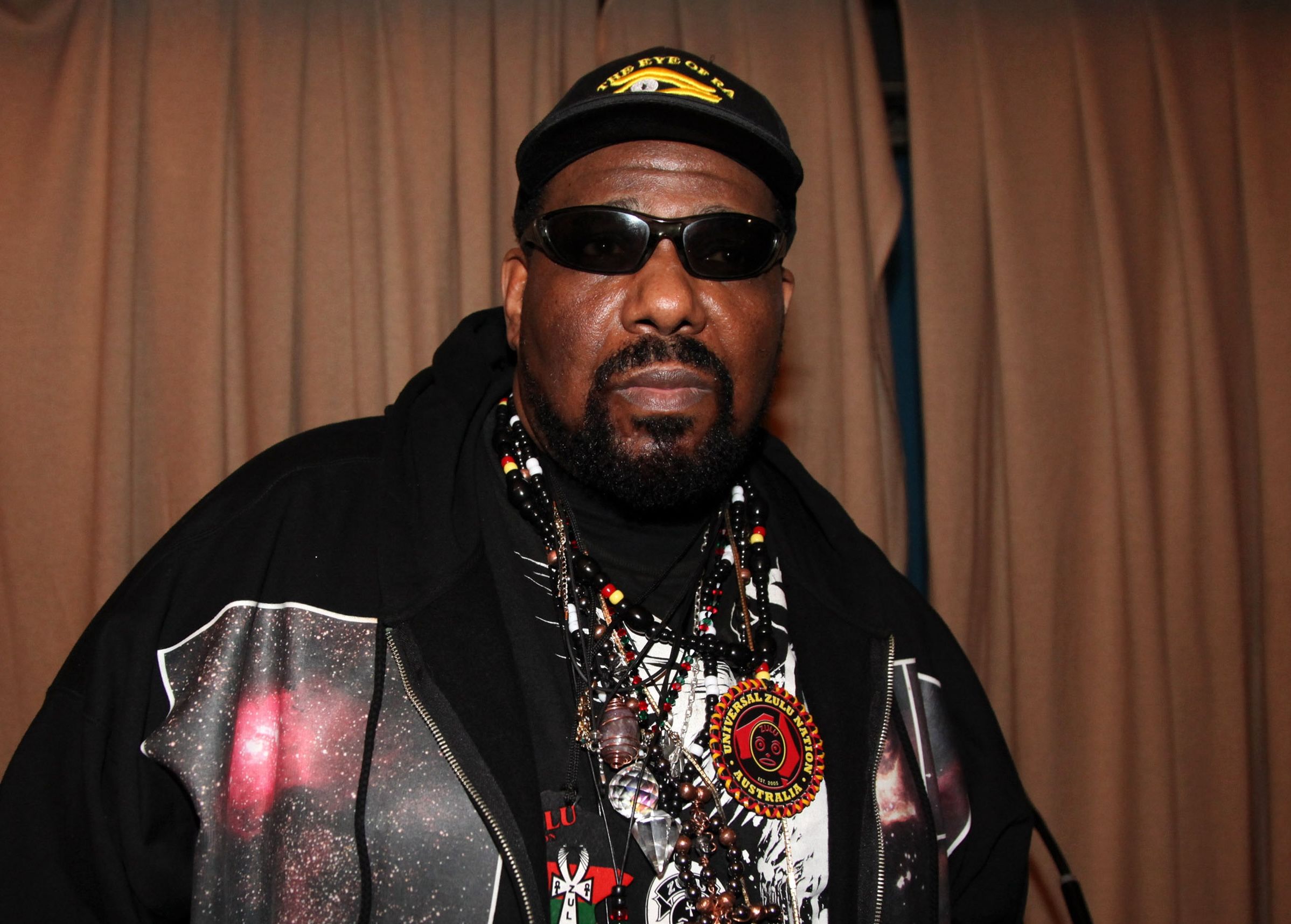
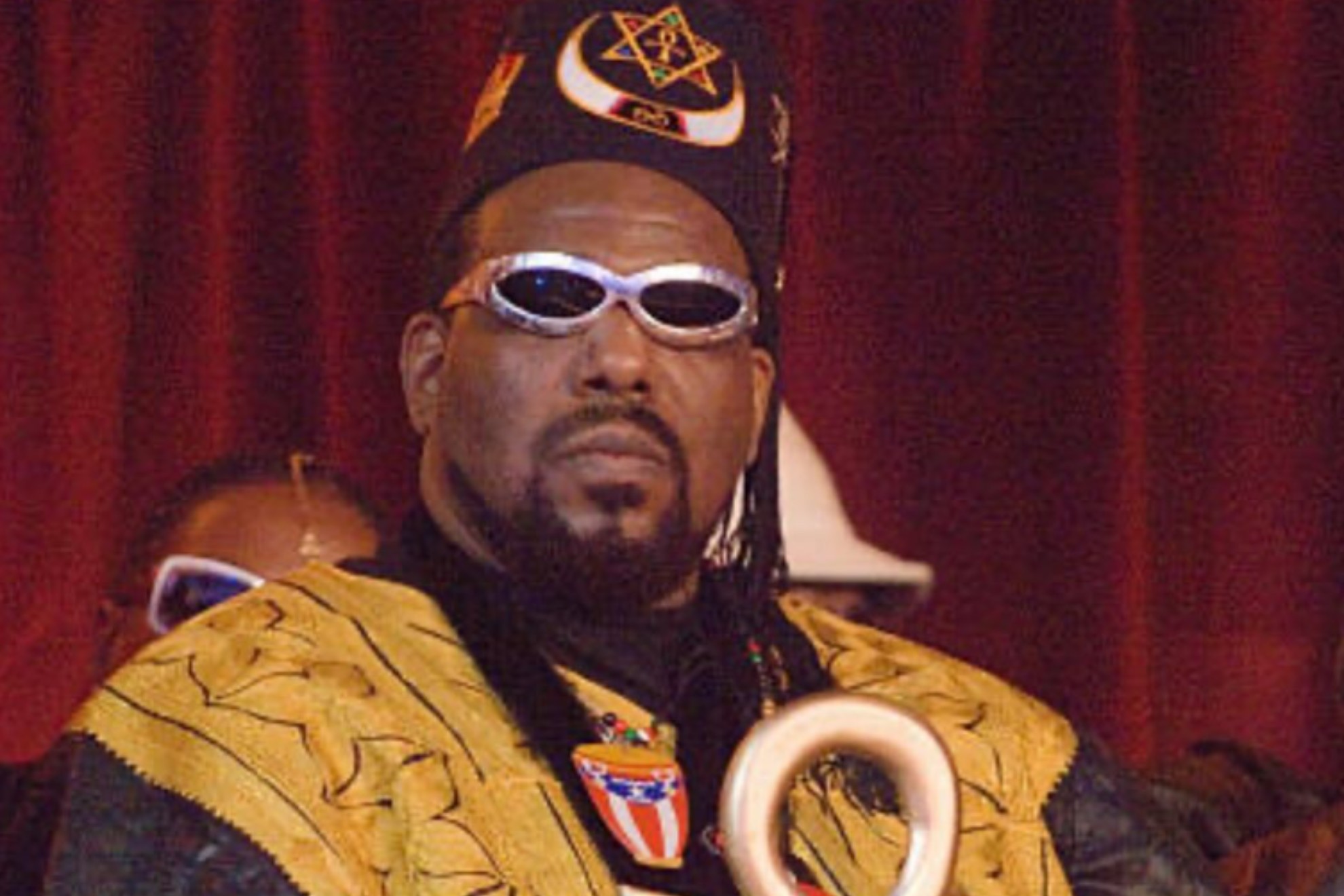
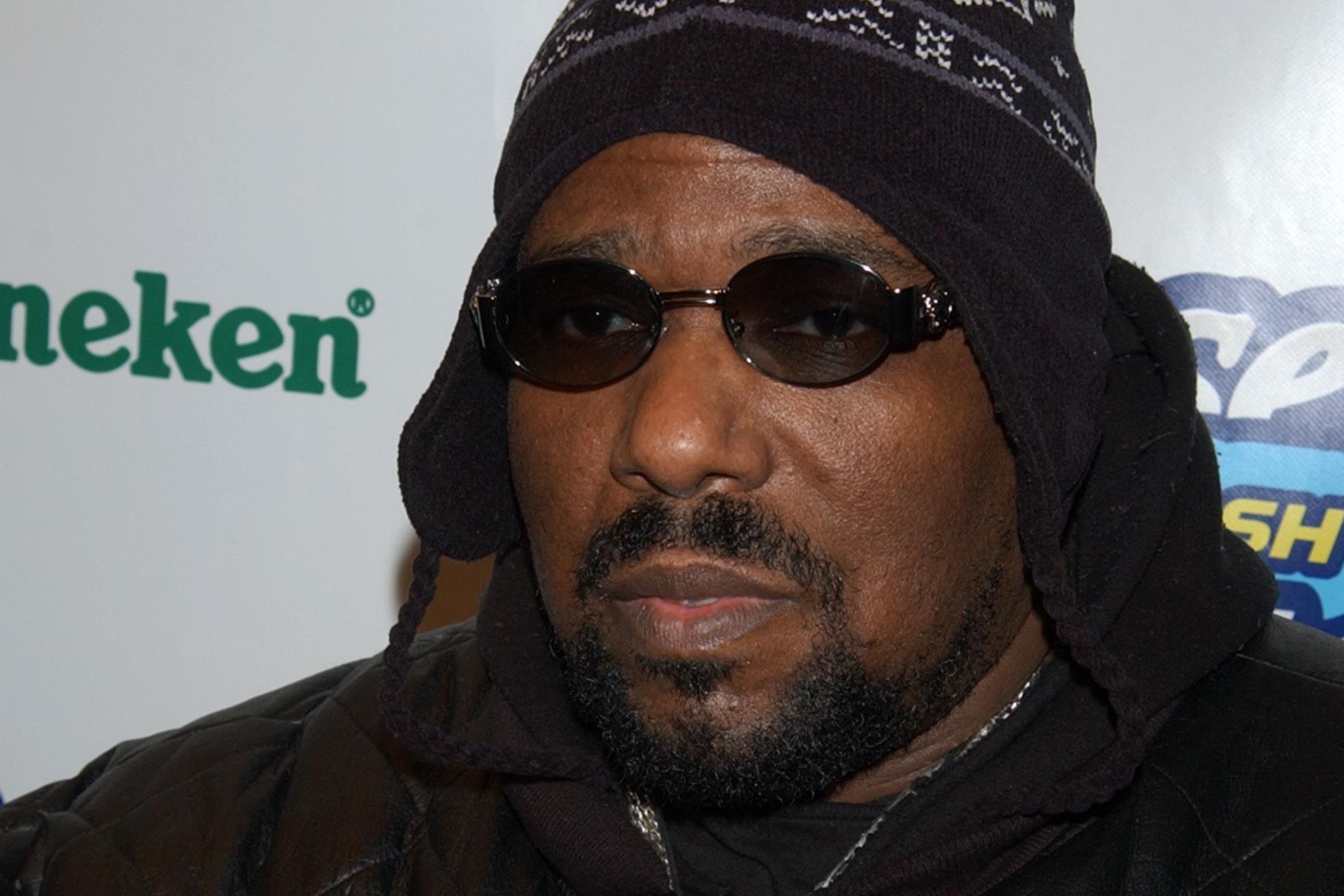
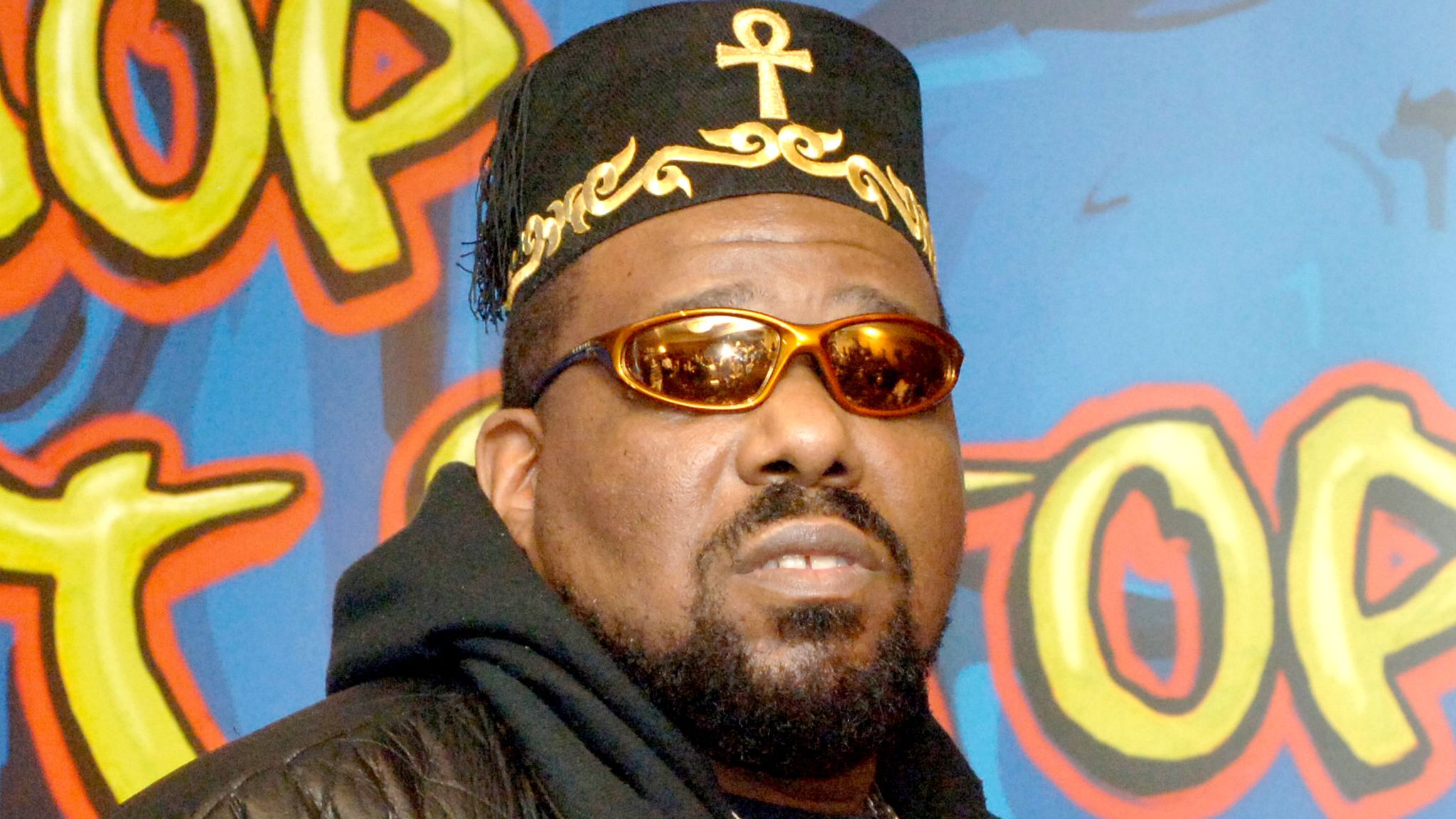
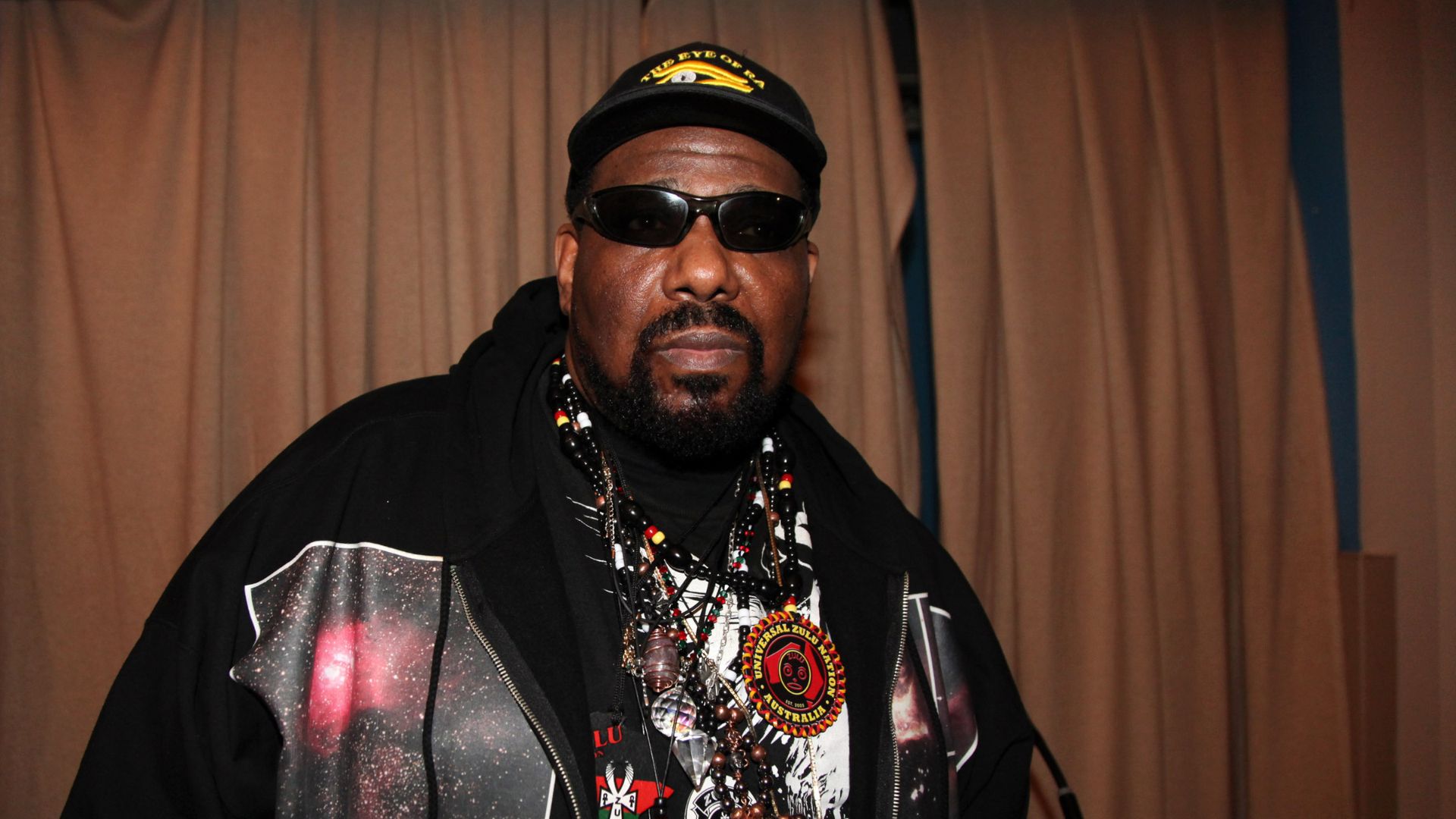
Afrikaa Bambaataa is a seminal figure in hip-hop history, recognized as the founder of the Universal Zulu Nation and a primary architect of hip-hop culture. He popularized the "five pillars" of the movement and pioneered electro-funk through his 1982 hit "Planet Rock," which bridged the gap between street culture and electronic synthesis.
The history of hip-hop is often told through the stories of its "Holy Trinity": DJ Kool Herc, Grandmaster Flash, and Afrikaa Bambaataa. While Herc provided the spark in 1973 and Flash refined the technical art of the turntable, Bambaataa was the visionary who synthesized these elements into a cohesive global culture. Born Lance Taylor in April 1957, Bambaataa’s journey from a high-ranking gang leader in the South Bronx to a "Master of Records" is one of the most influential narratives in 20th-century music.
As we look back from the vantage point of 2026, his contributions remain foundational to contemporary music, even as his personal legacy has become a subject of intense scrutiny and historical re-evaluation. Understanding Bambaataa requires a deep dive into the socio-political climate of the 1970s Bronx, the technical evolution of the breakbeat, and the eventual global expansion of the Universal Zulu Nation.
The Bronx River Context and the Rise of the Black Spades
To understand the emergence of Afrikaa Bambaataa, one must understand the environment of the Bronx in the early 1970s. The borough was plagued by urban decay, "planned shrinkage" of city services, and the construction of the Cross Bronx Expressway, which displaced thousands. In this vacuum of institutional support, street gangs became the primary social structure for youth.
Bambaataa was a leader in the Black Spades, one of the largest and most feared gangs in New York City. However, he was also deeply influenced by his mother’s activism and the burgeoning Black Power movement. A transformative trip to Africa—after winning an essay contest—provided him with a new perspective on community leadership. Inspired by the Zulu film (1964) and the concept of a "unified nation," he returned to New York with the intent of converting gang energy into creative expression.
By 1973, Bambaataa began organizing parties at the Bronx River Houses. He utilized the DJ skills he had observed from Kool Herc but added a unique encyclopedic knowledge of records. This transition marked the birth of the Universal Zulu Nation (UZN). The UZN served as a peace-keeping body, offering a "truce" through competition. Instead of fighting with weapons, rival factions competed through dance (breaking), art (graffiti), and lyrical skill (MCing).
The Five Pillars of Hip-Hop Culture
Bambaataa is widely credited with defining hip-hop as a multifaceted culture rather than just a genre of music. He codified the "Four Pillars," later adding a fifth, to provide a framework for the movement’s growth and identity.
- DJing (Turntablism): The rhythmic and harmonic manipulation of sounds. Bambaataa’s style was defined by his "Master of Records" status, playing everything from rock and funk to television theme songs.
- MCing (Rapping): The oral tradition of poetry and crowd interaction. Under Bambaataa’s influence, MCing moved from simple party chants to complex storytelling.
- Breaking (B-boying/B-girling): The physical manifestation of the beat. The Zulu Nation was instrumental in supporting legendary crews like the Rock Steady Crew.
- Graffiti (Writing): The visual language of the streets. Bambaataa recognized graffiti as an essential artistic expression that mirrored the energy of the music.
- Knowledge: This was the crucial fifth pillar. Bambaataa emphasized that without an understanding of history, spirituality, and social justice, the other four pillars were merely entertainment.
By 2026, these pillars are taught in universities worldwide, but in the late 1970s, they were a radical survival strategy for disenfranchised youth. The Zulu Nation’s motto, "Peace, Love, Unity, and Having Fun," became the foundational ethos of the movement.
"Planet Rock" and the Technical Shift to Electro-Funk
In 1982, Afrikaa Bambaataa & Soulsonic Force released "Planet Rock," a track that changed the trajectory of popular music. While early hip-hop relied on sampling existing drum breaks from funk records (like James Brown), "Planet Rock" embraced the futuristic sounds of European electronic music.
Produced by Arthur Baker and featuring the keyboard work of John Robie, the track famously interpolated the melody from Kraftwerk’s "Trans-Europe Express" and the rhythm from their track "Numbers." It was one of the first major hits to use the Roland TR-808 drum machine, an instrument that would eventually define the sound of trap, pop, and R&B for decades.
The Impact of the Roland TR-808
The 808 provided a deep, booming bass kick that was previously unattainable through live drumming or standard sampling. Bambaataa’s willingness to experiment with "white" electronic music was initially met with skepticism by some hip-hop purists. However, the track's success proved that hip-hop was a "universal" language capable of absorbing any influence.
"Planet Rock" didn't just influence hip-hop; it gave birth to Electro, which in turn influenced Detroit Techno and UK Garage. The track demonstrated that the DJ was not just a selector but a sound architect who could fuse disparate cultures—German synthesizers and New York street soul—into a singular, cohesive experience.
The Universal Zulu Nation as a Global Movement
Throughout the 1980s and 1990s, Bambaataa traveled the world, establishing chapters of the Universal Zulu Nation in Europe, Japan, and Africa. This proselytizing turned hip-hop into a global phenomenon. Bambaataa’s vision was always internationalist; he saw hip-hop as a tool for "Afro-futurism," a way for the African diaspora to reclaim their history while looking toward a high-tech future.
The Zulu Nation provided a sense of belonging to young people from marginalized backgrounds across the globe. By the early 2000s, the UZN had thousands of members. Bambaataa’s role as the "Amen Ra of Hip Hop Culture" seemed unshakeable. He was a consultant for museums, a regular on the lecture circuit, and a living legend whose record collection was eventually archived by Cornell University's Hip Hop Collection.
Analyzing the Discography: Key Tracks and Innovations
Bambaataa’s discography is a testament to his "Master of Records" moniker. He was never content with a single sound, constantly pushing the boundaries of what "street music" could be.
| Year | Release | Primary Innovation | Cultural Impact |
|---|---|---|---|
| 1982 | "Planet Rock" | Use of TR-808 and Kraftwerk interpolation. | Launched the Electro genre; foundational for Techno. |
| 1983 | "Looking for the Perfect Beat" | Multi-layered syncopation and early digital editing. | Established the "search" for innovation as a hip-hop trope. |
| 1983 | "Renegades of Funk" | Fusion of political imagery with futuristic funk. | Later famously covered by Rage Against the Machine. |
| 1984 | "Unity" (with James Brown) | The "Godfather of Soul" meeting the "Godfather of Hip Hop." | Validated hip-hop as the direct descendant of Funk. |
| 1984 | "World Destruction" | Collaboration between Bambaataa and John Lydon. | One of the first major Rap-Rock/Punk crossovers. |
The 2016 Allegations and a Complicated Legacy
In 2016, the narrative surrounding Afrikaa Bambaataa shifted significantly. Ronald Savage, a former member of the Zulu Nation, publicly accused Bambaataa of sexual abuse dating back to the 1980s. Following Savage’s testimony, several other men came forward with similar allegations of sexual misconduct and exploitation involving minors.
These allegations sent shockwaves through the hip-hop community. For many, Bambaataa was a moral authority who had preached "Peace, Love, and Unity." The internal response within the Universal Zulu Nation was fractured; while some members defended him, others resigned in protest or called for a complete restructuring of the organization.
By 2026, the historical treatment of Bambaataa has become a central case study in the "separate the art from the artist" debate. While his technical and cultural contributions to hip-hop are undeniable and remain embedded in the genre's DNA, his personal reputation has been severely tarnished. Many contemporary hip-hop histories now include these allegations as a necessary, albeit painful, part of the record, ensuring that the movement’s pioneers are held to the same accountability as its modern stars.
Re-evaluating the "Master of Records" in 2026
In 2026, the study of Afrikaa Bambaataa is characterized by a dual focus: the preservation of his monumental cultural innovations and the acknowledgment of the survivors who came forward. The Cornell University Hip Hop Collection, which houses Bambaataa’s massive vinyl archive, serves as a vital resource for scholars. Researchers use the collection not just to study the music, but to understand the sociology of the Bronx during the transition from gang culture to hip-hop.
Technically, Bambaataa’s influence is seen in the continued dominance of the 808 sound. Every time a modern producer layers a sub-bass kick, they are using a sonic palette that Bambaataa helped popularize. Furthermore, the concept of the "Global Hip-Hop Nation" exists because of his early efforts to export the culture.
Frequently Asked Questions
What did Afrikaa Bambaataa contribute to hip-hop?
He is credited with defining hip-hop as a culture encompassing four (later five) pillars: DJing, MCing, Breaking, Graffiti, and Knowledge. He founded the Universal Zulu Nation, which helped reduce gang violence by redirecting energy into creative competition.
Why is "Planet Rock" so important?
"Planet Rock" (1982) was revolutionary for its use of the Roland TR-808 drum machine and its fusion of hip-hop with European electronic music (specifically Kraftwerk). It created the "Electro" genre and significantly influenced the development of techno and house music.
What is the Universal Zulu Nation?
The Universal Zulu Nation is an international hip-hop awareness group founded by Bambaataa in the mid-1970s. It originated in the South Bronx and sought to use hip-hop culture as a means of social change, education, and peace-keeping.
Is Afrikaa Bambaataa still active in the Zulu Nation?
Following the 2016 sexual abuse allegations, Bambaataa stepped down from his leadership role within the organization. The Universal Zulu Nation has since undergone various leadership changes and reorganizations to distance itself from the controversy while maintaining its cultural mission.
How did Bambaataa get his name?
He took the name "Afrika Bambaataa" from a 19th-century Zulu chief, Bhambatha, who led an armed rebellion against British colonial rule in South Africa. The name translates roughly to "Affectionate Leader."
Moving Forward: The Future of Hip-Hop History
As hip-hop enters its second half-century, the legacy of its founders remains a topic of vital importance. For students of the culture, the lesson of Afrikaa Bambaataa is one of complexity. It is a reminder that the most revolutionary movements can have flawed architects.
To truly understand hip-hop, one must study the music of "Planet Rock" and the peace-keeping of the Zulu Nation, while also critically engaging with the power structures that allowed harm to go unaddressed for decades. For researchers and fans alike, the next step is to continue supporting the archival of hip-hop’s origins while ensuring the culture’s future is built on the transparency and accountability that the "Fifth Pillar" of Knowledge demands.