For healthcare providers and billing professionals, the Aetna Life Insurance Company Payer ID is the essential electronic routing number used to submit medical claims through clearinghouses. While Aetna utilizes a variety of Payer IDs depending on the specific product line, state of residence, and insurance plan type, the primary ID for most standard commercial claims is 60054. Using the correct identifier is critical to ensuring timely adjudication and preventing rejection due to routing errors.
Understanding the Role of a Payer ID in Medical Billing
In the complex ecosystem of electronic data interchange (EDI), a Payer ID acts as the digital address for an insurance carrier. When a healthcare provider submits a claim, that claim travels from the practice management system or electronic health record (EHR) to a clearinghouse. The clearinghouse uses the Payer ID to identify exactly where that claim needs to go—in this case, to the appropriate Aetna processing system.
Without an accurate Payer ID, electronic claims are almost universally rejected at the front end, often citing a "payer not found" or "invalid payer" error. This leads to administrative backlogs, delays in revenue cycle management, and potential issues with timely filing deadlines. Understanding that Aetna operates as a national conglomerate with various regional legacy systems and acquired subsidiaries is key to navigating their unique identifier requirements.
Identifying the Correct Aetna Payer ID
Aetna does not use a single, universal Payer ID for every member across the United States. Instead, they rely on a tiered structure. The most common error providers encounter is assuming that a single five-digit number will cover every patient insured by Aetna.
Common Commercial Payer IDs
For the vast majority of commercial Aetna plans, the standard Payer ID is 60054. This ID supports the transmission of professional claims (CMS-1500) and institutional claims (UB-04) for standard Aetna business.
Why Multiple IDs Exist
Aetna’s corporate history includes the acquisition of various regional plans and specialized carriers. In many cases, these entities retained their original EDI routing protocols. Furthermore, specific lines of business, such as Medicare Advantage, Medicaid, or Behavioral Health programs, often require specialized Payer IDs to route the data to a different adjudication platform. For example, some legacy Coventry Health Care plans—which are now part of Aetna—may still utilize specific IDs associated with their original network.
How to Verify Your Payer ID Before Submission
Before submitting a batch of claims, particularly for a new patient or a plan change, it is vital to verify the Payer ID. Relying on outdated billing guides is the most common cause of claims rejections.
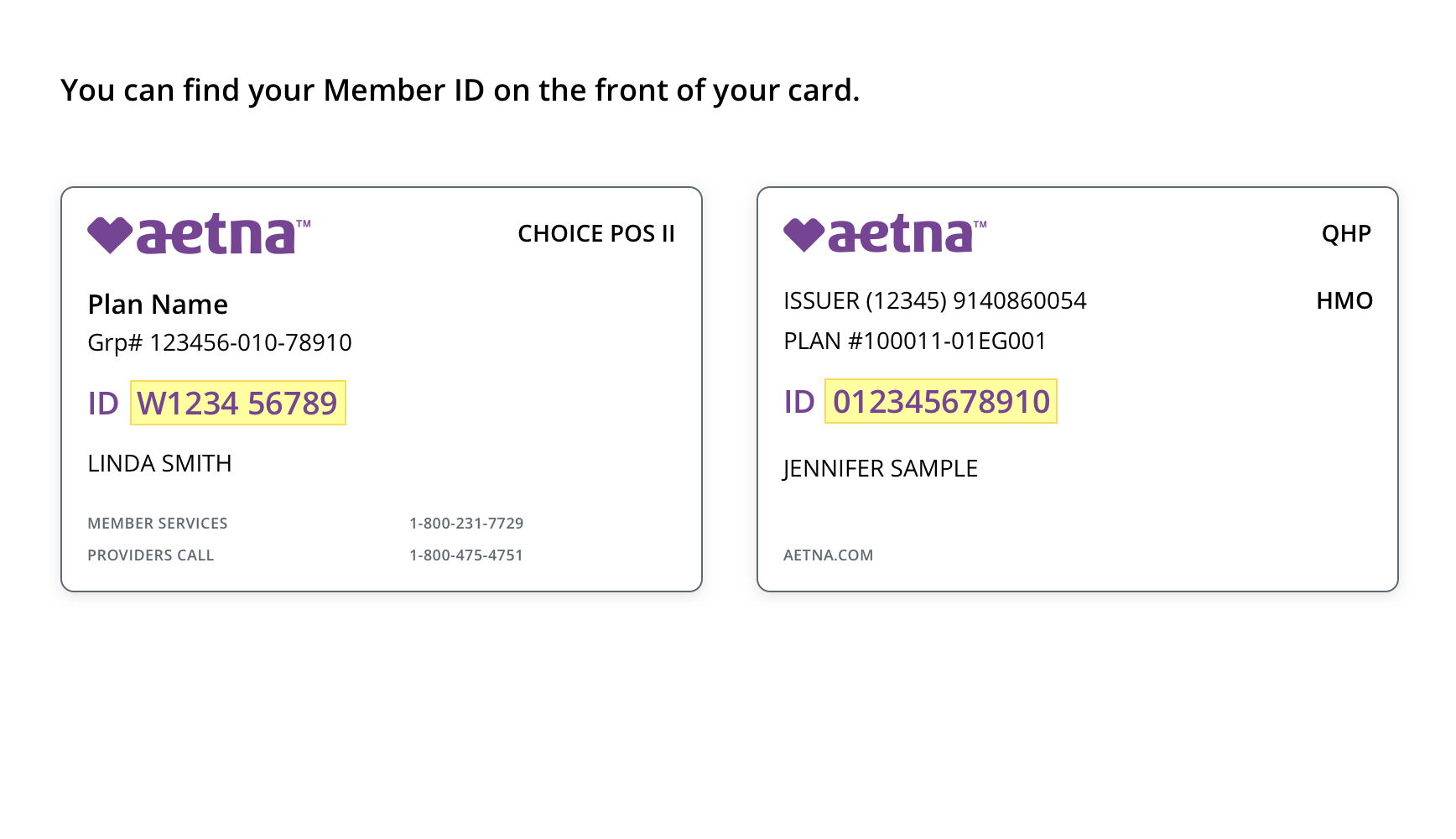
- Review the Patient's Insurance Card: Most modern insurance cards clearly list a "Claims Submission" address or an EDI Payer ID on the back of the card. If you see a specific ID listed there, use it regardless of what your system defaults to.
- Consult the Aetna Provider Portal: The Aetna "Availity" portal is the definitive source for current EDI requirements. By searching by the specific plan name or member ID prefix, you can retrieve the exact routing instructions for that member.
- Contact Your Clearinghouse: Clearinghouse platforms maintain "payer lists" that are updated daily. If you are uncertain, your clearinghouse can often perform a lookup based on the payer name and the patient’s state.
- Use Payer ID Search Tools: Most major clearinghouses (such as Change Healthcare, Office Ally, or Availity) provide a searchable database of Payer IDs. If you enter "Aetna" into the search, you will likely see a list of results filtered by state and product type.
Comparison of Common Aetna-Related Payer ID Scenarios
The following table provides a breakdown of how Payer IDs vary based on the specific nature of the plan. Always verify these against the specific card, as plans change.
| Plan Category | Primary Payer ID | Typical Usage Note |
|---|---|---|
| Standard Aetna Commercial | 60054 | Used for most PPO and HMO plans. |
| Aetna Medicare Advantage | 60054/Varies | Often same as commercial, but check prefix. |
| Aetna Better Health (Medicaid) | State-Specific | Usually requires state-specific IDs. |
| Legacy Coventry Plans | Varies | May require original legacy identifiers. |
| Behavioral Health/EAP | 60054/Special | Often routed through same ID, check card. |
Steps to Troubleshoot Claims Rejections
If you receive a rejection code related to a "Payer ID," do not immediately resubmit with a different number. Systematic resubmission of incorrect data can lead to duplicate entries or compliance flags. Follow this diagnostic process instead:
- Analyze the Rejection Report: Look for the specific EDI rejection code. If the code indicates "Invalid Payer," it confirms your clearinghouse cannot find the Payer ID you provided. If it indicates "Payer Not Found at Destination," the ID may be valid, but the payer is not accepting claims for that specific patient type at that ID.
- Check the Member ID Prefix: Aetna often uses prefixes on member IDs (the first three characters) to route claims. Ensure that the prefix on the patient's card matches the Payer ID you are using in your software.
- Verify Billing Provider Information: Sometimes, a rejection is not about the Payer ID, but about the billing provider's NPI (National Provider Identifier) not being registered with that specific Aetna network. Check your provider enrollment status.
- Consult the Clearinghouse Audit Trail: Your clearinghouse provides logs that show exactly what was transmitted. Review the log to see if the Payer ID was stripped or modified during transmission.
Important Considerations for 2026 Operations
As of 2026, the shift toward real-time adjudication means that accurate Payer ID usage is more critical than ever. Clearinghouses are increasingly using automated validation tools that stop claims before they even reach the payer if the Payer ID and the patient's plan type do not align.
Providers should also be aware that Aetna has increasingly centralized many of its back-end systems. While this has simplified the landscape, it has also resulted in the deprecation of several older, "niche" Payer IDs. If you have a legacy billing setup that has been running for five or more years without review, it is highly recommended to perform an audit of your payer database. You may be using an deprecated ID that is currently being "forwarded" by your clearinghouse, which adds unnecessary latency to your claims processing.
Frequently Asked Questions
Is 60054 the only Payer ID I should use for Aetna?
No. While 60054 is the primary ID for standard commercial Aetna business, it is not universal. Always check the back of the patient's insurance card, as specific Medicare, Medicaid, or delegated health plans under the Aetna umbrella may require different routing IDs.
What should I do if the Payer ID on the card doesn't work?
If a Payer ID provided on an insurance card results in a rejection, contact the provider services number listed on the card. Ask them specifically for the "EDI Payer ID for electronic claims submission." Ensure you clarify whether you are submitting a professional (1500) or institutional (UB04) claim.
How often should I update my Payer ID list in my billing software?
It is best practice to review your internal payer master list every quarter. Payer IDs rarely change, but mergers, acquisitions, and the consolidation of administrative platforms can lead to the retirement of older IDs or the introduction of new, more efficient routing numbers.
Do I need a different Payer ID for Aetna Behavioral Health claims?
Often, Aetna Behavioral Health claims are routed through the same 60054 ID as medical claims. However, some specific EAP (Employee Assistance Program) plans or carved-out behavioral networks may require a different identifier. Always verify the specific plan details in your practice management system.
Can I use the same Payer ID for Aetna across all states?
For the main commercial Aetna products, yes, 60054 is generally applicable nationwide. However, this is not true for Aetna’s Medicaid (Better Health) plans, which are highly localized and almost always require state-specific Payer IDs.
Next Actions for Providers
To ensure seamless billing, perform an audit of your top 10 most frequent Aetna patient plans this week. Compare the Payer ID currently saved in your software against the ID listed on the physical or digital insurance card for those patients. If you find discrepancies, update your system’s payer database immediately. If you are consistently experiencing rejections for a specific plan type, reach out to your clearinghouse representative to confirm the current electronic routing requirements for that specific Aetna network. By maintaining an accurate, updated list of Payer IDs, you can significantly reduce the administrative burden of manual claim corrections and improve your practice's overall revenue cycle health.