Aetna offers a variety of supplemental insurance products designed to bridge the gaps left by primary health insurance, including Medicare Supplement plans (Medigap) and specialized health-focused indemnity policies. These plans help policyholders manage out-of-pocket medical costs such as deductibles, copayments, and coinsurance, as well as specific life and accident-related financial obligations.
The Role of Supplemental Insurance in Modern Healthcare
Primary health insurance, whether provided through an employer, the Health Insurance Marketplace, or federal programs like Medicare, rarely covers 100% of medical expenses. Deductibles, copayments, and coinsurance amounts can accumulate quickly, especially during periods of chronic illness or unexpected surgery. Supplemental plans function as a secondary layer of financial protection.
Unlike comprehensive major medical insurance, supplemental plans—often referred to as "gap" coverage—are usually indemnity-based. This means they pay a set amount for specific covered events or services, regardless of the actual cost incurred. For individuals on Medicare, Aetna offers Medicare Supplement insurance plans, which are standardized by the federal government and state regulations to cover the "gaps" in Original Medicare (Part A and Part B). For those under 65 or looking for additional protection, Aetna provides supplemental health products that may include accident, critical illness, or hospital indemnity coverage.
Medicare Supplement (Medigap) Plans
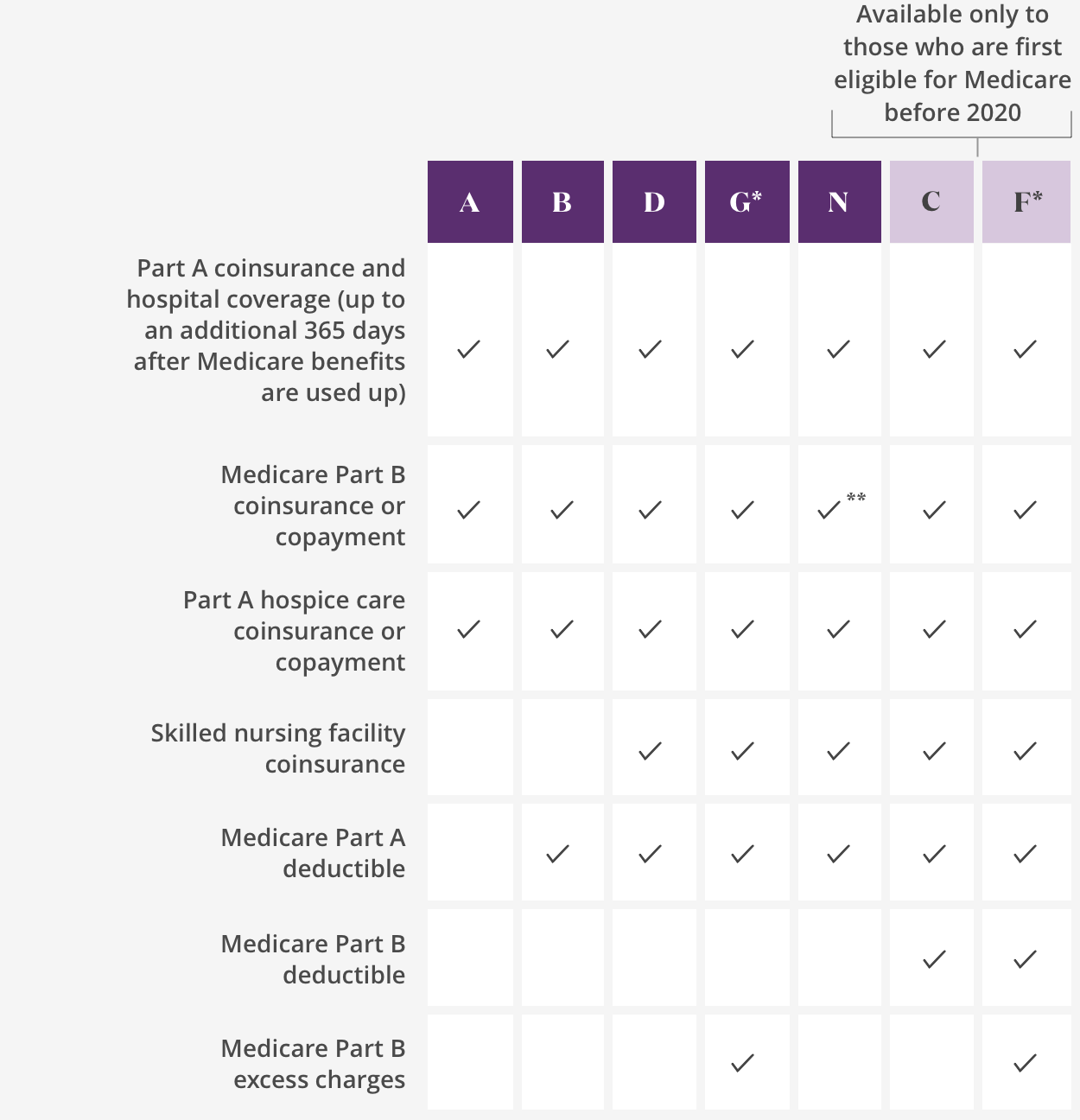
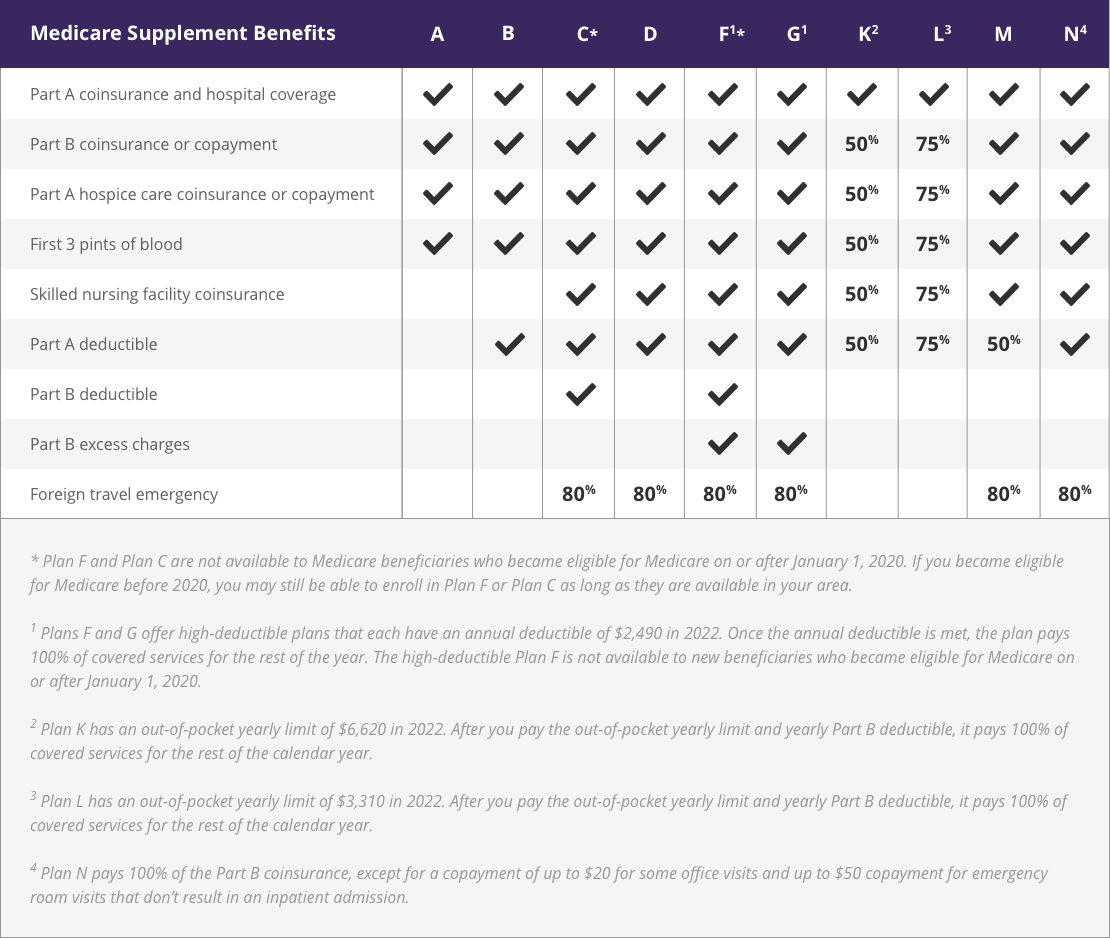
For those enrolled in Original Medicare, Aetna’s Medicare Supplement plans are a primary offering. Because Original Medicare does not cover everything—leaving beneficiaries responsible for Part A deductibles, hospital costs after 60 days, and the 20% coinsurance for Part B services—Medigap plans are designed to fill these holes.
These plans are standardized by letters (Plan A, B, C, D, F, G, K, L, M, and N), though availability varies by state. It is important to note that if you are new to Medicare as of January 1, 2020, you cannot purchase plans that cover the Part B deductible (such as Plan C or F).
- Plan G: Currently one of the most comprehensive options available for new enrollees, covering nearly all out-of-pocket Medicare costs except for the annual Part B deductible.
- Plan N: Offers lower monthly premiums in exchange for copayments for some office visits and emergency room visits, providing a balance between cost and coverage.
To qualify for these plans, you must be enrolled in Medicare Part A and Part B. In most states, the best time to enroll is during your six-month Medigap Open Enrollment Period, which begins the month you are 65 or older and enrolled in Part B. During this window, insurers cannot deny you coverage or charge you more due to pre-existing health conditions (guaranteed issue rights).
Supplemental Health Insurance Options
Beyond the Medicare market, Aetna provides supplemental policies that help individuals and families protect their savings from the unexpected. These plans are designed to be purchased alongside a primary major medical policy.
Hospital Indemnity Insurance
Hospitalization can be expensive, even with comprehensive insurance. Hospital indemnity plans pay a lump sum directly to the policyholder upon admission to a hospital or for daily stays. These funds can be used for any purpose, including paying for high deductibles or non-medical expenses like transportation and child care while a family member is recovering.
Critical Illness and Cancer Insurance
These plans provide a tax-free lump-sum benefit if the policyholder is diagnosed with a covered condition, such as heart attack, stroke, or cancer. The financial burden of a major health event often extends beyond the hospital bill; patients may face significant time away from work and the need for specialized rehabilitation or home care. By receiving a cash payout, policyholders gain the liquidity needed to prioritize recovery without the immediate pressure of mortgage or utility payments.
Accident Insurance
Accidents occur without warning, and the resulting medical costs—from emergency room visits to physical therapy—can be substantial. Accident insurance supplements traditional coverage by paying benefits for specific injuries or treatments, such as fractures, dislocations, or ambulance transportation.
Comparing Supplemental Coverage Needs
Choosing the right supplement requires a clear assessment of your current financial health and your primary insurance plan’s limitations.
| Plan Type | Primary Benefit | Best For |
|---|---|---|
| Medicare Supplement | Covers Part A/B gaps | Seniors/Disabled Medicare enrollees |
| Hospital Indemnity | Per-day/admittance cash | Those with high-deductible health plans |
| Critical Illness | Lump-sum cash payment | Individuals with high health/financial risk |
| Accident Insurance | Coverage for specific injuries | Active families/high-deductible users |
Important Considerations for Enrollment
Before purchasing any supplemental plan, verify the network requirements and benefit triggers. While Medicare Supplement plans are accepted by any provider who accepts Medicare, other supplemental health plans may have different claim submission requirements.
- Review your current primary plan: Check your existing Explanation of Benefits (EOB) from your primary insurer to identify where your out-of-pocket costs are highest.
- Evaluate recurring costs versus potential risk: Calculate the total annual premium cost of the supplemental plan compared to the maximum out-of-pocket liability you face under your primary insurance.
- Check state-specific availability: Not all supplemental products are available in every state. Always check the official Aetna website or a licensed insurance producer to confirm the products available in your zip code.
- Confirm underwriting requirements: Unless you are in a guaranteed issue period (such as the initial Medigap enrollment window), you may be subject to medical underwriting for certain private supplemental health plans.
Understanding Life Insurance Supplements
While often grouped with health insurance, life insurance is a distinct product. Some employers or individual policies offer "accidental death and dismemberment" (AD&D) or "supplemental life" riders. These allow policyholders to increase their death benefit or obtain coverage for specific causes of death (like accidents) to supplement a base life insurance policy.
If you are evaluating supplemental life insurance through an employer, consider the "portability" of the policy. Some group supplemental life plans terminate if you leave the company, while others may allow you to convert the coverage to an individual policy. Always review the policy certificate to understand your rights regarding continuation of coverage.
Frequently Asked Questions
Can I have a Medicare Supplement plan and a Medicare Advantage plan at the same time? No. It is illegal for a company to sell you a Medicare Supplement policy if you are enrolled in a Medicare Advantage (Part C) plan, unless you are switching back to Original Medicare and have already submitted your disenrollment request. You must choose between the two.
Do Aetna supplemental plans cover pre-existing conditions? For Medicare Supplement plans, if you apply during your Medigap Open Enrollment Period, the insurer cannot deny coverage or charge more due to pre-existing conditions. For other supplemental health products, coverage for pre-existing conditions varies by the specific policy terms and your state's regulations.
How do I file a claim for a supplemental health plan? For most Aetna supplemental health products, you or your provider will submit an itemized bill or claim form to the company. Often, an Explanation of Benefits from your primary insurance carrier is required to process the supplemental claim. Always keep copies of all medical bills and correspondence.
Does an Aetna supplemental plan replace my primary insurance? No. Supplemental plans are designed to pay secondary to your primary insurance. They are not considered "minimum essential coverage" under the Affordable Care Act and do not replace the need for major medical insurance.
Can I change my supplemental plan later? You can generally switch your Medicare Supplement plan at any time, but outside of your initial Open Enrollment period, you may be subject to medical underwriting, meaning you could be denied coverage based on your health history depending on your state’s laws.
Next Steps
To determine which Aetna supplemental plan is right for your situation, start by logging into your existing member portal if you are already an Aetna customer, or visit the Aetna official website to search for products available in your state. If you are exploring Medicare Supplement options, use the Plan Finder tool available at Medicare.gov to compare standardized plans. Consult with a licensed insurance agent or a financial advisor to ensure that any new coverage aligns with your long-term financial strategy and provides the specific protection you require.