Aetna Health and Life Insurance Company provides Medicare Supplement Insurance (Medigap) plans available to members of the American Automobile Association (AAA) in select states. These policies are designed to cover the "gaps" in Original Medicare—such as deductibles, copayments, and coinsurance—helping beneficiaries manage out-of-pocket healthcare expenses while maintaining the freedom to see any doctor who accepts Medicare.
Understanding the Role of Medicare Supplement Insurance
Medicare Supplement Insurance, commonly referred to as Medigap, is a private health insurance policy that works alongside Original Medicare (Part A and Part B). While Original Medicare covers a significant portion of inpatient and outpatient care, it does not cover 100% of costs. Beneficiaries are often responsible for deductibles, coinsurance, and copayments, which can accumulate rapidly in the event of a serious health issue.
Aetna Health and Life Insurance Company, a subsidiary of CVS Health, acts as the carrier for these standardized plans. When bundled or associated with an organization like AAA, the insurance provides a pathway for members to access standardized coverage options. It is important to distinguish that Aetna provides the underwriting and the policy, while the AAA affiliation serves as a marketing and member-benefit channel.
Standardization of Medigap Plans
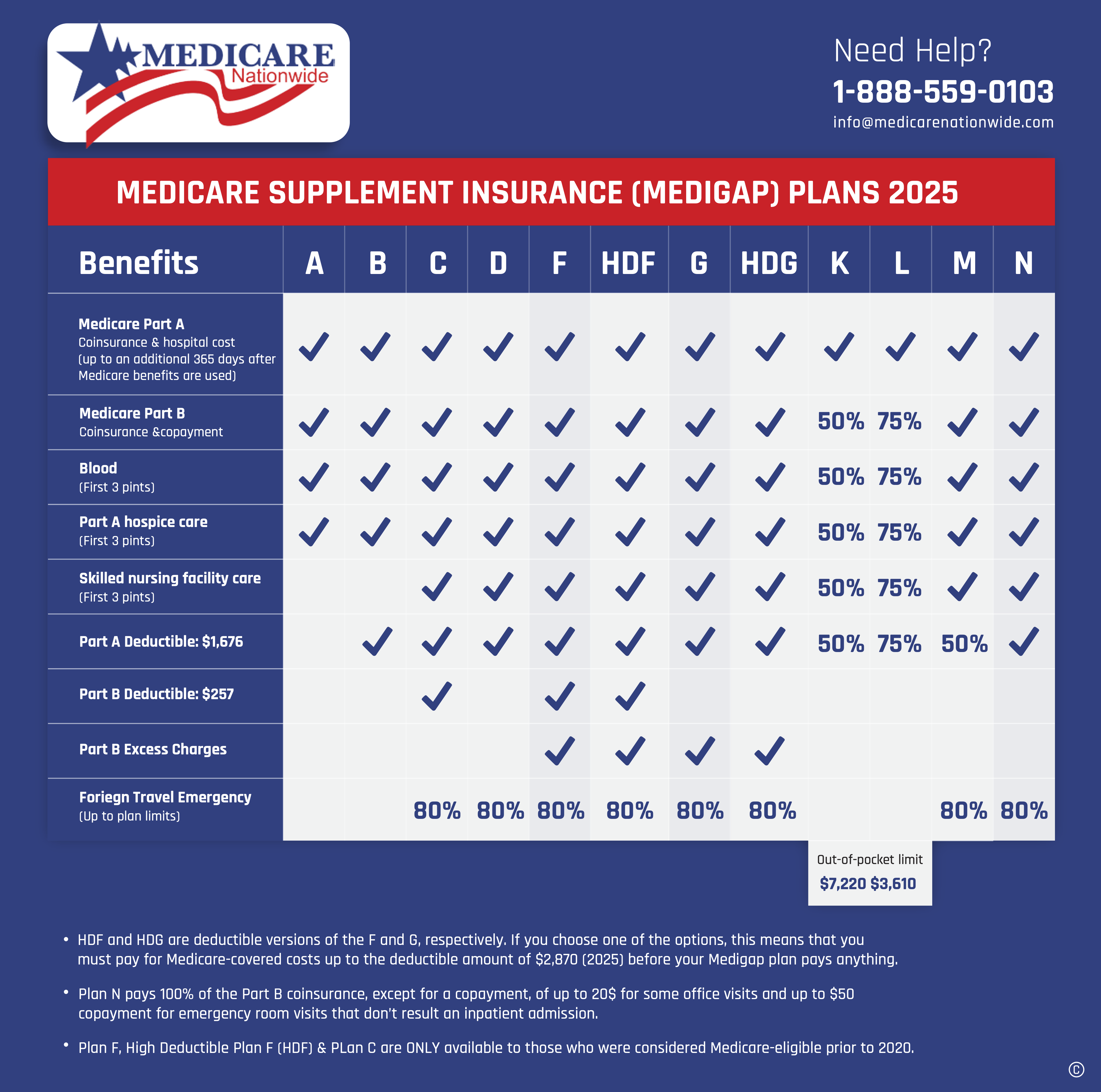
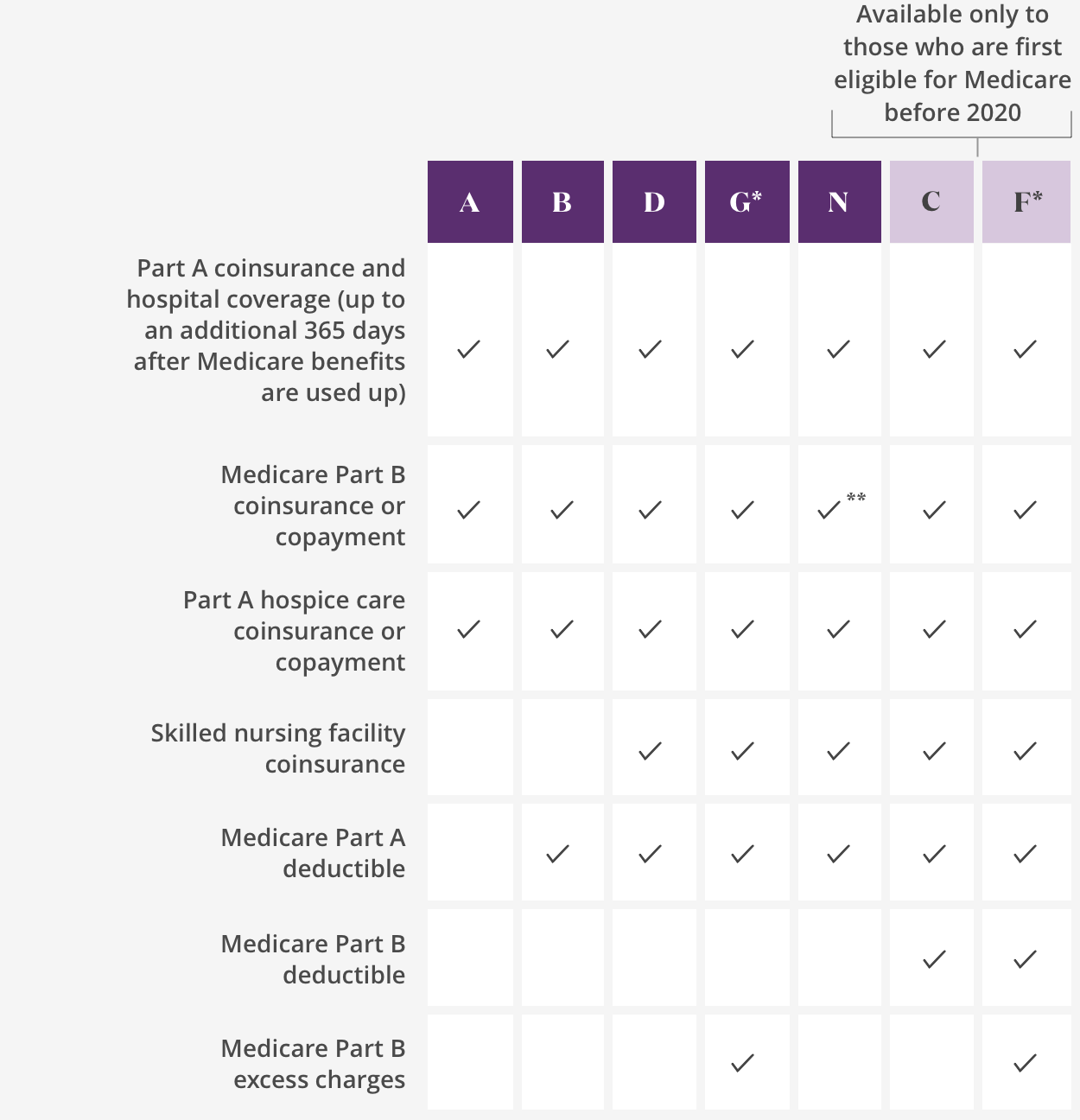
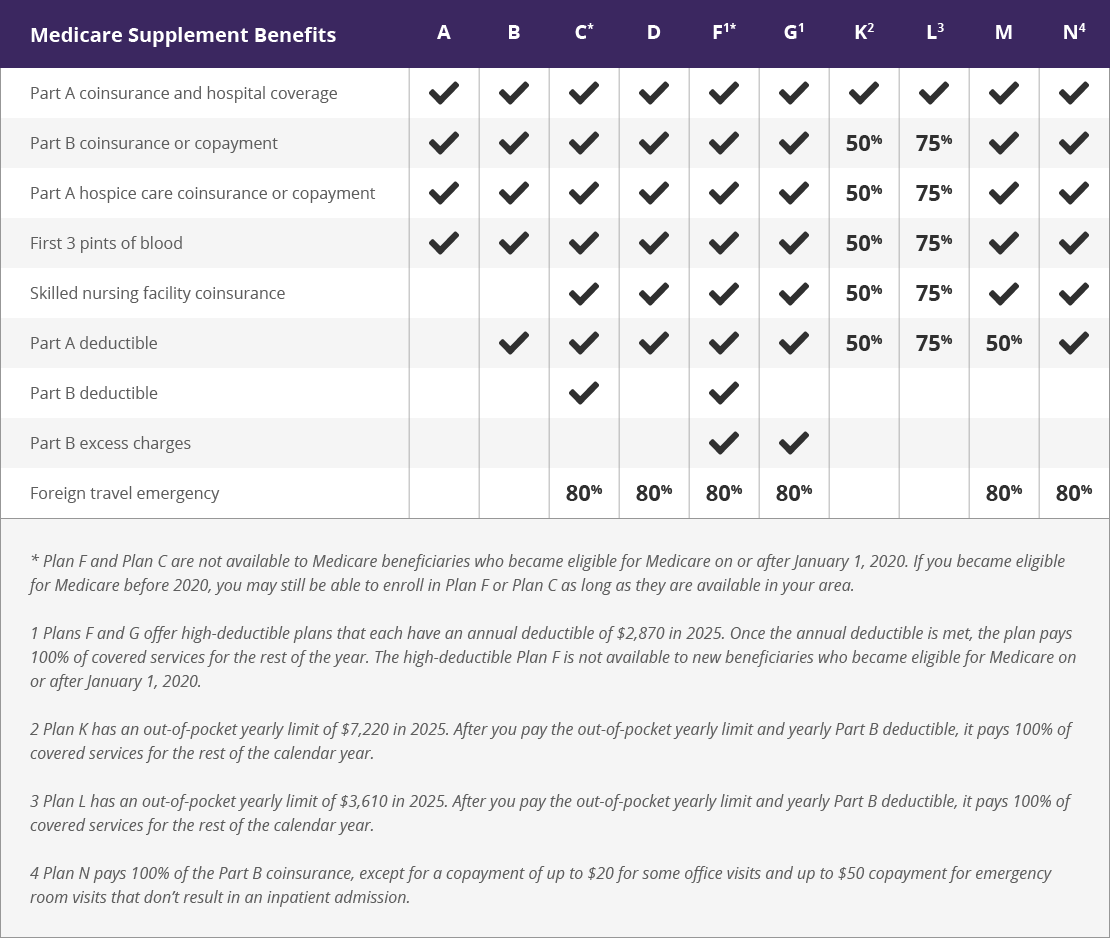
The federal government requires that all Medigap policies be standardized. This means that a Plan G offered by Aetna in one state must provide the exact same basic benefits as a Plan G offered by any other insurance carrier in that same state. The primary differences between carriers, including Aetna, are:
- Monthly Premiums: Carriers have different pricing structures based on their own actuarial data.
- Customer Service and Claims Processing: The ease of managing your policy and getting claims paid.
- Financial Stability: The carrier’s ability to pay future claims.
- Additional Perks: Some insurers offer value-added programs or discounts that do not affect the core medical coverage.
Eligibility and Enrollment Prerequisites
To enroll in an Aetna Health and Life Medicare Supplement plan through an AAA-affiliated program, you must first satisfy federal and state requirements for Medicare eligibility.
- Original Medicare Enrollment: You must be enrolled in both Medicare Part A (Hospital Insurance) and Medicare Part B (Medical Insurance).
- Age Requirements: In most states, you must be 65 or older. However, some states mandate that carriers provide access to Medigap policies for individuals under 65 who qualify for Medicare due to a disability or End-Stage Renal Disease (ESRD).
- Residency: You must reside in the state where the policy is offered and where the Aetna entity is licensed to do business.
- AAA Membership: Since this specific offering is marketed as a AAA member benefit, you must maintain an active membership with your local AAA club to access the specific plans or potential enrollment support provided through that partnership.
The Importance of the Medigap Open Enrollment Period
The most critical time to apply for any Medigap plan, including Aetna offerings, is during your Medigap Open Enrollment Period. This six-month window begins on the first day of the month in which you are both 65 or older and enrolled in Medicare Part B.
During this period, federal law prevents insurance companies from using medical underwriting. This means:
- You cannot be denied coverage due to pre-existing health conditions.
- You cannot be charged higher premiums based on your health status.
- You are guaranteed acceptance into any Medigap plan offered in your state.
If you miss this window, you may be subject to "medical underwriting" in many states, which allows the insurer to review your health history and potentially deny your application or charge you significantly more.
Comparing Common Medigap Plan Types
While Aetna may offer various standardized plans, the most popular options in 2026 remain Plan G and Plan N, as they offer a balance of comprehensive coverage and predictable costs.
| Benefit Category | Plan G | Plan N |
|---|---|---|
| Medicare Part A Coinsurance | 100% | 100% |
| Part B Copayment/Coinsurance | 100% | Up to $20/$50 copay |
| Part A Deductible | 100% | 100% |
| Part B Deductible | Not Covered | Not Covered |
| Part B Excess Charges | 100% | Not Covered |
| Foreign Travel Emergency | Yes | Yes |
Note: Plan N requires copayments for some office visits and emergency room visits, which typically keeps the premium lower than Plan G. Plan G remains the most comprehensive plan currently available for those who turned 65 after January 1, 2020.
Pricing Structures and Rate Increases
Aetna, like all Medigap providers, uses one of three rating methods to determine your premium. Understanding these methods is essential for long-term financial planning:
- Community-Rated: Everyone in the same geographic area pays the same monthly premium, regardless of age.
- Issue-Age-Rated: The premium is based on the age you were when you first purchased the policy. It does not increase as you get older, though it may increase due to inflation or medical cost trends.
- Attained-Age-Rated: Your premium starts lower but increases automatically as you get older.
Consumers should ask their agent which rating method Aetna uses for the specific plan in their area. Regardless of the rating method, premiums can rise annually due to broader healthcare cost adjustments.
Evaluating Aetna as an Insurance Carrier
When selecting an insurer, it is useful to look at the carrier's broader footprint in the senior health market. Aetna Health and Life Insurance Company is a well-established entity with a long history in the Medicare space.
Advantages:
- Financial Strength: Aetna maintains high financial strength ratings from agencies such as A.M. Best and Standard & Poor’s, which is a key indicator of their ability to meet long-term obligations to policyholders.
- Network Independence: Unlike Medicare Advantage plans, Aetna Medicare Supplement plans do not have a "network." You can visit any doctor or hospital in the United States that accepts Medicare.
- Seamless Integration: Aetna’s systems are integrated with Medicare’s electronic crossover process. Once you show your Medicare card and your Aetna ID card, the coordination of benefits often happens automatically.
Considerations:
- Premium Variability: Rates can vary significantly by ZIP code and age. Always compare current year (2026) quotes.
- Administrative Experience: As with any large insurer, customer service experiences can vary based on regional offices and call center volumes.
Frequently Asked Questions
Does my AAA membership provide a discount on Aetna Medigap premiums? The partnership typically focuses on access and enrollment support. While specific discounts may be available in certain jurisdictions or as promotional offers, you should verify if any premium reduction applies to your specific residency and plan selection before enrollment.
Can I switch from a Medicare Advantage plan to an Aetna Medigap plan? You can switch, but it is rarely a simple guaranteed-issue transition. Unless you qualify for a Special Enrollment Period or have "guaranteed issue rights" (e.g., your Medicare Advantage plan is leaving your area), you will likely be subject to medical underwriting. This means Aetna can reject your application based on your medical history.
What if I move to a different state? Medigap policies are portable, but rates may change based on your new location. If you move, you should contact Aetna to update your address and determine if your current plan is available in your new ZIP code at the same price point.
Do Aetna Medigap plans cover prescription drugs? No. Original Medicare does not cover most prescription drugs, and Medigap plans were designed to cover costs associated with Part A and Part B. You would need to enroll in a standalone Medicare Part D prescription drug plan to obtain drug coverage.
How do I file a claim with an Aetna Medicare Supplement plan? In most cases, you do not need to file claims yourself. Medicare will process the claim first and then automatically send the remaining balance to Aetna. If the provider is a Medicare participant, the process is usually entirely transparent to the beneficiary.
Next Actions for Prospective Enrollees
If you are considering an Aetna Medicare Supplement plan through your AAA affiliation, follow these steps to ensure you make an informed decision:
- Review your current healthcare utilization: If you visit doctors frequently or have upcoming procedures, a plan with lower out-of-pocket costs (like Plan G) may be more cost-effective despite a higher monthly premium.
- Request a personalized quote: Visit the official Aetna Medicare website or contact a licensed agent associated with the AAA program to get a quote based on your age and ZIP code for 2026.
- Verify the Medigap Open Enrollment Window: Ensure you are in your six-month window to avoid medical underwriting. If you are outside this window, check your eligibility for guaranteed issue rights.
- Confirm the Drug Plan Strategy: Since Medigap does not cover medications, verify your current prescription drug coverage and ensure you have a separate Part D plan that covers your specific medications at the lowest cost.
- Final Comparison: Compare the Aetna quote against at least two other reputable carriers in your area. While Aetna’s financial reputation is strong, pricing can vary significantly among top-tier carriers.
By following these steps, you can secure coverage that aligns with your financial situation and healthcare needs, utilizing the support available through your AAA membership.