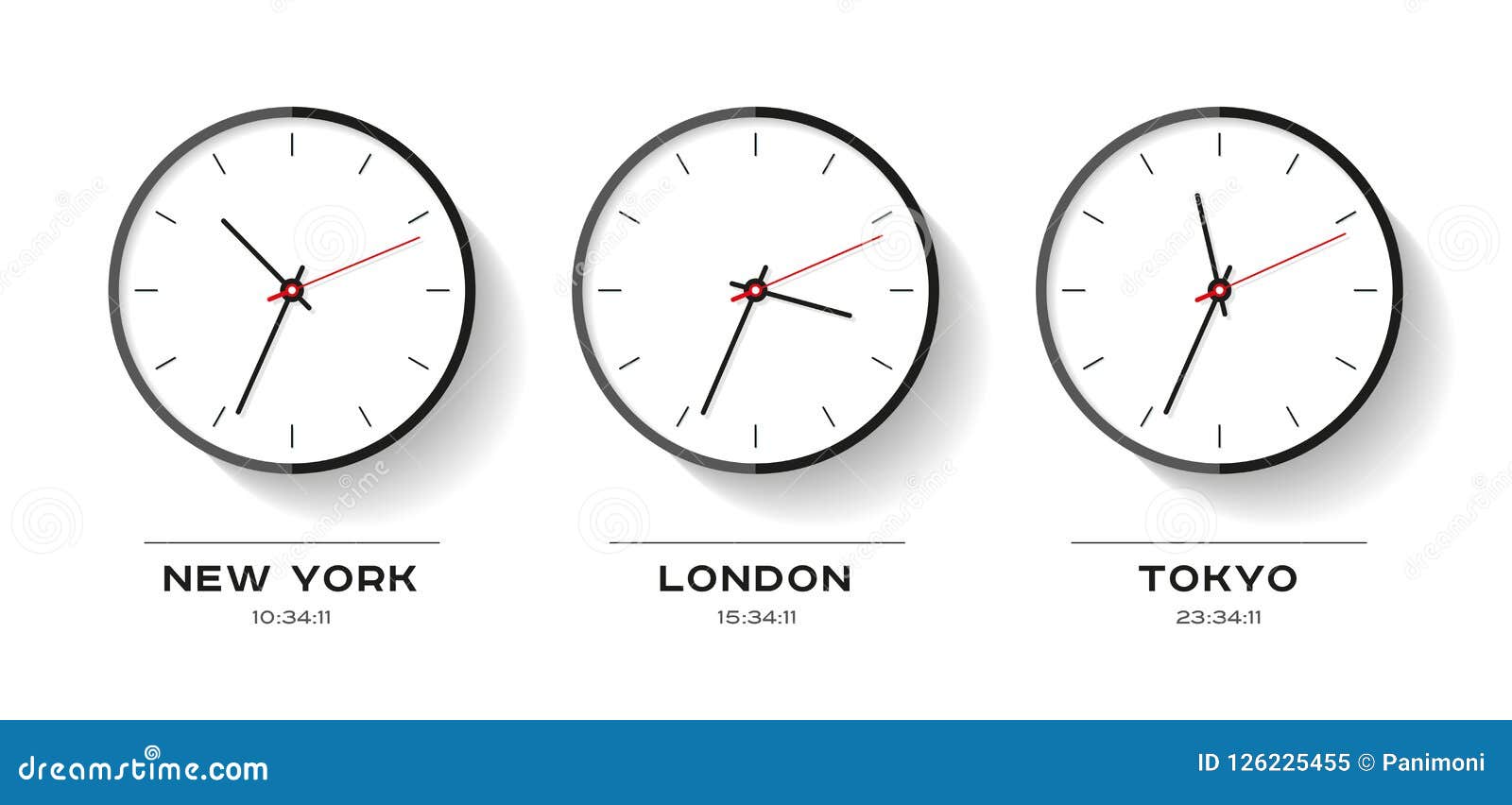
When it is 9:00 AM in London, it is 4:00 AM in New York City. This five-hour time difference is the standard for the majority of the year, as London (GMT/BST) is ahead of New York (EST/EDT). However, because the United Kingdom and the United States shift to Daylight Saving Time on different dates, this gap can occasionally narrow to four hours.
Understanding the Transatlantic Time Gap
To effectively manage schedules between London and New York, one must understand the specific time zones each city occupies. London operates on Greenwich Mean Time (GMT) during the winter months and British Summer Time (BST) during the summer. New York follows Eastern Standard Time (EST) in the winter and Eastern Daylight Time (EDT) in the summer.
As of 2026, the global standard for time measurement remains Coordinated Universal Time (UTC). London is either at UTC+0 (GMT) or UTC+1 (BST). New York is either at UTC-5 (EST) or UTC-4 (EDT). When you calculate the distance between these points on the longitudinal grid, the result is typically a five-hour separation.
For a professional in London starting their workday at 9:00 AM, their counterpart in New York is likely still asleep, as it is the very early morning hours of 4:00 AM. This staggering difference creates a unique set of challenges for international business, media broadcasting, and personal communication. Understanding the nuances of this "transatlantic corridor" is essential for anyone operating across these two global hubs.
The Impact of Daylight Saving Time in 2026
The most common source of confusion regarding "9am London time in New York" is the period when the two countries are out of sync due to Daylight Saving Time (DST) transitions. In the United States, the Energy Policy Act of 2005 dictates that DST begins on the second Sunday in March and ends on the first Sunday in November. In the United Kingdom, the transition follows the European pattern of changing on the last Sunday of March and the last Sunday of October.
In 2026, these dates create two "window periods" where the time difference is only four hours instead of the usual five:
- The Spring Gap: From March 8, 2026 (when the US moves clocks forward) until March 29, 2026 (when the UK moves clocks forward), New York is only four hours behind London. During this time, 9:00 AM in London is 5:00 AM in New York.
- The Autumn Gap: From October 25, 2026 (when the UK moves clocks back) until November 1, 2026 (when the US moves clocks back), the difference briefly returns to four hours. Again, 9:00 AM in London becomes 5:00 AM in New York.
Outside of these specific dates, the five-hour rule remains the reliable standard. Failing to account for these three-week and one-week discrepancies can lead to missed meetings, failed trades, and logistical errors in shipping or travel.
Business and Financial Market Synchronization
The London-New York relationship is perhaps the most significant financial axis in the world. The overlap between the London Stock Exchange (LSE) and the New York Stock Exchange (NYSE) is a critical period for global liquidity and price discovery.
The Trading Day Breakdown
The LSE typically opens at 8:00 AM London time, which is a quiet 3:00 AM in New York. By 9:00 AM in London, the UK markets are in full swing, having been open for one hour. At this time, New York traders are still several hours away from the 9:30 AM EST opening bell of the NYSE.
The "Golden Hours" of overlap occur when New York opens (9:30 AM EST / 2:30 PM London time) and continue until the London market closes (4:30 PM London time / 11:30 AM EST). This two-hour window is when the highest volume of trading occurs for dual-listed stocks and currency pairs like the GBP/USD (the "Cable").
Corporate Communication Etiquette
If you are in London and need to reach someone in New York at 9:00 AM, you are calling at 4:00 AM. Unless the matter is an absolute emergency or you are dealing with a 24-hour operations center (such as a global NOC or a late-shift trading desk), this is generally considered inappropriate.
For London-based professionals, the "reachability window" for New York colleagues typically starts around 1:00 PM or 2:00 PM London time. Conversely, for New Yorkers, the window to reach London before the end of their workday closes around 12:00 PM EST (5:00 PM London time).
Conversion Table: London to New York (Standard 5-Hour Offset)
The following table provides a quick reference for converting various times from London to New York, assuming the standard five-hour difference is in effect.
| London Time (GMT/BST) | New York Time (EST/EDT) | Context/Relevance |
|---|---|---|
| 12:00 AM (Midnight) | 7:00 PM (Previous Day) | End of day in London; Evening in NY |
| 3:00 AM | 10:00 PM (Previous Day) | Middle of night in London; Late night NY |
| 6:00 AM | 1:00 AM | Early London wake-up; Late NY night |
| 9:00 AM | 4:00 AM | Start of London workday; Early AM NY |
| 12:00 PM (Noon) | 7:00 AM | London Lunch; NY waking up |
| 1:00 PM | 8:00 AM | Midday London; NY commute start |
| 2:00 PM | 9:00 AM | Afternoon London; NY office start |
| 3:00 PM | 10:00 AM | Peak London productivity; NY morning |
| 5:00 PM | 12:00 PM | London end of day; NY lunch break |
| 8:00 PM | 3:00 PM | London evening; NY mid-afternoon |
| 10:00 PM | 5:00 PM | Late London evening; NY end of day |
Practical Challenges of the 4:00 AM Slot
While 9:00 AM in London is a productive start for a UK-based worker, the 4:00 AM New York equivalent presents several logistical hurdles:
1. Data Processing and Backups
Many IT systems in New York are scheduled to run intensive data backups or batch processing during the "quiet hours" between 2:00 AM and 5:00 AM. If a London office attempts to push heavy data loads to a New York server at 9:00 AM London time, they may encounter latency or maintenance windows that are not present during their local afternoon.
2. Live Media and Breaking News
Journalists and newsrooms in London must often wait several hours for a response from official US sources. A press release issued at 9:00 AM in London will not likely see a reaction from New York-based entities until at least 1:00 PM London time (8:00 AM NY). This creates a lag in the global news cycle that digital editors must navigate by preparing content in advance.
3. Logistics and Shipping
For air freight, the time difference is a double-edged sword. A package departing London at 9:00 AM can theoretically arrive in New York the same morning local time, due to the five-hour gain. However, the reverse is not true; a flight leaving New York at 9:00 AM will not arrive in London until the evening or the following morning, effectively "losing" time.
Travel and Jet Lag Management
Traveling between London (LHR) and New York (JFK/EWR) involves crossing five time zones. This journey is one of the busiest flight routes in the world.
Westbound (London to New York)
When you fly from London to New York, you are "gaining" five hours. If you depart London at 9:00 AM, a seven-to-eight-hour flight puts you in New York around 11:30 AM or 12:00 PM local time. Travelers often find the westbound journey easier to manage because the day is lengthened, allowing them to stay awake until a normal New York bedtime.
Eastbound (New York to London)
The return trip is more difficult for the human circadian rhythm. Most flights from New York to London are overnight "red-eyes." If you leave New York at 9:00 PM, you arrive in London at approximately 9:00 AM the following morning. Because your body feels like it is 4:00 AM, but the local environment is active and bright at 9:00 AM, jet lag can be severe.
Tips for Synchronization
To minimize the impact of the five-hour shift:
- Adjust Early: Three days before your trip, start moving your bedtime by one hour each night toward your destination's time zone.
- Hydration: The dry air in pressurized cabins exacerbates the physical symptoms of time zone changes.
- Light Exposure: Upon arriving in London at 9:00 AM, seek out natural sunlight immediately. This helps reset your internal clock by suppressing melatonin production.
Technical Coordination and Tools
For developers and project managers, "9am London time" is often a milestone for deployment or handovers. To avoid errors, it is standard practice to use UTC (Coordinated Universal Time) as the "source of truth."
Digital Tools for Accuracy
Rather than relying on mental math, which is prone to error during DST transitions, professionals should use dedicated tools:
- World Clock Meetings: Websites like Time and Date allow users to input multiple cities to see the exact overlap.
- Calendar Integration: Both Google Calendar and Microsoft Outlook allow for "Secondary Time Zones." Setting your calendar to show both London and New York side-by-side ensures you never schedule a 9:00 AM London meeting thinking your New York colleague will be available.
- Operating System Clocks: On macOS and Windows, you can add additional clocks to the taskbar or menu bar. Keeping a permanent "New York" clock visible is a simple way to maintain constant awareness of the time difference.
The Role of NIST and the Royal Observatory
For those requiring sub-second precision, such as in high-frequency trading or scientific research, referencing the National Institute of Standards and Technology (NIST) for US time and the Royal Observatory Greenwich for UK time is essential. These institutions maintain the atomic clocks that define the time zones we use daily.
Frequently Asked Questions
Is London always 5 hours ahead of New York?
No. While five hours is the standard, it changes to four hours for a few weeks each year. This happens because the United States usually starts Daylight Saving Time earlier in March than the United Kingdom and ends it later in October/November.
What is 9am London time in EST?
9:00 AM London time is 4:00 AM EST. If London is on BST (summer time) and New York is on EST (which only happens during the one-week gap in late October), the difference would be six hours, making it 3:00 AM EST. However, under normal winter conditions, it is 4:00 AM.
Why does the time difference matter for the stock market?
The time difference determines the "overlap" period. Since the London market is five hours ahead, it is already open when New York starts its day. The period from 9:30 AM to 11:30 AM New York time is when both markets are active, leading to higher trading volumes and more price volatility.
Can I call someone in New York at 9am London time?
Unless you have prior an agreement or it is a personal emergency, you should avoid calling. At 4:00 AM, most people in New York are asleep. It is better to wait until at least 1:00 PM London time (8:00 AM New York time) for professional calls.
How does the time difference affect flight durations?
The time difference doesn't change how long the plane is in the air, but it changes your arrival time. Going to New York (West), you "gain" time and arrive only a few hours after you left (according to the clock). Going to London (East), you "lose" time and often arrive the next calendar day.
What time zone is London in right now?
In 2026, London is in GMT (UTC+0) from January 1 to March 29 and from October 25 to December 31. From March 29 to October 25, it is in BST (UTC+1).
Final Recommendations for Seamless Coordination
To master the 9:00 AM London to 4:00 AM New York conversion, adopt a "check-then-act" policy. Always verify the current DST status of both regions before scheduling critical events. If you are working in a global team, establish a shared team clock set to UTC to eliminate the ambiguity of local time shifts. For personal travel, remember that while your watch might only move five hours, your biological clock may take several days to fully catch up to the new reality of the transatlantic timeline.