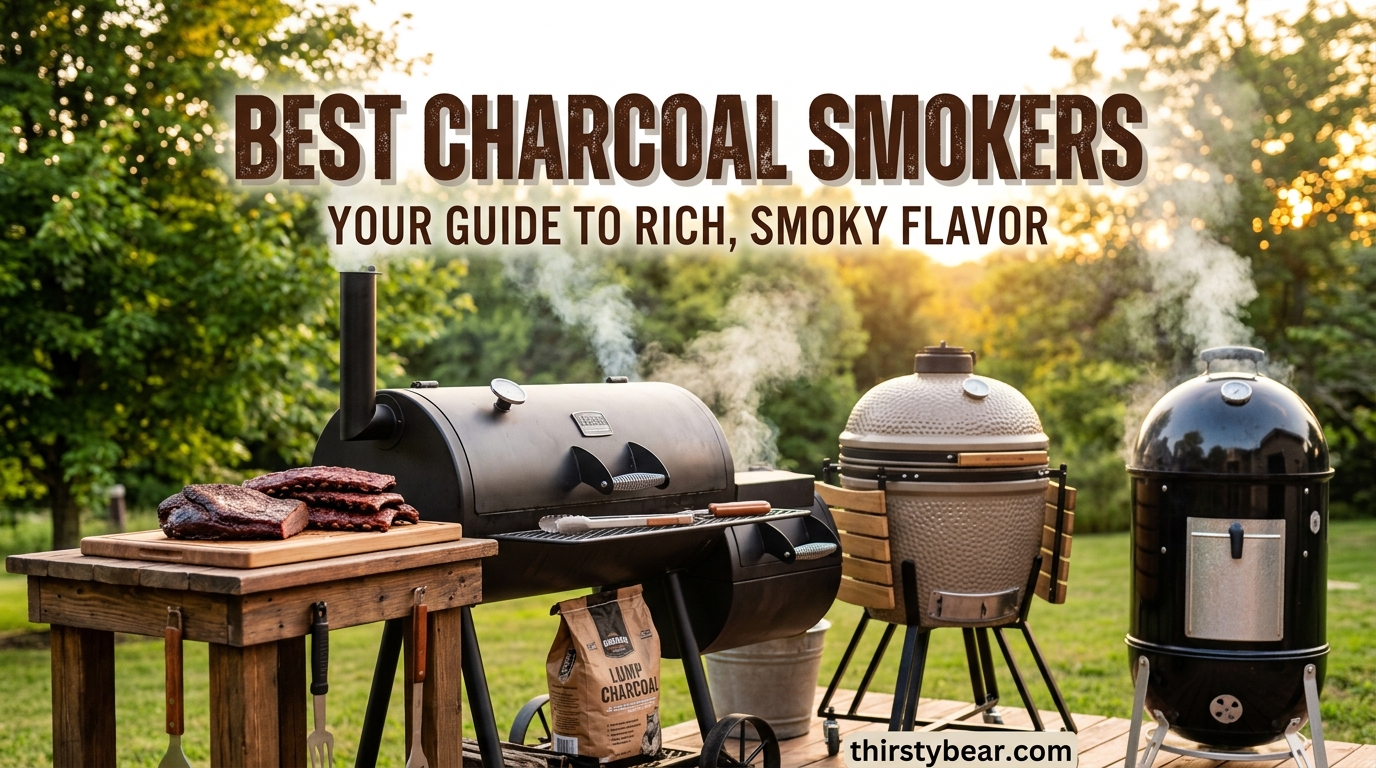
Choosing the right smoker depends on balancing fuel type, thermal stability, capacity, and your personal cooking style, whether you prefer the hands-on control of traditional offset barrels or the set-and-forget convenience of modern digital pellet cookers.
Purchasing a barbecue smoker is an investment in outdoor cooking that requires matching your culinary ambitions with the right equipment. The market features a wide spectrum of designs, ranging from traditional offset stick burners that demand constant attention to advanced pellet grills that regulate temperature with computer precision. Navigating this landscape means understanding how different heating mechanisms, materials, and construction qualities impact heat retention, smoke flavor, and overall ease of use. This review guide evaluates seven top-performing outdoor cookers across various categories to help you select a model that suits your backyard requirements, fuel preferences, and budget.
Understanding Smoker Categories and Fuel Types
Before diving into specific product evaluations, it is essential to understand the primary categories of smokers available on the market. Each fuel source alters the cooking process, flavor profile, and operational labor differently. Selecting a smoker begins with determining how much time you are willing to invest tending a fire versus managing a digital controller.
Offset Barrel Smokers
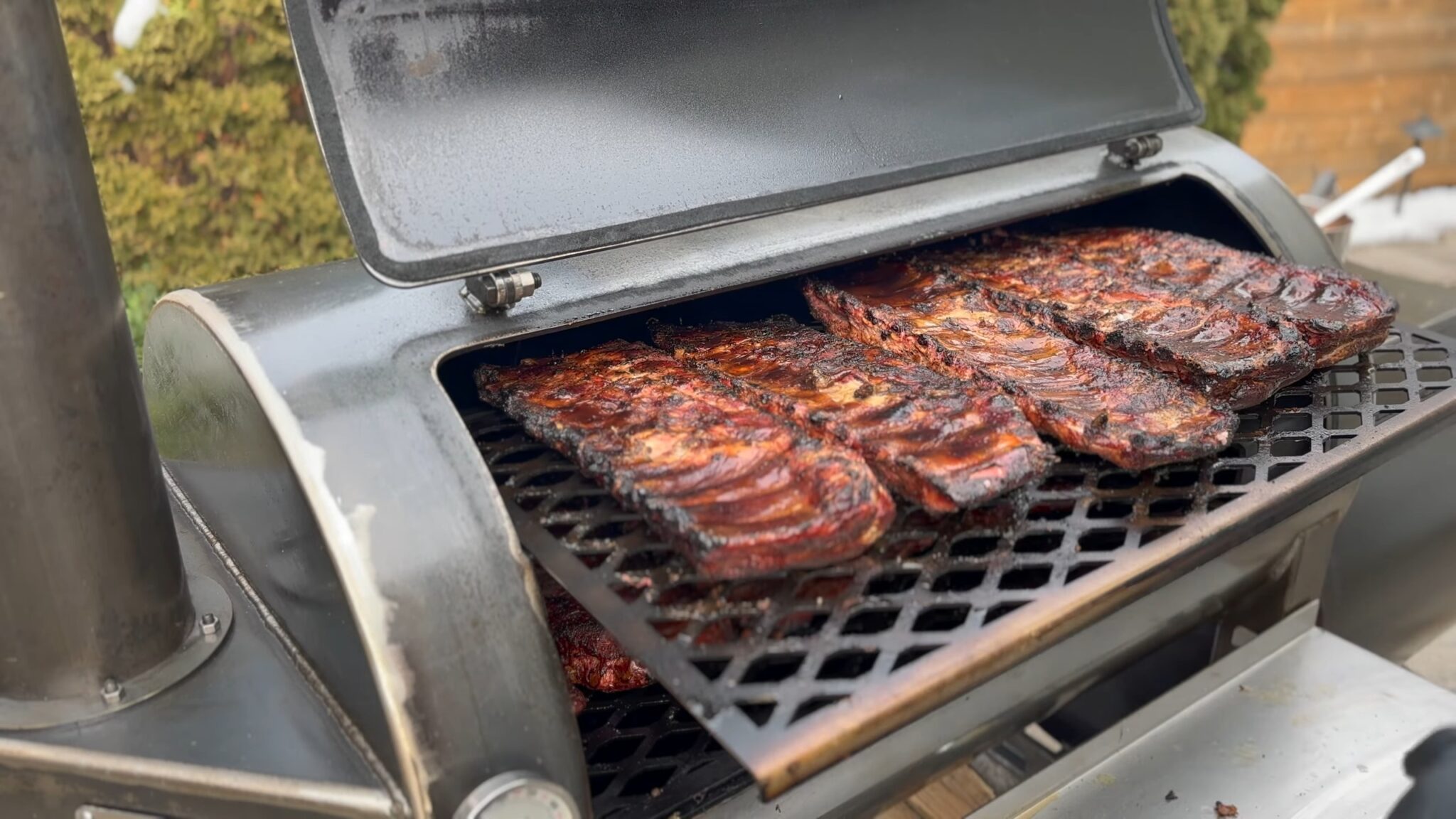
Offset smokers feature an attached firebox on the side, separate from the main cooking chamber. Heat and smoke travel across the meat before exiting through a stack. This design produces authentic, clean blue smoke and allows for massive cooking capacities. However, offset cookers require a steep learning curve. Maintaining a stable temperature demands continuous monitoring, fire management, and wood addition. High-end offset models feature thick-gauge steel that retains heat efficiently, whereas thinner budget models struggle with temperature swings in cold or windy weather.
Pellet Smokers
Pellet grills and smokers burn compressed hardwood sawdust pellets fed automatically from a hopper into a fire pot via an auger. An internal computer and temperature probe regulate the auger speed to maintain precise cooking temperatures, much like an indoor oven. This category appeals to backyard cooks who want authentic wood-fired flavor without babysitting a fire. Pellet units excel at low-and-slow smoking as well as moderate-temperature roasting and baking, though they require an electrical power source and steady supplies of specialized fuel pellets.
Vertical Water Smokers (Bullet Smokers)
Vertical water smokers, often referred to as bullet smokers, use a cylindrical vertical chamber with a water pan positioned between the heat source and the cooking grates. The water pan stabilizes internal temperatures and introduces moisture into the cooking environment, helping keep meats tender. These units are compact, highly fuel-efficient, and budget-friendly, making them a popular choice for beginners entering the world of barbecue.
Ceramic Kamado Smokers
Kamado-style cookers derive from ancient Asian earthenware cooking vessels. Built from thick, heavy-duty ceramics, these egg-shaped cookers offer exceptional thermal efficiency and moisture retention. A small amount of lump charcoal can burn efficiently for hours inside a kamado, while draft vents at the top and bottom provide precise airflow control. Kamado cookers are remarkably versatile, doubling as high-temperature pizza ovens and grills alongside their primary function as low-and-slow smokers.
Examining the 7 Best Smokers
To provide a comprehensive assessment, we have evaluated seven notable smokers representing different categories, construction materials, and price points. Each option brings distinct advantages to the patio.
1. Traeger Ironwood XL (Best Pellet Smoker)
The Traeger Ironwood XL represents the modern evolution of automated wood-pellet cooking. Built with dual-wall insulation, it maintains consistent internal temperatures even in colder climates.
- Key Features: WiFIRE technology for remote smartphone monitoring and control, Downdraft Exhaust system for optimal smoke circulation, Super Smoke mode, and a pellet sensor.
- Performance: The Ironwood XL excels at temperature stability. The digital controller maintains steady heat within a few degrees of the set point. The smoke flavor is cleaner and milder than an offset stick burner, which suits poultry and pork shoulder exceptionally well.
- Pros: Exceptional ease of use, massive cooking capacity, intuitive smartphone application, and easy ash cleanout system.
- Cons: Requires a nearby electrical outlet, higher price point, and relies heavily on proprietary or specialized hardwood pellets.
2. Weber Smokey Mountain Cooker 22-Inch (Best Vertical Water Smoker)
The Weber Smokey Mountain (WSM), particularly the 22-inch model, is an iconic industry standard known for its simplicity and reliability.
- Key Features: Porcelain-enameled steel construction, built-in silicone thermometer grommet, heavy-duty charcoal chamber, and a large water pan.
- Performance: Despite its lack of electronics, the WSM is remarkably thermally stable. Once the bottom vents are dialed in, it can run for up to 12 hours on a single load of charcoal and wood chunks without adjustment.
- Pros: Highly affordable, produces deep and authentic smoke rings, highly portable, and built to last for decades.
- Cons: Manual temperature regulation requires practice; adding water or charcoal mid-cook requires disassembling the middle cooking sections.
3. Oklahoma Joe's Highland Offset Smoker (Best Traditional Offset)
For purists seeking the classic Texas-style barbecue experience, the Oklahoma Joe's Highland offers heavy-duty construction at an accessible price point.
- Key Features: Heavy-gauge steel body, professional-grade temperature gauge, multiple dampers for heat control, and a convenient front shelf.
- Performance: The Highland rewards attentive pitmasters with exceptional smoke flavor and generous cooking space. The thick steel holds radiant heat well once preheated properly with a hardwood bed.
- Pros: Authentic stick-burner experience, heavy construction, affordable entry point for offset cooking, and large cooking grate area.
- Cons: Factory seals can leak smoke, requiring aftermarket high-temp gaskets; demands constant fire management and wood-splitting labor.
4. Big Green Egg Large (Best Ceramic Kamado)
The Large Big Green Egg remains the benchmark for ceramic kamado cookers, offering unmatched versatility and fuel efficiency.
- Key Features: Advanced ceramic exterior shell, precision stainless steel top draft vent, dual-function metal top, and a lifetime warranty on ceramic components.
- Performance: Thermal mass is the defining characteristic here. The ceramic walls absorb and radiate heat evenly from all directions. It excels at smoking brisket at 225°F for 16 hours or searing steaks at 750°F.
- Pros: Incredible fuel efficiency, highly durable construction, multi-functional (smoker, grill, oven), and excellent moisture retention.
- Cons: Heavy and fragile if dropped; requires specialized lump charcoal; accessories like convection plates are sold separately.
5. Camp Chef SmokePro DLX (Best Value Pellet Smoker)
The Camp Chef SmokePro DLX delivers automated pellet cooking convenience without the premium price tag associated with high-end smart grills.
- Key Features: Dual meat probes, dual LED temperature readout, patented ash cleanout system, and a generous lower rack.
- Performance: The PID controller manages temperature swings effectively. The patented ash cleanout cup is a standout operational feature, allowing users to dump spent ash in seconds without vacuuming the fire pot.
- Pros: Excellent value for money, reliable temperature control, very easy cleanup, and compatible with optional sear boxes.
- Cons: Lacks advanced Wi-Fi connectivity on the base model; construction steel is thinner than premium alternatives.
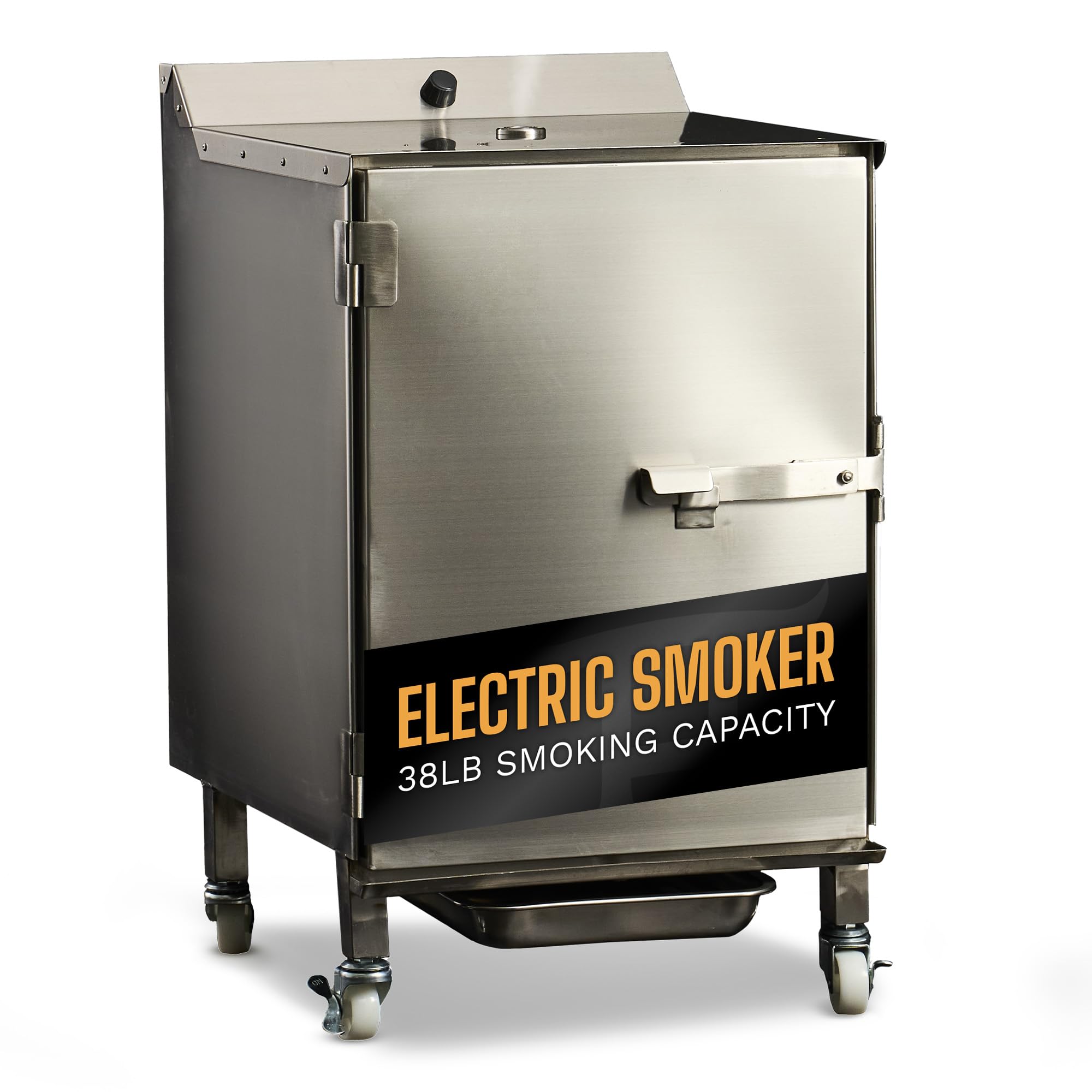
6. Masterbuilt Digital Electric Smoker (Best Plug-and-Play Electric)
The Masterbuilt Digital Electric Smoker offers a straightforward, low-effort entry into smoking food using standard household electricity.
- Key Features: Digital control panel for temperature and time settings, four chrome-coated smoking racks, side wood-chip loading system, and fully insulated cabinet.
- Performance: Electric smokers require zero fire management. You plug the unit in, set the digital thermostat, and add wood chips to the side loader. It produces consistent results for fish, cheese, ribs, and poultry.
- Pros: Extremely easy to operate, highly budget-friendly, excellent for cold smoking or low-temperature fish, and compact footprint.
- Cons: Cannot achieve high temperatures for searing; produces a lighter smoke flavor compared to wood or charcoal; vulnerable to moisture and electrical wear over time.
7. Pit Barrel Cooker 18-Inch (Best Drum Smoker)
The Pit Barrel Cooker utilizes a cylindrical vertical drum design combined with a proprietary hanging method to cook meats faster and more evenly.
- Key Features: 18-gauge steel drum, eight stainless steel rebar hooks, charcoal basket, and a horseshoe-themed stability stand.
- Performance: Instead of laying meat flat on grates, the Pit Barrel system hangs briskets, ribs, and chicken vertically from steel rods. This promotes fat-rendering and allows juices to drip directly onto the charcoal, creating natural convection smoke flavor.
- Pros: Fast cooking times, simple setup with preset intake vents, highly engaging cooking method, and rugged build quality.
- Cons: Less precise temperature control in changing winds; hanging food requires specific hooks rather than traditional flat placement.
| Smoker Model | Primary Fuel Type | Category | Best Suited For | Key Strength |
|---|---|---|---|---|
| Traeger Ironwood XL | Hardwood Pellets | Pellet Grill | Convenience-focused cooks | Advanced Wi-Fi control and insulation |
| Weber Smokey Mountain 22" | Charcoal & Wood Chunks | Vertical Water | Traditional purists on a budget | Proven reliability and fuel efficiency |
| Oklahoma Joe's Highland | Wood Splits & Charcoal | Offset Barrel | Dedicated backyard pitmasters | Authentic stick-burner flavor |
| Big Green Egg Large | Lump Charcoal | Ceramic Kamado | Versatile outdoor chefs | Superior thermal mass and multi-cooking |
| Camp Chef SmokePro DLX | Hardwood Pellets | Pellet Grill | Value-seeking buyers | Patented ash cleanout system |
| Masterbuilt Digital Electric | Electricity & Wood Chips | Electric Cabinet | Beginners and cold-smokers | Plug-and-play simplicity |
| Pit Barrel Cooker 18" | Charcoal Briquettes | Drum Cooker | Fast, flavorful rib and meat cooking | Unique hanging technique |
Key Factors to Consider Before Buying
Selecting the best smoker requires balancing several practical variables against your personal cooking habits. Evaluating these factors prevents buyer's remorse and ensures your investment delivers years of delicious barbecue.
Capacity and Cooking Area
Consider how many people you typically cook for. If you only prepare meals for a family of four, a compact vertical water smoker or standard pellet grill provides ample space. However, if you regularly host neighborhood gatherings or compete in backyard barbecue competitions, look for models with multi-tier grates or large primary cooking surfaces, such as the Traeger Ironwood XL or Oklahoma Joe's Highland.
Build Quality and Materials
The materials used in construction dictate how long a smoker will last and how well it handles harsh weather conditions. Heavy-gauge steel, thick ceramic walls, and porcelain-enameled finishes resist rust and retain heat far better than thin, painted sheet metal. Look for tight seals around doors and lids to prevent heat and smoke from escaping uncontrolled.
Maintenance and Cleanup
Different cookers demand varying levels of post-cook maintenance. Pellet grills require regular vacuuming of the fire pot and emptying of the grease management system. Offset smokers require scraping out creosote and ash from the firebox after every few uses. Features like Camp Chef's ash cleanout system significantly reduce the time spent cleaning up after a long cook.
Common Mistakes to Avoid
Avoiding common pitfalls ensures better barbecue results from your first cooking session.
- Chasing the Thermometer: Constantly adjusting vents or digital settings in response to minor temperature fluctuations will ruin a fire. Smokers naturally experience minor temperature cycling; patience yields better results than frantic adjustments.
- Using Low-Quality Fuel: Wet firewood, decayed charcoal, or low-grade wood pellets produce bitter, acrid smoke that ruins meat flavor. Always invest in clean, seasoned hardwood or premium brand-name fuel.
- Neglecting Preheating: Putting meat into a cold smoker leads to uneven cooking times and poor bark development. Allow your cooker to reach target temperature and stabilize for at least 30 minutes before loading food.
Frequently Asked Questions
What is the easiest smoker for a complete beginner?
Pellet smokers and electric cabinet smokers are widely considered the easiest options for beginners because they remove the need for manual fire management and temperature babysitting. You set the desired temperature on a digital panel, and the machine handles the rest.
How much wood or charcoal do I need for a long smoke?
Fuel consumption depends on the outdoor ambient temperature, wind, and the smoker's insulation. As a general rule, a vertical water smoker or kamado cooker uses about 8 to 12 pounds of charcoal for a 10-hour cook, while pellet grills consume roughly one to two pounds of pellets per hour at low temperatures.
Can I use regular firewood in an offset smoker?
Yes, offset smokers are designed specifically for seasoned hardwood splits like oak, hickory, pecan, or fruitwoods such as apple and cherry. Never use pressure-treated lumber, painted wood, or softwoods like pine, which contain toxic resins and foul-tasting compounds.
Do I need a separate meat thermometer?
While many modern pellet smokers include integrated meat probes, having a reliable, instant-read digital thermometer is essential for verifying internal meat temperatures accurately across different thick sections of brisket, pork butt, or poultry.
Conclusion and Final Recommendation
Choosing the right smoker comes down to aligning your available time, cooking environment, and flavor preferences. If you value automated precision and weekend convenience, a quality pellet cooker like the Traeger Ironwood XL or Camp Chef SmokePro DLX delivers fantastic results with minimal effort. If you enjoy the ritual of tending a wood fire and want traditional barbecue flavor, a heavy steel offset or a Weber Smokey Mountain offers an authentic, rewarding pitmaster experience. Assess your lifestyle, budget, and cooking goals to choose the model that fits your patio.