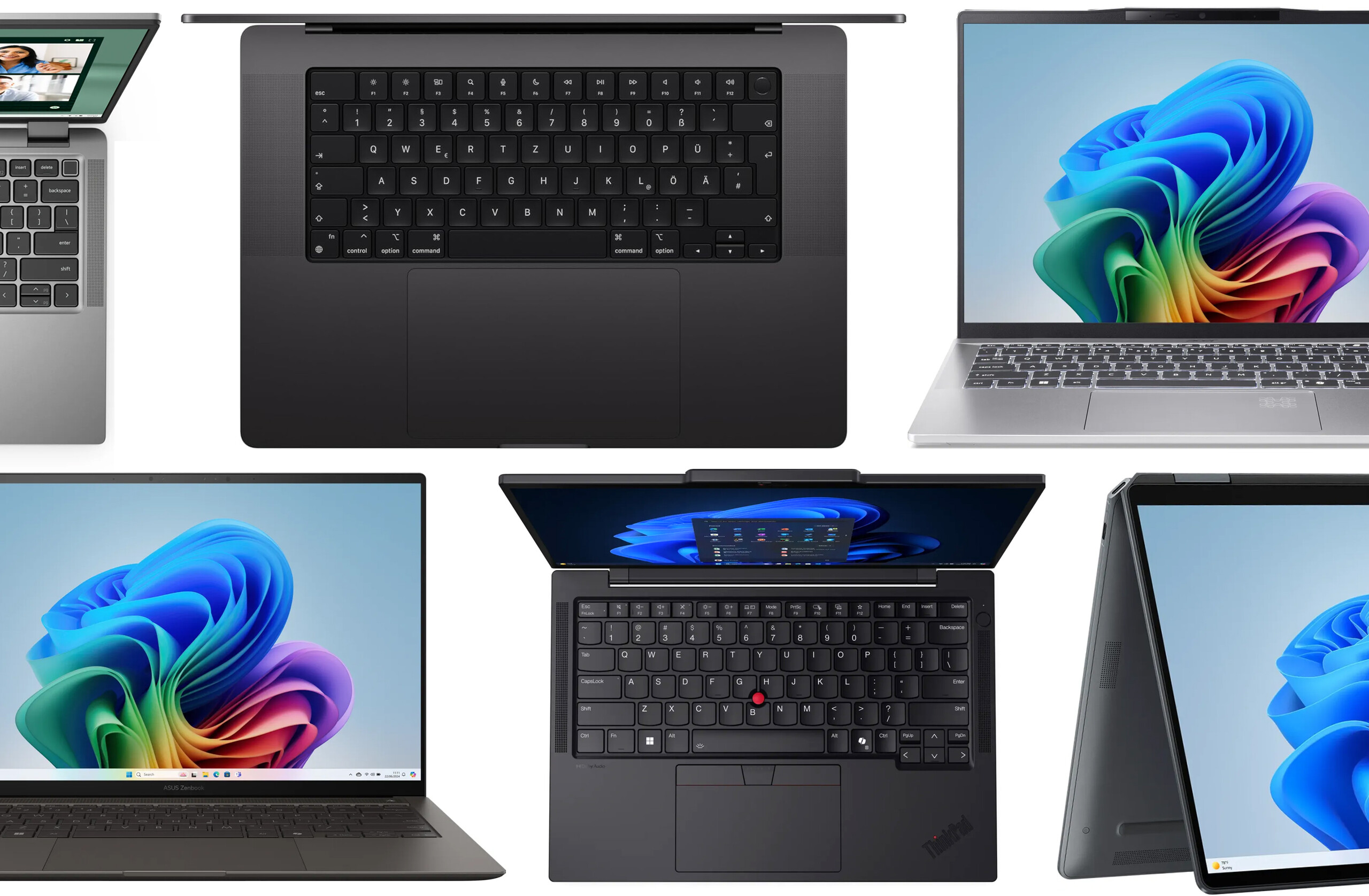
Choosing the right notepad computer requires balancing portability, processing performance, and battery life to match your specific workflow demands. Whether you need a featherlight device for note-taking in meetings, a convertible tablet for creative sketching, or a compact workstation for on-the-go productivity, the market offers specialized hardware designed to eliminate the friction of traditional bulky laptops.
Understanding the Notepad Computer Category
The term "notepad computer" typically occupies a unique intersection in the personal computing landscape. Historically bridging the gap between traditional clamshell laptops and touch-first tablet devices, modern notepad computers—frequently referred to as ultraportables, 2-in-1 convertibles, or detachable tablets—prioritize extreme mobility without sacrificing full operating system capabilities. Unlike pure media consumption tablets, these machines run robust desktop operating systems like Windows or macOS, allowing professionals to execute complex spreadsheet calculations, run integrated development environments, or edit high-resolution photographs while away from a desk.
When evaluating these compact computing solutions, buyers must carefully weigh form factor trade-offs. Convertible notebooks feature 360-degree hinges that allow the screen to fold completely backward, transforming the keyboard deck into a stable drawing surface or a presentation stand. Detachable models take versatility a step further by letting you physically separate the display from the keyboard base, resulting in an ultra-light slate for reading or casual browsing. However, these space-saving designs often introduce thermal constraints, requiring efficient passive cooling or low-wattage processors to prevent overheating during sustained high-performance tasks.
Key Evaluation Criteria for Ultra-Portable Machines
Selecting the optimal notepad computer involves looking past marketing slogans and analyzing foundational hardware specifications. Because these devices are engineered for mobile professionals, students, and frequent travelers, certain metrics carry significantly more weight than they might in a desktop environment.
Weight and Form Factor Durability
True portability is measured in grams and millimeters. The best notepad computers generally weigh under three pounds and maintain a slim profile that slips easily into a backpack or briefcase. Manufacturers often utilize premium chassis materials like machined aluminum, magnesium-alloy composites, or carbon fiber to achieve this featherlight feel without compromising structural rigidity. A sturdy hinge mechanism and scratch-resistant display glass are critical for devices that endure constant opening, closing, and environmental shifting during daily transit.
Processing Architecture and Thermal Design
Modern ultraportables rely heavily on energy-efficient system-on-chip architectures. Processors designed for low-power envelopes—such as Intel’s Core Ultra series, AMD’s Ryzen Mobile lineup, or Apple’s proprietary Silicon chips—deliver ample performance for multitasking, web research, and document editing while generating minimal heat. Because space is restricted inside a notepad chassis, the thermal design must dissipate heat effectively to prevent thermal throttling, a phenomenon where the processor automatically slows down to lower its temperature during prolonged workloads.
Display Quality and Stylus Integration
Since you interact directly with the screen on a notepad computer, display fidelity is paramount. Look for panels featuring high pixel densities, accurate color reproduction, and anti-reflective coatings to ensure readability under harsh fluorescent office lights or direct sunlight. Furthermore, aspect ratios have largely shifted from traditional 16:9 widescreen formats to taller 16:10 or 3:2 canvases, providing valuable vertical screen real estate for viewing documents and web pages. Active stylus support with pressure sensitivity is another non-negotiable feature for digital artists, note-takers, and annotators, requiring low latency and palm-rejection technology for a natural writing experience.
Comprehensive Comparison of Top Contenders
To assist in your hardware purchasing decision, the following structured overview outlines the defining characteristics, strengths, and ideal use cases for the premier notepad-class computers available on the market.
| Device Name | Form Factor | Primary Processor Class | Average Battery Life | Standout Feature |
|---|---|---|---|---|
| Apple MacBook Air (M3) | Clamshell Ultraportable | Apple M3 (8-core CPU) | Up to 18 Hours | Exceptional silent performance and battery efficiency |
| Microsoft Surface Pro (11th Ed.) | Detachable 2-in-1 | Snapdragon X Plus / Elite | Up to 14 Hours | Advanced neural processing unit and flexible kickstand |
| Dell XPS 13 | Minimalist Clamshell | Intel Core Ultra Series 1 | Up to 12 Hours | Futuristic capacitive touch row and edge-to-edge display |
| HP Spectre x360 14 | 360-Degree Convertible | Intel Core Ultra 7 | Up to 13 Hours | Gorgeous OLED touchscreen and premium security suites |
| Lenovo Yoga 9i Gen 9 | 360-Degree Convertible | Intel Core Ultra 7 | Up to 11 Hours | Innovative rotating soundbar hinge for immersive audio |
| ASUS Zenbook 14 OLED | Slim Ultraportable | AMD Ryzen 7 / Intel Core Ultra | Up to 15 Hours | Vibrant display and robust port selection in a thin chassis |
| Microsoft Surface Laptop (7th Ed.) | Traditional Ultraportable | Snapdragon X Elite / Plus | Up to 20 Hours | Outstanding battery longevity and Windows on ARM optimization |
Detailed Breakdown of the Leading Notepad Computers
1. Apple MacBook Air (M3)
For users embedded within or open to the macOS ecosystem, the MacBook Air powered by the M3 chip remains a benchmark for ultraportable computing. Its fanless, silent design means it operates completely without noise, even when pushed during heavy multitasking sessions. The inclusion of the M3 processor brings hardware-accelerated ray tracing and media engine capabilities, making it surprisingly adept at light video editing and graphic design. With a battery life that comfortably exceeds a standard workday and a legendary trackpad, it serves as an effortless daily driver for writers and mobile professionals.
2. Microsoft Surface Pro (11th Edition)
As the gold standard for detachable notepad computers, the Surface Pro combines the portability of a tablet with the productivity of a full laptop when paired with its signature keyboard cover. Powered by modern ARM-based Snapdragon processors, this iteration introduces dedicated neural processing units (NPUs) designed to accelerate local artificial intelligence tasks, real-time translations, and advanced camera effects. The built-in kickstand offers infinite adjustment angles, while the vibrant PixelSense Flow display with a high refresh rate ensures smooth scrolling and responsive ink-to-screen performance with the Surface Slim Pen.
3. Dell XPS 13
Dell’s XPS line has long defined sleek, minimalist Windows engineering. The modern XPS 13 pushes aesthetic boundaries with its zero-lattice keyboard, seamless glass haptic touchpad, and a capacitive function row that replaces traditional physical keys. Despite its remarkably compact footprint, it packs formidable Intel Core Ultra processing power. It is ideally suited for professionals who prioritize a premium, executive aesthetic and desire a device that easily slides into the tightest satchels or tray tables.
4. HP Spectre x360 14
The HP Spectre x360 14 is a masterclass in convertible versatility. Featuring gem-cut chassis aesthetics and a breathtaking OLED display, this machine transitions fluidly from a traditional laptop to a tent presentation mode or a flat tablet canvas. It excels in multimedia consumption and content creation thanks to its deep contrast levels and rich color gamuts. Furthermore, HP integrates robust physical privacy shutters and intelligent thermal management software to ensure the device remains cool and secure during mobile use.
5. Lenovo Yoga 9i Gen 9
Lenovo’s Yoga series has consistently innovated in the 2-in-1 space, and the Yoga 9i Gen 9 stands out specifically for its unique rotating soundbar hinge. This engineering choice ensures that whether you are using the device in laptop mode, tent mode, or tablet mode, the audio output is directed straight toward you with remarkable clarity and depth. Backed by comfortable rounded chassis edges, a gorgeous OLED screen, and strong multi-core processing performance, it is a favorite among media enthusiasts and remote workers alike.
6. ASUS Zenbook 14 OLED
The ASUS Zenbook 14 OLED proves that you do not need to sacrifice I/O connectivity to achieve a slim profile. Unlike many ultraportables that force users into dongle reliance, the Zenbook manages to include full-sized HDMI ports, USB-A connections, and Thunderbolt slots alongside its sleek aluminum housing. Coupled with a brilliant high-resolution OLED screen and efficient AMD or Intel internals, it provides exceptional value for budget-conscious professionals who demand uncompromising connectivity.
7. Microsoft Surface Laptop (7th Edition)
While technically a traditional clamshell laptop rather than a detachable tablet, the Surface Laptop (7th Edition) earns its place by delivering notepad-like weightlessness coupled with extraordinary battery longevity. Utilizing the power-efficient Snapdragon X architecture, this machine frequently clears the elusive 20-hour battery mark under moderate usage conditions. Its polished design, comfortable keyboard travel, and robust application compatibility make it an exceptional tool for students and field researchers who spend hours away from a wall outlet.
Common Mistakes to Avoid When Buying a Notepad Computer
Purchasing an ultraportable computer is an investment that requires careful foresight. Avoid falling into common consumer traps that can lead to buyer's remorse shortly after unboxing.
- Ignoring Port Limitations: Many ultra-slim notepad computers sacrifice legacy ports in the name of thinness, leaving you with only USB-C connections. Verify your peripheral needs before purchasing to determine if you will need to invest in external docking stations or multi-port adapters.
- Overlooking RAM and Storage Bottlenecks: Because many modern notepad computers feature soldered components where memory and storage cannot be upgraded post-purchase, buying a base configuration with insufficient RAM or storage can severely limit the longevity of the device. Opt for at least 16GB of RAM if your workflow involves heavy multitasking.
- Misjudging Operating System Compatibility: If you are transitioning between Windows and macOS, or experimenting with ARM-based processors that rely on emulation for legacy x86 applications, double-check that your critical industry-specific software runs natively and efficiently on your chosen architecture.
Frequently Asked Questions
What is the difference between a notepad computer and a standard laptop?
Notepad computers typically emphasize extreme portability, lighter weight, and versatile form factors—such as 360-degree hinges or detachable keyboards—compared to traditional clamshell laptops. They often utilize low-power processors designed to maximize battery life and minimize heat generation in restrictive chassis spaces.
Can notepad computers handle heavy tasks like video editing?
While high-end notepad computers equipped with modern processors and dedicated NPUs or integrated graphics can handle moderate 1080p and light 4K video editing, heavy 3D rendering and intensive multi-cam production are still better suited for desktop workstations or thick gaming laptops with robust active cooling systems.
Are ARM-based notepad computers compatible with all Windows apps?
Most standard productivity applications, web browsers, and Microsoft Office tools run natively on modern ARM processors. However, highly specialized legacy enterprise software, older printer drivers, or niche utility programs that require low-level x86 hardware access may run through emulation or require native updates from their developers.
How important is stylus support for a notepad computer?
Stylus support is primarily beneficial for users who frequently take handwritten notes, annotate PDF documents, digitally sign paperwork, or sketch creative concepts. If your daily workflow consists strictly of typing emails and editing spreadsheets, a dedicated active stylus may be an unnecessary expense.
How can I maximize the battery life of my ultra-portable notepad?
To extend battery longevity in the field, reduce display brightness levels, enable adaptive power management settings in your operating system, close background browser tabs that consume active scripts, and disconnect unused Bluetooth peripherals or external storage drives when not actively in use.
Conclusion and Next Actions
Selecting the best notepad computer for 2026 depends entirely on aligning your daily operational habits with the right hardware architecture. Start by auditing your software requirements, assessing your typical travel and battery needs, and deciding whether a detachable tablet or a 360-degree convertible better suits your physical workspace. Once you narrow down your preferred form factor and operating system ecosystem, visit an authorized retailer or review official technical specifications to verify port selections and keyboard ergonomics before finalizing your investment.