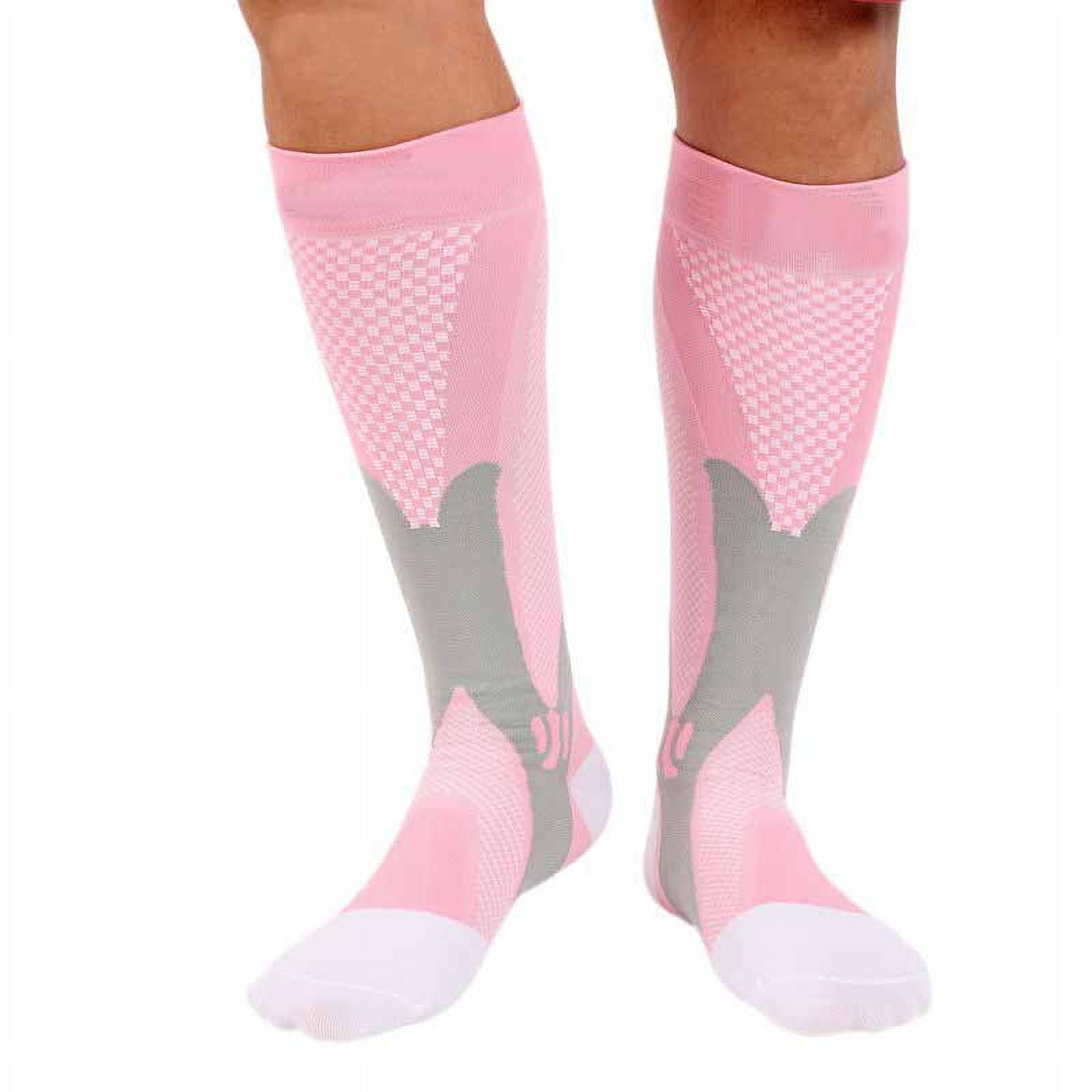
For nurses enduring grueling 12-hour shifts on hard hospital floors, high-quality compression socks are an essential piece of daily gear. The top-rated options on the market—such as Figs Compression Socks, ProCompression Marathon Socks, Bombas Performance Compression Socks, Sockwell Circulator Socks, and CEP Compression Run Socks 3.0—offer targeted gradient pressure that helps improve venous return, reduce lower extremity fatigue, and prevent swelling in the feet and ankles.
Understanding Compression Therapy in Nursing
Nursing is a physically demanding profession that frequently places professionals among the highest risk groups for chronic venous insufficiency, varicose veins, and painful lower limb edema. Standing or walking continuously for shifts that regularly exceed twelve hours forces the cardiovascular system to work against gravity to pump blood from the lower extremities back up to the heart. When the calf muscle pump is underutilized during static standing, blood can pool in the lower legs, resulting in aching, heaviness, and swelling by the end of a shift.
Graduated compression socks are specifically engineered to combat this physiological challenge. Unlike standard hosiery, these specialized garments apply the highest degree of pressure at the ankle, gradually decreasing in intensity as they move up the calf. This engineered pressure gradient acts as an external layer of muscle support, helping to compress superficial veins, accelerate blood flow through the deep venous system, and prevent fluid retention in the distal extremities. For healthcare workers, incorporating compression therapy into a daily shift-wear routine is not merely a matter of comfort; it is a proactive measure for long-term vascular health.
Key Factors to Consider When Selecting Nurse Compression Socks
Choosing the right pair of compression socks requires careful evaluation of several technical and ergonomic factors. Ill-fitting or improperly rated socks can either fail to provide therapeutic benefits or cause localized restriction that impedes circulation. Before purchasing, nurses must examine pressure measurements, material composition, sizing protocols, and durability.
Compression Levels Measured in Millimeters of Mercury (mmHg)
Compression strength is measured in millimeters of mercury (mmHg), and selecting the correct level is critical for safety and efficacy. For most nurses without pre-existing vascular pathology, a mild-to-moderate compression level ranging from 15 to 20 mmHg provides optimal everyday support, effectively reducing fatigue and mild swelling without requiring a physician's prescription.
Socks rated at 20 to 30 mmHg offer firmer, medical-grade support. These are frequently recommended for nurses who experience severe swelling, prominent varicose veins, or intense aching after prolonged shifts. However, individuals should consult a healthcare provider before wearing compression levels above 20 mmHg, particularly if they have underlying arterial disease or peripheral neuropathy.
Breathability, Moisture Management, and Fabric Blends
Because hospital environments are climate-controlled yet physically demanding, fabric selection heavily dictates daily comfort. Traditional nylon-only socks can trap heat and moisture, leading to skin maceration, odor, and discomfort.
- Merino Wool Blends: Highly valued for natural thermoregulation and antimicrobial properties, wool-synthetic blends keep feet warm in cold winter months and cool in warmer environments while resisting odor.
- Technical Synthetics (Nylon, Spandex, Polyester): These materials offer superior durability, moisture-wicking capabilities, and consistent elasticity over hundreds of wash cycles.
- Bamboo Viscose: Increasingly popular for its silky texture, breathability, and natural moisture-wicking properties, offering a softer feel for sensitive skin.
Sizing, Fit, and Ankle Circumference
Unlike standard socks sized by shoe length, therapeutic compression socks rely primarily on anatomical measurements—specifically ankle circumference, calf circumference, and sometimes the length from the heel to the bend of the knee. Purchasing compression socks based solely on shoe size often leads to improper pressure distribution. A sock that is too tight at the calf can create a tourniquet effect, while one that is too loose will fail to deliver the necessary gradient pressure.
Detailed Review of 5 Top Rated Compression Socks for Nurses
Evaluating the current market reveals several standout products that consistently receive high praise from nursing professionals for their durability, gradient accuracy, and all-shift comfort.
| Brand and Model | Compression Level | Primary Material | Key Advantage | Best Suited For |
|---|---|---|---|---|
| Figs Compression Socks | 15–20 mmHg | Nylon and Spandex blend | Exceptional color and pattern variety matching medical apparel | Fashion-conscious nurses wanting style and reliable mild support |
| ProCompression Marathon | 20–30 mmHg | Poly/Nylon/Spandex | Gradual, energizing squeeze with seamless toe construction | Nurses needing firmer support and maximum impact cushioning |
| Bombas Performance Compression | 15–20 mmHg | Poly, Cotton, and Spandex | Hex-Tec ventilation and blister tab protection | Healthcare workers prone to hot feet or long walking shifts |
| Sockwell Circulator | 15–20 mmHg | Merino Wool and Bamboo Rayon | Natural temperature regulation and odor control | All-season wear and nurses with sensitive skin |
| CEP Compression Run 3.0 | 20–30 mmHg | High-tech synthetic blend | Targeted anatomical fit with precise medical-grade gradient | Nurses with severe fatigue, shin splints, or active lifestyles |
1. Figs Compression Socks
Figs has established a dominant presence in medical apparel, and their compression socks are specifically engineered to complement their popular scrubs. Operating in the standard 15–20 mmHg therapeutic range, these socks deliver reliable daily support that minimizes lower leg fatigue during long shifts.
The construction utilizes a durable nylon-spandex blend that holds up exceptionally well to industrial hospital laundering without losing elasticity. A notable advantage is the extensive aesthetic catalog; Figs offers their compression socks in a wide array of colors, limited-edition prints, and seasonal palettes that allow nurses to express personal style while adhering to facility dress codes. The toe seam is linked smoothly to prevent friction against sensitive nail beds, though nurses with wider calves should consult the brand's specific circumference chart to ensure a non-binding fit at the top band.
2. ProCompression Marathon Socks
Originally designed for endurance runners, ProCompression Marathon socks have developed a fiercely loyal following among healthcare professionals. Delivering a firmer 20–30 mmHg gradient, these socks provide an intensive energizing squeeze that effectively counters severe gravitational blood pooling.
Built with a proprietary stretch fabrication, these socks feature light cushioning along the sole, making them an excellent option for nurses who log miles of walking on hard linoleum and tile floors. The moisture-wicking performance is top-tier, keeping skin dry throughout high-stress clinical emergencies. Because of the higher compression tier, they require a bit more effort to pull on during early morning routines, but the trade-off is superior support that virtually eliminates end-of-shift calf throbbing.
3. Bombas Performance Compression Socks
Bombas has translated its renowned comfort engineering into a dedicated performance compression line rated at 15–20 mmHg. Utilizing a thoughtful blend of performance poly, cotton, and spandex, these socks strike a rare balance between clinical efficacy and everyday athletic comfort.
A defining feature of the Bombas design is their proprietary Hex-Tec ventilation system, which promotes enhanced airflow across the top of the foot. Furthermore, they incorporate a specialized blister tab at the heel and a seamless footbed that eliminates bunching inside nursing clogs or sneakers. True to the brand's philanthropic mission, every purchase also triggers a donation pair to someone in need, adding a community-focused value proposition for socially conscious buyers.
4. Sockwell Circulator Socks
For nurses who prefer natural fibers over synthetic synthetics, the Sockwell Circulator is an industry benchmark. These 15–20 mmHg graduated compression socks are crafted from an innovative blend of American-grown merino wool and bamboo rayon, yielding a fabric that is remarkably soft against the skin.
Merino wool provides unmatched thermoregulatory performance, keeping legs warm during chilly night shifts and preventing overheating when moving briskly between hospital units. Additionally, wool and bamboo possess natural antimicrobial and odor-resistant properties, making these socks ideal for multi-day packing on travel nursing assignments. The moderate compression feels supportive without feeling overly restrictive, and the stylish, understated patterns fit seamlessly into professional clinical environments.
5. CEP Compression Run Socks 3.0
CEP is a brand deeply rooted in medical orthopedics through its parent company, medi, making the CEP Run Socks 3.0 a clinically rigorous choice for nurses. Providing a true medical-grade 20–30 mmHg gradient, these socks utilize precise anatomical mapping based on calf circumference rather than generic sizing.
The fabric incorporates high-tech synthetic fibers featuring smart-temperature technology, which dynamically responds to body heat to enhance cooling and moisture evaporation. The targeted compression zone around the ankle and calf stabilizes soft tissue and reduces micro-muscle vibrations caused by constant walking. While they sit at a higher price point, their exceptional durability and medical-grade construction make them a long-term investment for nurses managing chronic leg pain or venous insufficiency.
Practical Guidance: Wearing, Washing, and Maintenance
Maximizing the lifespan and therapeutic effectiveness of compression socks requires proper handling and maintenance protocols. Poor washing habits or incorrect application techniques can quickly degrade the elastic fibers and ruin the graduated pressure profile.
Step-by-Step Application Technique
- Prepare the Sock: Reach inside the sock and grab the heel pocket, turning the upper portion of the sock inside out down to the heel.
- Position the Foot: Slip your foot into the foot portion, ensuring your heel sits snugly and securely in the designated heel pocket.
- Roll Upward: Gently roll and smooth the fabric up over your ankle and calf, ensuring the material lies flat without twists or creases.
- Smooth and Adjust: Pull the top band up to approximately two finger-widths below the bend of the knee. Never fold or roll down the top band, as this creates a localized high-pressure band that restricts circulation.
Washing and Drying Best Practices
- Hand or Gentle Machine Wash: Wash compression socks in cold or lukewarm water on a gentle cycle, preferably inside a mesh laundry bag to prevent snagging on zippers or buttons.
- Avoid Fabric Softeners: Fabric softeners, bleach, and harsh detergents coat the elastic fibers (spandex/elastane), permanently breaking down elasticity and rendering the gradient pressure ineffective.
- Air Dry: Always line dry or tumble dry on a zero-heat (air fluff) setting. High heat from conventional dryers destroys synthetic elasticity and ruins the compression profile within a few washes.
Frequently Asked Questions
How do I know which compression level I need for nursing?
For standard fatigue and mild swelling prevention during long shifts, a mild compression level of 15–20 mmHg is generally sufficient and widely available without a prescription. If you experience chronic, severe swelling, varicose veins, or persistent aching that does not resolve with rest, consult a physician or vascular specialist to determine if a 20–30 mmHg medical-grade option is appropriate.
Can I wear compression socks every day?
Yes, healthy individuals can safely wear graduated compression socks every single day during active hours. They should be removed before going to bed, as horizontal resting naturally eliminates the gravitational pressure that compression socks are designed to counteract.
Why do my compression socks slide down during my shift?
Slipping usually indicates that the socks are either the wrong size, stretched out from improper washing, or being worn over lotions and oils that compromise fabric grip. Always measure your ankle and calf circumference before purchasing, avoid applying heavy moisturizers to your legs right before dressing, and replace socks every three to six months depending on frequency of use.
Are open-toe or closed-toe compression socks better for nurses?
Closed-toe socks provide complete foot coverage and uniform compression across the entire foot, making them ideal for colder environments and standard footwear. Open-toe options are preferred by nurses with specific foot conditions—such as bunions, hammer toes, or long toenails—that experience friction in closed shoes, and they allow for easier foot ventilation.
Do compression socks prevent varicose veins?
While compression socks cannot completely reverse or cure existing structural vein damage, they are clinically proven to slow the progression of varicose veins, reduce associated discomfort, and prevent the pooling of blood in superficial veins caused by prolonged standing.
Final Recommendation
Investing in high-quality compression socks is one of the most effective self-care steps a nurse can take to protect their physical well-being. For everyday comfort, breathability, and reliable style, Figs or Bombas Performance models provide an accessible entry point into 15–20 mmHg support. Nurses seeking firmer, endurance-level support for high-mileage shifts will find superior performance in ProCompression Marathon or CEP Run 3.0 socks. For those prioritizing natural fibers and superior temperature regulation, Sockwell Circulator merino wool blends remain unmatched. Select the pair that matches your specific anatomical measurements and clinical environment, and establish a gentle washing routine to ensure your investment delivers all-shift relief for months to come.