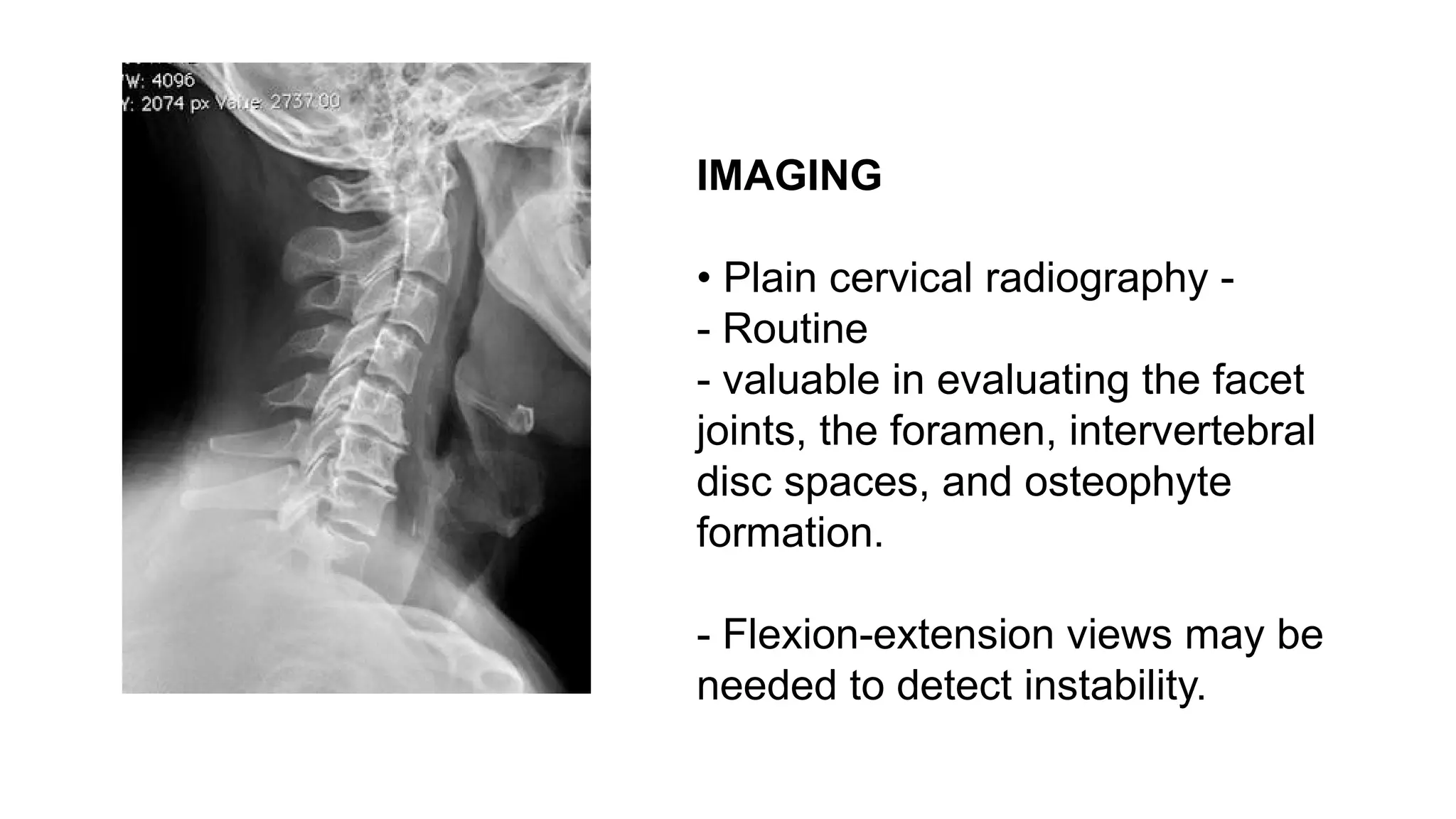
Coding degenerative changes in the cervical spine requires understanding both clinical anatomy and the specific structures of the International Classification of Diseases, Tenth Revision (ICD-10-CM). Because cervical spine degeneration encompasses a spectrum of conditions—including spondylosis, disk degeneration, and radiculopathy—accurate medical coding depends on documenting the exact anatomical location, specific pathological findings, and the presence of neurological complications. Medical billers, coders, and clinicians must navigate these diagnostic distinctions to ensure documentation reflects patient health status and satisfies reimbursement and compliance standards.
1. Understanding Cervical Spine Degeneration and Clinical Terminology
Degenerative changes in the cervical spine refer to the age-related or wear-and-tear breakdown of the vertebrae, intervertebral disks, and associated joints in the neck. These structural alterations can develop independently or concurrently, significantly affecting a patient's mobility and nerve function. To code these conditions accurately using the ICD-10-CM classification system, professionals must differentiate between primary pathological processes such as spondylosis, disk degeneration, and osteoarthritis.
Cervical spondylosis represents the most common manifestation of neck degeneration. It involves the drying and shrinking of intervertebral disks, the formation of bone spurs (osteophytes) along the vertebral margins, and the thickening of ligaments. When these changes encroach upon the spinal canal or intervertebral foramina, they can compress the spinal cord or exiting nerve roots, leading to complex clinical presentations like myelopathy or radiculopathy. Recognizing these distinct anatomical terms ensures that the selected code precisely matches the documented clinical reality.
Common Diagnostic Classifications in Cervical Degeneration
- Cervical Spondylosis: Age-related wear and tear affecting the cervical disks and vertebrae, frequently accompanied by osteophyte formation.
- Cervical Disk Degeneration: The structural breakdown or dehydration of the intervertebral disks without explicit mention of myelopathy or radiculopathy in uncomplicated presentations.
- Cervical Osteoarthritis: Degeneration of the facet joints (zygapophyseal joints) connecting the cervical vertebrae.
- Cervical Stenosis: Narrowing of the spinal canal or neural foramina due to degenerative bone and soft-tissue changes.
2. Navigating the ICD-10-CM Chapter 13 Coding Framework
The ICD-10-CM classification groups degenerative conditions of the cervical spine primarily within Chapter 13: Diseases of the Musculoskeletal System and Connective Tissue (codes M00-M99). Within this chapter, category M47 (Spondylosis) and category M50 (Cervical disk disorders) serve as the foundational building blocks for diagnostic coding. Understanding the structural layout of these categories prevents common coding errors and reduces claim rejections.
When selecting a code from category M47 or M50, the fourth, fifth, and sixth characters provide vital specificity regarding anatomical location and neurological involvement. For example, cervical region specificity is designated by specific fifth characters, while the presence of myelopathy (spinal cord compression) or radiculopathy (nerve root compression) changes the primary category selection entirely. Failure to capture these neurological complications results in incomplete coding and fails to communicate the true severity of the patient's condition to payers.
Key ICD-10-CM Categories for Cervical Degeneration
| Category / Code Range | Description | Primary Clinical Focus |
|---|---|---|
| M47.0 - M47.9 | Spondylosis | Degeneration of the cervical spine with or without myelopathy/radiculopathy |
| M50.0 - M50.9 | Cervical disk disorders | Displacement, degeneration, and herniation of cervical intervertebral disks |
| M48.01 - M48.02 | Spinal stenosis | Narrowing of the spinal canal specifically located in the occipito-atlanto-axial or cervical region |
| M19.011 - M19.012 | Primary osteoarthritis | Osteoarthritis localized specifically to the shoulder region or related cervical facet joints |
3. The Critical Distinction: Spondylosis with vs. Without Myelopathy or Radiculopathy
One of the most consequential decisions when coding cervical spine degeneration is determining whether the documentation supports the presence of myelopathy or radiculopathy. The ICD-10-CM coding manual separates uncomplicated spondylosis from spondylosis complicated by neurological deficits. Conflating these conditions misrepresents patient acuity and can trigger compliance audits.
- Spondylosis without Myelopathy or Radiculopathy (M47.812): Used when imaging or clinical notes confirm degenerative changes, bone spurs, or wear and tear in the cervical spine, but the patient exhibits no neurological deficits, motor weakness, sensory loss, or radiating pain down the arms.
- Spondylosis with Myelopathy (M47.12): Applied when degenerative changes compress the spinal cord itself, resulting in symptoms such as clumsiness in the hands, gait disturbances, balance issues, or bowel and bladder dysfunction.
- Spondylosis with Radiculopathy (M47.22): Assigned when bone spurs or disk bulges compress a specific nerve root exiting the cervical spine, causing sharp, shooting pain, numbness, or tingling radiating into the shoulder, arm, or hand.
Clinicians must explicitly document these neurological findings in their physical examination notes. Coders are prohibited from assuming radiculopathy or myelopathy based solely on generalized neck pain; explicit provider documentation is mandatory to support these higher-specificity codes.
4. Specificity Requirements: Anatomical Level and Laterality
Modern clinical documentation improvement (CDI) programs emphasize the importance of exact anatomical specificity. For cervical spine conditions, coding accuracy often depends on identifying the precise vertebral level involved, such as C4-C5, C5-C6, or C6-C7. While some general ICD-10 codes group the entire cervical region together, category M50 (Cervical disk disorders) frequently requires level-specific coding to achieve maximum specificity.
Furthermore, documentation must account for laterality when applicable, particularly when radicular symptoms affect only the left or right upper extremity. Although the spinal pathology itself resides centrally in the neck, the resulting nerve root compression often manifests unilaterally. Reviewing clinical documentation for laterality ensures that secondary manifestation codes or specific localized descriptions align with the overall diagnostic picture.
Checklist for High-Accuracy Cervical Spine Coding
- Verify the Sub-Anatomical Level: Check if imaging reports (MRI or CT scans) specify the exact disk space or vertebral levels affected (e.g., C3-C4, C5-C6).
- Confirm Neurological Status: Review clinical notes to determine if myelopathy, radiculopathy, or simple mechanical neck pain is documented.
- Examine Etiology: Distinguish between primary degenerative changes, post-traumatic arthritis, and congenital spinal stenosis.
- Cross-Reference Laterality: Ensure that radiating symptoms matching left or right upper extremity involvement are properly captured if supported by the provider's physical exam.
5. Documentation Best Practices and Common Coding Pitfalls
Achieving clean-claim status for cervical spine degeneration requires seamless collaboration between healthcare providers and medical coders. Vague diagnostic statements—such as "neck arthritis" or "degenerative neck disease"—frequently lead to claim queries, processing delays, or downcoding by insurance payers. Providers must be encouraged to use precise medical nomenclature that mirrors the structure of the ICD-10-CM codebook.
A frequent pitfall is coding degenerative disk disease (M51.36 or M50.30 series) interchangeably with cervical spondylosis without checking the exact regional definitions. Another common error is failing to update code selections when a patient transitions from simple axial neck pain to developing radicular symptoms. Establishing standardized clinical documentation templates that prompt providers to record vertebral levels, neurological function, and specific degenerative manifestations mitigates these errors and supports robust compliance.
Frequently Asked Questions
What is the primary ICD-10 code for cervical spondylosis without neurological complications?
The most common code for uncomplicated cervical spondylosis is M47.812 (Spondylosis without myelopathy or radiculopathy, cervical region). This code is utilized when imaging confirms degenerative bone spurs or wear-and-tear changes in the neck, but the physical exam shows no evidence of spinal cord or nerve root compression.
Can I code cervical radiculopathy without explicit physician documentation?
No. Medical coding guidelines strictly prohibit assuming diagnoses like radiculopathy or myelopathy based solely on symptoms or imaging findings alone. The treating physician must explicitly document the presence of radicular symptoms and link them to the underlying cervical spine pathology.
How do I code degenerative changes affecting multiple cervical levels?
When multiple vertebral levels are affected by disk degeneration or spondylosis, coders must review the specific ICD-10-CM guidelines for the category. Often, if a single code does not capture the multi-level involvement, coders select the most specific code that reflects the primary impairment or utilize multiple codes if permitted by current coding conventions and payer guidelines.
What is the difference between cervical spondylosis and cervical osteoarthritis?
While both involve joint wear and tear, cervical spondylosis is a broader term encompassing disk degeneration, osteophytes, and vertebral changes unique to the spine. Cervical osteoarthritis specifically targets the facet joints (zygapophyseal joints) connecting the posterior elements of the vertebrae, though both conditions frequently coexist in degenerative presentations.
Why is documentation of myelopathy critical for ICD-10 selection?
Myelopathy indicates spinal cord compression, which represents a severe neurological condition requiring specialized intervention, surgical evaluation, or intensive management. Coding myelopathy accurately (e.g., M47.12) reflects higher patient acuity, justifies specialized diagnostic workups, and ensures appropriate risk-adjustment scoring.
Conclusion
Mastering the ICD-10 coding of degenerative changes in the cervical spine requires meticulous attention to clinical documentation, anatomical specificity, and neurological findings. By distinguishing between uncomplicated spondylosis, myelopathy, and radiculopathy—and by accurately capturing precise vertebral levels—coding professionals and clinicians ensure high standards of data integrity, streamline reimbursement processes, and support optimal patient care pathways.