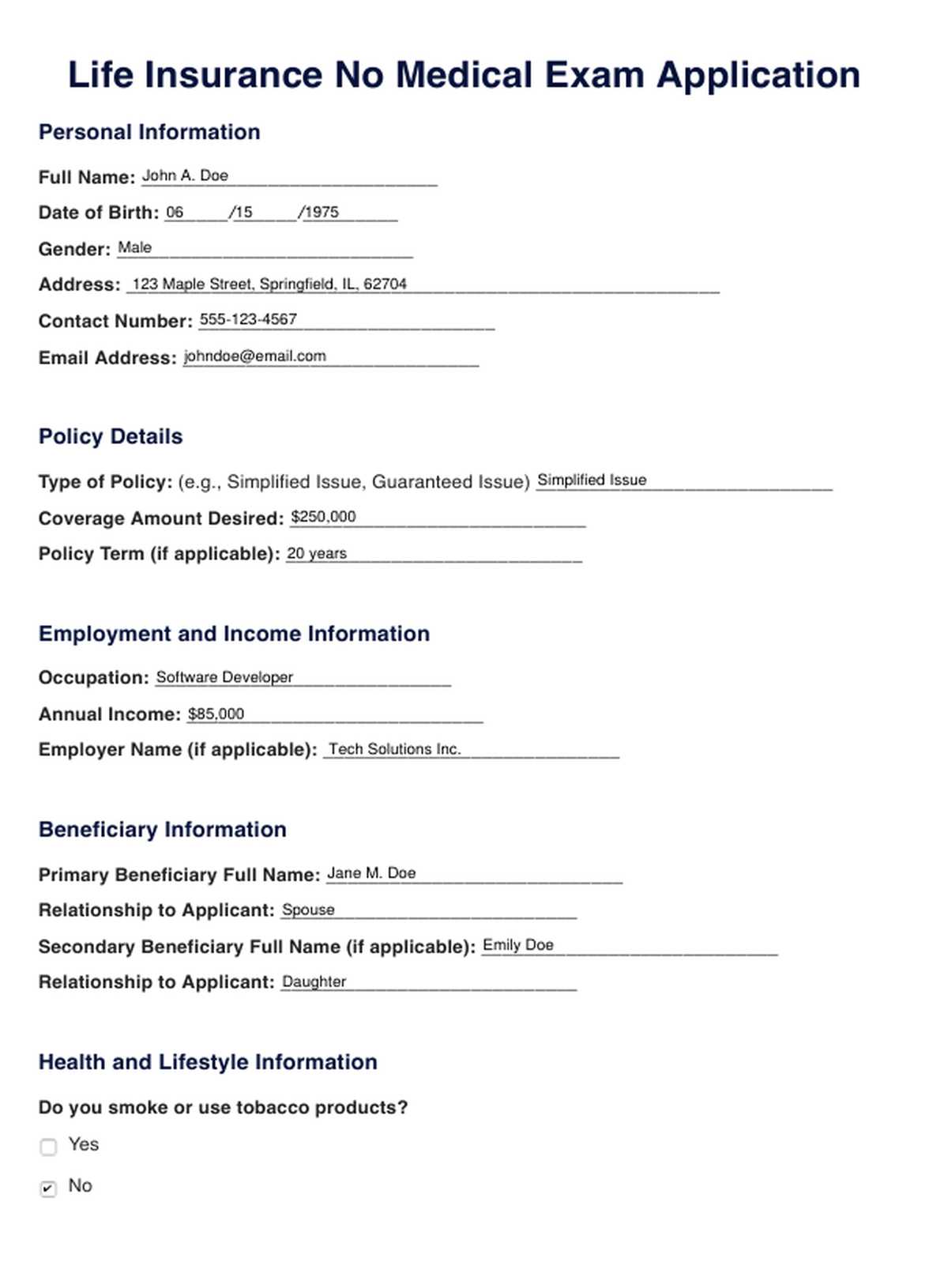
Securing financial protection when dealing with pre-existing medical conditions requires understanding specific life insurance categories—such as simplified issue, guaranteed issue, group policies, term life with underwriting, and impaired risk specialist policies—each designed to accommodate varying degrees of health history, underwriting strictness, and coverage needs.
Navigating the life insurance market with a pre-existing medical condition can feel like an uphill battle. Historically, chronic health problems—ranging from type 2 diabetes and hypertension to a history of cancer or heart disease—meant automatic denials or prohibitively expensive premiums. However, the modern insurance landscape has evolved significantly. Today, specialized underwriting practices, alternative policy structures, and competitive insurance carriers mean that individuals with health complications have viable pathways to protect their families' financial futures.
Understanding how different life insurance products evaluate medical issues is the first step toward securing an affordable policy. Insurance carriers do not look at all medical conditions the same way. A well-managed condition with stable lab results and consistent treatment compliance is often viewed much more favorably than an unstable, newly diagnosed illness. By examining the five primary life insurance options available for those facing medical challenges, applicants can align their personal health profile with the most accommodating policy type.
Understanding Underwriting and Medical Issues
Before evaluating specific life insurance options, it is essential to understand how life insurance companies assess risk. Underwriting is the process by which an insurer evaluates an applicant’s mortality risk based on age, lifestyle, occupation, and medical history. When medical issues are present, underwriters look closely at several specific factors:
- Severity and Stability: How advanced is the condition, and has it remained stable over the past 12 to 24 months?
- Treatment Compliance: Does the applicant actively follow medical advice, take prescribed medications regularly, and attend routine physician check-ups?
- Frequency of Symptoms or Attacks: How often does the condition flare up or require emergency medical intervention?
- Lab Results and Biomarkers: Key indicators such as A1C levels for diabetics, blood pressure readings for hypertensives, and cholesterol profiles play a massive role in rate classification.
Understanding these criteria helps applicants prepare documentation—such as attending physician statements (APS), recent lab work, and specialist notes—before submitting an application, reducing the likelihood of unexpected denials or rating delays.
1. Traditional Term Life Insurance with Impaired Risk Underwriting
Traditional term life insurance provides coverage for a specific period (such as 10, 20, or 30 years) with level premiums. While it typically requires a full medical exam and a review of medical records, many major carriers employ impaired risk underwriters who specialize in evaluating specific chronic illnesses.
For individuals whose medical issues are well-controlled—such as controlled hypertension, mild sleep apnea, or early-stage cancer in long-term remission—traditional term life often provides the highest coverage amounts at the most affordable rates.
- Pros: Lowest cost per dollar of coverage; high coverage limits (hundreds of thousands or millions of dollars); rates can be locked in for decades.
- Cons: Rigorous underwriting process; medical exams and fluid collections are standard; can be declined if the condition is actively deteriorating or unmanaged.
Working with an independent broker who has access to multiple carriers is vital here. Different insurance companies use vastly different underwriting manuals; a condition that results in a heavy rating with Company A might be viewed much more favorably by Company B.
2. Whole Life Insurance with Living Benefits
Whole life insurance is a type of permanent life insurance that builds cash value over time and provides lifetime coverage as long as premiums are paid. For individuals with medical issues, whole life policies—particularly those offering living benefits (accelerated death benefits)—serve a dual purpose.
Many whole life policies allow the insured to access a portion of the death benefit early if they are diagnosed with a qualifying chronic, critical, or terminal illness. While underwriting for permanent policies can still be medical-exam-heavy, some carriers offer simplified underwriting variations for smaller face amounts.
- Pros: Lifetime protection that cannot be canceled due to age or health changes; cash value accumulation; potential living benefits to help cover medical expenses.
- Cons: Significantly higher premiums compared to term life; lower initial death benefit per dollar spent.
3. Simplified Issue Life Insurance
Simplified issue life insurance is designed for applicants who want to bypass the traditional medical exam needle-and-blood-draw process. Instead of physical testing, applicants must answer a series of health-related questions on the application.
Underwriting is accelerated, and approval can sometimes be granted within days or even hours. However, simplified issue policies are not "no-questions-asked." If an applicant has a severe medical issue that triggers a "yes" on the health questionnaire, they may be denied coverage.
- Pros: No medical exam required; fast approval times; easier application process.
- Cons: Higher premiums than fully underwritten traditional policies; lower maximum coverage limits (often capped at $50,000 to $100,000); strict knockout questions regarding major medical events.
This option works exceptionally well for individuals with minor to moderate medical issues who dislike medical exams or need coverage quickly, provided their specific condition does not violate the carrier's eligibility rules.
4. Guaranteed Issue Life Insurance
When medical issues are so severe or complex that an applicant cannot qualify for traditional, term, or simplified issue policies, guaranteed issue life insurance acts as a reliable safety net.
As the name implies, acceptance is guaranteed for anyone who meets the age requirements (typically ages 45 to 80, depending on the provider). There are no medical exams and no health questions whatsoever.
However, because the insurer takes on 100% blind risk regarding the applicant's health, these policies come with specific trade-offs:
Graded Death Benefit: Most guaranteed issue policies feature a graded death benefit clause (often two or three years). If the insured passes away from natural causes during this initial waiting period, the beneficiaries typically receive a refund of all paid premiums plus interest, rather than the full face amount. Accidental death, however, is usually covered immediately.
Higher Cost per Thousand: Premiums are relatively expensive relative to the low face amounts provided (usually capped between $10,000 and $25,000).
Pros: 100% acceptance regardless of health history; no medical exam or health questions; ideal for final expense and burial planning.
Cons: High cost relative to coverage; lower policy limits; graded death benefit period for non-accidental deaths.
5. Group Life Insurance via Employers or Associations
Group life insurance is provided through an employer, professional association, or labor union. These plans frequently offer a baseline amount of coverage (such as one or two times an employee's salary) automatically or with guaranteed issue thresholds during initial enrollment periods.
For individuals experiencing sudden health declines or managing chronic medical conditions, utilizing group life insurance can be an effective way to secure baseline protection without undergoing individual medical underwriting.
- Pros: Often available with little to no medical underwriting during open enrollment; frequently subsidized or fully paid by employers.
- Cons: Coverage is usually tied to employment; portability is often limited when leaving a job; maximum benefit amounts may be insufficient for comprehensive family income replacement.
Comparison of Life Insurance Options for Medical Issues
| Policy Type | Medical Exam Required? | Health Questions? | Max Coverage Potential | Best Suited For |
|---|---|---|---|---|
| Traditional Term (Impaired Risk) | Yes | Yes (Detailed) | High ($500k+) | Well-managed chronic conditions |
| Whole Life with Living Benefits | Varies | Yes | Moderate to High | Long-term planning and cash value needs |
| Simplified Issue | No | Yes (Questionnaire) | Low to Moderate ($50k–$100k) | Avoiding exams; minor to moderate issues |
| Guaranteed Issue | No | No | Low ($10k–$25k) | Severe health issues; final expenses |
| Group Life Insurance | Rarely (Initial) | Rarely (Initial) | Variable (Salary-based) | Baseline coverage via employer/groups |
Strategies for Securing the Best Rates with Medical Issues
Navigating the application process with a health condition requires a strategic approach. Implementing the following steps can minimize premium costs and maximize approval odds:
- Work with an Independent Broker: Captive agents work for a single insurance company and must sell that company's specific underwriting rules. Independent brokers shop across dozens of carriers to find the one whose underwriting guidelines view your specific medical condition most leniently.
- Gather Medical Records in Advance: Be prepared to provide exact dates of diagnosis, names and dosages of medications, physician contact details, and recent lab results. Transparency prevents delays and demonstrates responsibility to underwriters.
- Improve Modifiable Risk Factors: While chronic conditions cannot always be erased, factors like blood pressure, cholesterol, and tobacco use can often be optimized through lifestyle adjustments prior to applying.
- Apply Sooner Rather Than Later: Waiting typically increases age-based rates and risks the development of secondary health complications, making insurance even more expensive or difficult to obtain.
Frequently Asked Questions
Can I get life insurance if I have a pre-existing medical condition?
Yes, absolutely. Millions of people with pre-existing conditions—ranging from diabetes and asthma to cancer survivors and heart attack recovery patients—successfully secure life insurance every year. The type of policy you qualify for depends on the severity, management, and stability of your condition.
What is the difference between simplified issue and guaranteed issue?
Simplified issue policies require you to answer health questions on an application, but they do not require a medical exam. Guaranteed issue policies require neither a medical exam nor health questions, meaning approval is automatic based strictly on age eligibility.
What is a graded death benefit on a life insurance policy?
A graded death benefit means that if the insured dies from natural causes within a specific timeframe (usually the first two years of the policy), the insurance company does not pay out the full face amount. Instead, they refund all premiums paid plus interest. Accidental death, however, is typically covered immediately.
Are premiums higher for people with medical issues?
Generally, yes. Insurance companies calculate premiums based on mortality risk. If a medical condition elevates that risk, the carrier will assign a higher risk classification (known as a table rating), which increases the monthly or annual premium compared to someone in perfect health.
Should I disclose past medical history even if it is fully resolved?
Yes, full disclosure is mandatory. Insurance applications require accurate disclosures of medical history. If an insurer discovers material misrepresentation or omitted health history during the contestability period (usually the first two years of the policy), they can deny a death benefit claim or rescind the policy entirely.
Next Steps and Professional Guidance
Securing life insurance with medical issues begins with assessing your coverage needs and gathering your medical history. Because underwriting guidelines vary dramatically across the insurance industry, consulting with an experienced, independent insurance broker is the most effective way to match your exact health profile with the most accommodating carrier. Take time to review your options, request personalized quotes, and establish a policy that provides lasting security for your loved ones.