The chest-waxing scene in The 40-Year-Old Virgin (2005) remains one of the most significant moments in 21st-century comedy because it captured genuine physical pain through a multi-camera, unscripted performance. By prioritizing authenticity over practical effects, the production shifted debates regarding safety in comedy, the ethics of "suffering for the craft," and the evolution of male grooming standards in popular culture.
The Making of an Iconic Moment: Authenticity Over Artifice
In the history of cinema, most scenes involving physical trauma or bodily transformation are handled through prosthetics, makeup, or clever editing. However, when director Judd Apatow and lead actor Steve Carell approached the chest-waxing sequence for The 40-Year-Old Virgin, they made a pivotal decision: the waxing would be 100% real.
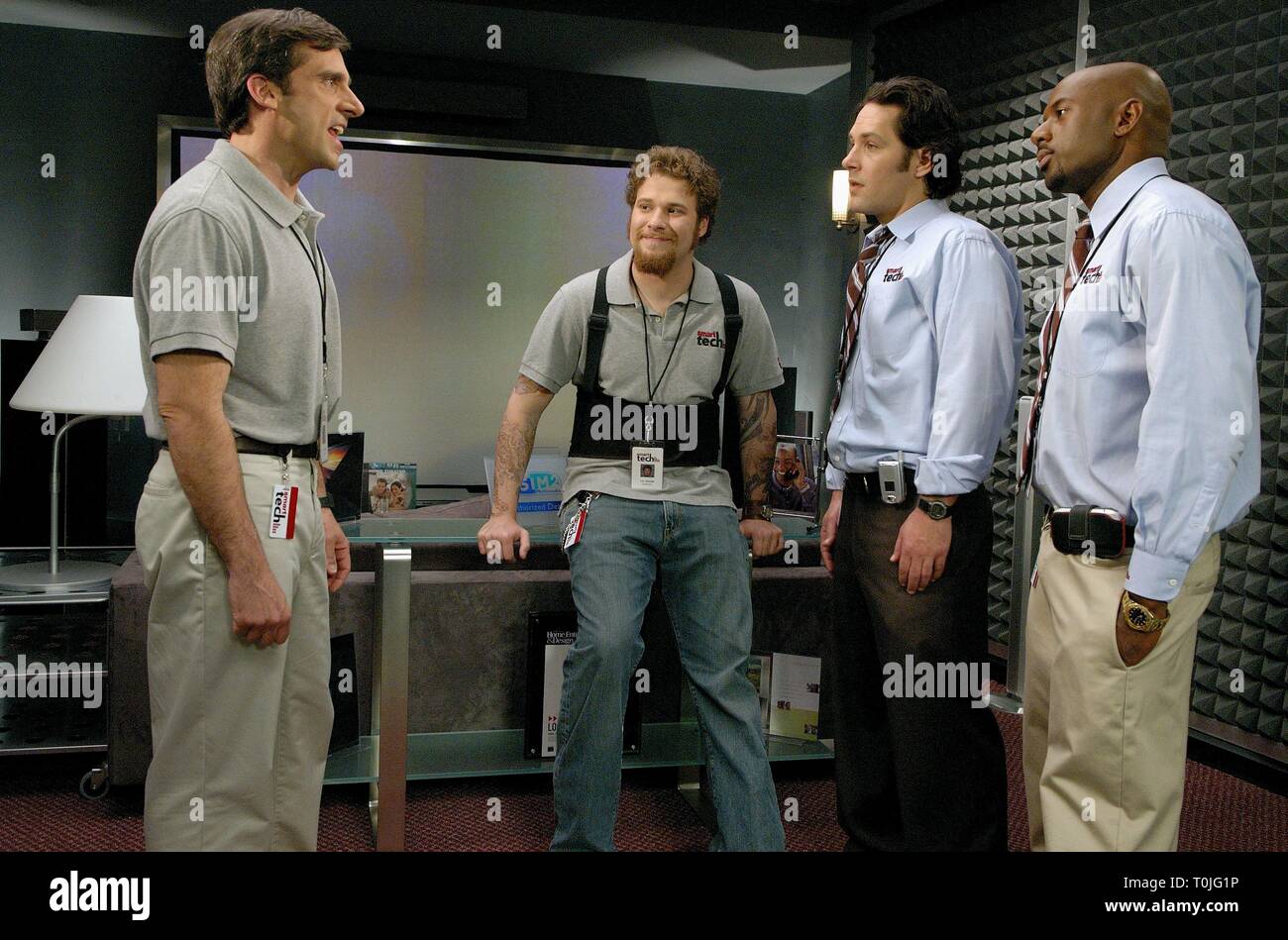
Carell, who also co-wrote the film, believed that the audience would be able to distinguish between a "faked" reaction and the visceral, immediate shock of hair being ripped from the follicles. This decision set the stage for a production environment that functioned more like a documentary shoot than a scripted comedy. To capture the event, Apatow utilized five different cameras to ensure that every possible angle of Carell’s reaction—and the horrified, amused reactions of his co-stars Paul Rudd, Seth Rogen, and Romany Malco—was recorded in a single, continuous take. There were no "second takes" for the actual hair removal; once the hair was gone, the scene was over.
The Role of Miki Mia and Technical Execution
The woman performing the waxing in the film was Miki Mia. While she was an actress, she was not a professional esthetician. This lack of professional training added a layer of genuine unpredictability to the scene. From a technical standpoint, the production used traditional strip wax, which is often considered more painful than modern hard waxes because it adheres to both the hair and the top layer of skin.
The choice of strip wax was likely intentional from a comedic perspective. It guaranteed a more violent physical reaction and visible redness, which translated better to the high-definition cameras of the time. The crew had to balance the lighting for five cameras simultaneously, a difficult feat in a small, cramped "salon" set, to ensure that the sweat, the skin irritation, and the actual strips of hair were visible to the audience.
Shifting Debates: The Ethics and Impact of Physical Realism
The scene sparked a debate that continues into 2026: where is the line between commitment to a role and unnecessary physical endangerment? While waxing is a common cosmetic procedure, performing it on an unprepared subject for the sake of entertainment raised questions about the "stunt" nature of modern comedy.
Comedy as a Stunt: The Jackass Influence
By 2005, the Jackass franchise had already popularized the idea of "real pain for real laughs." The 40-Year-Old Virgin integrated this "stunt comedy" into a narrative feature film. This shifted the debate from whether a scene was funny to whether the process of making it was ethical. Critics and industry insiders questioned if actors should be expected to undergo physical pain to achieve a laugh, or if this sets a dangerous precedent for future productions where "realism" becomes a mandatory requirement for comedic validity.
Male Grooming and the "Metrosexual" Era
Culturally, the scene arrived at a time when the concept of the "metrosexual" was reaching its peak. Before 2005, male chest waxing was rarely discussed in mainstream media, and certainly not depicted in such graphic, agonizing detail. The scene shifted the public debate on male grooming from a niche interest to a mainstream conversation. It humanized the process while simultaneously mocking the vanity associated with it, reflecting a broader societal tension regarding masculinity and self-care.
Unresolved Questions: The Legacy of the "Kelly Clarkson" Scream
Despite the scene being over two decades old, several unresolved questions continue to circulate among fans and film historians. These questions range from the specifics of the improvisation to the long-term physical effects on the actors involved.
1. The Etymology of the "Kelly Clarkson" Shout
One of the most famous lines in comedy history—Carell screaming "Kelly Clarkson!" as a patch of hair is removed—was entirely unscripted. Seth Rogen has since confirmed that he and Paul Rudd were tasked with shouting out names or phrases to keep Carell talking through the pain. However, the question of why "Kelly Clarkson" specifically came to mind in that split second remains a minor mystery of comedic timing. It has become a case study in how spontaneous improvisation can create more "stickiness" in the public consciousness than months of scripted writing.
2. The Health and Safety Protocols
By today’s standards in 2026, the safety protocols for such a scene would be significantly more stringent. Unresolved debates exist regarding whether a modern Intimacy Coordinator or a Safety Supervisor would even allow a non-professional to perform a real waxing procedure on a lead actor. The lack of a "safe word" or a controlled environment, as evidenced by the visible distress of Romany Malco (who nearly vomited and had to turn away), suggests a production style that has since been phased out in favor of more regulated environments.
3. The Long-Term Dermatological Impact
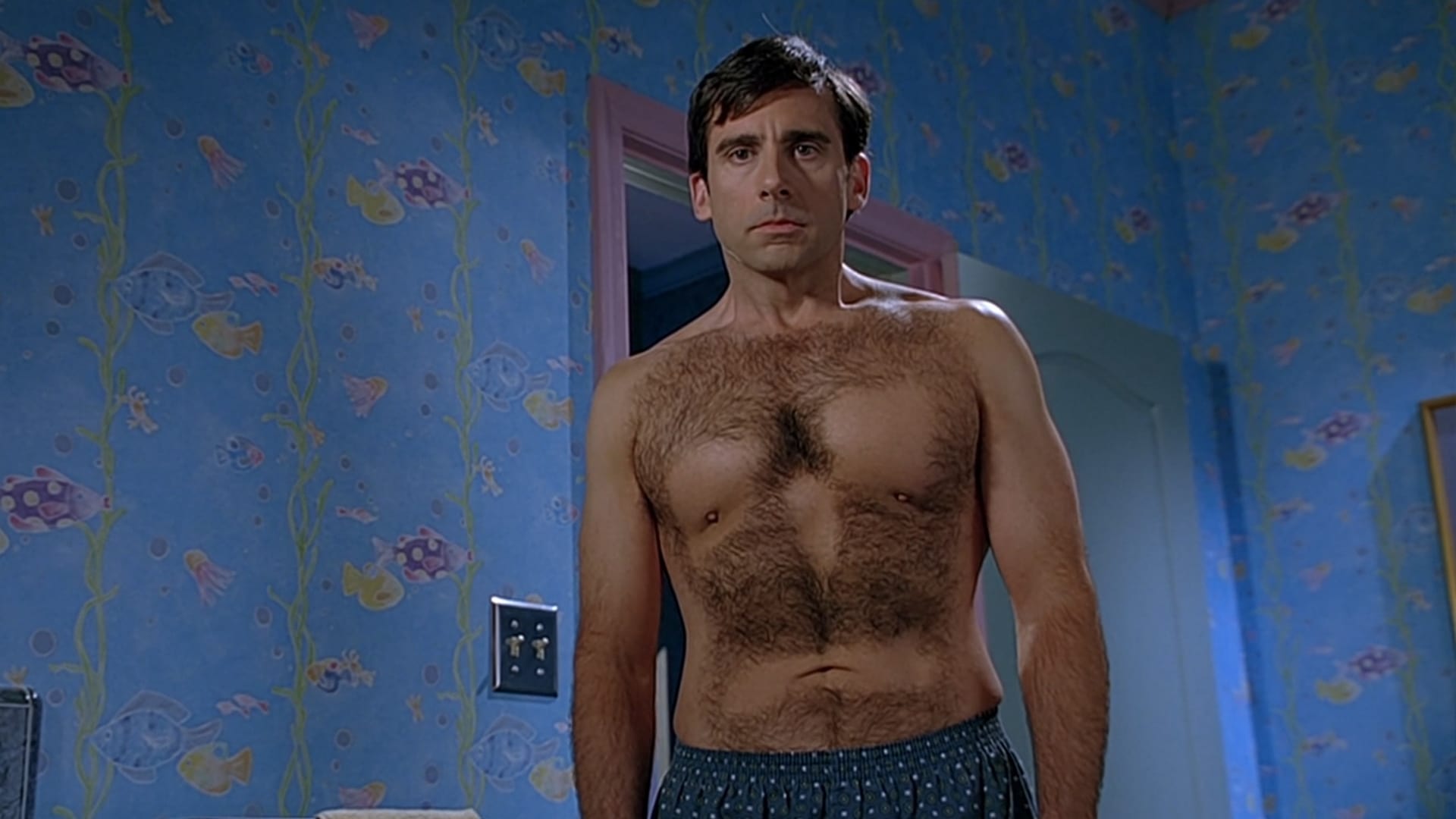
Steve Carell has joked in interviews about the "patchy" regrowth of his chest hair following the scene. Dermatologically, aggressive waxing without proper pre- and post-care (which was clearly absent during the shoot for comedic effect) can lead to folliculitis or permanent damage to the hair follicles. There has never been a definitive "update" on whether the "smile" shape waxed into his chest left any lasting changes to his hair growth patterns, an unresolved point of curiosity for fans of the film’s "behind-the-scenes" lore.
Comparative Analysis of Reality vs. Performance in Comedy
The following table compares The 40-Year-Old Virgin waxing scene with other notable instances of physical realism in film and television.
| Production | Scene Type | Authenticity Level | Primary Comedic Driver | Impact on Production Standards |
|---|---|---|---|---|
| The 40-Year-Old Virgin | Chest Waxing | 100% Real | Visceral Pain / Improv | Standardized "Stunt Comedy" in Narrative |
| Jackass: The Movie | Various Stunts | 100% Real | Shock / Danger | Established the "Pain as Content" Era |
| Home Alone | Booby Traps | 0% Real (Prosthetics) | Slapstick / Timing | Classic Hollywood Physical Comedy |
| Old School | Tranquilizer Dart | Mixed (VFX/Practical) | Absurdity | Hybrid of Real Stunts and Digital Effects |
| Borat | Social Interactions | 100% Real (Guerilla) | Social Cringe | Revolutionized "Prank" Narrative Cinema |
Technical Depth: Why This Scene Works Cinematographically
To understand why this scene remains a masterclass in comedy, one must look at the cinematography. Most comedy is shot in a master-and-coverage style, where a wide shot is established, followed by close-ups. Because the waxing was a one-time event, Apatow could not rely on traditional coverage.
The use of five cameras meant that the editors had an immense amount of footage to sift through. The rhythm of the scene is dictated not by the script, but by the physical action. Every time a strip is pulled, the "clock" of the scene resets. The editors, Brent White and Isaac Chen, had to piece together a coherent narrative from four men screaming over each other. The result is a scene that feels chaotic yet perfectly paced, a feat that is difficult to achieve when the actors are genuinely distracted by pain.
The Evolution of the "Cringe" Genre
The 40-Year-Old Virgin helped usher in the era of "Cringe Comedy," where the audience's discomfort is the primary source of humor. The waxing scene is the apex of this. We are not just laughing at Andy Stitzer; we are sympathizing with Steve Carell. This blurring of the line between character and actor is a hallmark of Judd Apatow’s early work.
The unresolved question here is whether the "Cringe" genre has peaked. In 2026, audiences are often more sensitive to the power dynamics on set. The idea of a director "forcing" or "encouraging" an actor to undergo pain might be viewed through a different lens today than it was in 2005. However, Carell’s enthusiastic participation and co-authorship of the script usually mitigate these concerns in the eyes of critics.
Frequently Asked Questions
Was the "Kelly Clarkson" line scripted?
No. The line was a completely spontaneous improvisation by Steve Carell. Seth Rogen and Paul Rudd were instructed by director Judd Apatow to yell out random words to distract Carell, and "Kelly Clarkson" was the result of the high-stress, high-pain environment. This has been confirmed by several members of the cast in anniversary interviews.
Did Steve Carell actually lose his chest hair for the role?
Yes. The waxing was entirely real. Carell had a significant amount of chest hair prior to the scene, and he insisted on the actual procedure to ensure his reactions were genuine. The production used five cameras to capture the process in a single take because they could not "re-grow" the hair for a second attempt.
Who was the woman performing the waxing in the movie?
The character was played by Miki Mia. While she is a professional actress, she was not a licensed esthetician at the time of filming. This contributed to the messy, painful nature of the waxing, as her technique was intentionally (or unintentionally) non-professional to enhance the comedic effect.
Are there any deleted parts of the waxing scene?
While the theatrical cut is famous, the "Unrated" version of the film contains additional footage of the waxing process, including more improvised insults from the supporting cast and further reactions from Carell. Because five cameras were running simultaneously, hours of footage existed, much of which was used for DVD extras and behind-the-scenes documentaries.
Why does Romany Malco look so upset during the scene?
Romany Malco’s reaction in the film—where he looks genuinely disturbed and eventually turns away—was not acting. Malco has stated in interviews that he found the sight of the skin being torn and the blood spots (petechiae) that formed on Carell’s chest to be physically nauseating. His departure from the frame was a real reaction to the "gross-out" nature of the live event.
Future Implications: The Standard for 2026 and Beyond
As we look at the landscape of comedy in 2026, the waxing scene in The 40-Year-Old Virgin serves as a reminder of a period in filmmaking where the boundaries between reality and fiction were aggressively pushed. While modern safety standards and the rise of high-quality digital effects have made such "real" stunts less necessary, the scene’s enduring popularity proves that audiences still value the "lightning in a bottle" energy that only comes from genuine, unscripted human experience.
For filmmakers and actors, the takeaway is clear: authenticity resonates. However, the debates surrounding the scene suggest that the industry must continue to balance that authenticity with the long-term well-being of the performers. The "Kelly Clarkson" scream will likely remain a part of the cultural lexicon for decades to come, not because it was a great line of dialogue, but because it was the sound of a real human being experiencing a very real, and very funny, moment of agony.
Practical Recommendation: For those studying comedic timing or production, analyzing the raw footage of this scene (available on various "Making Of" documentaries) provides invaluable insight into how multi-camera setups can be used to capture spontaneous performances that cannot be replicated through traditional rehearsed takes.